When people tell me they have quick roaches in the house, they usually mean one of two things: either the roach is a species that naturally moves fast and shows up in surprising places, or the infestation is established enough that you are noticing more daytime activity and “runner” behavior (darting across open floors when you flip on a light).
Either way, your goal is the same: confirm what you are dealing with, cut off what is attracting them, and treat the right areas with the right tools. If you only spray what you see, you might knock down a few adults while the hidden population keeps growing.
Quick safety note: Always read and follow label directions on any product. Keep treatments out of reach of kids and pets, and be extra cautious around food prep areas and aquariums.
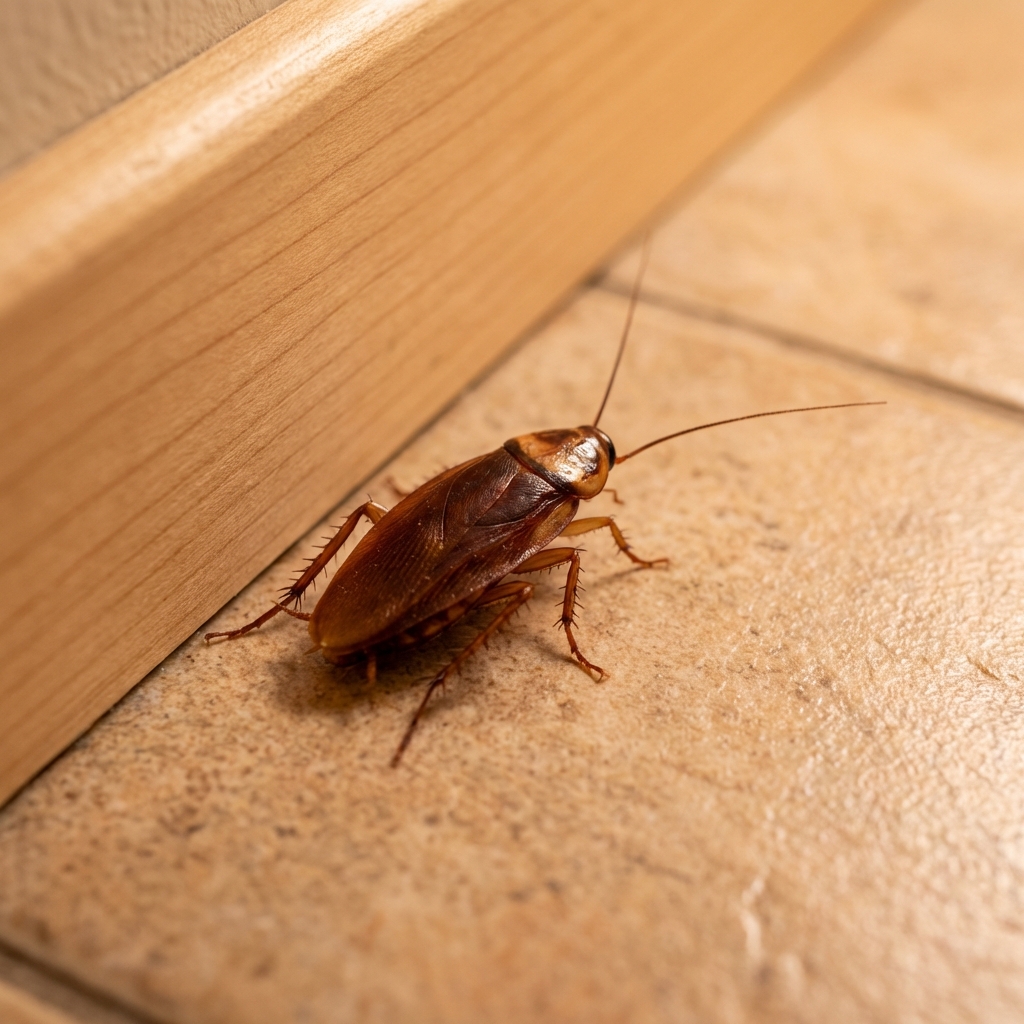
What “quick roaches” usually are
Several common roaches move fast, but the most likely culprits indoors tend to fall into a few categories. Getting the ID roughly right helps you choose a strategy that works.
German cockroach (most common indoor problem)
German roaches are small, light brown, and often show up in kitchens and bathrooms. They are the classic “apartment and kitchen” roach. If you are seeing multiple roaches, especially smaller ones (nymphs), German roaches are a top suspect.
- Size: approx. 1/2 to 5/8 inch
- Clues: two dark stripes behind the head; commonly seen near sinks, stoves, dishwashers, refrigerator motors
- Behavior: hides in tight cracks, comes out at night; daytime sightings often happen when the population is high or resources are tight
American cockroach (large and very fast)
These are the big roaches people call “palmetto bugs” in some regions. They can sprint and they often come from basements, crawl spaces, utility rooms, drains, and sewers.
- Size: approx. 1 1/4 to 2 inches
- Clues: large reddish-brown body; pale “figure-8” style marking behind the head (on the pronotum)
- Behavior: may wander indoors but can also establish in warm, damp spots
Smokybrown roach (common in warm, humid areas)
Smokybrown roaches are dark and glossy. They love humidity and often start outdoors in mulch, leaf litter, and wood piles, then move inside.
- Size: approx. 1 to 1 1/2 inches
- Clues: uniformly dark, shiny body; attracted to porch lights
- Behavior: strong preference for moist environments; often found in attics, garages, and near exterior doors
Oriental cockroach (often in wet, cool areas)
Not usually described as “quick,” but people often lump all roaches together. These tend to show up in basements, floor drains, and damp crawl spaces.
- Size: approx. 1 inch
- Clues: dark, heavy-bodied; strong association with wet, cool places
- Behavior: sightings often cluster around moisture sources rather than kitchen heat zones
Wood roaches (fast runners that do not always infest)
Wood roaches can be quick and alarming because they may fly or dart when disturbed. Many species mainly live outdoors in decaying wood and leaf litter. They can wander in, especially in spring and summer, but they often do not set up an indoor breeding population.
- Clues: you mostly see them near windows or lights, especially after bringing in firewood or during rainy spells
- Behavior: more “lost visitor” than a kitchen infestation, unless conditions indoors are unusually damp and cluttered
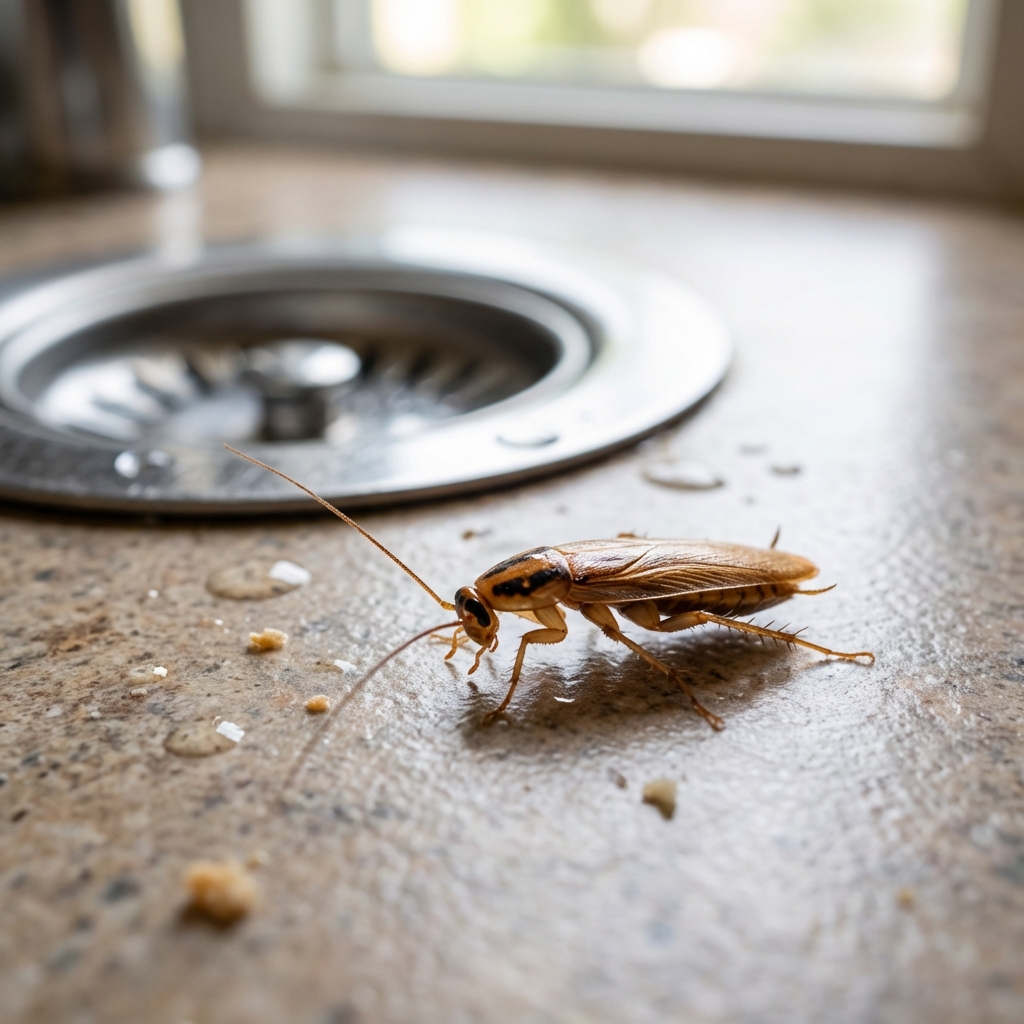
Why fast roaches show up indoors
Roaches do not need a perfectly dirty home to thrive. They need three basics: water, food, and shelter. If one of those is easy to get, they can hang on. If all three are easy, they multiply quickly.
Common attractants
- Moisture: leaky supply lines, dripping faucets, sweating pipes, wet sponges, pet water bowls left overnight
- Food access: grease film near the stove, crumbs under appliances, unsealed pantry items, trash that is not tightly closed
- Warm hiding spots: refrigerator compressor area, dishwasher voids, cabinet toe-kicks, wall cracks around plumbing
- Clutter: cardboard, paper bags, and crowded storage areas give them cover
How they get in
- Gaps under doors and around windows
- Holes around pipes under sinks and behind toilets
- Shared walls in multi-unit housing
- Packages, grocery bags, used appliances, and moving boxes
- Vents, weep holes, and garage entries
If you see quick roaches mainly after rain or around porch lights, you may be dealing with outdoor species coming in. If you see them mostly in kitchens and bathrooms, especially with small nymphs, that points more toward an indoor breeding issue like German roaches.
Signs it is more than a random visitor
One roach can be a fluke. Several, especially with these signs, usually is not.
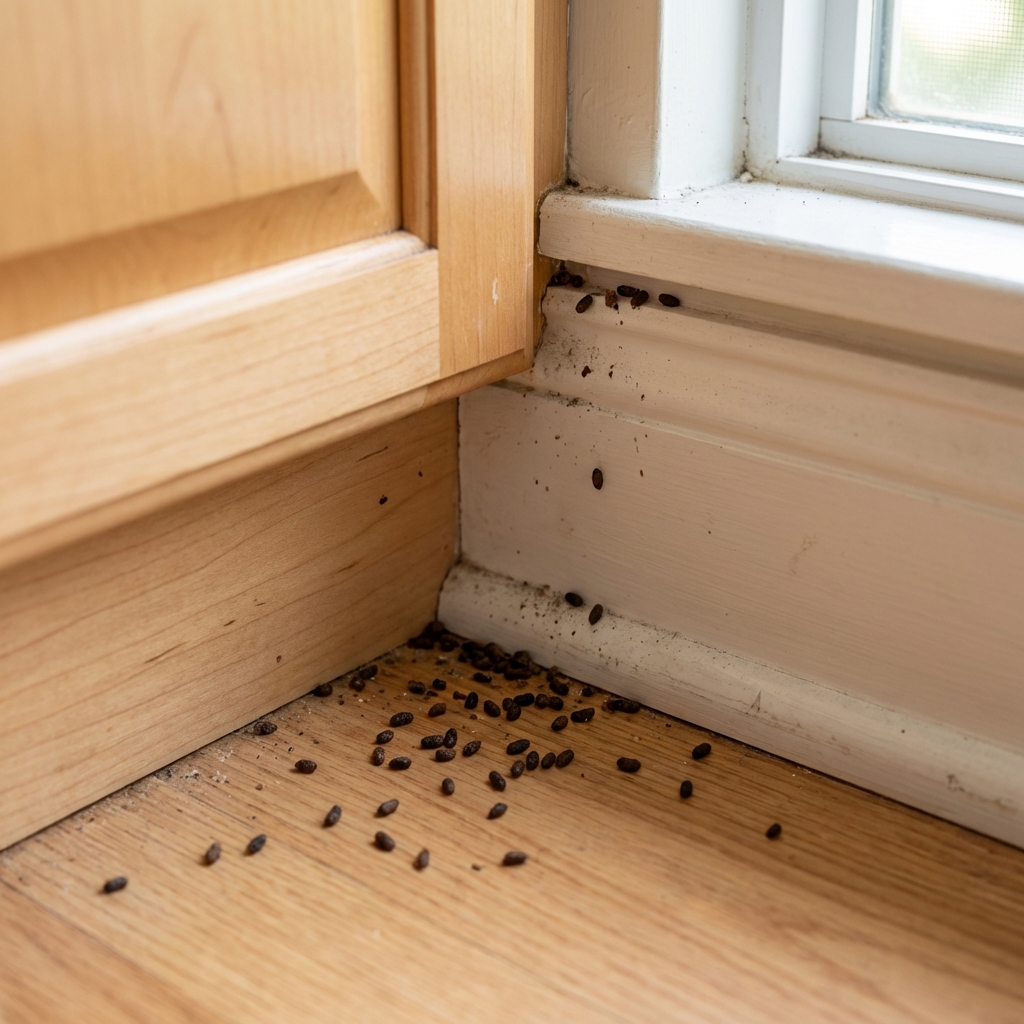
- Droppings: pepper-like specks (German roaches) or larger rice-like droppings (bigger roaches)
- Egg cases: brown capsules (ootheca) tucked in cracks or along cabinet seams
- Musty odor: heavier infestations often smell stale or oily
- Shed skins: light brown translucent skins near harborages
- Daytime sightings: for German roaches, this often suggests crowding; for larger species, it can simply mean they are active near a moisture route
First 24 hours: fast steps that matter
Before you buy a pile of products, do these actions. They improve every treatment that comes next.
1) Deep clean where it counts
- Pull the stove and refrigerator out if you can and vacuum behind them.
- Degrease the stove sides, backsplash area, and cabinet faces near cooking.
- Clean crumbs out of drawers, toaster trays, and under the microwave.
2) Remove water sources overnight
- Fix obvious leaks or at least dry the area nightly until it is repaired.
- Wring out sponges and store them dry.
- Pets: if you cannot remove the water bowl overnight, try picking it up for a few hours, wiping spills, and putting it back down in the morning with fresh water. An elevated bowl on a washable mat also helps reduce standing water.
- Use drain stoppers at night in sinks and tubs as a temporary diagnostic step if you suspect drain activity.
3) Vacuum like you mean it
Vacuuming is underrated. It removes live roaches, crumbs, and can remove some egg cases and shed skins. Use a crevice tool along:
- cabinet edges and hinges
- toe-kicks
- baseboards behind appliances
- cracks around plumbing
Empty the vacuum canister outside immediately or seal the bag in a trash bag.
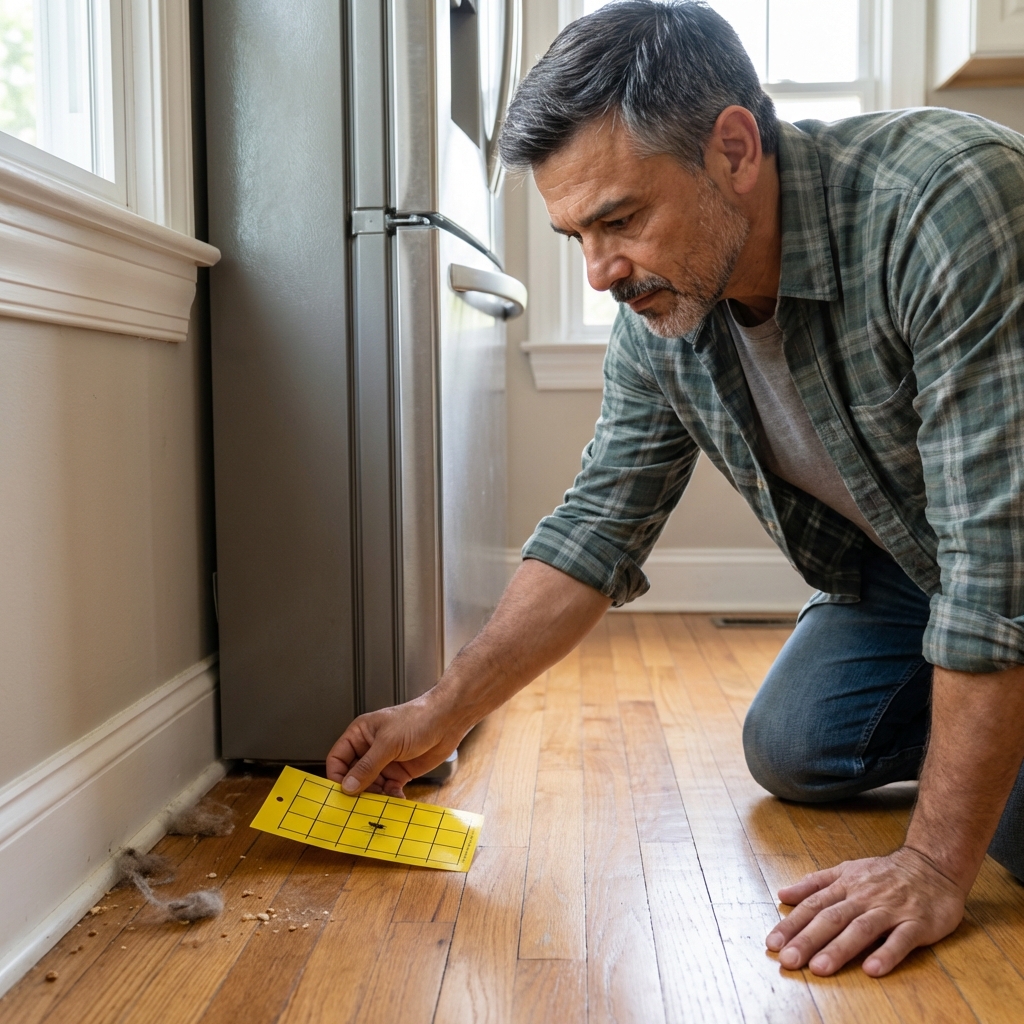
4) Set monitoring traps tonight
Sticky traps are not just for catching. They tell you where the activity actually is.
- Place traps under the kitchen sink, behind the fridge, beside the stove, and near the trash can.
- In bathrooms, place one near the vanity plumbing and one near the toilet.
- Check in the morning and note where you caught the most.
What works best (and what to skip)
For most homes, the best results come from a combination approach: baits + insect growth regulator + targeted crack, crevice, or void treatment.
Important nuance: Repellent sprays and foggers can backfire by pushing roaches deeper into hiding spots or away from baited areas. That said, targeted, crack-and-crevice applications, often using non-repellent products, can be part of an effective plan (and are commonly used by professionals). The key is placement and product choice, and not contaminating bait zones.
Gel baits (core tool for indoor roaches)
Gel baits are effective because roaches feed on them, then return to their harborages. As they die, other roaches may be affected through contact with feces and carcasses.
- Apply small dots in many places rather than big globs.
- Place bait near cracks, cabinet corners, behind appliances, and near plumbing routes.
- Do not bait on surfaces you regularly wash or where grease will coat it.
- Avoid placing bait where strong cleaners, degreasers, or repellent insecticides were just used.
Insect growth regulator (IGR)
An IGR does not kill instantly. It disrupts reproduction so the population stops replacing itself. In real homes, this is how you prevent the “they keep coming back” cycle.
- Use it in the same general areas where you are baiting and seeing trap activity.
- Expect gradual improvement over a few weeks.
- Follow label guidance carefully, especially around sensitive individuals and pets.
Dust for voids and cracks (use carefully)
Light applications of dust in wall voids, under cabinets, and around plumbing penetrations can be very effective. The key is thin. Heavy piles are avoided by roaches.
- Apply only where it will stay dry and undisturbed.
- Never dust open countertops or food prep surfaces.
- If you have kids or pets, keep applications in inaccessible voids and follow the label exactly.
- If you have an aquarium, be extra cautious with any airborne dust near the tank and filtration.
What to avoid
- Bug bombs and foggers: they rarely reach the hiding spots and can push roaches deeper into walls.
- Overusing repellent “roach killer” sprays in kitchens: they can interfere with bait performance and scatter activity.
- Ignoring sanitation: bait works best when roaches are not dining on grease and crumbs all night.
Room plan: kitchen, bathroom, basement, garage
Kitchen
- Focus behind the fridge, stove, and dishwasher. These are warm and protected.
- Seal gaps where plumbing enters the wall under the sink.
- Store pantry items in sealed containers, especially cereal, flour, and pet food.
- Take trash out nightly for a couple of weeks during treatment.
Bathroom
- Fix drips, slow leaks, and loose toilet bases.
- Seal the pipe cutouts under the vanity.
- Ventilate after showers. A small dehumidifier can help if the room stays damp.
Basement or crawl space
- Address moisture first: dehumidifier, improved ventilation, vapor barrier if needed.
- Inspect around floor drains and sump areas.
- Reduce cardboard and stored paper products.
Garage and entry points
- Add or replace door sweeps and weatherstripping.
- Keep leaf litter and mulch pulled back from the foundation.
- Store firewood away from the house and off the ground.
Seal-up checklist
Once you reduce the population, sealing entry points helps keep new roaches from moving in.
- Caulk gaps along baseboards and where countertops meet walls.
- Seal around plumbing penetrations with appropriate filler for the gap size.
- Install door sweeps and adjust thresholds.
- Repair window screens and cover vent gaps where appropriate.
How long it takes
Timing depends on the species and how established the issue is.
- German roaches: noticeable improvement often within 1 to 2 weeks with baiting and IGR, with strong control typically in 4 to 8 weeks if you stay consistent.
- Large roaches from outdoors or drains: you may see quick reductions after sealing and moisture control, but occasional intruders can still happen.
If you are still seeing lots of roaches after two weeks of consistent effort, that usually means one of these is happening: bait placement is off, sanitation and water sources are still feeding them, or there is a hidden source such as a neighboring unit, a wall void, or a plumbing route.
When to call a pro
DIY can work, but it is smart to call a pro when:
- You see roaches in multiple rooms and daytime sightings are common.
- You live in a multi-unit building and neighbors may be contributing to the problem.
- You have repeated re-infestations tied to drains, sewers, or a crawl space moisture issue.
- Someone in the home has asthma or severe allergies and you want rapid reduction with a coordinated plan.
When you call, ask what they use for baiting and IGR, and whether they recommend targeted crack-and-crevice treatment (often non-repellent) and sealing improvements. A good plan is not just a spray visit.
Quick FAQ
Why are the roaches so fast?
Some species are naturally quick, and roaches also sprint when disturbed by light, vibration, or airflow. Seeing “fast runners” often means you are surprising them near their hiding spots.
Does one roach mean infestation?
Not always. But if you see one in the kitchen at night, set a few sticky traps for a week. Traps will tell you if it is a visitor or a bigger issue.
Will bleach or ammonia down the drain fix it?
It might kill some insects on contact, but it does not solve entry points, moisture, or nesting sites. Also, never mix household chemicals. If you suspect drain activity, focus on drain covers at night, fixing moisture, and targeted control around plumbing.
Are roaches coming from my drains?
Sometimes. True “drain and plumbing route” problems are more common with larger species like American or Oriental roaches, and they often involve moisture, organic buildup, or access to sewer or crawl space pathways. Drain stoppers can help you test the theory short-term, but long-term control usually means fixing the moisture and access conditions and treating the surrounding cracks and voids correctly.
Are roaches coming from my plants or garden?
Outdoor species can move in from mulch, leaf litter, and wood piles, especially in warm and humid weather. Keep organic debris pulled back from the foundation, and avoid overwatering near the house.
Simple action plan
- Tonight: clean key zones, dry sinks, set sticky traps.
- Tomorrow: place gel bait where traps show activity, start sealing obvious gaps.
- This week: add IGR, reduce clutter, keep food sealed and floors crumb-free.
- Next 2 to 6 weeks: refresh bait as needed, keep monitoring traps, fix moisture problems for good.
If you are unsure what species you have, use the trap locations plus the ID clues above to narrow it down. For confirmation, consider sending a clear photo to a local extension office or a reputable pest professional.

Jose Brito
I’m Jose Britto, the writer behind The Country Store Farm Website. I share practical, down-to-earth gardening advice for home growers—whether you’re starting your first raised bed, troubleshooting pests, improving soil, or figuring out what to plant next. My focus is simple: clear tips you can actually use, realistic expectations, and methods that work in real backyards (not just in perfect conditions). If you like straightforward guidance and learning as you go, you’re in the right place.