Fleas can make a happy dog miserable fast. The tricky part is that the fleas you see on your dog are only a small part of the problem. The rest of the flea population is often hiding in your home as eggs, larvae, and pupae, waiting to re-infest your pet.
This page walks you through safe ways to kill fleas on dogs using proven products and practical cleanup steps. I will also point out the common “quick fixes” that can backfire.
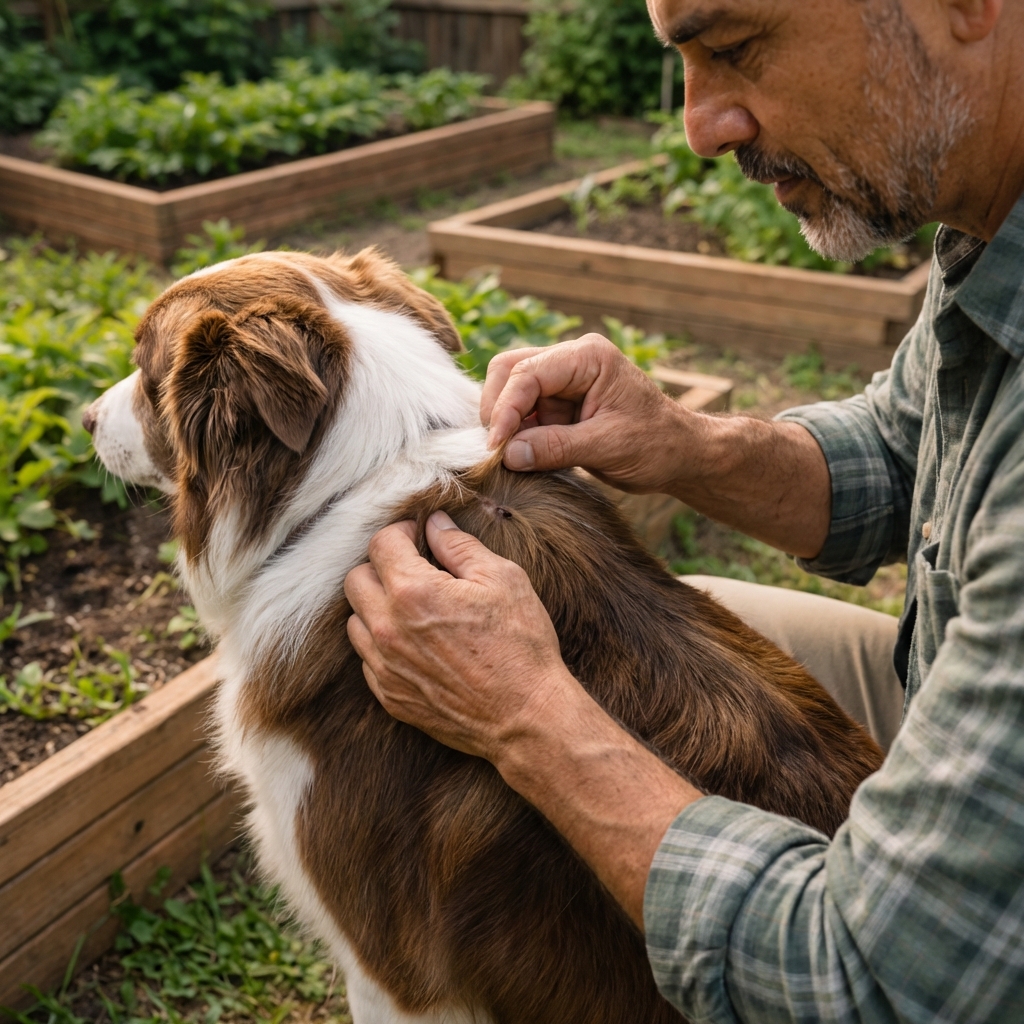
First, the safety rules (do these before anything else)
- Use only products labeled for your pet’s species and weight range. Some flea products are labeled for both dogs and cats, but many are not. Stick to the label and the right dose.
- Check your dog’s age and weight. Many flea treatments are not for puppies under a certain age or below a weight cutoff.
- Know the household risk. If you have cats at home, be very cautious with permethrin-based dog products unless your vet confirms it is safe with your setup. Cats are highly sensitive, and cross-contact (cuddling, grooming) matters.
- Pregnant, nursing, senior, or medically fragile dogs need extra caution. Ask your veterinarian before treating.
- Do not stack products. Combining multiple flea killers at once can raise the risk of side effects. If you need to combine, do it with a vet’s guidance.
Flea facts that explain why infestations keep coming back
Here is the cycle in plain terms:
- Adult fleas live on your dog and lay eggs.
- Eggs fall off into carpets, bedding, cracks in flooring, and shady spots outdoors.
- Larvae hatch and hide deep in fabrics and debris.
- Pupae can sit protected for weeks (sometimes longer), then emerge when they sense warmth and movement.
That is why a single bath can make you feel like you “won” for a day, then fleas show up again. A real plan treats the dog and the environment long enough to break the cycle.
Fast, safe options to kill fleas on your dog
1) Vet-approved oral flea meds (often the fastest knockdown)
Oral prescription flea preventives can kill adult fleas quickly and are a strong choice for heavy infestations. Many start killing within hours, though speed varies by product. Because these are systemic medications, fleas usually have to bite to be exposed to the drug.
- Pros: Fast, no residue on fur, not affected by bathing.
- Cons: Requires correct dosing and may not be ideal for every dog.
2) Quick-kill tablets (short-term help)
Some over-the-counter oral products (often nitenpyram-style “flea cap” tablets) kill adult fleas for a short window, then wear off. These can be useful when you need immediate relief while you start a longer-term plan.
- Pros: Quick relief.
- Cons: Usually does not provide lasting prevention.
3) Topical spot-on treatments (effective when used correctly)
Spot-on treatments can work well, but you must apply them properly and follow the label’s water instructions. The “no bathing” window varies by product (often 24 to 48 hours or longer), so check the label.
- Apply directly to skin, not just on hair.
- Use the correct dose for your dog’s weight.
- Separate pets until dry to reduce licking or cross-contact.
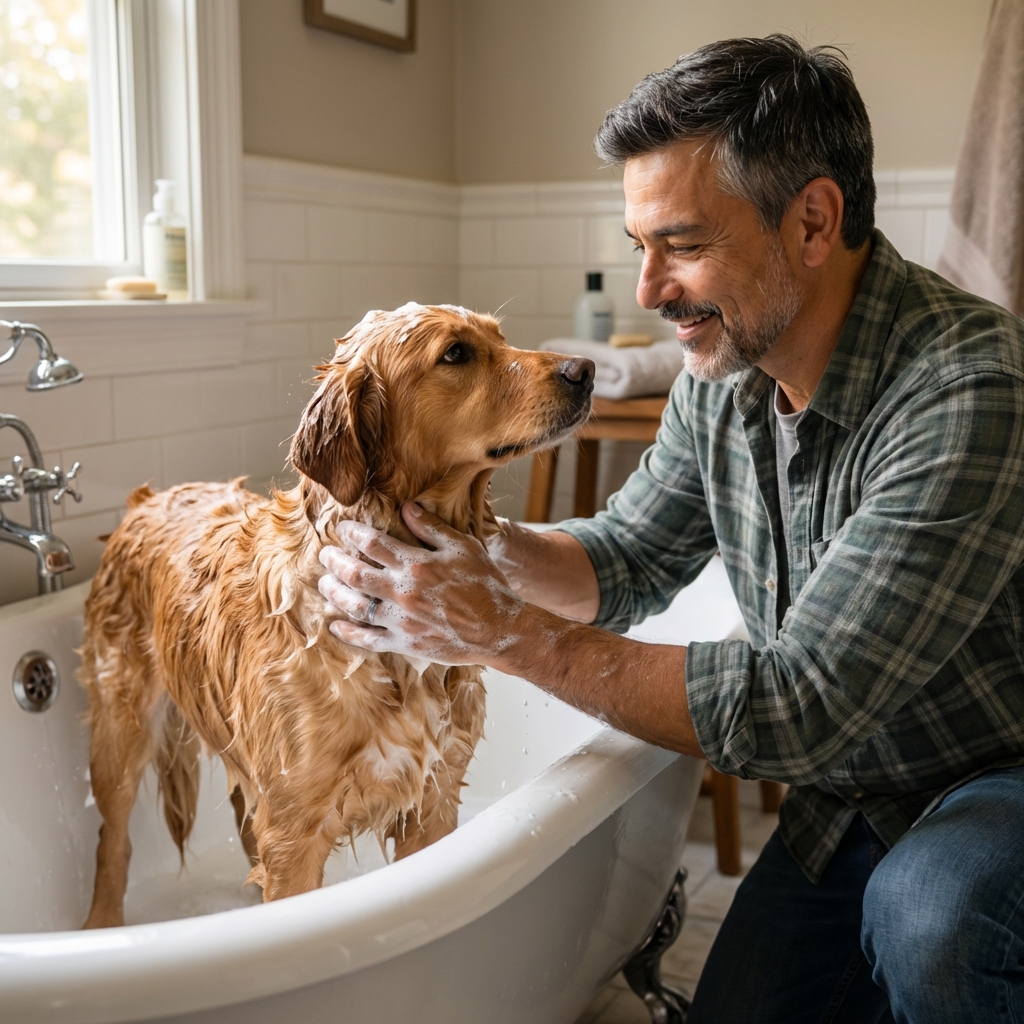
4) Flea shampoos (good for a reset, not a full solution)
Many flea shampoos can kill fleas on contact, which is satisfying when your dog is crawling with them. The downside is most shampoos do not keep working after the bath. Think of shampoo as step one, not the finish line.
5) Flea combing (slow but very safe)
A flea comb is low-tech and surprisingly useful, especially for puppies too young for certain medications. Comb your dog over a white towel and dunk the comb into a cup of warm water with a little dish soap to trap fleas.
What I would avoid (common flea fixes that cause problems)
- Essential oils applied to the dog. Some oils can irritate skin or be toxic if licked. “Natural” does not automatically mean safe.
- DIY sprays made for the house used on pets. Many household insecticides are not pet-safe for direct application.
- Garlic or other “internal remedies.” Garlic can be harmful to dogs in certain amounts and is not a reliable flea treatment.
- Too much bathing. Frequent harsh shampooing can inflame skin, especially if fleas already triggered itching.
- Using multiple flea products at once without a plan. More is not always better.
Your 3-part plan: dog, home, and yard
If you want this to work, treat all pets in the household at the same time (with species-appropriate products). If one pet is untreated, fleas can keep cycling through your home.
Part 1: Treat the dog (today)
- Pick one primary flea killer: vet oral prescription or a correctly chosen topical. Many “preventives” also treat active infestations.
- If your dog is very itchy, ask your vet about soothing options, since broken skin can invite infection. Some dogs have flea allergy dermatitis and can stay itchy even after the flea numbers drop.
- Wash your dog’s collar, harness, and bedding.
- Ask your vet about tapeworms. Fleas can spread tapeworms, so deworming may be recommended if your dog has had fleas.
Part 2: Treat the home (this week)
This is where most flea eggs and larvae are hiding.
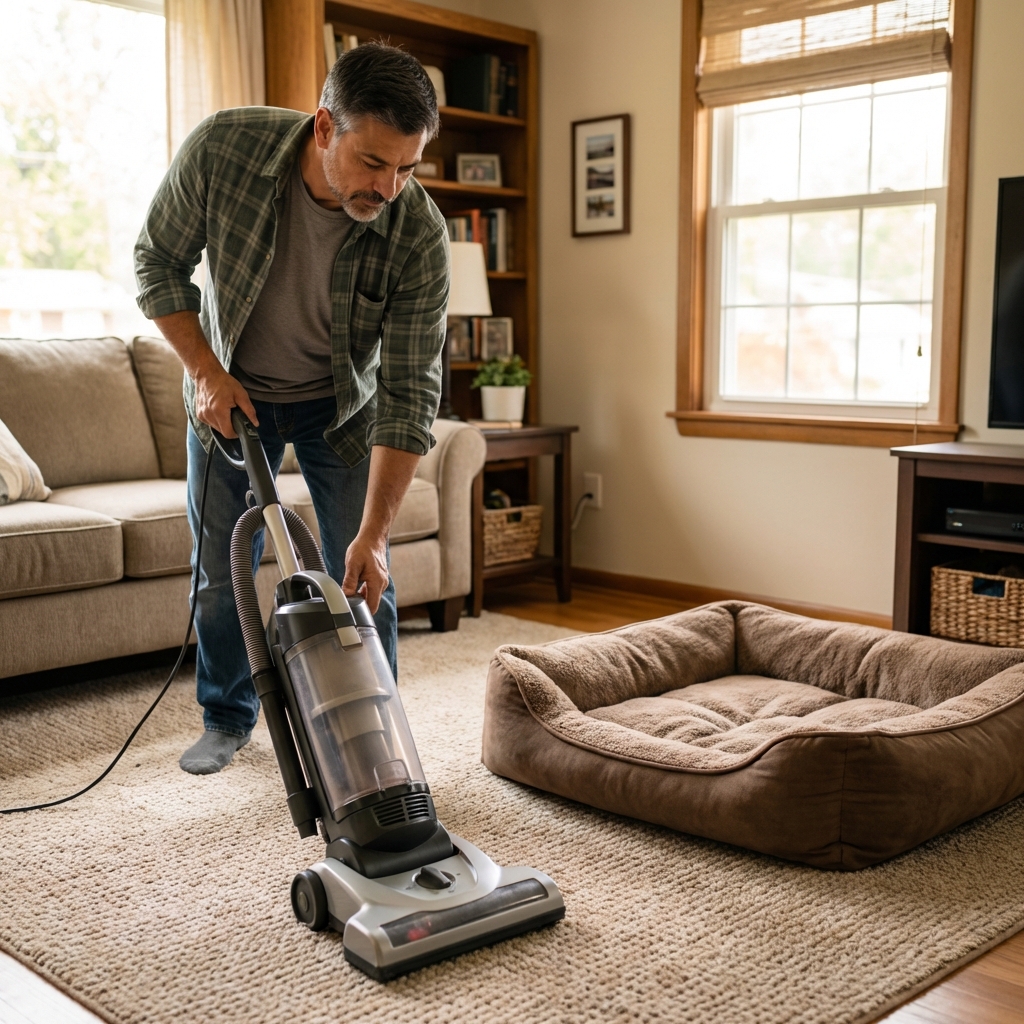
- Vacuum daily for 7 to 10 days in the worst areas (rugs, couches, baseboards, under furniture, and under cushions).
- Empty the vacuum right away. Seal contents in a bag and take it outside.
- Wash bedding on hot and dry on high heat if fabric allows. The dryer heat is often the real “kill step.” Repeat every few days during the initial push if you can.
- Consider an IGR-based home spray (insect growth regulator) for stubborn cases, following the label carefully and keeping pets out until fully dry.
Part 3: Treat the yard (as needed)
Many infestations are mostly indoors, but if your dog spends time outside, shaded damp areas can harbor fleas.
- Mow and remove yard debris where fleas can hide.
- Focus on shady resting spots like under decks, along fence lines, and under shrubs.
- If you use a yard treatment, choose one labeled for fleas and follow directions precisely. Keep pets off the area until the label says it is safe.

How long it takes to truly get rid of fleas
Even with a great product, you may see fleas for a bit as new adults emerge from pupae. A realistic timeline looks like this:
- 24 hours: Major reduction in adult fleas if you used an effective fast-acting treatment.
- 1 to 2 weeks: Fewer bites and less itching as the home population collapses with consistent vacuuming and washing.
- 4 to 12 weeks: Many homes see a real turnaround, but stubborn infestations can take longer when pupae keep emerging.
To prevent re-infestation, veterinarians commonly recommend staying on effective flea prevention for a minimum of 3 consecutive months, even if things look better sooner. If you stop too early, the cycle can start right back up.
Signs you should call the vet
- Your dog is very young, very small, pregnant, nursing, or has chronic health issues.
- You see hair loss, scabs, hot spots, or oozing skin.
- Your dog seems weak or pale (severe flea infestations can contribute to anemia, especially in small dogs and puppies).
- There is no improvement after 2 to 3 weeks of consistent dog and home treatment.
- You notice tremors, drooling, vomiting, or severe lethargy after applying a flea product.
Quick FAQ
Can fleas live on humans?
Fleas can bite people, but they prefer animal hosts. If you are getting bitten, it usually means the environment has a flea load that needs to be addressed.
Do I need to treat every pet?
Yes. If one pet is treated and another is not, fleas can keep cycling through your home.
Is Dawn dish soap safe for flea baths?
Dish soap can help remove fleas in a pinch, but it can also dry out skin. It does not provide lasting flea control. Avoid getting soap in your dog’s eyes, rinse thoroughly, then follow up with a real flea prevention plan. If your dog’s skin is already irritated, consider a dog-safe conditioner or soothing rinse.
Bottom line
The safest way to kill fleas on dogs is a two-step approach: use a proven flea killer on the dog, then clean and treat the home long enough to break the life cycle. If you want the quickest path, talk to your vet about an oral prescription product and keep up with vacuuming and bedding washes. Then stay consistent with prevention for at least 3 consecutive months to make sure you are not leaving dormant pupae behind.

Jose Brito
I’m Jose Britto, the writer behind The Country Store Farm Website. I share practical, down-to-earth gardening advice for home growers—whether you’re starting your first raised bed, troubleshooting pests, improving soil, or figuring out what to plant next. My focus is simple: clear tips you can actually use, realistic expectations, and methods that work in real backyards (not just in perfect conditions). If you like straightforward guidance and learning as you go, you’re in the right place.