Ants are often predictable. They show up when the weather shifts, when the soil dries, when the kitchen has easy crumbs, or when their usual food source disappears. If you time your approach to the season, you can stop most ant problems before they turn into daily trail patrol.
This guide focuses on realistic home remedies and prevention steps that work in normal houses and backyards. No perfect conditions required.
Quick note: what works best depends on the species and what they are hungry for. Some ants prefer sweets, some prefer protein or grease, and that preference can change seasonally or even week to week.
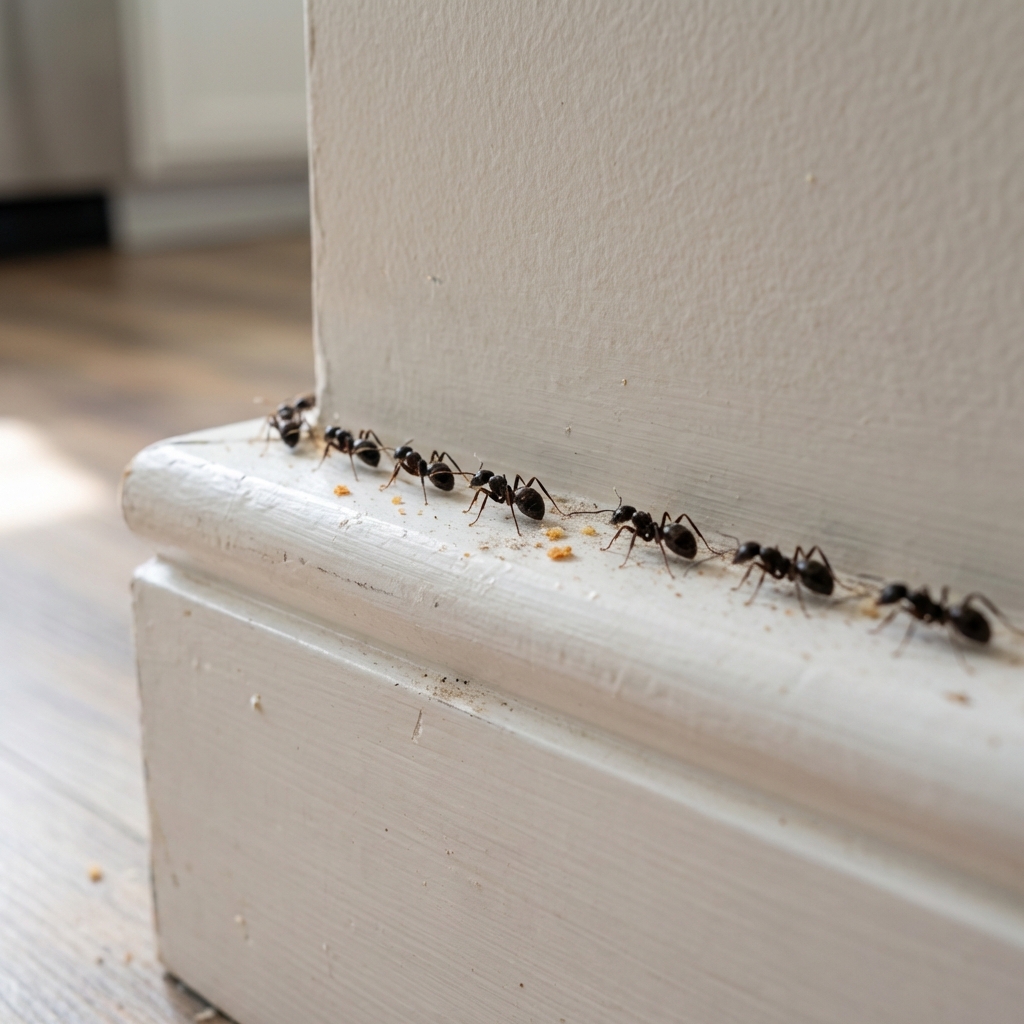
First, find out why they are here
Home remedies work best when you aim them at the right target. Ants usually enter for one of three reasons:
- Food: sugar, grease, pet food, compost, fallen fruit.
- Water: a leaky pipe, damp mulch, condensation, a pet bowl area.
- Shelter: they are nesting under pavers, in a wall void, under a planter, or in mulch.
Quick check: follow the trail backward. If the trail disappears into a wall, cabinet void, or behind an outlet cover, they may be nesting indoors. If it leads under a stone, log, or mulch line, the nest is likely outside.
Seasonal game plan
Spring: stop the first scouts
Spring is when ants start expanding and foraging more aggressively. The best spring strategy is deny entry and reset trails so scouts have a harder time recruiting the rest of the colony.
Spring options that can help:
- Vinegar wipe-down (trail reset): mix 1:1 white vinegar and water. Wipe baseboards, windowsills, and known trail areas. This can help remove food residue and mask or disrupt pheromone trails. It is usually not a full solution by itself, but it is a strong first step.
- Soapy water spray (quick knockdown): 1 teaspoon dish soap in 2 cups water. Spray directly on ants and along the trail, then wipe. Great for quick relief and cleanup.
- Cinnamon as a short-term deterrent (dry areas): sprinkle a light line of ground cinnamon along suspected entry points or behind appliances. Evidence is mixed and it is species-dependent, so treat it as a temporary speed bump, not a permanent barrier. Refresh after cleaning.
Spring prevention checklist:
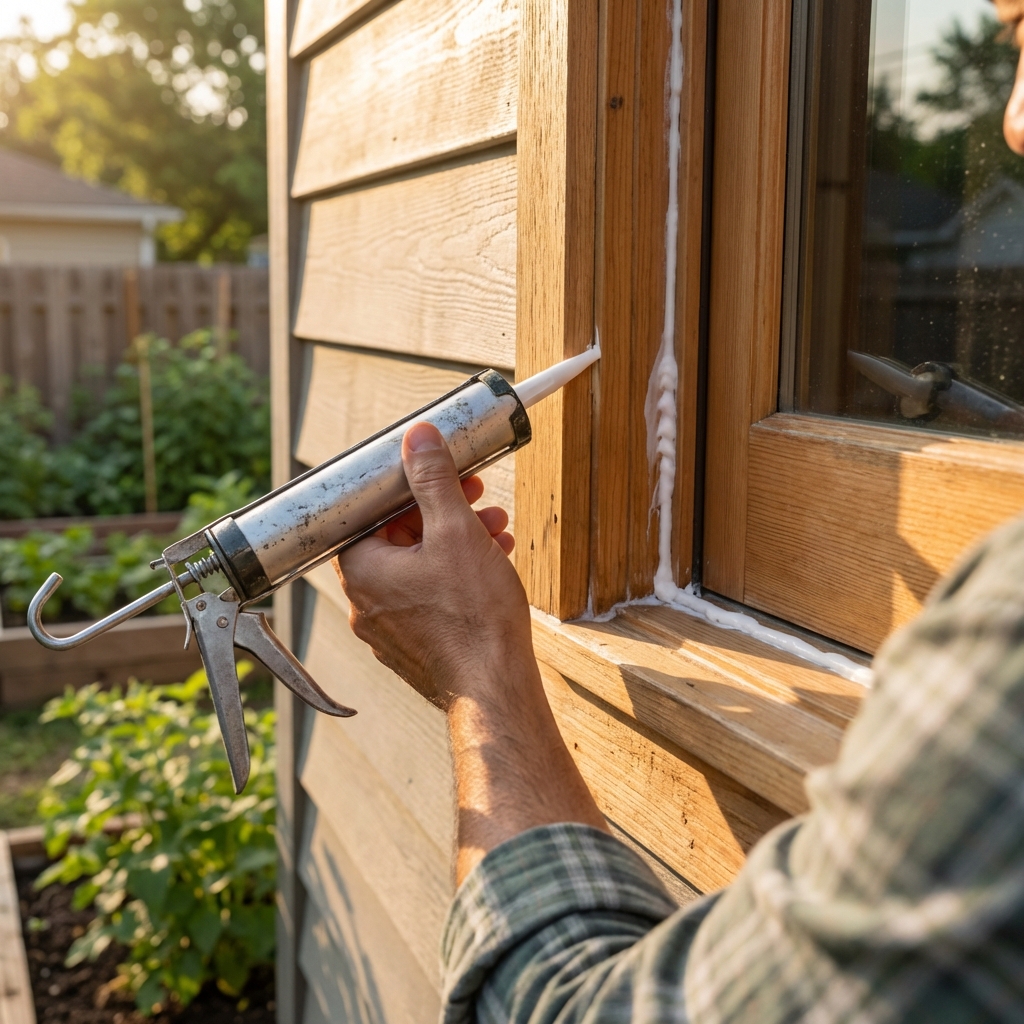
- Seal cracks around doors, windows, and utility lines with caulk.
- Trim vegetation away from siding so ants do not have an easy bridge.
- Rake mulch back 4 to 6 inches from the foundation to reduce nesting spots.
Summer: manage drought, fruit, and outdoor eating
Summer ant pressure often spikes during hot, dry stretches. Ants may come inside looking for water, or they may swarm patios and garden beds because of fallen fruit, compost, and outdoor meals.
Summer options that can help:
- Boiling water for visible outdoor nests (use carefully): if you find a small nest in a crack in the driveway or along a path away from plants, pouring boiling water into the opening can reduce activity. It is not a magic fix for deep colonies. Safety: burn risk is real. Wear closed-toe shoes and gloves, pour slowly, keep kids and pets away, and avoid areas where hot water could run into foundation gaps, utility lines, or plant roots.
- Food-grade diatomaceous earth (DE) for dry zones: lightly dust along ant runways under planters, behind bins, or along cracks. DE works best when it stays dry. Safety: avoid creating airborne dust and keep it out of eyes and lungs. Apply gently, consider a mask if you are sensitive, and keep it away from areas where kids and pets kick up dust. Avoid applying on flowers where pollinators land.
- Citrus or lemon wipe (mild deterrent): wipe counters with lemon water or place citrus peels near entry points. This is species-dependent and usually mild, but it can help with general scent cleanup.
Summer prevention checklist:
- Rinse recycling and keep cans closed.
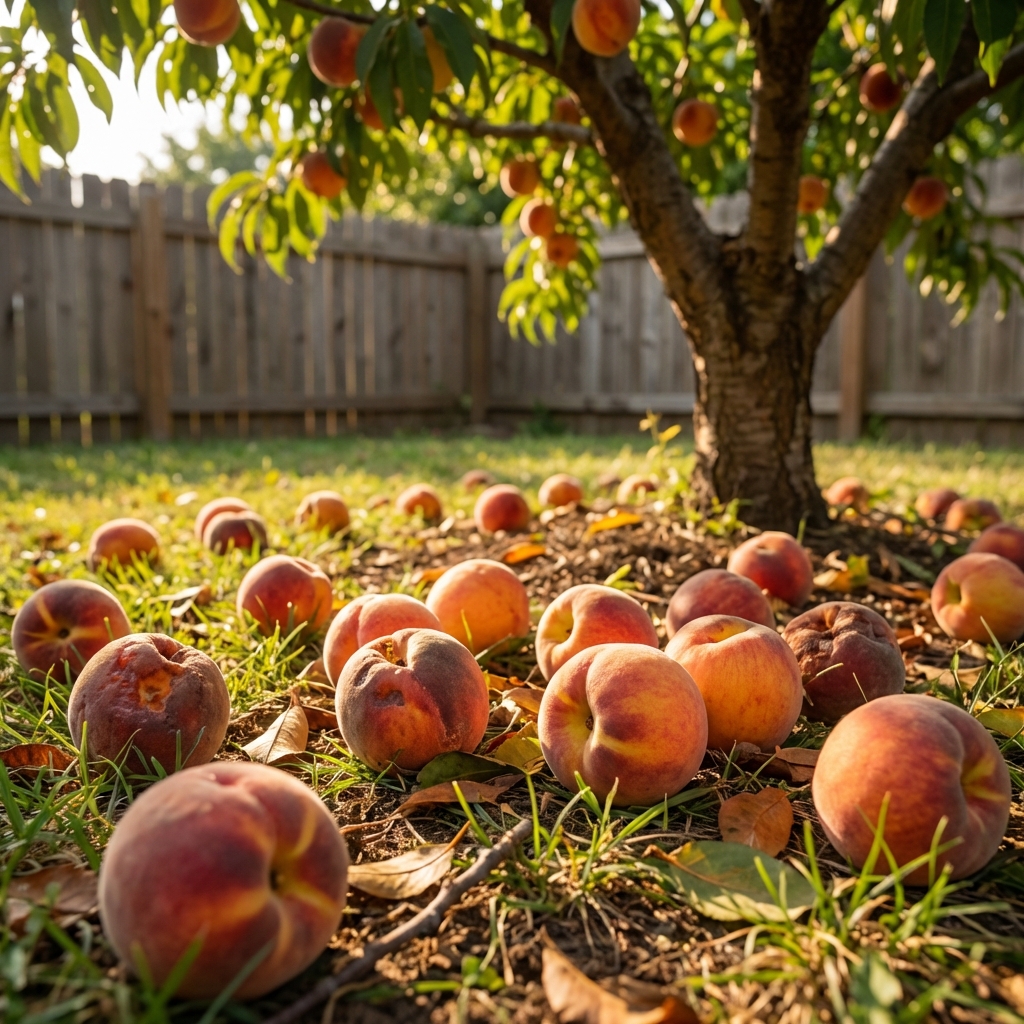
- Pick up fallen fruit daily under trees and in berry patches.
- Water early so soil moisture is more stable and mulch does not stay soggy overnight.
- Keep pet food bowls on a tray and wipe the area after feeding.
Fall: cut off the moving indoors surge
As nights cool, ants often look for stable temperatures and reliable food sources. Fall is the season to get serious about entry points and crumb control.
Fall options that can help:
- Peppermint oil at thresholds (small, targeted use): add 10 to 15 drops peppermint essential oil to 1 cup water plus a small splash of dish soap. Shake and lightly apply to door thresholds and window corners. Reapply weekly. Keep away from pets, especially cats, and do not spray where animals lick.
- Baking soda and sugar (low-evidence, not a primary method): a 1:1 mix is commonly shared online, but results are inconsistent and the mechanism is not reliable across species. If you try it, treat it as an experiment, not a plan. Place it in a covered, ventilated container out of reach of kids and pets, and stop if it increases activity.
- Vinegar trail resets: repeat the spring approach on any new trails you see.
Fall prevention checklist:
- Store pantry staples in sealed containers, especially sugar, flour, cereal, and pet treats.
- Vacuum along baseboards and under appliances where crumbs build up.
- Fix slow drips and damp spots under sinks before cold weather arrives.
Winter: focus on baiting and moisture control
In winter, you are usually dealing with ants that have a protected nest or access point. Barriers alone often fail because the colony is already established nearby.
Winter options that can help:
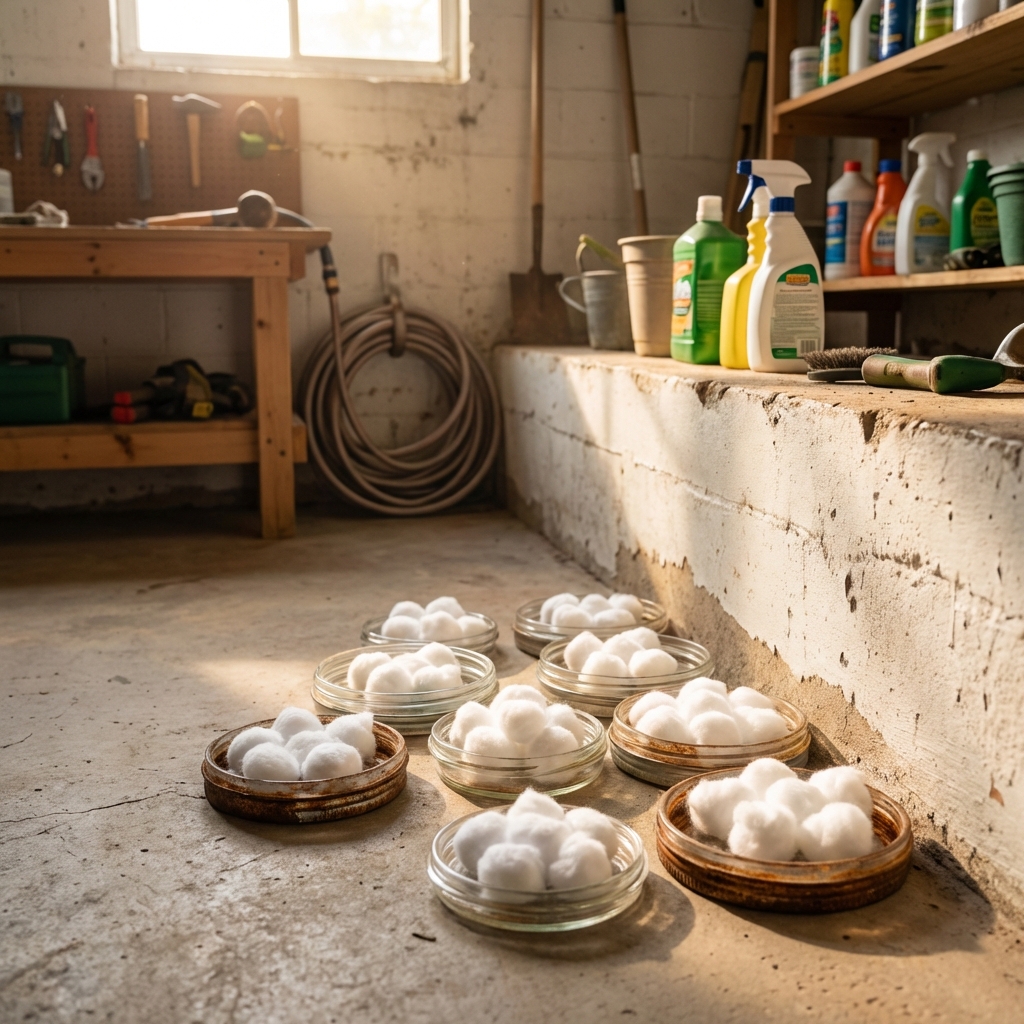
- Borax and sugar bait (effective, but handle responsibly): mix 1/2 cup sugar, 1 1/2 cups warm water, and 1 1/2 tablespoons borax. Soak cotton balls and place them in shallow lids where ants travel, but completely inaccessible to kids and pets. The goal is slow transfer back to the colony. Replace every few days.
Important: if ants die right next to the bait, or they stop feeding quickly, the mix may be too strong for good transfer. In that case, remake it weaker (less borax) or use a commercial ant bait for more consistent dosing. - Protein-based bait option: if ants ignore sugar, they may want protein or grease. Mix a small amount of peanut butter with a tiny pinch of borax and place in a secured bait station. Again, keep it away from children and pets.
- Soap and water for stragglers: useful for immediate cleanup, but follow with bait if you want the activity to actually drop.
Winter prevention checklist:
- Run a dehumidifier in damp basements if needed.
- Store firewood away from the house, not stacked against siding.
- Check weather stripping and door sweeps for gaps.
Best home remedies by situation
Kitchen counters and pantry
- Wipe with vinegar solution to help erase trails and remove residue.
- Switch to sealed containers for anything ants can smell.
- Bait near the trail if ants keep returning. Barriers alone rarely solve a kitchen issue long-term.
Tip: If you see a strong line of ants and you plan to bait, avoid spraying the trail with strong cleaners or insect sprays first. Killing foragers can reduce what you see, but it does not solve the nest, and it can interfere with baiting by breaking the route.
Bait placement basics: use multiple small stations along the trail, place them where you will not mop or wipe fragrance cleaners over them, and give it time. It is normal to see more ants for a day or two as they recruit. Many infestations take 3 to 7 days to noticeably drop, sometimes longer.
Patios, pavers, and driveway cracks
- Boiling water for small, visible nests away from plants, used slowly and carefully.
- DE dusting in dry cracks and under planters, applied gently to avoid airborne dust.
- Reduce attractants like sticky drink spills and grill grease.
Garden beds and raised beds
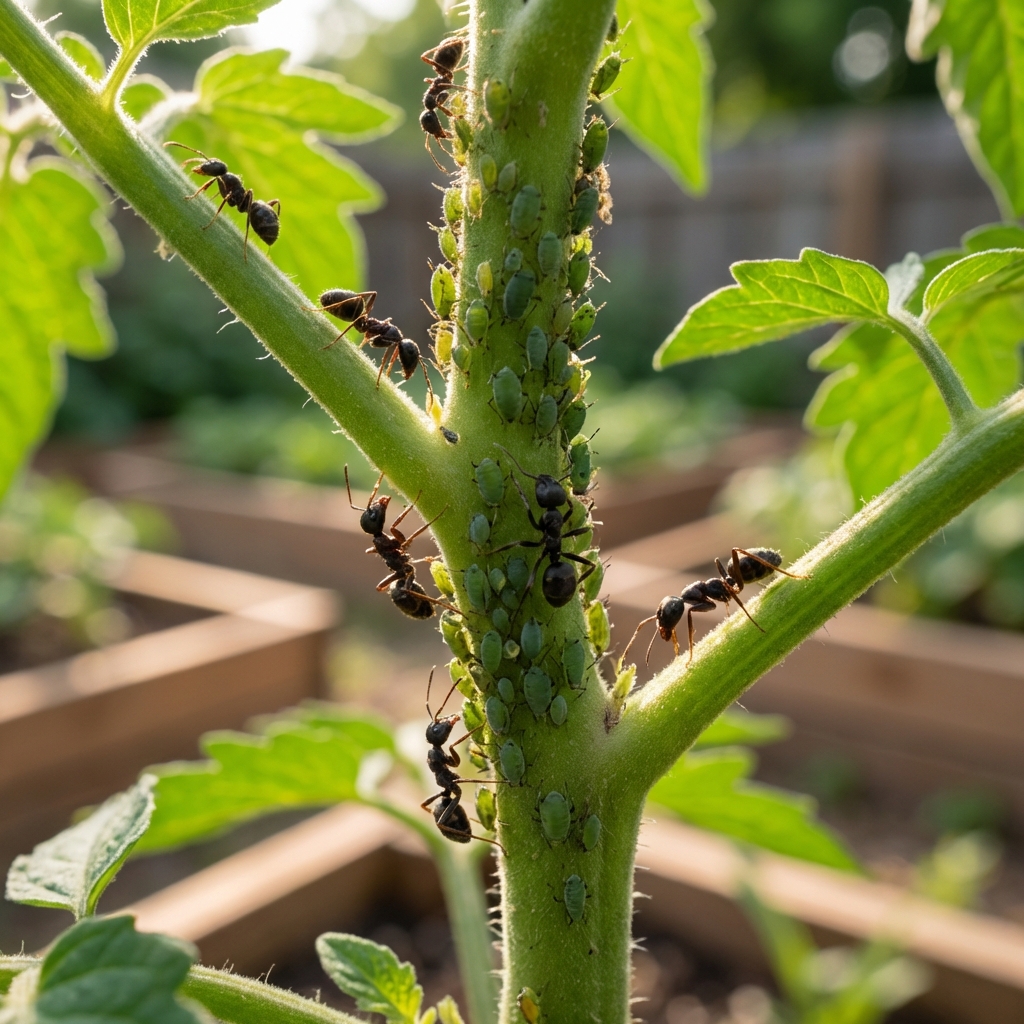
Most ants in garden beds are more nuisance than danger. They can help aerate soil, but they also farm aphids, protect them, and make pest problems worse.
- Control aphids first: blast with water, use insecticidal soap, or prune heavily infested tips. Fewer aphids means fewer ants.
- Water deeply, not constantly: overly dry soil encourages some ants to nest; constantly wet mulch can also invite them. Aim for consistent moisture.
- Use DE sparingly and only in targeted areas away from flowers and pollinator paths. Apply with minimal dust.
What not to do
- Do not rely on one scent barrier forever. Spices and oils may deter briefly, but they fade fast and ants often find a new route once the scent weakens.
- Do not leave food-based remedies exposed. Sugar mixes can attract more ants and create a bigger mess if placed carelessly.
- Do not spray random trails if you are baiting. Spraying can reduce visible ants, but it can also disrupt bait feeding and does not address the nest.
- Do not ignore the water source. If ants are coming for moisture, you can bait all day and still see activity until the leak or damp zone is fixed.
Simple 10-minute routine
If you want a low-effort plan you can repeat anytime, start here:
- Clean the trail area: wipe with 1:1 vinegar and water.
- Remove the attractant: crumbs, pet food, fruit, sticky spots, leaky water.
- Block the entry: caulk gaps and add a door sweep if needed.
- Use bait if the trail returns for more than 2 to 3 days: choose sugar bait for sweet-seeking ants, protein bait for grease-seeking ants. If they ignore one, switch. Preferences can change.
When home remedies are not enough
If you have ants in multiple rooms, you see them during winter consistently, or you suspect carpenter ants (large ants, often near damp wood), it is worth getting a professional inspection. Carpenter ants do not eat wood like termites, but they do excavate it, and moisture problems often come with them.
Good signs you should escalate:
- Ants consistently emerging from wall gaps, baseboards, or around outlets (do not spray liquids into outlets)
- Piles of sawdust-like material near baseboards or window frames
- Moist, damaged, or repeatedly wet wood around windows, doors, or plumbing
- Repeated indoor activity even after cleaning and baiting for 2 weeks
- Stinging ants you cannot identify, or fire ant mounds in regions where they are common
Note: faint rustling in walls can happen, but it is not a reliable sign by itself. Pair it with frass (sawdust-like debris), moisture issues, and repeat sightings in the same area.
Quick seasonal recap
- Spring: vinegar wipes, soap spray, seal gaps early.
- Summer: manage water and fruit, DE in dry cracks with low dust, clean patio spills.
- Fall: tighten food storage, peppermint at thresholds carefully, repeat trail resets.
- Winter: bait strategically, adjust bait strength if needed, fix moisture issues, improve weather stripping.
If you want the biggest payoff with the least effort, do two things: erase trails and remove what they are eating or drinking. Ants are persistent, but they are not mysterious. When the reward disappears, the trail usually does too.

Jose Brito
I’m Jose Britto, the writer behind The Country Store Farm Website. I share practical, down-to-earth gardening advice for home growers—whether you’re starting your first raised bed, troubleshooting pests, improving soil, or figuring out what to plant next. My focus is simple: clear tips you can actually use, realistic expectations, and methods that work in real backyards (not just in perfect conditions). If you like straightforward guidance and learning as you go, you’re in the right place.