Bedbugs are not a “dirty house” problem. They are a hitchhiker problem. They move in on luggage, used furniture, guests, and shared laundry spaces, then hide close to where people sleep. The good news is there are home steps that genuinely help. The hard truth is that home remedies work best when you treat them like a system: inspect, contain, heat, clean, monitor, and repeat.
This page uses a seasonal plan because travel patterns, clutter, humidity, and how easily you can use heat or cold can change through the year. Bedbugs themselves can show up any time in heated indoor spaces, so do not wait for a “season” to act.
First, confirm it is bedbugs
Before you start throwing every “natural remedy” at the problem, take 10 minutes to confirm what you are dealing with. Fleas, carpet beetles, and mosquitoes can look similar from the bite perspective.
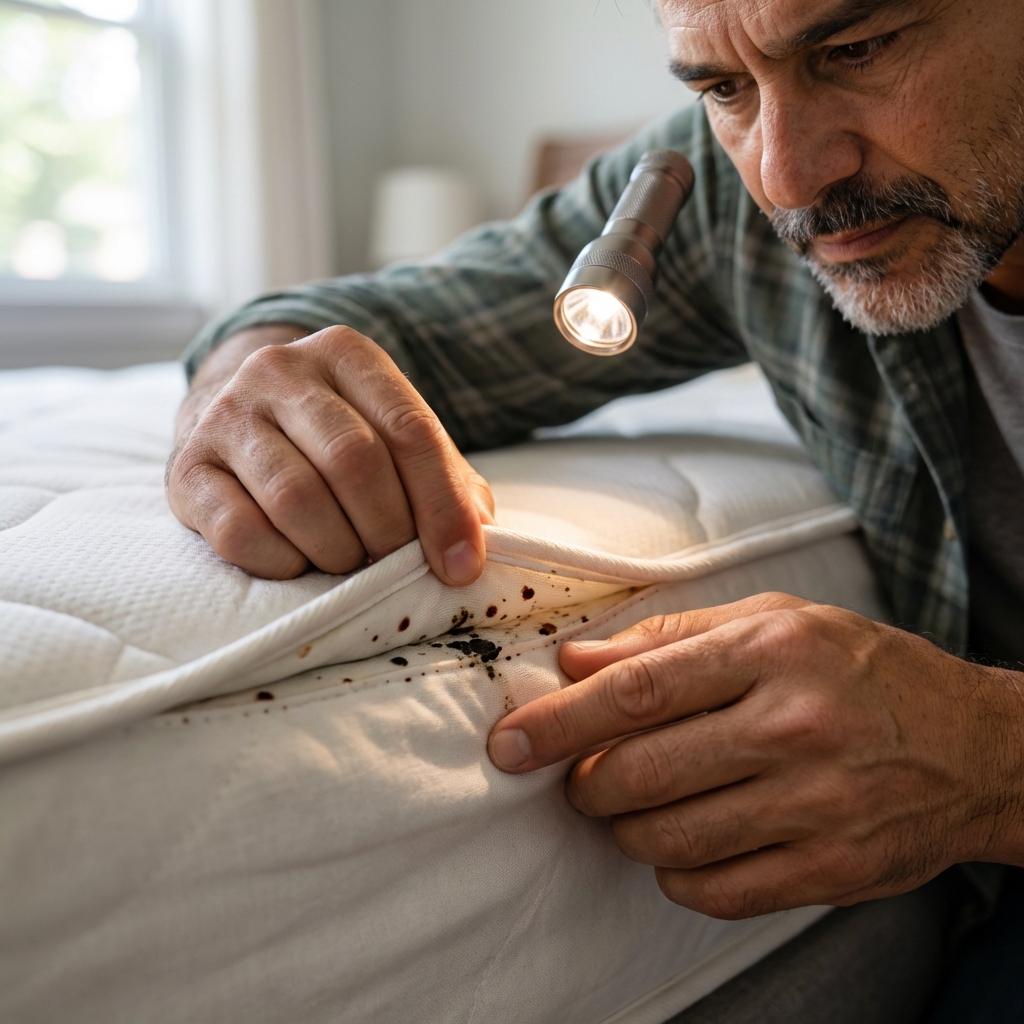
Signs that point to bedbugs
- Dark spotting like tiny ink dots along mattress seams, box spring edges, or headboard joints.
- Shed skins that look like pale, papery shells in creases and cracks.
- Live bugs about apple seed size, flat, and reddish brown.
- Bites often in lines or clusters, commonly on arms, shoulders, and legs. Bites alone are not proof, and some people do not react at all.
If you can, capture a bug with clear tape or in a sealed bag for identification. That one step can save you weeks of guessing.
Safety notes before trying home remedies
- Do not mix chemicals. Especially bleach and ammonia. Dangerous fumes are not worth it.
- Avoid “bug bombs” or foggers. They are generally ineffective for bedbugs and may drive them deeper into walls and furniture. They can also increase pesticide exposure risks indoors.
- Be cautious with essential oils. Some may repel temporarily, but they rarely solve an infestation and can irritate skin, lungs, and pets.
- Heat is powerful, but fire risk is real. Do not use space heaters, ovens, hair dryers, or open flames to “cook” bugs in place.
The core home remedy plan that works year-round
Regardless of season, successful DIY control usually comes down to the same repeatable loop. If you do nothing else, do these steps consistently.
1) Contain: stop the spread today
- Put all bedding, pajamas, and nearby clothing into sealed bags before moving them through the house.
- Keep “clean” and “dirty” items separate. Use bins with tight lids if you have them.
- Move the bed a few inches from the wall and make sure bedding does not touch the floor.
- Remove bridges. Keep the bed from touching nightstands, curtains, pet beds, or anything that lets bedbugs bypass interceptors.
- Do not move infested items room to room. That is how bedbugs spread fast.
2) Heat and launder: the most reliable home tool
Heat is what kills bedbugs and eggs reliably in a home setting. The dryer is your friend. Many sources cite lethal temperatures in the range of about 50 to 60°C (about 122 to 140°F) when heat reaches the bugs, which is why thorough, even heating matters.
- Dry first when you can. Run items in the dryer on high heat first, then wash and dry normally. Drying first can kill bugs and helps reduce the chance of spreading them through the home and laundry area.
- Use a simple dryer protocol: high heat, small loads (do not overstuff), and a minimum of 30 to 60 minutes once the load is fully hot. Bulkier items may take longer. If you are unsure, err on more time, not less, as long as the item is dryer-safe.
- For washable fabrics: hot wash helps, but the dryer is typically the key.
- For “dry clean only” items: a long, hot dryer cycle may damage some fabrics. Test carefully, keep items sealed, or consult a cleaner experienced with bedbugs.
3) Vacuum like you mean it
Vacuuming will not solve bedbugs alone, but it reduces numbers fast and helps every other step work better.
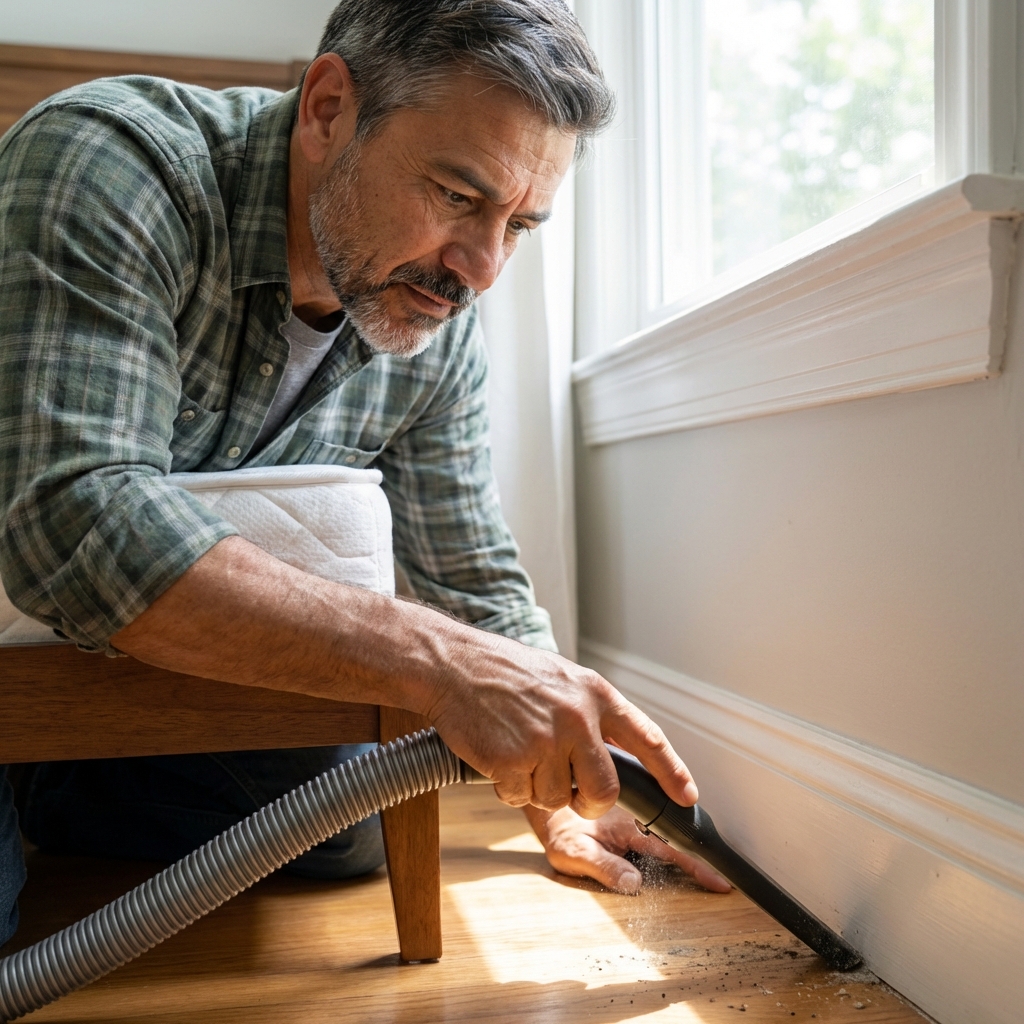
- Vacuum mattress seams, tufts, the bed frame, headboard, baseboards, and carpet edges.
- Use a crevice tool and go slow.
- If you have a HEPA vacuum, use it. If not, do not worry. Consistency matters more than fancy gear.
- Immediately empty the canister into a bag, seal it, and take it outside. If you use a bagged vacuum, seal and discard the bag.
- Wipe down the crevice tool and any brushes after use, and wash your hands.
4) Encase the mattress and box spring
Use bedbug-certified encasements that fully zip closed and are designed to resist tearing. Encasements trap bugs inside so they cannot bite, and they remove a huge number of hiding places.
- Install carefully and do not rip the fabric.
- Secure the zipper end (follow the product instructions, some people also tape the zipper pull area) so it cannot creep open.
- Leave encasements on for at least 12 months unless the manufacturer recommends longer. This gives trapped bedbugs time to die off.
5) Add interceptors and monitor
Interceptor cups under bed legs help catch bedbugs climbing up or down. They also tell you if your plan is working.
- Check interceptors weekly.
- If you keep catching bugs, stay in “treatment mode” and do not relax yet.
- Timeline: expect weeks, not days. Keep monitoring for at least 6 to 8 weeks after the last sign (no bugs in interceptors, no fresh spotting) before you consider the issue resolved.
Seasonal bedbug home remedies
Here is how I’d adjust your approach through the year, based on what tends to change: travel, humidity, clutter, and how easily you can use heat or cold safely.
Winter: indoor time and guests
Winter is sneaky because we spend more time inside, and bedbugs thrive in stable indoor temps. Holiday travel and guests also increase the odds of hitchhikers.
- Use the dryer aggressively. Coats, scarves, hats, throw blankets, and guest bedding should get a hot dryer cycle when practical and safe for the item.
- Quarantine travel items. Keep luggage in a garage or sealed bin. If you do not have that space, store it in a large sealed bag. When you can, inspect seams and pockets, then heat treat what is dryer-safe.
- Reduce clutter near beds. Winter layers pile up fast, and clutter creates hiding places.
Spring: cleaning and secondhand items
Spring cleaning is a chance to find problems early. It is also the season when a lot of used furniture moves around.
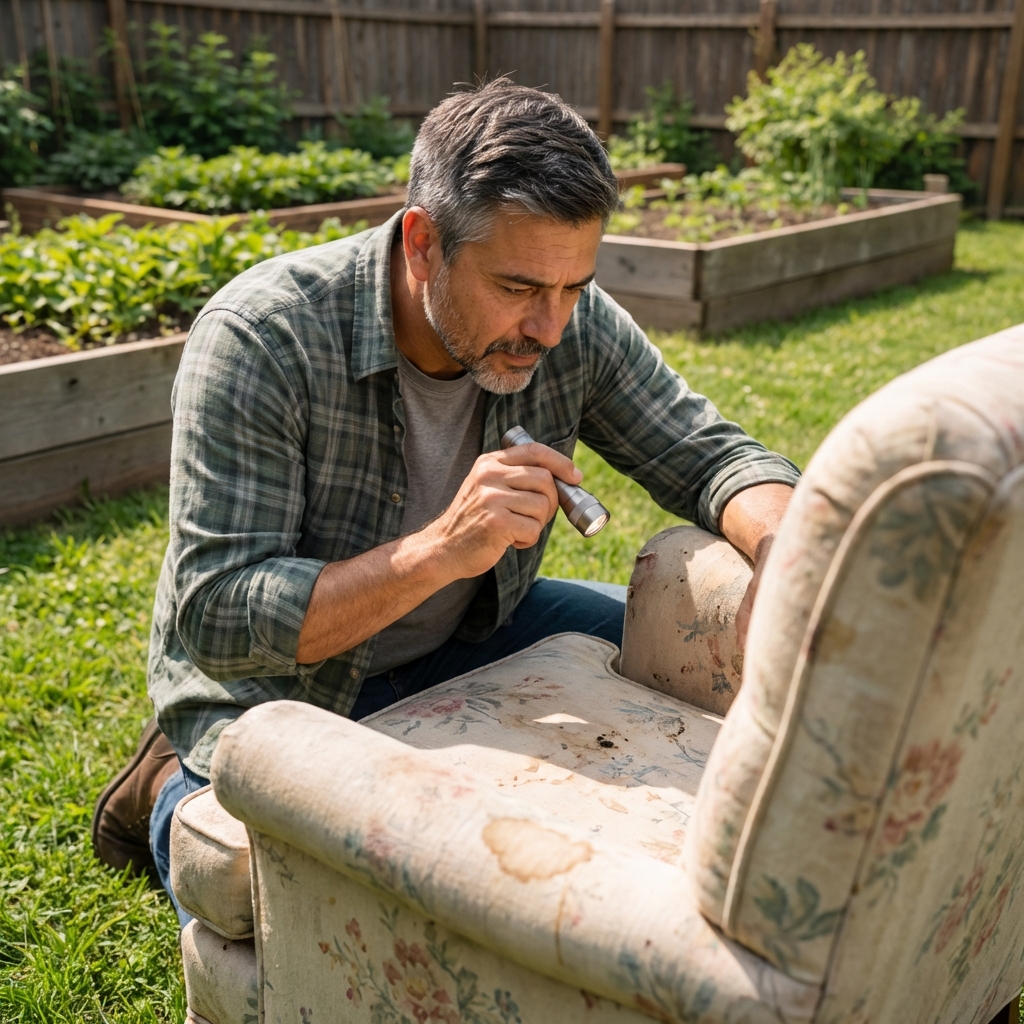
- Inspect secondhand items outside in daylight. Check seams, stapled fabric edges, and screw holes.
- Skip curb finds. If you cannot verify the source, it is not worth the risk.
- Steam can help on seams and cracks if you have a steamer meant for this kind of job. Use a low-moisture approach and move slowly so heat has time to work. Avoid blasting moisture into walls or soaking upholstery.
Summer: peak travel and faster spread
Summer is prime bedbug season mostly because travel spikes. Hotels, rentals, camps, and visiting family all raise your odds.
- Hotel routine: keep luggage on a rack away from the bed, do a quick mattress seam check, and keep clothing zipped in bags.
- When you get home: go straight to the laundry area, bag clothes, and run the dryer on high heat using small loads.
- Hot car caution: A parked car can get very hot, but temperatures vary and may not heat items evenly. Treat it as a supplement, not your main method.
Fall: prevention before indoor season
Fall is your chance to tighten prevention before everyone settles inside again.
- Do a bedroom reset: pull the bed out, vacuum edges, check the headboard, tighten bed frame screws, and reduce hiding spots.
- Prepare for guests: keep spare bedding sealed. After guests leave, run it through a hot dryer cycle.
- Back-to-school items: backpacks and sports bags can pick up hitchhikers. A quick inspection and occasional dryer cycle (only if safe for the item) helps.
Home remedies people ask about
Diatomaceous earth (DE)
DE can kill bedbugs by drying them out, but it is slow and it must be applied correctly. Use only products labeled for indoor pest control and follow the label.
- Apply a very light dusting in cracks and voids, not thick piles.
- Keep it out of the air. Avoid applying where kids and pets can contact it.
- DE does not replace heat and laundering. Think of it as a supporting tool.
Rubbing alcohol
Alcohol can kill on contact, but it does not reach hidden eggs well and it is highly flammable. I do not recommend it as a primary home remedy.
Essential oils (tea tree, lavender, peppermint)
Some oils may repel briefly, but they are unreliable for control. If you rely on them, you can end up delaying the steps that actually reduce populations.
Vinegar, baking soda, and “natural sprays”
These are not proven bedbug killers at realistic household use levels. If they help at all, it is usually by cleaning, not by eliminating the infestation.
How to keep bedbugs from coming back
- Make the bed easier to inspect. Reduce clutter, use a simple bed frame, and keep bedding from touching the floor.
- Use interceptors long-term if you live in a multi-unit building or travel often.
- Be careful with visitors and borrowed items. Guest coats on beds and borrowed blankets are common pathways.
- Seal cracks around baseboards and bed frame joints where possible. Less harborage means easier control.
- Dispose safely if you must. If you are discarding an infested item, wrap it in plastic, seal it, and label it so nobody else brings it home.
When home remedies are not enough
If you are seeing bedbugs in multiple rooms, getting bites nightly despite doing the basics, or living in an apartment where units share walls, it is time to bring in professional help. Bedbugs can move between units, and your best work can be undone if the source is next door.
Also consider professional treatment if anyone in the home has severe allergic reactions, asthma that flares with dust treatments, or if you cannot safely do repeated laundering and cleaning.
At a high level, professional options typically include whole-room or whole-home heat treatments, targeted insecticide applications, or a combination plan. A reputable company will explain the prep work, the monitoring plan, and what results to expect over time.
Quick seasonal checklist
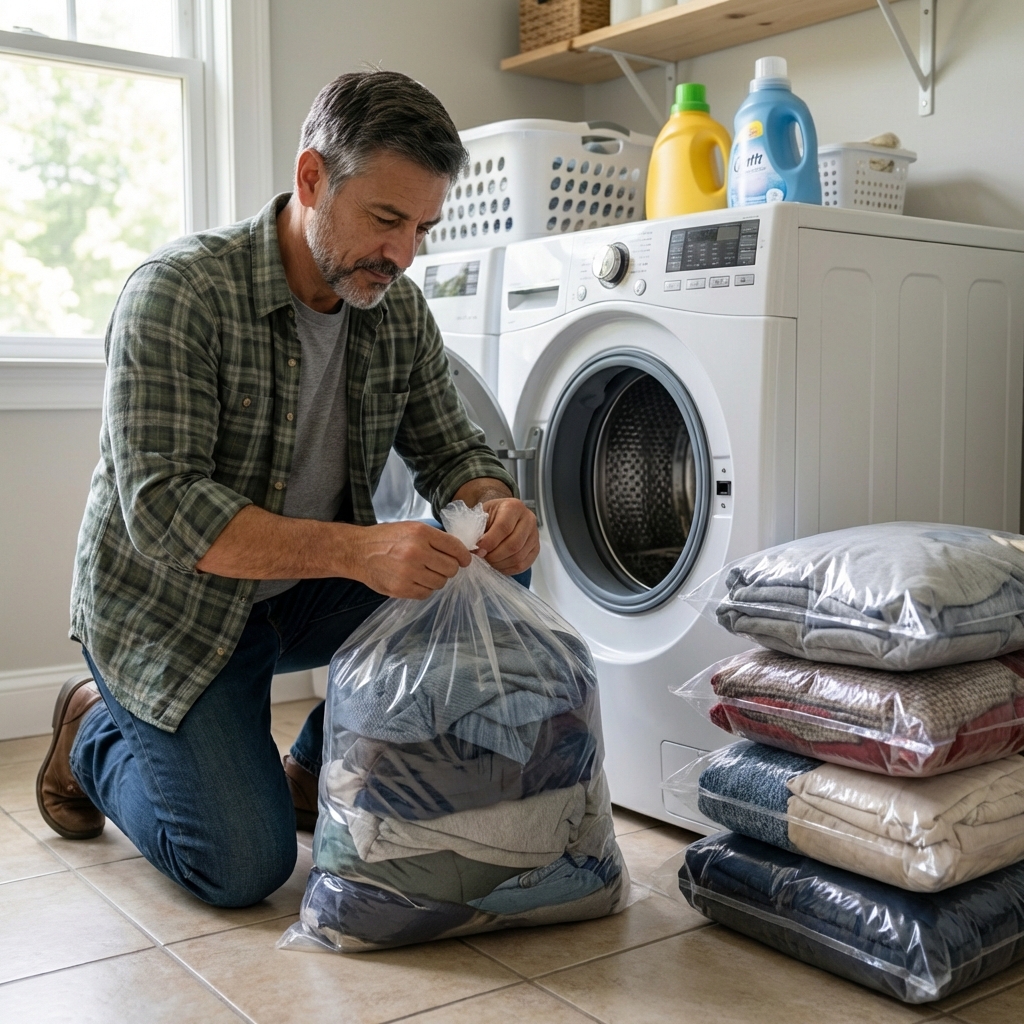
- Any season: contain, high-heat dryer cycles (small loads, 30 to 60 minutes minimum when fully hot), vacuum seams and cracks, encase mattress and box spring, add interceptors, remove bed bridges.
- Winter: treat coats and guest bedding, quarantine and inspect luggage, reduce clothing piles.
- Spring: inspect used furniture outside, steam seams slowly if you have the right tool, deep clean bed frames.
- Summer: travel routines, dryer when you return, monitor weekly.
- Fall: bedroom reset, prep for guests, watch backpacks and sports bags.

Jose Brito
I’m Jose Britto, the writer behind The Country Store Farm Website. I share practical, down-to-earth gardening advice for home growers—whether you’re starting your first raised bed, troubleshooting pests, improving soil, or figuring out what to plant next. My focus is simple: clear tips you can actually use, realistic expectations, and methods that work in real backyards (not just in perfect conditions). If you like straightforward guidance and learning as you go, you’re in the right place.