Squirrels are resourceful, but real backyards are not always generous. A long dry spell, a late freeze, or a neighborhood with few mature trees can leave them scrambling. If you want to help without creating a mess, the sweet spot is seasonal, minimal, and natural: offer what fits the time of year, keep portions small, and focus on water and habitat as much as food. For example, a shallow water dish in summer and a few in-shell nuts in winter can be plenty.
This guide covers seasonal food for squirrels and a few backyard “home remedies” that are genuinely useful, plus what to avoid so you do not accidentally make squirrels sick or invite them into your attic.
Before you feed: a quick check
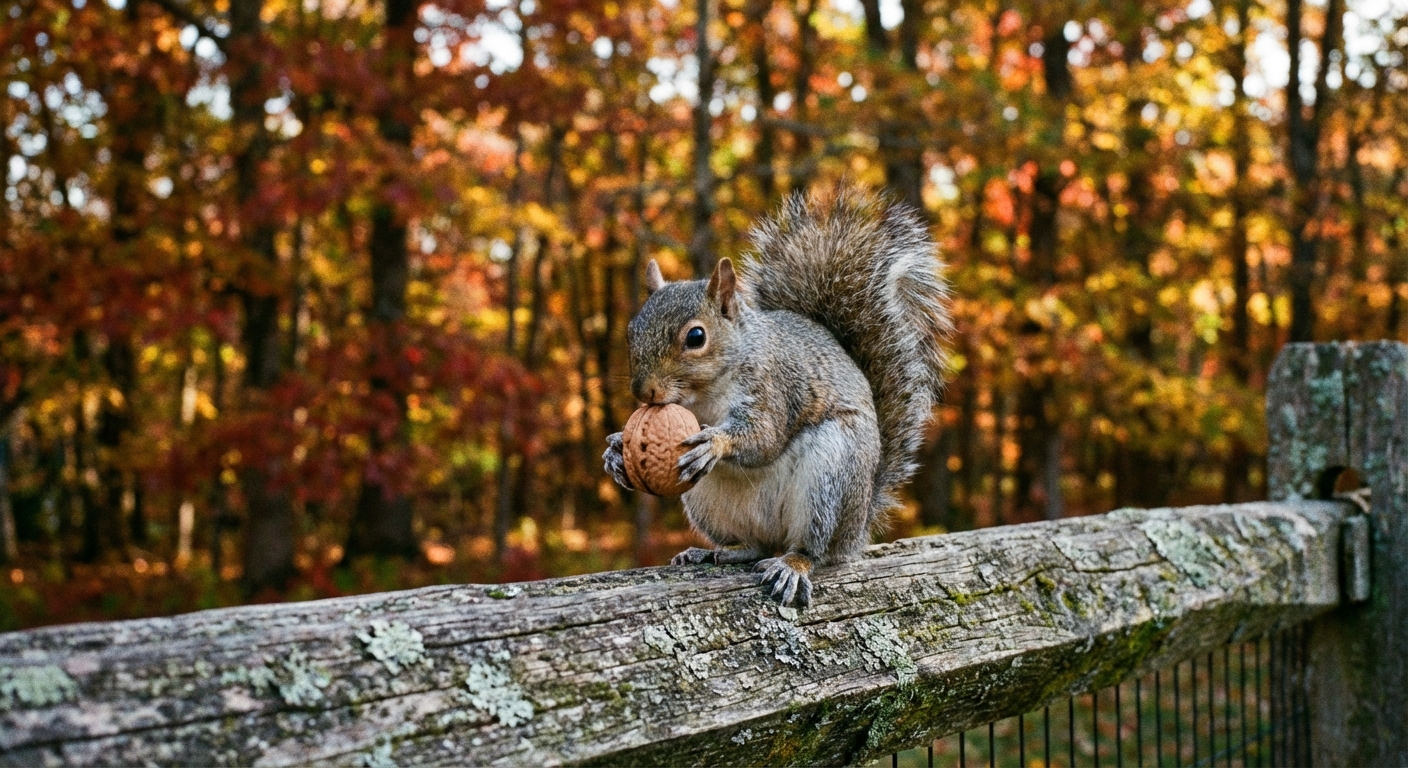
Feeding wildlife is a local issue. In some areas it is discouraged or regulated, and in others it is fine if it is done responsibly. If you are unsure, check guidance from your local or state or provincial wildlife agency. Even where it is allowed, squirrels can become a nuisance fast if food is unlimited or placed too close to the house.
- Keep it small: Think “snack,” not daily buffet.
- Keep it away from the home: Place any food or water as far from your house as practical (for many yards, that is roughly 20 to 30 feet).
- Prioritize water and natural forage: Often the best “home remedy” is hydration and better habitat.
- Stop if you see conflict: If squirrels start chewing, digging up bulbs nonstop, or attracting rats, pause feeding and adjust.
Quick safety note: Do not hand-feed. Keep feeding areas away from children and pets, and wash your hands after handling feeders or bowls.
Best “home remedies” (not heavy feeding)
1) A shallow water station
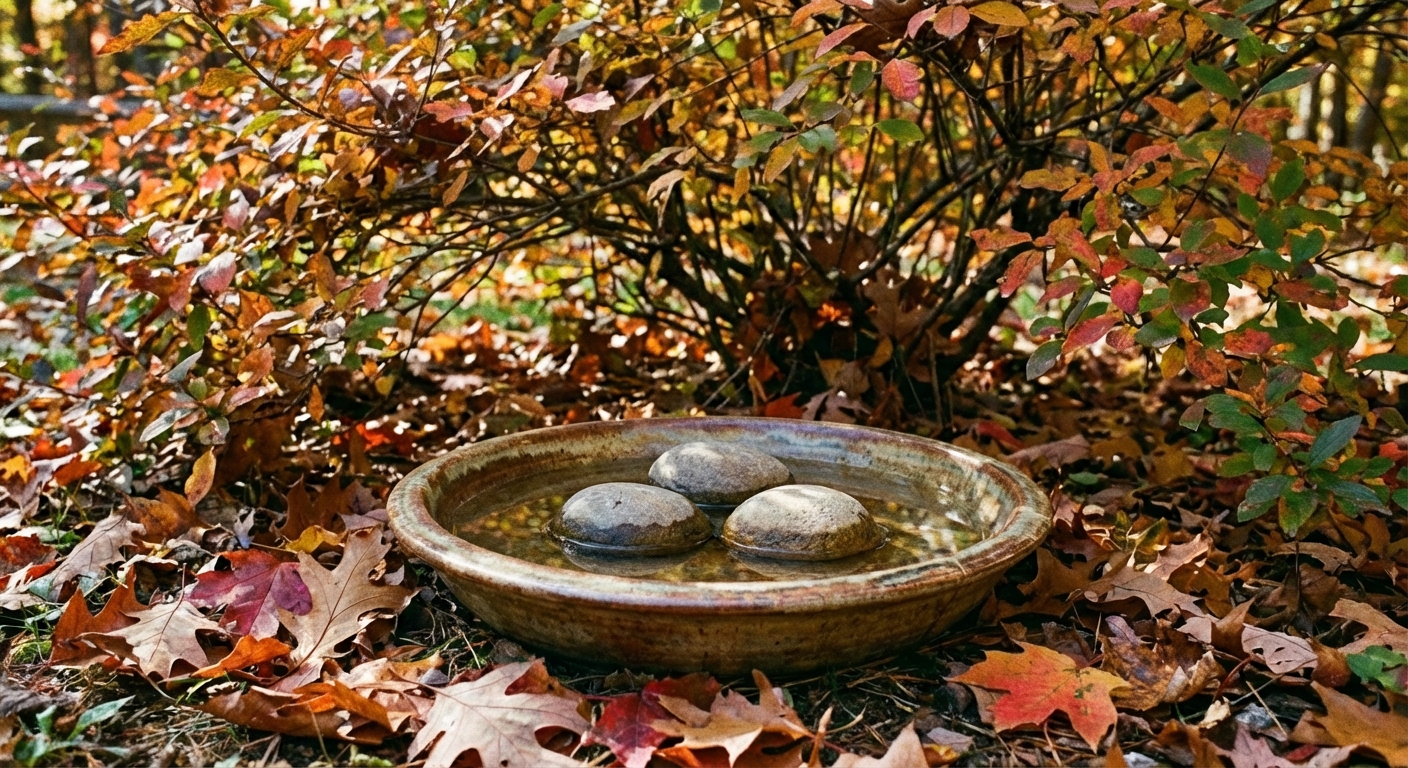
In hot weather and during freezes, water is often more helpful than extra food, especially when natural water sources dry up or ice over. Put out a shallow dish (1 to 2 inches deep) with a couple of stones so small animals can climb out easily. Change it daily in hot weather.
- Place it in shade to keep water cooler and slow algae growth.
- Scrub with hot, soapy water, then rinse well every few days.
- In winter, refresh with lukewarm water to delay freezing.
2) Offer natural browse, not processed snacks
One of the most backyard-realistic remedies is simply putting out foods that resemble what squirrels already eat: nuts in the shell, bits of fruit in season, and occasional vegetables. Skip bread, chips, and sugary treats.
3) Plant and prune for food sources
If you want a longer-term fix, plant or preserve food-producing trees and shrubs. Oaks, hickories, hazelnuts, and native berry shrubs can reduce conflict because squirrels forage naturally instead of begging at a feeder.
4) Keep feeding stations clean and simple
If you use a feeder, keep it simple and easy to disinfect. A “simple, consistent” feeder in one spot is better than scattering food all over, which trains squirrels to dig everywhere and can attract rodents.
Seasonal foods for squirrels
Squirrels shift diets with the seasons. Matching that pattern is one of the safest ways to help. The suggestions below fit most common tree squirrels found in North American backyards (like gray squirrels and fox squirrels). If you are dealing with ground squirrels, chipmunks, or squirrels in other regions, diets and local guidance can differ.
Spring: lean weeks and fresh growth
Spring can be lean coming out of winter, especially if last fall’s nut crop was poor or snow cover lingered. Squirrels are often foraging hard while trees and plants are just waking up.
- In-shell nuts (small amounts): walnuts, hazelnuts, pecans, acorns if you have them
- Fresh produce (tiny portions): apple slices, grapes (cut in half), carrots
- Natural yard options: fallen buds, seed heads, and safe twigs from pruning
Best practice: If you see squirrels hitting bird feeders hard in spring, offer a small portion of in-shell nuts far from the feeder. This can reduce pressure on bird seed without turning into constant feeding.
Summer: heat support and hydration
In hot weather, dehydration can be the bigger issue than calories. Summer offerings should be moisture-rich and quick to remove.
- Most helpful: a clean water dish in shade
- Fruit (sparingly): watermelon rind with a little flesh, berries, peach slices (no pit)
- Veg (often better for routine offering): cucumber chunks, zucchini slices, snap peas (lower sugar and less sticky mess than fruit)
If you are seeing flies or ants: Put out water first. If you also provide food, keep it to what they can finish quickly. Heat plus leftover fruit equals pests and smells.
Fall: caching season
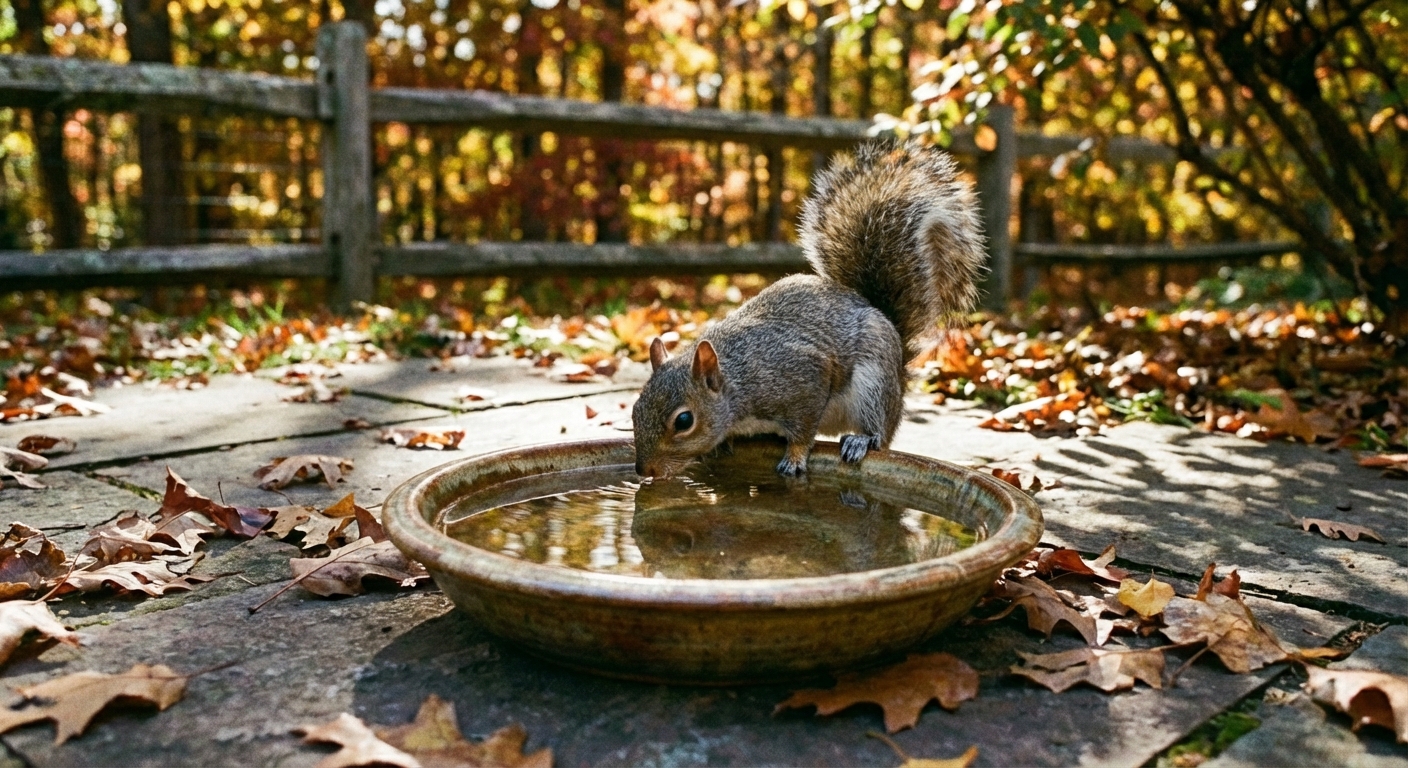
Fall is when squirrels stash food. This is the season where people accidentally overfeed because squirrels look frantic. They are supposed to be busy.
- In-shell nuts are ideal: acorns, walnuts, hickory nuts, hazelnuts
- Seeds (small amounts): sunflower seeds, pumpkin seeds (unsalted)
- Garden leftovers: a few pieces of winter squash or pumpkin (plain, raw is fine)
Seasonal tip: If you carve pumpkins, set a chunk of plain pumpkin away from the house for a day or two, then remove what is left. Do not leave it to rot.
Winter: calories, shelter, and safe access
In winter, squirrels need energy. If you choose to feed, this is the time when nuts make the most sense. Water may be frozen, so your water station matters again.
- Best foods: in-shell walnuts, pecans, hazelnuts
- Peanuts (optional): unsalted peanuts in the shell can be an occasional treat, not a main diet. Use only fresh, dry peanuts and discard anything that smells musty or looks damp (mold risk).
- Occasional extras: small apple chunks or carrots if temperatures allow (remove if it freezes into a mess)
- Best non-food help: brush piles, evergreen cover, and leaving some leaf litter under shrubs
Winter tip: Refresh water midday when it is warmest. Even a short window of liquid water can help more than extra food.
What not to feed squirrels
A lot of well-meant foods cause digestive upset, nutritional imbalance, or neighborhood pest problems.
- Bread, crackers, cookies: filler food with poor nutrition
- Salted or flavored nuts: excess salt and seasonings are not good for wildlife
- Chocolate or anything sweetened: avoid completely
- Milk: squirrels are not meant to drink cow’s milk
- Too much corn (especially if damp): overuse attracts rodents, and spoiled corn can mold
- Anything moldy, rancid, or spoiled: compost it instead
Nut safety reminder: Offer only unsalted, unseasoned nuts. Store nuts in a cool, dry place and do not put out anything that smells off or looks dusty, wet, or moldy.
How to feed without problems
Pick the right location
Place food and water near shrubs or trees for quick cover, but not right against your home. If squirrels associate your porch with food, they will test screens, soffits, and any weak spot.
Use in-shell nuts to slow them down
In-shell nuts are a practical trick because they take time to open. That means less frantic grabbing, fewer leftovers, and less chance of one squirrel hauling off a whole pile in two minutes.
Keep portions consistent and limited
A good rule is to put out what will be eaten in 30 to 60 minutes, then remove leftovers. This helps avoid attracting rats, raccoons, or neighborhood cats.
Clean up
Every few days, rake up shells and old scraps. If you are seeing ants, flies, or a sour smell, you are putting out too much or the wrong type of food for the season.
Bird-feeder conflicts
If your real goal is protecting bird seed, feeding squirrels is only one option, and not always the best one. A couple of proven fixes can reduce squirrel visits without increasing squirrel traffic overall:
- Add a baffle: Use a pole baffle or a hanging baffle to block climbing and jumping.
- Adjust placement: Keep feeders farther from launch points like fences, tree trunks, and deck rails.
- Use squirrel-resistant hardware: Weight-activated feeders or cages can help in persistent areas.
Simple seasonal “recipes”
These are easy mixes you can assemble from typical pantry and garden items. Keep portions small.
Summer hydration plate
- 2 cucumber chunks
- 1 small piece of watermelon rind with a little flesh
- Fresh water in a shallow dish nearby
Fall caching snack
- 2 to 4 in-shell nuts (walnut, hazelnut, pecan)
- A tablespoon of unsalted sunflower seeds (optional)
Winter calorie boost
- 3 to 5 in-shell nuts
- Lukewarm water refresh
When to stop feeding
Feeding is optional. Stop if any of these show up:
- Chewing damage to decks, screens, attic vents, or garden structures
- Aggressive behavior toward people or pets
- Rodents appear (rats or mice near the feeding area)
- Neighbors complain or you notice squirrels crossing roads more frequently
If you still want to help, switch to a water station only and focus on habitat improvements like native plantings and winter cover.
Quick FAQ
Do squirrels need help in winter?
Usually they are fine if they have habitat and natural food sources. In extreme cold or heavy snow cover, a little help can make a difference. Water access is often overlooked and can be genuinely useful.
Are peanuts okay?
Unsalted peanuts in the shell are okay as an occasional treat, not the main diet. Keep them dry and fresh, and discard any that smell musty or look damp (mold risk). Nuts like walnuts, hazelnuts, and pecans are a better staple choice if you are offering food.
Will feeding squirrels keep them out of my garden?
Sometimes a small, consistent snack placed away from your beds reduces digging. Sometimes it does the opposite and increases traffic. Start small, watch the results for two weeks, and adjust.
Bottom line
The most effective seasonal “home remedies” for squirrels are surprisingly simple: clean water, small amounts of season-appropriate food, and a yard that offers natural cover. Keep it minimal and keep it away from the house, and you can help squirrels through tough weather without creating a bigger problem for your garden.

Jose Brito
I’m Jose Britto, the writer behind The Country Store Farm Website. I share practical, down-to-earth gardening advice for home growers—whether you’re starting your first raised bed, troubleshooting pests, improving soil, or figuring out what to plant next. My focus is simple: clear tips you can actually use, realistic expectations, and methods that work in real backyards (not just in perfect conditions). If you like straightforward guidance and learning as you go, you’re in the right place.