Mushrooms in the yard can feel like they showed up overnight. One day your lawn looks normal, the next you have little umbrellas everywhere. The good news is most yard mushrooms are a sign of moisture plus decaying organic matter in the soil. That means you can usually reduce them with basic cleanup and a few simple changes.
What is normal vs. a problem? A few mushrooms after rain is common and usually harmless to the lawn. It becomes a “problem” when you are seeing frequent flushes in the same spots, you have kids or pets that might eat them, or you notice rings, soggy areas, or dying grass.
This guide walks you through seasonal home remedies that fit real backyard conditions, plus what to avoid if you have kids, pets, or a garden nearby.
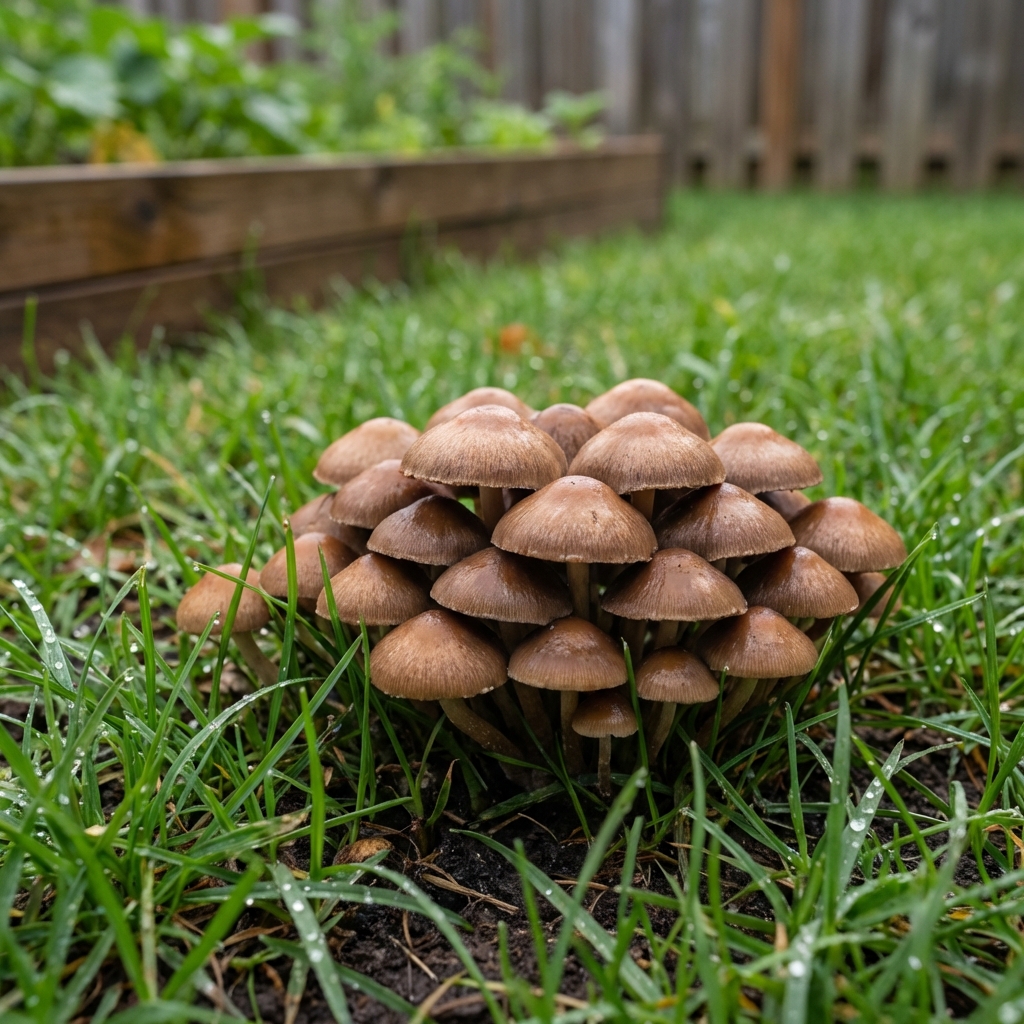
Why mushrooms pop up in lawns
Mushrooms are the fruiting bodies of fungi. The main fungus lives in the soil, feeding on things like:
- Old tree roots and buried wood
- Thatch buildup (dead grass and roots)
- Mulch that has drifted into turf, or fresh wood chips nearby
- Compacted, poorly drained soil that stays damp
- Pet waste left on the lawn (this can contribute, but it is usually not the main driver)
They tend to appear after rain, heavy irrigation, humid nights, or when the lawn stays shaded and cool. In many cases, the fungus is doing helpful work breaking down organic material. The downside is the mushrooms can be messy, smelly, and risky if a child or pet eats them.
Quick safety notes (especially for pets and kids)
- Do not eat any wild mushroom from your yard. Many are harmless, some are not, and it is difficult to tell the difference.
- If you have dogs that like to taste everything, pick mushrooms as soon as you see them and bag them. If you cannot supervise, consider temporarily fencing off the area until you get the flush under control.
- Skip broad “homebrew” sprays over the whole lawn. You want spot control and moisture control, not scorched grass.
- If ingestion happens, call your vet or a local poison control resource right away and take a clear photo of the mushroom. (US Poison Control: 1-800-222-1222.)
Spring: stop the first flush
Spring mushrooms usually show up when the ground is warming, but the soil is still holding moisture from winter. This is the season to focus on airflow, cleanup, and drying the surface.
Home remedies that work in spring
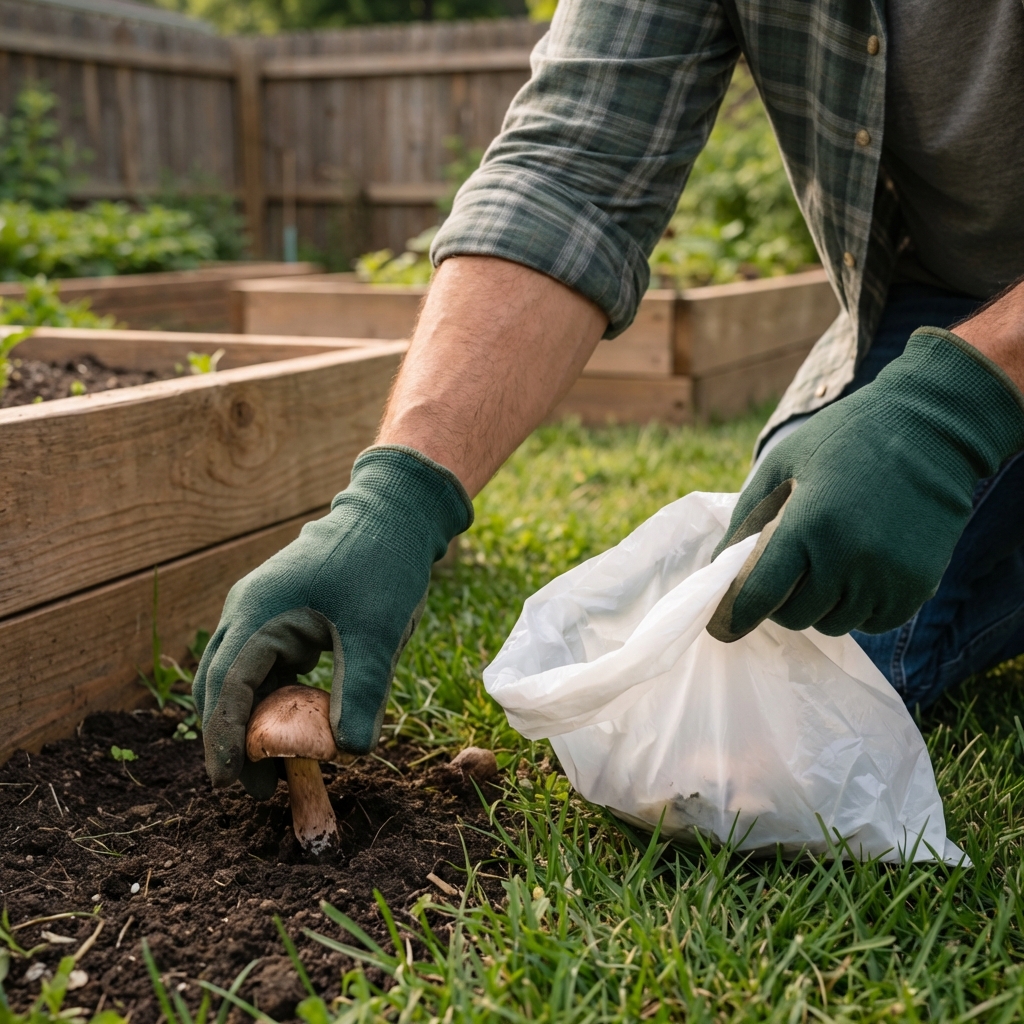
- Hand-pick and bag: Pull or twist mushrooms at the base, then bag and trash them. Do not compost. This will not remove the underground fungus, but it does reduce mess and lowers the chance of kids or pets getting to them. Picking them earlier also helps keep the yard tidier before they fully mature.
- Rake out debris: Rake up twigs, leaves, and matted grass. Anything rotting on the surface feeds fungi.
- Improve sun and airflow: Trim low branches and thin dense shrubs if the area stays damp all day.
- Switch to morning watering: If you irrigate, water early so the lawn dries fast.
Spring spot treatment: vinegar (use with care)
Vinegar may help desiccate individual mushrooms, but it is non-selective and can damage grass and nearby plants. Results can be inconsistent, and drift or runoff can still burn turf. If you use it, keep it controlled:
- Start mild: mix 1 part white vinegar with 1 part water in a spray bottle.
- Apply a small amount directly to the mushroom on a calm day. Avoid spraying the surrounding turf.
- Recheck in 24 hours and remove the shriveled mushrooms.
If you see browning grass around the treated spot, stop and stick to removal and drying instead. For many yards, the best “home remedy” is simply picking, bagging, and fixing moisture.
Summer: reduce humidity and overwatering
In summer, mushrooms often show up after thunderstorms, in overwatered lawns, or in areas with heavy shade. Heat alone does not stop fungi if the soil stays wet, and fruiting can still happen when conditions are right.
Home remedies that work in summer
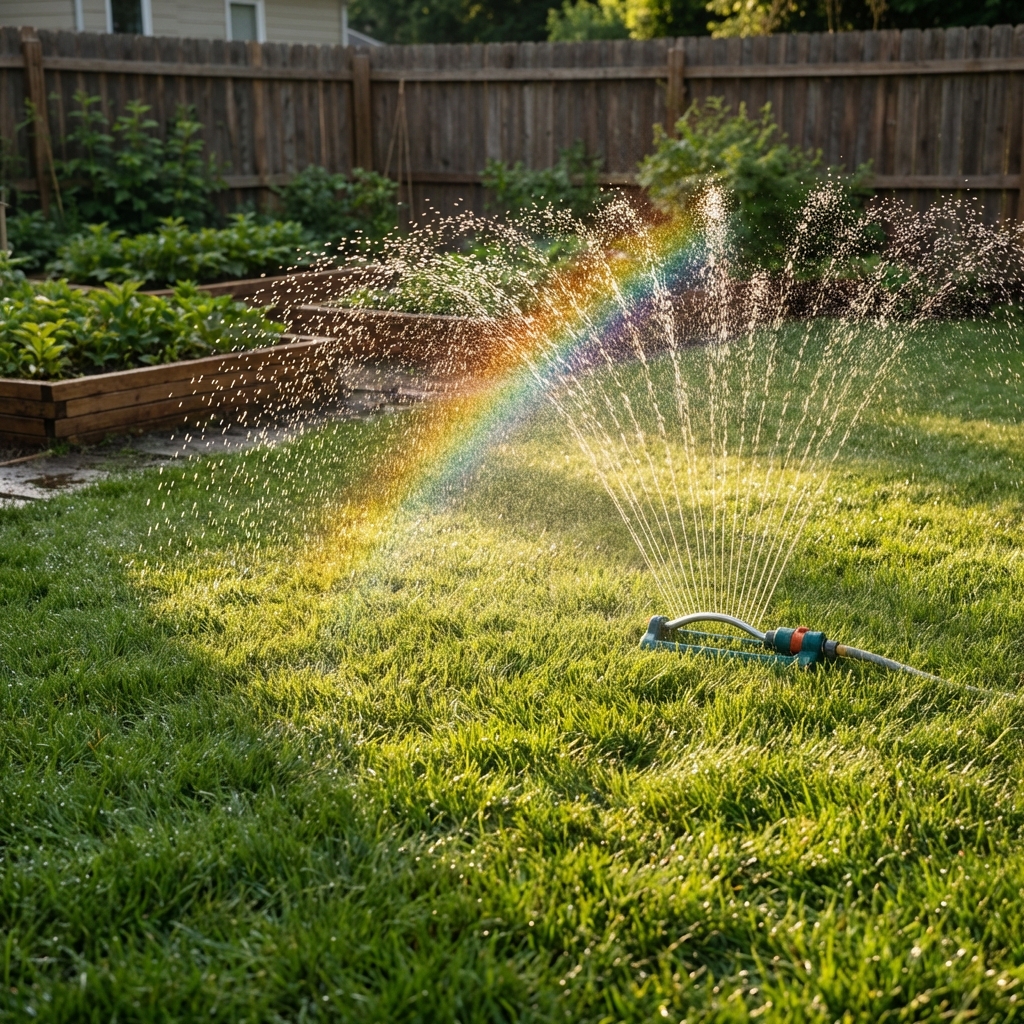
- Cut back irrigation: As a general rule, many established lawns do well with about 1 inch of water per week total, including rain. Your soil type, grass type, and weather can change that. More water than your lawn needs often means more mushrooms.
- Water deeper, less often: Shallow daily watering keeps the surface damp, which fungi love.
- Mow a bit higher: Taller grass strengthens roots. Aim for your grass type’s recommended height and avoid scalping, which can stress the lawn and increase thatch.
- Pick up pet waste promptly: It is mostly a hygiene issue, but it also adds organic material and moisture that can contribute to fungal activity.
Summer soil fix: reduce compaction
If mushrooms keep returning in the same area, your soil may be compacted. Compaction holds moisture and reduces oxygen.
- Core aerate (best) during your grass’s growing season.
- Top-dress lightly with compost after aeration if your lawn needs help, but do not overdo it. Too much fresh organic matter can feed fungi short term.
Fall: the big mushroom season
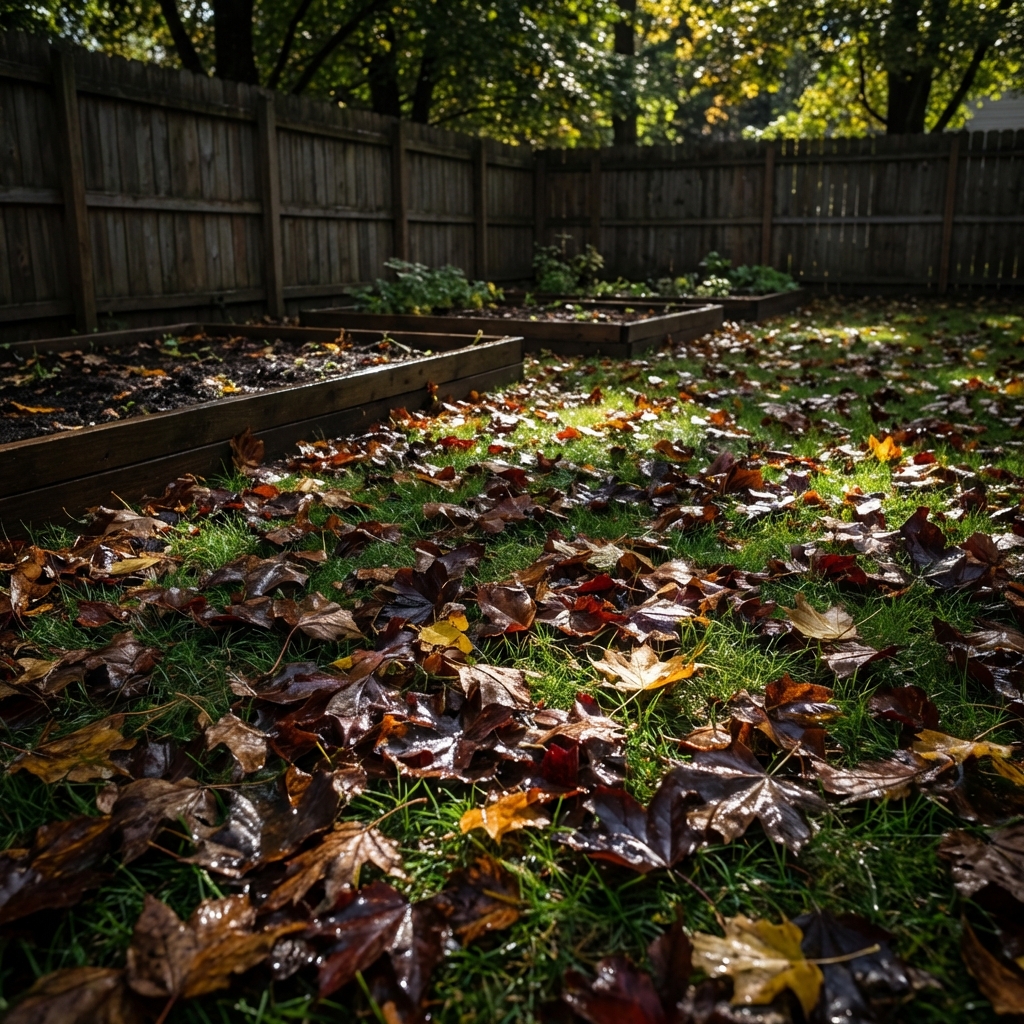
Fall is prime time for mushrooms because nights get cool, dew is heavy, and leaves drop fast. This is when many homeowners see the biggest flush.
Home remedies that work in fall
- Leaf cleanup is your best remedy: Do not let leaves mat down. Mulch-mow them finely or rake and remove weekly.
- Watch mulch and wood chips: Fresh mulch and wood chips in landscape beds often sprout mushrooms. They can spread into nearby turf as moisture and organic material build up.
- Remove buried wood when possible: If you had a tree removed, you might have old roots or wood chips under the turf. Mushrooms can keep appearing for years as that material decomposes.
- Dethatch if needed: If your lawn has a thick spongy layer, dethatching reduces food for fungi and improves drying.
- Improve drainage in low spots: Simple regrading, adding soil, or installing a French drain can make a stubborn mushroom patch finally stop.
Home remedy for slime molds and “dog vomit” fungus
In fall you may also see bright yellow or tan blobs that look like foam. They are usually harmless and often go away on their own. If you want them gone:
- Rake them up gently.
- Bag and trash.
- Reduce irrigation and let the surface dry.
Winter: prevention and planning
In many climates, winter slows mushroom activity, but the conditions that cause mushrooms are often created now: soggy soil, poor drainage, and lots of organic material sitting in place.
Home remedies that work in winter
- Keep the surface clear: Remove leaf piles, fallen branches, and thick mulch that has crept into the lawn edge.
- Avoid watering dormant grass unless you are in a warm winter climate that truly needs it.
- Mark problem spots: Take notes on where mushrooms appear. Those are the places to aerate, level, or prune for sun when spring hits.
Long-term fixes that keep mushrooms from coming back
Home remedies help you remove what you see. Long-term fixes help you stop the repeat outbreaks. If you are seeing mushrooms every week in the same area, start here.
1) Fix the moisture issue
- Water in the morning.
- Check downspouts and drainage routes.
- Fill low spots that stay soggy.
- Consider aeration for compacted soil.
2) Reduce the food source
- Remove leaves promptly in fall.
- Keep thatch under control.
- Rake out dead patches and reseed if needed.
- If you find buried wood or old roots during digging, remove what you reasonably can.
- Keep mulch in beds, not in the grass. Avoid piling fresh wood chips against turf edges.
3) Add light and airflow
Shady, damp corners are mushroom magnets. Pruning can be a bigger “cure” than any spray.
4) Know what sprays can and cannot do
Fungicides are rarely recommended for typical lawn mushrooms because they treat the symptom, not the underlying organic matter and moisture. Even when they reduce mushrooms temporarily, the fungus often returns until you fix drainage, shade, and buildup.
5) Accept a little fungus is normal
A few mushrooms after a rainy week does not mean your lawn is failing. Think of it like a signal: the soil is moist and there is organic matter breaking down. Your job is to decide whether it is just occasional, or a symptom of drainage and shade problems that need attention.
What not to do
- Do not rely on bleach: It can harm grass, soil life, and nearby plants, and it does not solve the underlying issue.
- Do not over-apply baking soda: It can change soil chemistry and damage turf.
- Do not spread strong vinegar over the whole lawn: It can burn grass and create bare spots that invite weeds.
- Do not ignore recurring fairy rings: If you see dark green rings, mushrooms in a circle, or dead grass in arcs, it can be a sign of deeper fungal mats. Soil water repellency is also common with fairy ring fungi, though not every ring causes it. Aeration and soil-wetting strategies usually help more than surface treatments.
FAQ
Are mushrooms in my yard a sign of overwatering?
Often, yes. They can also show up after heavy rain, in shaded areas, near fresh mulch or wood chips, or where the soil is compacted and drains slowly.
Will picking mushrooms make them go away?
Picking removes the part you see, but the fungus is still in the soil. To reduce repeat flushes, focus on drying and removing the food source. Still, picking is worth it for safety and cleanliness.
Is dish soap a good home remedy for mushrooms?
Dish soap is sometimes used as a surfactant, but it is unreliable for mushroom control and can stress grass if mixed too strong. You will get better results from removal, drainage fixes, and careful watering.
When should I call a professional?
If you have repeated large outbreaks, persistent fairy rings, mushrooms tied to serious drainage issues, or you need grading and drainage work, a lawn professional can help with aeration, leveling, and targeted soil management.
A simple seasonal checklist
- Spring: pick and bag, rake debris, switch to morning watering, spot-treat carefully if needed.
- Summer: reduce irrigation, water deep and infrequent, aerate compacted spots.
- Fall: stay on top of leaves, keep mulch under control, dethatch if needed, address drainage and buried wood.
- Winter: keep surfaces clear, avoid unnecessary watering, plan pruning and soil work.
If you want the most “home remedy” approach that works year-round, it is this: keep the lawn dry on the surface and remove what is rotting. Everything else is just a helper.

Jose Brito
I’m Jose Britto, the writer behind The Country Store Farm Website. I share practical, down-to-earth gardening advice for home growers—whether you’re starting your first raised bed, troubleshooting pests, improving soil, or figuring out what to plant next. My focus is simple: clear tips you can actually use, realistic expectations, and methods that work in real backyards (not just in perfect conditions). If you like straightforward guidance and learning as you go, you’re in the right place.