Dark mold has a way of showing up right when the weather shifts. Spring humidity, summer storms, fall leaf season, and winter condensation all create the same basic problem: moisture hangs around long enough for mold to grow.
This page walks you through home remedies that are often effective for small spots, what to avoid, and a simple seasonal routine to help keep mold from returning. It stays practical and realistic for normal homes and busy schedules.
Quick note: You cannot identify a specific mold type by sight. If you have a large area, hidden moisture, sewage contamination, or HVAC involvement, it is worth bringing in a qualified professional.
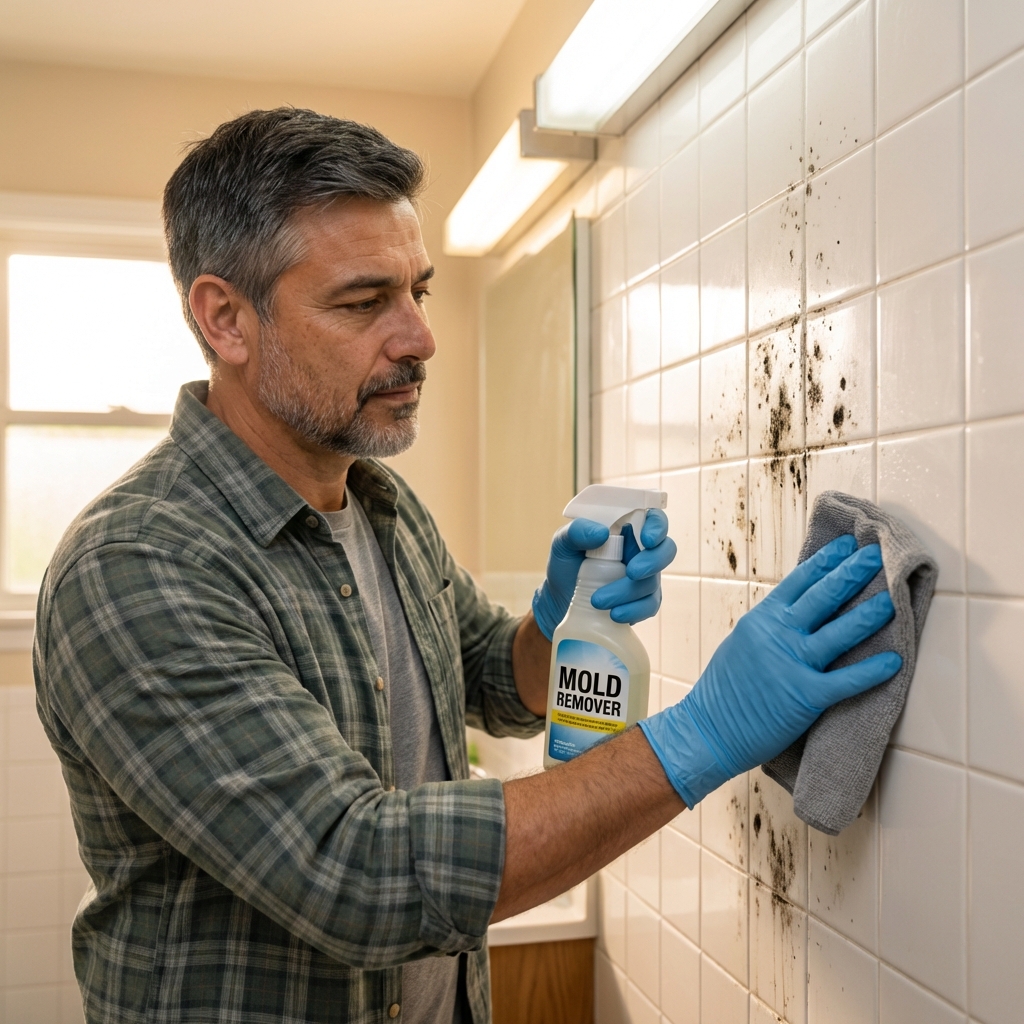
Before you clean: safety first
Not all dark mold is the same, and you cannot identify a specific mold type by sight. The good news is that the basic cleanup approach is similar for many small household situations. The key is doing it safely and knowing when not to DIY.
Use home remedies only for small areas
- DIY cleanup is often recommended only for small patches, roughly under 10 square feet total (total area, not per spot). This aligns with common public guidance such as EPA recommendations for small areas.
- Call a pro if mold keeps returning quickly, you smell mold in walls or HVAC, there is water damage, or anyone in the home has asthma, immune issues, or severe allergies.
When not to DIY
- Sewage or black water backup, or floodwater contamination
- HVAC contamination (inside ducts, air handler, or you smell mold when the system runs)
- Widespread growth across walls or ceilings, or more than about 10 square feet total
- Wet materials you cannot dry fast (for example, soaked drywall insulation)
Basic protective gear
- N95 or KN95 mask
- Gloves (nitrile or rubber)
- Eye protection
- Old clothes you can wash in hot water right after
Ventilation matters
Open windows if possible and run the bathroom fan or a box fan exhausting outdoors. You want spores and fumes moving out, not deeper into the house.
Why mold spikes by season
Mold needs moisture, a food source, and time. The food source is almost everywhere, including soap scum, drywall paper, wood, dust, and fabric.
- Spring: warmer air meets cool surfaces, plus more rain and higher humidity.
- Summer: AC creates cold surfaces, storms bring leaks, and bathrooms stay damp longer.
- Fall: wet leaves, clogged gutters, and reduced ventilation as windows stay shut.
- Winter: condensation on windows and exterior walls, humidifiers running too high, and less fresh air.
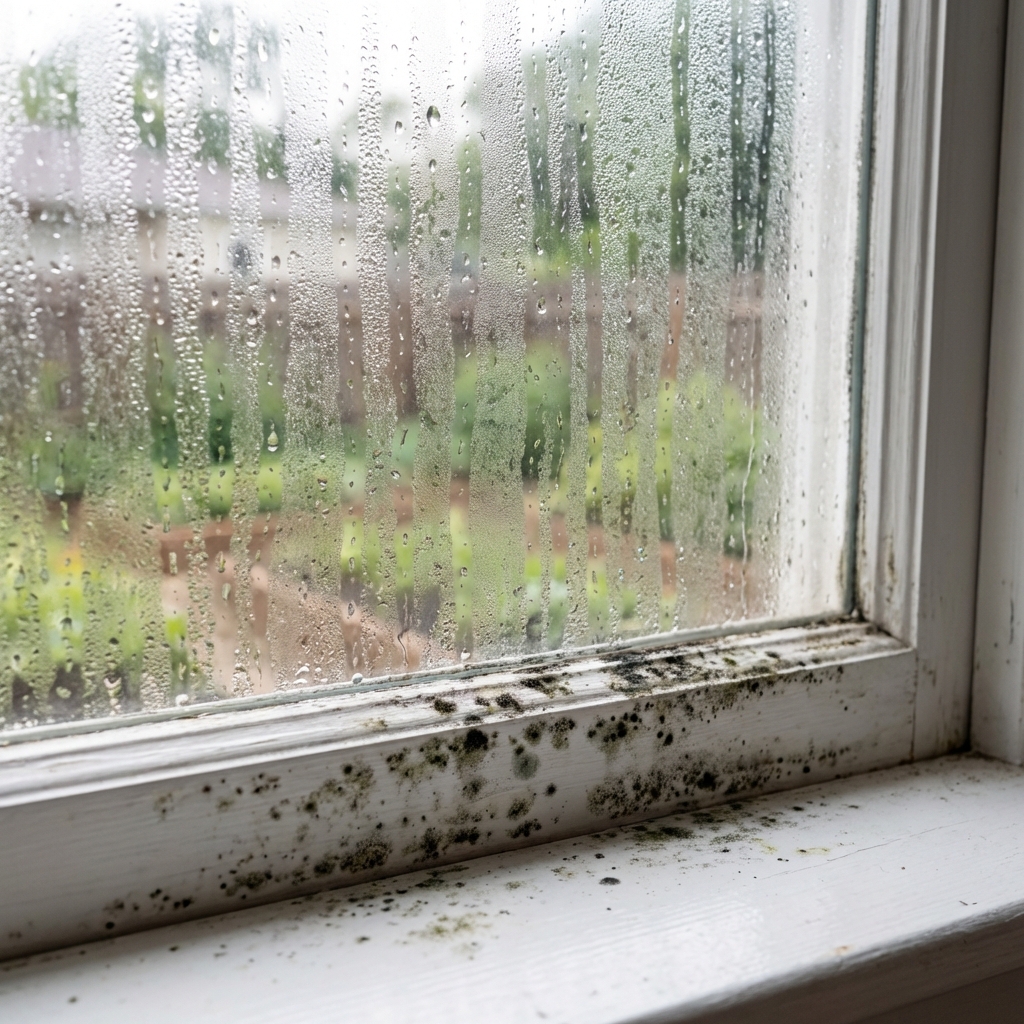
Home remedies that often work for small spots
There is no single magic spray. The best approach is: remove grime first, apply the right cleaner, give it dwell time, then dry the area thoroughly. These methods are mainly for non-porous surfaces like tile, glass, and sealed surfaces. Porous materials like drywall, carpet, and insulation are a different story and often need removal if mold has penetrated.
1) Soap and water (step zero)
On many surfaces, the most important first step is washing away the top layer of dirt and soap scum. Mold loves that buildup.
- Mix warm water with a few drops of dish soap.
- Scrub the area, rinse, and wipe dry.
2) White vinegar spray (good all around for light to moderate growth)
Plain distilled white vinegar is often effective on many non-porous surfaces for small areas.
- Fill a spray bottle with undiluted white vinegar.
- Spray the area until fully wet.
- Let it sit 30 to 60 minutes.
- Scrub, wipe clean, then rinse if you want.
- Dry completely with a towel and, if possible, a fan.
Good for: tile, grout (light staining), sealed countertops, shower walls, some window frames.
3) Baking soda paste (scrubbing, deodorizing, grout)
Baking soda is gentle and useful where you need scrubbing power without harsh fumes.
- Make a paste with baking soda and a little water.
- Apply, scrub with a brush, rinse, and dry.
- Optional: follow with vinegar after rinsing, not at the same time.
Good for: grout lines, shower corners, sink caulk edges (if caulk is still intact), plastic surfaces.
4) Hydrogen peroxide (3%) for stubborn spots on non-porous surfaces
Standard 3% hydrogen peroxide can help with darker staining. It tends to work faster than vinegar, which is why the dwell time is shorter.
- Spray 3% hydrogen peroxide on the area.
- Let sit 10 to 15 minutes.
- Scrub, wipe clean, rinse, and dry.
Note: Spot test first. It can lighten some materials.
5) Borax solution (a prevention aid on some surfaces)
Borax is sometimes used as a prevention aid to help discourage regrowth on certain washable surfaces. It is not a guarantee, and the residue is not appropriate everywhere.
- Mix about 1 cup borax into 1 gallon of warm water.
- Apply and scrub, then wipe up excess.
- If the surface tolerates it, you can skip heavy rinsing. Leaving a light residue may help discourage regrowth.
- Keep borax away from kids and pets, and store it clearly labeled.
What not to mix
- Do not mix bleach with vinegar, ammonia, or other cleaners. Dangerous fumes can form.
- Do not mix vinegar and hydrogen peroxide and do not store them combined. Mixing can form peracetic acid, which can irritate eyes, skin, and lungs and can be corrosive.
Fix the moisture source
Cleaning helps, but moisture control is what breaks the cycle. If mold keeps coming back, assume water is still winning somewhere.
- Find leaks: check under sinks, around toilets, behind the fridge, around tubs, and at window corners.
- Dry wet areas fast: aim to dry wet building materials within 24 to 48 hours to reduce mold risk.
- Use fans and dehumidifiers: keep indoor humidity ideally 30% to 50%. At minimum, try to keep it under 60%, which aligns with common indoor air guidance.
- Do not trap mold: do not paint, caulk, or cover over active mold. Clean and dry first, then repair.
Season-by-season plan
Spring: humidity wakes mold up
Spring is when small problems become visible. This is your best season to get ahead of it.
- Target areas: bathroom ceilings, window frames, basement corners, under-sink cabinets.
- Home remedy: vinegar spray on non-porous surfaces, baking soda paste for grout.
- Prevention habit: keep indoor humidity around 30% to 50% when you can (and under 60% at minimum). If you have a basement, a dehumidifier often pays for itself in fewer headaches.
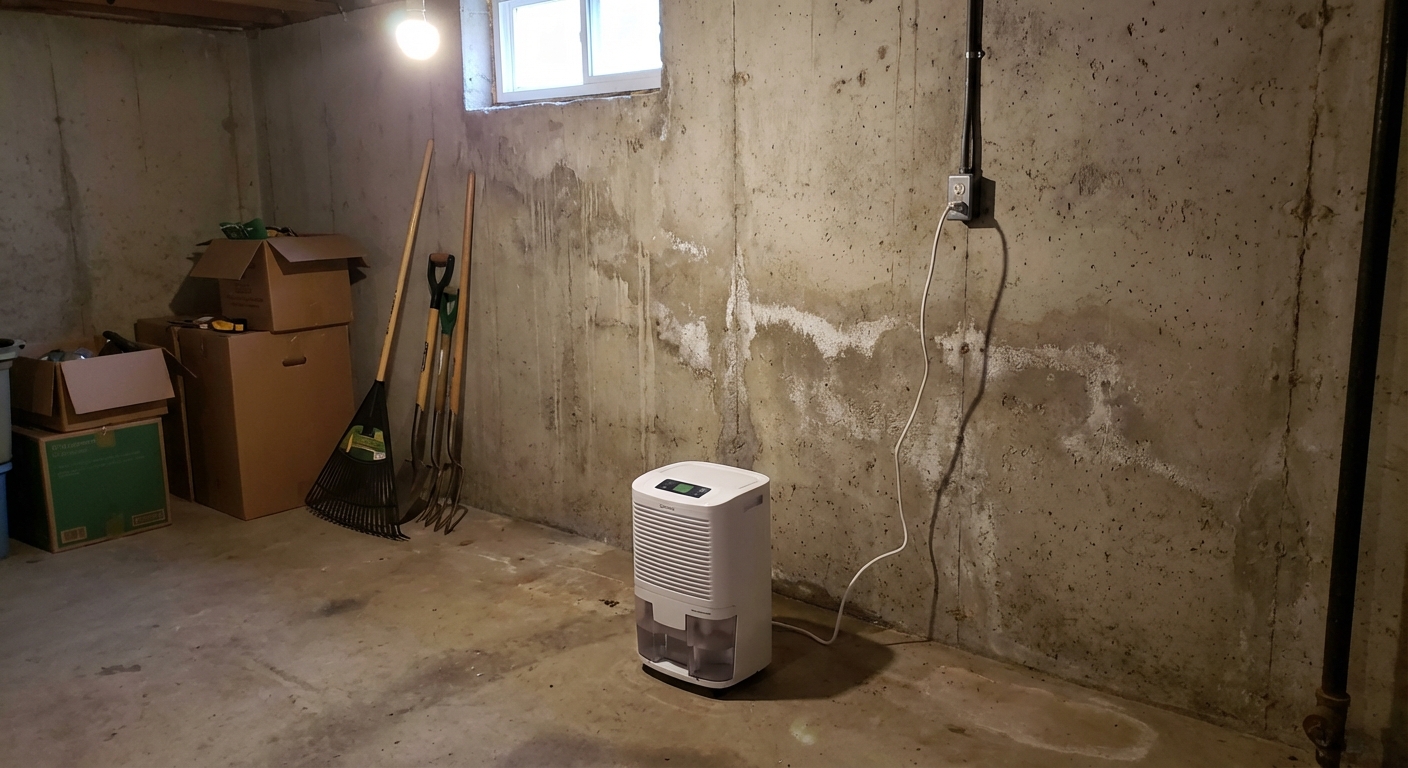
Summer: storms, AC, damp bathrooms
Summer mold is usually about water events and constant dampness. Think leaks, sweaty pipes, and bathrooms that never quite dry.
- Target areas: AC vents and returns (surface dust), behind toilets, shower caulk, around tub edges, near sump pumps.
- Home remedy: soap-and-water scrub first, then hydrogen peroxide for stubborn spots on non-porous surfaces.
- Prevention habit: run the bathroom fan for 20 to 30 minutes after showers. If your fan is weak, crack the door and use a small fan to move air out.
- After storms: dry wet areas within 24 to 48 hours to reduce mold risk.
Fall: gutters, leaves, closed windows
Fall is sneaky. You stop airing the house out, but outdoor moisture is still high. Clogged gutters can push water into basements and crawlspaces.
- Target areas: basement rim joists, crawlspace entry points, window wells, attic around vents.
- Home remedy: vinegar or borax solution on washable surfaces, plus a serious drying step.
- Prevention habit: clean gutters and confirm downspouts carry water away from the foundation.
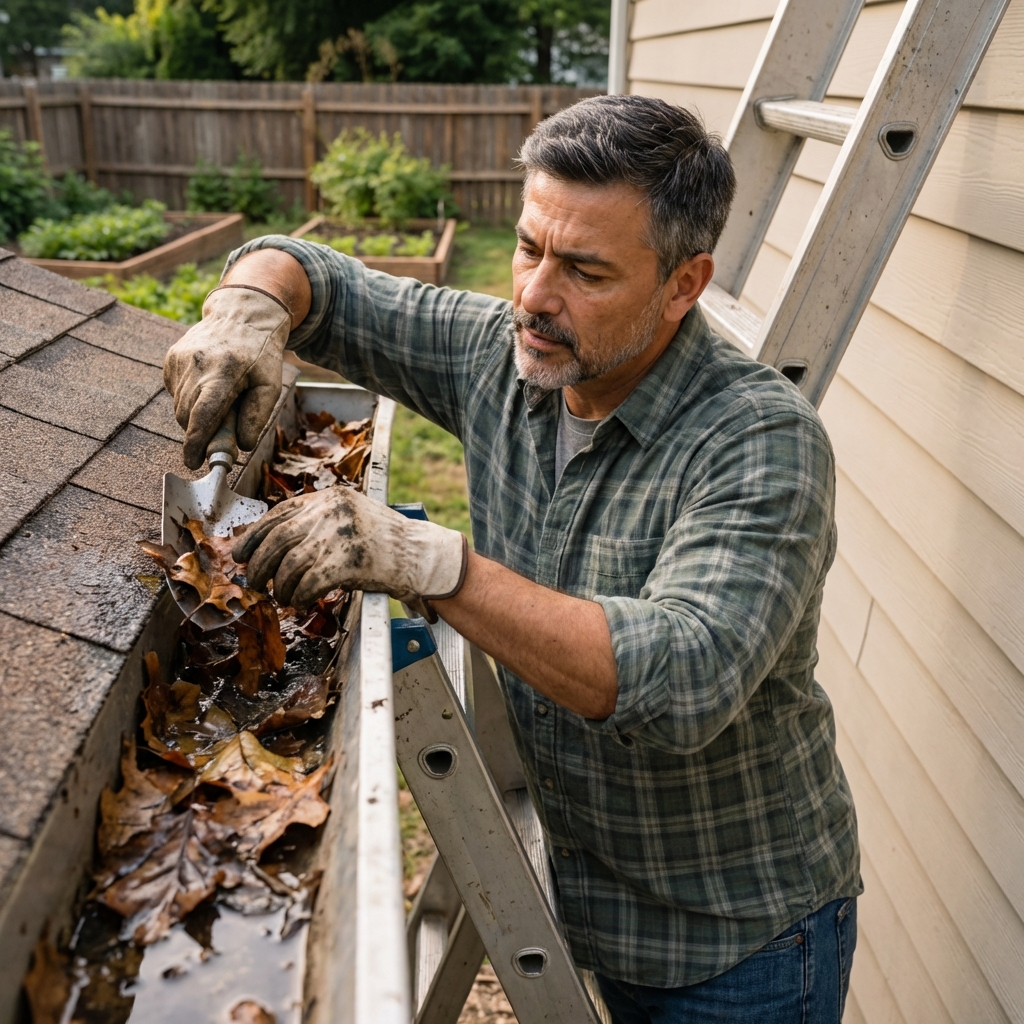
Winter: condensation is the main culprit
In winter, you can get mold without a leak. Warm indoor air hits cold glass and exterior walls, then water forms.
- Target areas: window sills, corners behind furniture on exterior walls, closets on outside walls.
- Home remedy: vinegar spray for routine wipe-downs, baking soda for odor and light staining.
- Prevention habit: keep airflow. Pull furniture a few inches off exterior walls and avoid over-humidifying.
- Quick win: wipe window condensation in the morning and run a fan for a few minutes.
Room-by-room quick fixes
Bathroom
- Remove shower curtain liners that smell musty or have deep staining.
- Scrub grout with baking soda paste, then rinse and dry.
- Vinegar spray after cleaning can help slow regrowth on non-porous surfaces.
- If mold is under or inside caulk, the realistic fix is often remove and re-caulk. Do not caulk over active growth.
Kitchen
- Check under the sink for slow leaks and damp particleboard.
- Clean visible spots with vinegar or peroxide on non-porous surfaces.
- If cabinet material is swollen, crumbly, or delaminating, it is often beyond a wipe-down.
Basement
- Run a dehumidifier and aim for under 50% humidity (and under 60% at minimum).
- Do not store cardboard directly on the floor or against concrete walls.
- For small spots on concrete, scrub with borax solution and dry with airflow.
Windows and sills
- Wipe condensation regularly.
- Clean frames with vinegar, then dry thoroughly.
- Consider insulating curtains or a window film if condensation is constant.
When to toss it instead of cleaning
This is where many people waste time. Mold that penetrates porous material is hard to truly remove with household cleaners.
- Drywall: if it is soft, swollen, or moldy behind paint, plan on removal and repair.
- Ceiling tiles: usually replace.
- Carpet and padding: if water sat more than a day or two, replacement is often the safest call.
- Upholstery and mattresses: small surface spots may be treatable, but deep musty odor often means the growth is inside.
Simple prevention routine
If you want fewer flare-ups, focus on a routine you will actually do.
- Weekly: squeegee shower walls or towel-dry trouble spots; empty bathroom trash; check for drips under sinks.
- Monthly: vinegar wipe-down of shower corners and window sills; wash bath mats and shower liners.
- Seasonal: spring and fall humidity check, gutter check, and a quick inspection of basement corners and around windows.
Most homes do not need harsh chemicals every week. They need moisture control and consistent drying.
FAQ
Is bleach a good home remedy for black mold?
Bleach can remove surface staining on some non-porous materials, but it is not a great all-purpose option for porous surfaces and the fumes can be rough. For most small household jobs, vinegar, peroxide, and good drying habits are usually more practical.
How long does it take for mold to come back?
If the moisture problem is still there, it can return within days. If you fix the moisture and keep the area dry, many spots will not return at all.
What is the fastest way to stop regrowth?
Dry the area thoroughly and reduce humidity. Cleaning helps, but drying is what breaks the cycle.
Bottom line
Seasonal mold is usually a moisture pattern, not a mystery. Clean small spots with a sensible home remedy, then put most of your energy into drying and preventing the next round. If you are dealing with recurring mold, hidden moisture, HVAC involvement, sewage contamination, or a larger affected area, it is worth bringing in a professional to find the source.

Jose Brito
I’m Jose Britto, the writer behind The Country Store Farm Website. I share practical, down-to-earth gardening advice for home growers—whether you’re starting your first raised bed, troubleshooting pests, improving soil, or figuring out what to plant next. My focus is simple: clear tips you can actually use, realistic expectations, and methods that work in real backyards (not just in perfect conditions). If you like straightforward guidance and learning as you go, you’re in the right place.