Fleas are not just a summer problem. They respond to temperature, humidity, wildlife traffic, and the cozy spots in your home where pets nap. The most “natural” flea plan that actually works is not one magic spray. It is a simple routine that changes with the season and hits the whole flea life cycle: adults on the dog, eggs that drop into bedding and carpets, larvae that hide in dust, and pupae that can wait for weeks.
This guide walks you through home remedies and natural methods you can use season by season, plus the cleaning and yard steps that make or break results.
Image note: Add a valid image URL before publishing.
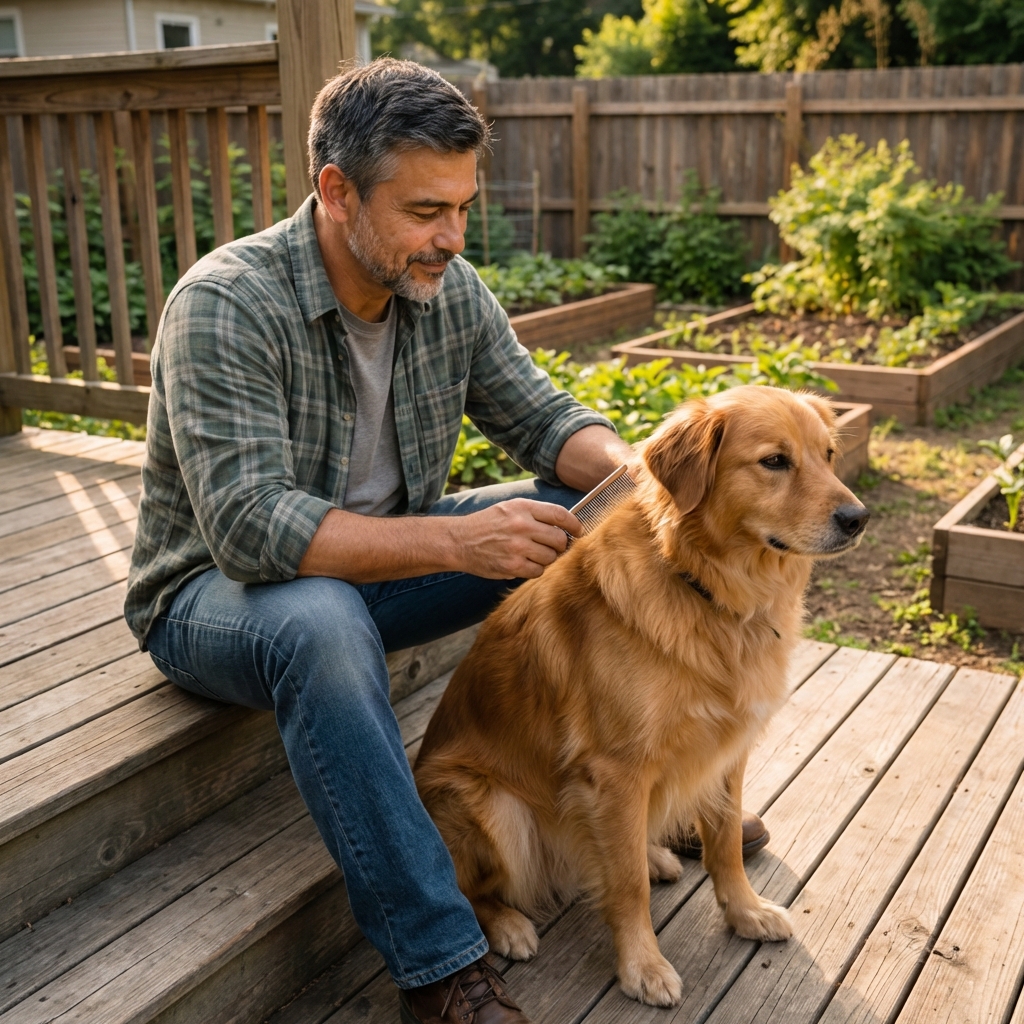
At a glance: what to do now
- Today: flea comb test, then comb for 5 to 10 minutes; wash pet bedding; vacuum pet zones.
- This week: repeat vacuuming and laundry heat several times; comb daily if you are seeing fleas.
- This month: stay on a maintenance rhythm (weekly bedding wash, regular vacuuming), and address shaded yard spots if your dog picks up fleas outside.
First: know what you are fighting
When you see fleas, you are usually seeing only a small slice of the problem. In many infestations, most fleas are off the dog, living as eggs, larvae, and pupae in the environment.
- Adult fleas live on the dog and start feeding quickly.
- Eggs fall off into bedding, rugs, cracks in floors, and car seats.
- Larvae avoid light and hide deep in carpet fibers and dust.
- Pupae are protected in a cocoon and can wait until vibrations and warmth signal a host.
That is why a single bath can look promising on day one, then fleas seem “back” a week later. You are seeing new adults emerging.
Quick safety notes before you try home remedies
Natural does not automatically mean safe for dogs. A few guardrails keep you out of trouble:
- Skip essential oils on dogs unless your vet specifically okays one. Tea tree, pennyroyal, clove, cinnamon, wintergreen, and many others can be toxic, especially to small dogs and puppies.
- Do not use garlic or onion as a flea remedy. They can cause anemia in dogs.
- Avoid “homemade flea collars” soaked in oils or unknown mixtures.
- Puppies, seniors, pregnant dogs, and dogs with skin issues need extra caution. If your dog is itchy to the point of sores, talk to your vet.
If your dog seems weak, gums look pale, or you see heavy flea dirt, fleas can do more than cause itching. Heavy infestations can contribute to flea-related anemia, especially in puppies and small dogs. Contact your vet promptly.
If you have multiple pets: plan to address them all at the same time (and their shared spaces), even if only one is scratching. Otherwise fleas can keep cycling through the household.
How to check if it is fleas (and track progress)
Before you start treating everything, confirm what you have and create an easy way to measure improvement.
Do the “flea dirt” towel test
- Comb your dog with a flea comb over a white paper towel.
- Look for black specks.
- Drop a few specks on the towel and add a little water.
- If it turns reddish brown, that is digested blood and strongly suggests fleas.
Repeat this test every few days after you begin your routine. If the specks keep dropping, the environment still needs work.
If the test is negative
If you do not find flea dirt but your dog is still very itchy, consider other causes like mites, contact irritation, or allergies. A vet visit can save time (and your dog’s skin) if you are unsure.
Season-by-season natural flea plan
The best timing depends on your climate, but the rhythm stays the same: prevent in cooler months, get aggressive during warm humid stretches, and reset the house after peak season.
Image note: Add a valid image URL before publishing.
Spring: start early before the population explodes
Spring is when many homes get caught off guard. A few adult fleas hitch a ride in, and within weeks you have eggs in the carpet.
- Comb weekly. Comb for 5 to 10 minutes, especially around the tail base, belly, and neck. Drop anything you catch into a cup of warm soapy water.
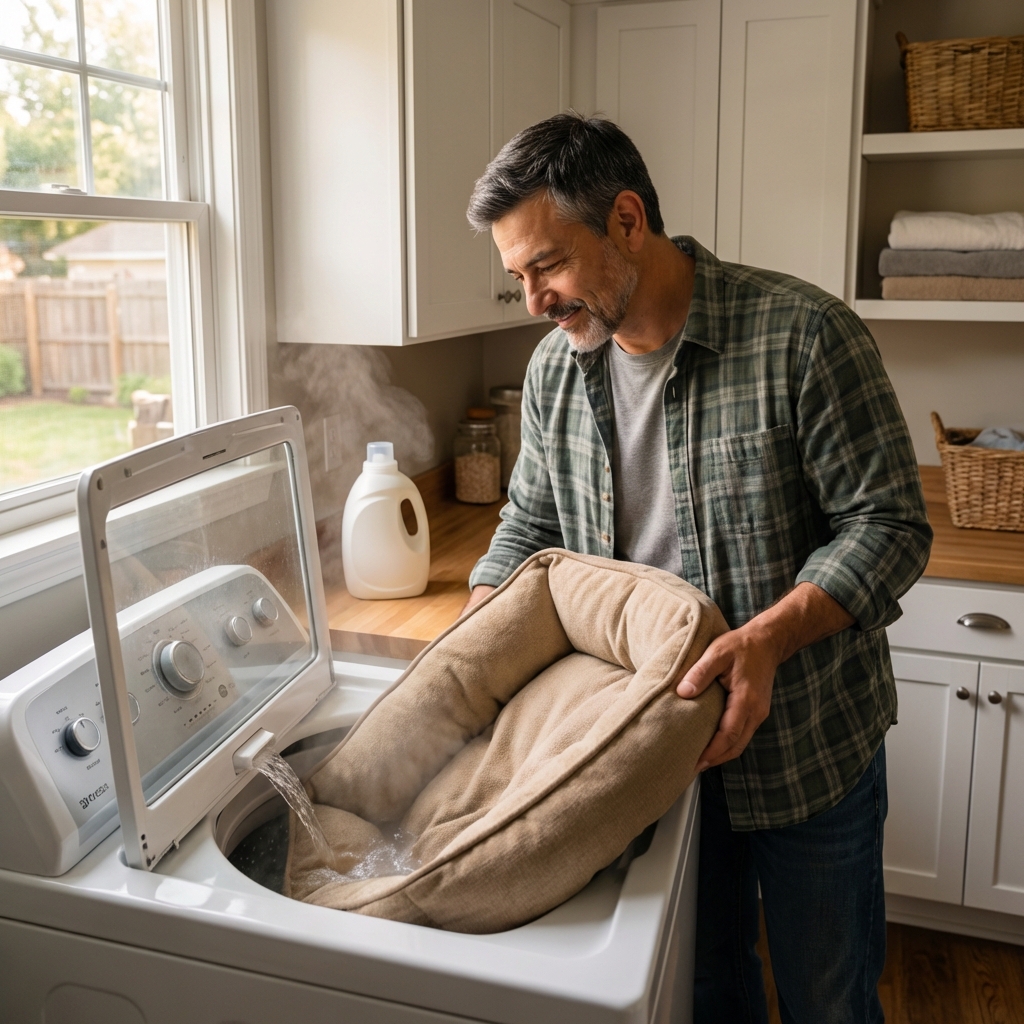
- Wash bedding weekly. Dog bedding, throws, crate mats, and any couch blankets your dog uses. Use the hottest water safe for the fabric, then dry on high heat.
- Vacuum 2 to 3 times per week. Vacuum rugs, baseboards, under furniture, and pet nap zones. Empty the canister outside or seal the bag immediately.
- Clean up the yard. Rake up leaves and debris where larvae hide. Trim tall grass around fences, sheds, and under decks.
Spring-friendly home remedy: a gentle bath followed by flea combing. Use a proper dog shampoo whenever possible. If your dog tolerates it and your vet is fine with it, a small amount of fragrance-free dish soap can help remove and kill some adult fleas by breaking surface tension, but it is not pH-balanced for dogs and it can dry the skin. Use it rarely, avoid the eyes, rinse very well, and do not treat it as routine. Dish soap also has no residual control, so you still need cleaning and follow-up combing.
Summer: focus on knockdown and staying consistent
Heat and humidity speed up the flea life cycle. Summer is when you need a layered approach: on-dog care plus house and yard pressure.
- Comb daily for 7 to 10 days when you first spot fleas.
- Bathe weekly for 2 to 3 weeks to reduce adult fleas, paired with combing and cleaning.
- Vacuum daily for 10 to 14 days in pet areas. This helps remove eggs and can stimulate pupae to emerge so you can remove them sooner.
- Wash pet bedding twice a week during a surge.
Summer yard move that helps: focus on shaded, slightly damp spots. Fleas do best where it is cool and protected. If your dog lies under a tree, along a hedge, or under the deck, that is your target zone for cleanup and treatment.
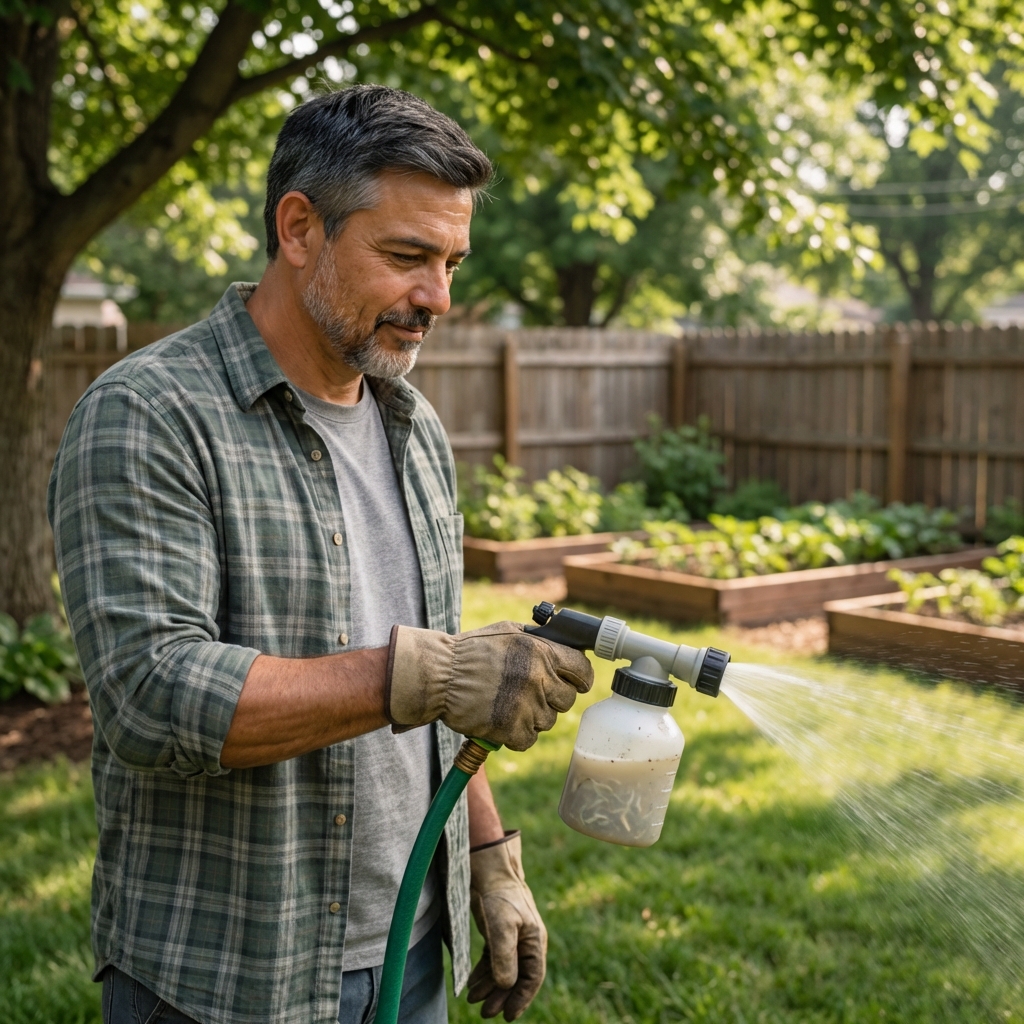
Natural yard option (one of the more effective): beneficial nematodes (often sold as Steinernema carpocapsae or Steinernema feltiae, depending on the product and region). These are microscopic organisms you water into soil. They can help reduce flea larvae in the ground, but results vary based on soil moisture, temperature, and application timing. Apply in the evening, keep soil lightly moist for about a week, and follow package directions carefully.
Fall: break the cycle before everyone goes indoors
In many regions, fall brings a sneaky second peak. Warm days plus cooler nights can still support fleas, and wildlife activity around homes often increases.
- Continue weekly vacuuming and bedding washes until you are well into consistently cool weather.
- Do a deep reset weekend. Wash all pet fabrics, vacuum under furniture, clean the car if your dog rides with you, and replace or wash crate pads.
- Comb 1 to 2 times per week. As coats thicken, fleas can be harder to spot.
Fall-friendly home remedy: a diluted vinegar wipe for surfaces, not the dog. A 50:50 mix of white vinegar and water works well to wipe down hard floors near pet areas after vacuuming. It is not a standalone flea killer, but it supports the cleaning routine.
Winter: stop indoor survival and plan ahead
Even when it is cold outside, fleas can survive indoors. Heated homes, rugs, and pet bedding create a microclimate.
- Wash bedding monthly and keep routine vacuuming going.
- Reduce indoor “flea havens.” Rotate and wash blankets, vacuum under beds and couches, and keep clutter down around pet nap areas.
- Watch for travel fleas. Boarding, visiting family pets, and hotels can reintroduce fleas.
Winter tip: if you see fleas in winter, that is a sign your indoor environment is supporting the life cycle. Go back to the summer-style 10 to 14 day vacuum and wash routine. Lower indoor humidity (when safe and appropriate for your household) can also make it harder for fleas to thrive.
Natural remedies that can help on the dog
1) Flea combing (high impact, low risk)
This is the most underrated “home remedy” because it physically removes fleas and lets you monitor progress.
- Comb toward the tail and around the neck.
- Dip the comb in warm soapy water after every few passes.
- Finish by checking the tail base carefully. Fleas love that area.
2) Bathing plus thorough drying
A bath can remove a lot of adult fleas. It will not solve eggs in the house, so pair it with cleaning.
- Use a gentle dog shampoo.
- Lather the neck first. This helps prevent fleas from racing to the head.
- Rinse well and dry completely.
3) Oatmeal soak for itchy skin (supportive care)
Oatmeal does not kill fleas, but it can calm irritated skin while you are addressing the infestation.
- Use colloidal oatmeal made for pets if possible.
- Follow with flea combing once the coat is dry.
4) Coconut oil (limited, messy, sometimes helpful)
Some owners use a small amount rubbed into the coat to make it harder for fleas to move and to soothe dry skin. Results vary, and too much can make your dog greasy and attract dirt.
- Use a tiny amount and test a small patch first.
- Do not rely on it as your only method.
What to avoid on the dog
- Essential oil blends unless prescribed or approved by your vet for your specific dog.
- Apple cider vinegar sprays on irritated skin. It can sting and make scratching worse.
- Alcohol-based sprays that can dry skin and be unsafe if licked.
Home remedies that actually help indoors
If you do only one thing besides treating the dog, make it this: clean like you are trying to remove invisible sand from the house. Eggs and larvae are tiny.
Vacuuming: your best indoor tool
- Vacuum carpets, rugs, and upholstery.
- Move slowly in high-use pet zones.
- Hit edges and baseboards where debris builds up.
- Empty outside immediately.
Consistency matters more than the fanciest vacuum. A basic vacuum used daily for 10 to 14 days will often outperform occasional deep cleaning.
Laundry heat: simple and effective
Heat helps kill fleas at different stages. Wash and dry:
- Dog bedding and crate pads
- Blankets on couches and beds
- Slipcovers if your dog lounges there
- Your dog’s favorite plush toys (if washable)
Steam cleaning (great if you have carpet)
Steam can help kill fleas in carpet and upholstery where chemicals are not ideal, especially if the steam reaches sufficient temperature and you move slowly enough for good contact time. If you can rent a steamer, focus on pet nap zones first.
Diatomaceous earth (use with caution)
Food-grade diatomaceous earth is often mentioned for fleas. Evidence is mixed, and it works best only when it stays dry. It can also irritate lungs if it becomes airborne. If you use it:
- Use food-grade only, never pool-grade.
- Keep pets and people out of the area during application.
- Apply a very light dusting in cracks or along baseboards, not in piles.
- Vacuum it up later according to the product guidance.
If anyone in the home has asthma or respiratory issues, skip this method and focus on vacuuming, laundry, and steam.
Natural yard control that supports the whole plan
If your dog picks up fleas outside, the best indoor routine can feel like it never ends. Yard work helps, especially in warm months.
Image note: Add a valid image URL before publishing.
Target the shady zones
Spend most of your effort where your dog rests and where fleas thrive:
- Under decks and porches
- Along fence lines
- Under shrubs and low branches
- Dog runs and kennel areas
Beneficial nematodes (strong natural option)
They work by attacking flea larvae in soil. Follow timing rules:
- Apply when soil is warm enough per the product label.
- Water in well.
- Keep soil slightly moist for several days.
- Avoid applying in full sun at midday.
Basic yard hygiene
- Mow and trim regularly.
- Remove leaf litter and brush piles.
- Discourage wildlife that can drop fleas, like feral cats and raccoons, by securing trash and blocking crawl spaces.
A simple 14-day flea reset schedule
If you are dealing with active fleas, here is a realistic routine many households can stick with:
Days 1 to 3
- Bathe the dog, then flea comb thoroughly.
- Wash all pet bedding and blankets on hot, dry on high.
- Vacuum pet zones daily.
Days 4 to 10
- Flea comb daily.
- Vacuum daily.
- Wash bedding every 3 to 4 days.
Days 11 to 14
- Flea comb every other day.
- Vacuum every other day.
- Do one more full bedding wash.
After that, shift to maintenance based on season. In warm months, weekly bedding and 2 to 3 vacuum sessions per week is a good baseline for many homes.
Decision point: if you are still finding flea dirt regularly after 14 days of consistent effort, or your dog has scabs, hair loss, or hot spots, it is time to involve your vet and consider a preventative that fits your dog and your region.
When home remedies are not enough
Some flea situations overwhelm natural methods, especially with:
- Multiple pets
- Heavy carpeted homes
- Warm, humid climates with long flea seasons
- Dogs with flea allergy dermatitis
If your dog is miserable, has scabs, hair loss, or hot spots, it is worth calling your vet. Modern vet-recommended flea preventatives can be very effective, and you can still keep your home and yard approach as natural and low-tox as possible.
Common questions
Can I use baking soda or salt in carpets?
People try salt or baking soda to dry out larvae, but results are inconsistent, and it can be hard on vacuums and irritating if it becomes airborne. Vacuuming and steam tend to be more reliable.
Does vinegar kill fleas?
Vinegar is not a dependable flea killer. It can support general cleaning, but it is not a replacement for combing, bathing, laundry heat, and vacuuming.
How long until fleas are gone?
With consistent cleaning plus on-dog removal, you often see a big improvement in 1 to 2 weeks. Complete control can take longer if pupae continue to emerge, especially in carpeted homes.

Jose Brito
I’m Jose Britto, the writer behind The Country Store Farm Website. I share practical, down-to-earth gardening advice for home growers—whether you’re starting your first raised bed, troubleshooting pests, improving soil, or figuring out what to plant next. My focus is simple: clear tips you can actually use, realistic expectations, and methods that work in real backyards (not just in perfect conditions). If you like straightforward guidance and learning as you go, you’re in the right place.