Silverfish are one of those pests that feel creepy because they pop out of nowhere, often at night, in places you would rather not think about. The good news is they are not dangerous in the way some pests are. They generally do not bite people, and they are not known for spreading disease the way roaches can. The bad news is they can quietly damage paper, pantry items, fabrics, and stored keepsakes if you let them settle in.
This guide walks you through a simple, realistic plan: confirm what you are dealing with, remove what is attracting them, then use targeted tools to knock the population down. No fancy gadgets required.
What silverfish are and why they show up
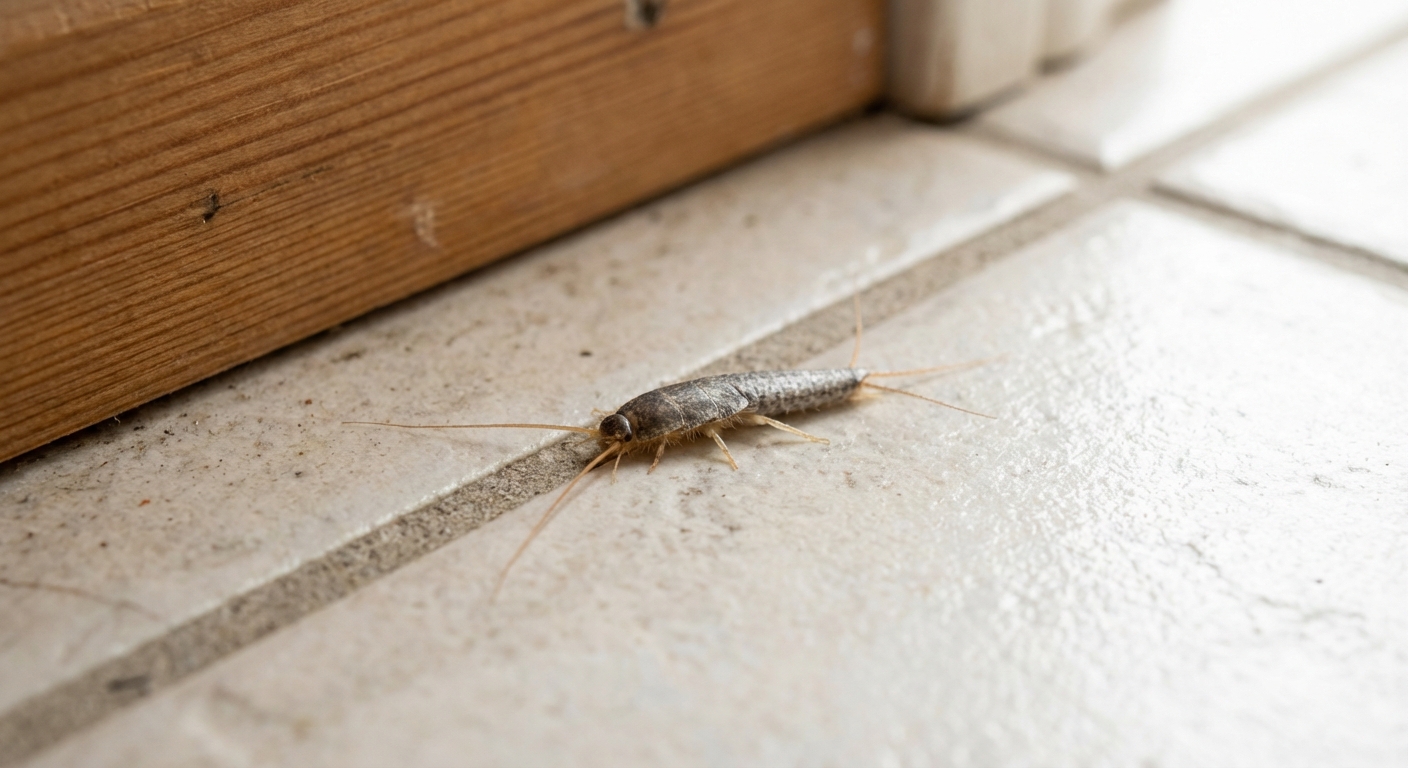
Silverfish are small, wingless insects with a silvery-gray body and a fish-like wiggle when they run. They prefer dark, humid places and they feed on starches and sugars, including items you might not think of as food.
Common places to find them
- Bathrooms and laundry rooms, especially near baseboards
- Basements, crawlspaces, and utility rooms
- Kitchen cabinets, under sinks, and behind appliances
- Storage areas with cardboard boxes and old books
- Closets with rarely moved clothing or linens
What they eat (and what they ruin)
Silverfish feed on starchy, gluey, and papery materials. In a home, that often means:
- Paper, books, wallpaper paste, and cardboard
- Flour, cereal, oats, and pet food dust
- Dry goods residue in pantry corners
- Cotton, linen, and rayon (especially if starched or soiled)
- Glue on labels, envelopes, and stored photos
If you are seeing them, it usually means there is enough moisture and enough hidden food for them to keep going.
How to tell it is silverfish
Before you treat, it helps to confirm the pest. Silverfish get confused with firebrats and sometimes with small roaches.
Quick ID checklist
- Shape: carrot-shaped body that tapers at the tail
- Color: silvery gray, sometimes slightly brownish
- Movement: fast, wiggly, like a tiny fish
- Tail: three bristle-like appendages at the end
- Timing: most active at night
Silverfish vs. firebrats
Firebrats look similar but prefer hotter areas (near furnaces, water heaters, and very warm kitchens). The control plan is basically the same, but firebrats often point to a heat source plus humidity.
Silverfish vs. roach nymphs
Roach nymphs are usually more oval and “flat” looking, without the three long tail filaments. They also tend to move more like a roach than a wiggle. If you are unsure, set a couple sticky traps and take a clear photo for identification before you treat.
Signs you might miss
- Pepper-like droppings in corners or along baseboards
- Shed skins (they look like tiny, pale insect shells)
- Irregular holes or surface scraping on paper and book covers
- Damage to wallpaper, especially near seams
- Dry goods that seem dusty or disturbed in the back of shelves
The real cause: moisture plus hiding spots
If you only kill what you see, silverfish keep coming because you did not change the conditions that support them. Control gets much easier when you treat the home like a habitat you are making less comfortable.
Moisture targets that matter most
- Leaky plumbing: under sinks, behind toilets, around shutoff valves
- Condensation: cold-water lines sweating in humid rooms
- Poor ventilation: bathrooms without fans, basements without airflow
- Damp storage: cardboard on basement floors, bins pushed against exterior walls
- Foundation damp: seepage, wet crawlspace soil, sump issues
- Outdoor drainage: clogged gutters or downspouts dumping water near the foundation
A good goal is keeping indoor humidity around 30 to 50 percent. Silverfish tend to do best when humidity stays high for long stretches, often above about 60 percent.
Simple solutions that work
Here is the approach I recommend for most households: do the easy wins first, then move to traps and targeted treatments. You will usually see improvement within a couple weeks if you are consistent, but plan on 2 to 4 weeks to get solid control since eggs can hatch later and hidden pockets take time to dry out.
1) Dry it out
- Run the bathroom fan for 20 to 30 minutes after showers
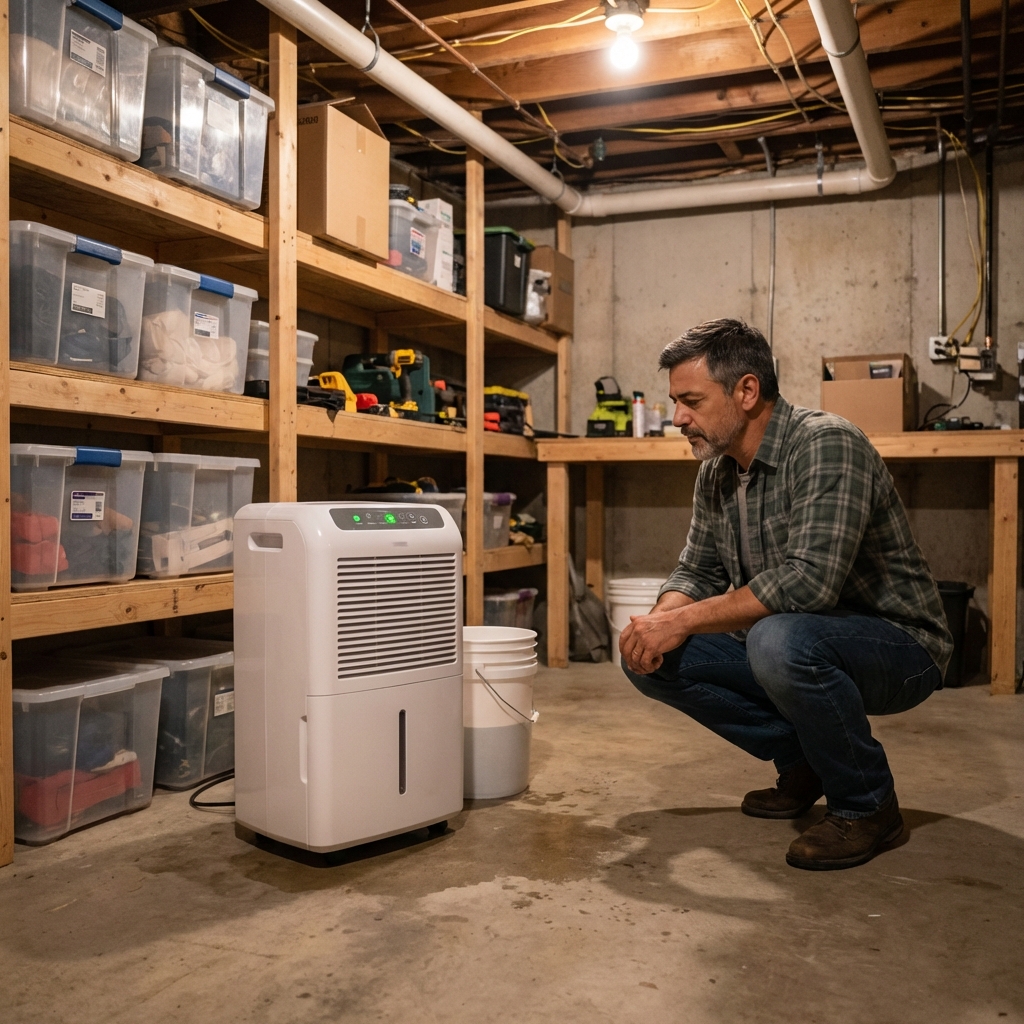
- Use a dehumidifier in basements or damp rooms
- Fix leaks and tighten loose fittings
- Do not store wet towels or bathmats in a pile
If you do only one thing, do this. Dry homes are hard for silverfish to maintain.
2) Clean the food sources they love
- Vacuum cracks along baseboards and the backs of shelves
- Wipe pantry corners where flour dust and crumbs collect
- Declutter paper piles, especially on floors and in closets
- Switch from cardboard to plastic totes with tight lids
3) Seal the easy entry and hiding spots
You do not need to make your house airtight. You just want to remove the places they hide and breed.
- Caulk gaps along baseboards, around pipes, and under sinks
- Add door sweeps if you have gaps at exterior doors
- Repair peeling wallpaper or loose trim where they tuck in
Traps: low effort, high info
Traps are useful for two reasons: they reduce numbers and they tell you where activity is highest. Place them where you see silverfish or where moisture and paper storage overlap.
Sticky traps
Basic glue traps work well. Put them:
- Behind toilets and under bathroom sinks
- Under kitchen sinks and near pantry corners
- Along basement walls near storage
- Inside closets where you have cardboard or books
Check weekly. If you catch several in the same spot, that is your main zone to dry, clean, and seal.
Jar trap (simple DIY)
This is an old-school option that can catch quite a few.
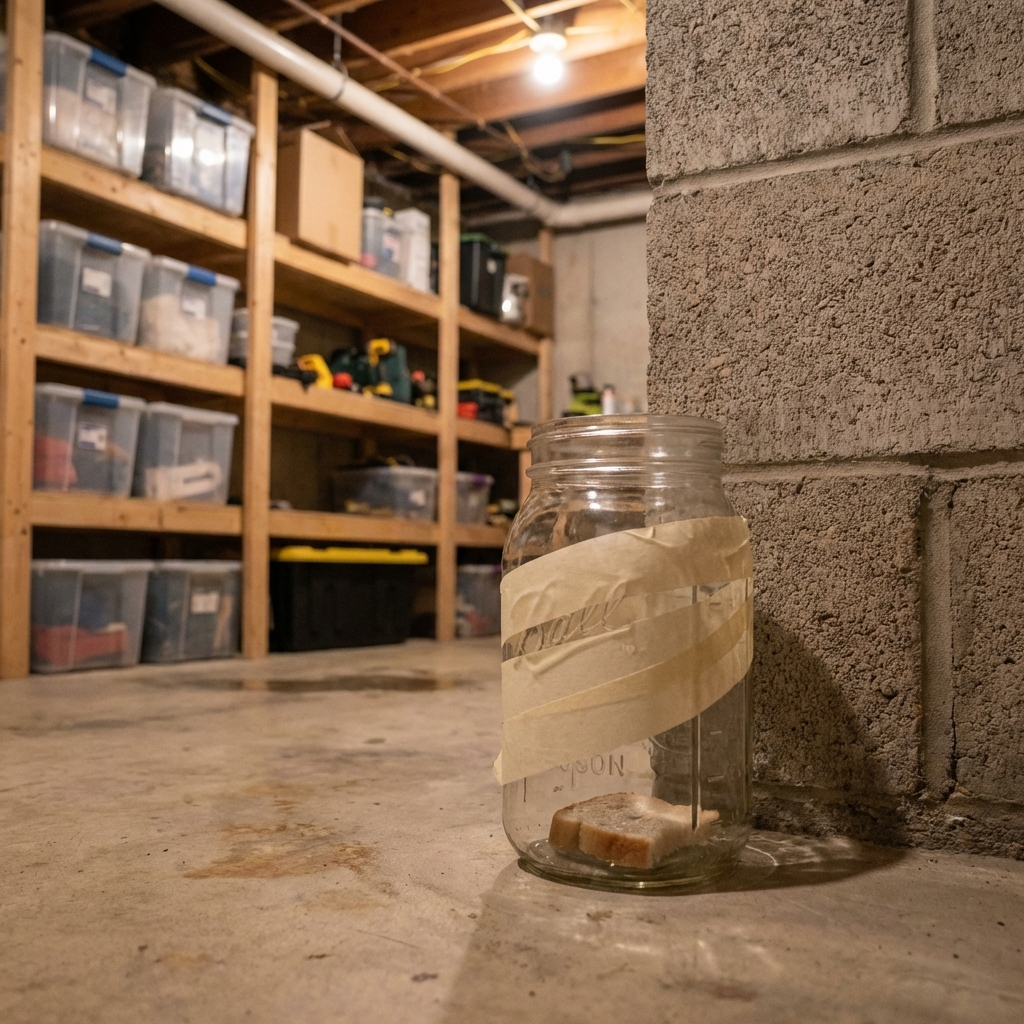
- Wrap the outside of a glass jar with masking tape so they can climb up
- Place a small piece of bread or a spoon of flour inside
- Add a thin layer of water to the bottom so they cannot escape
- Set it along a wall overnight
It is not elegant, but it is cheap and can help confirm where they are most active.
Targeted treatments
If you are still seeing silverfish after the moisture and cleanup steps, you can add targeted treatments. Think “in the cracks” instead of spraying the whole room.
Boric acid or borate-based powders
These can work well in dry areas, applied lightly in cracks and voids. Use them carefully and follow the product label.
- Apply a very thin dusting in wall voids, behind baseboards, and under appliances
- Keep away from kids and pets
- Do not apply on countertops or food prep surfaces
- Avoid breathing any dust and wash hands after use
If the area is damp, powders clump and perform poorly. Dry first.
Silica gel or diatomaceous earth (DE)
These work by damaging the insect’s outer coating and drying it out. They can be helpful in hidden voids and along cracks.
- Use a light application, not piles
- Prefer food-grade DE if you use it indoors
- Avoid putting dust into the air (especially around kids, pets, or anyone with asthma)
- Follow local rules and the label instructions
Residual insecticides (use with care)
Some homeowners choose a labeled residual spray for cracks and crevices. If you go this route:
- Follow the label exactly. The label is the law.
- Do not spray toys, bedding, or food-contact surfaces
- Focus on baseboards, under sinks, and entry points, not open rooms
If you have a heavy infestation or silverfish are coming from a shared wall in an apartment, this is where a professional can save you time.
Preventing silverfish long-term
Once you get them under control, prevention is mostly about staying a little bit ahead of moisture and clutter. Silverfish are persistent, but they are not unstoppable.
Storage upgrades that help
- Store keepsakes, photos, and papers in sealed plastic bins
- Keep boxes and bins off concrete floors on shelves
- Use airtight containers for flour, cereal, and pet food
- Avoid leaving stacks of newspapers, magazines, and shipping boxes indoors
If you have valuable books or collections
- Keep items in sealed bins with desiccant packs (and replace packs as needed)
- Do not store books directly against exterior walls in damp basements
- For small, infested items, some people use controlled freezing to kill insects, but follow conservation guidelines if the item is valuable
Routine that keeps them from coming back
- Vacuum baseboards and closet edges monthly
- Check under sinks a few times a year for slow leaks
- Run dehumidifiers seasonally if your home is naturally humid
- Replace worn caulk around tubs and showers
When to call a pro
If you have tried the moisture fixes, reduced clutter, and used traps for a few weeks but you still see frequent silverfish, it may be time for professional help. Also consider calling sooner if:
- You see silverfish in multiple rooms daily
- You have valuable books, collections, or stored clothing being damaged
- You have an ongoing moisture problem you cannot solve yourself
- You live in a multi-unit building and suspect a shared source
A good pest professional should talk to you about moisture and access points, not just spray and leave.
Quick checklist
- Fix leaks and run fans. Get humidity down.
- Vacuum cracks, pantry corners, and baseboards.
- Switch cardboard storage to sealed plastic bins.
- Set sticky traps in bathrooms, kitchens, and basements.
- Seal gaps around pipes and baseboards.
- If needed, use a light dusting treatment in cracks only, following label safety.
If you want the simplest path: dry the space, clean the edges, trap to find the hot spots, then treat the cracks. That combination is what gets real results in real homes.


Jose Brito
I’m Jose Britto, the writer behind The Country Store Farm Website. I share practical, down-to-earth gardening advice for home growers—whether you’re starting your first raised bed, troubleshooting pests, improving soil, or figuring out what to plant next. My focus is simple: clear tips you can actually use, realistic expectations, and methods that work in real backyards (not just in perfect conditions). If you like straightforward guidance and learning as you go, you’re in the right place.