Fleas are tiny, stubborn, and unbelievably good at turning a calm house into an itchy mess. If your cat is scratching like crazy, you can do a lot at home to knock flea numbers down fast. The key is doing two jobs at the same time: help your cat feel better today and break the flea life cycle in your home so they do not come right back.
This guide focuses on simple home remedies and DIY steps that are commonly used, easy to do, and generally safer than many viral internet “hacks”. It is not a substitute for veterinary care, especially for kittens, seniors, pregnant cats, or cats with health issues.
Quick safety note: Never use dog-only flea products on cats. Many contain permethrin and other ingredients that can be dangerous to cats.
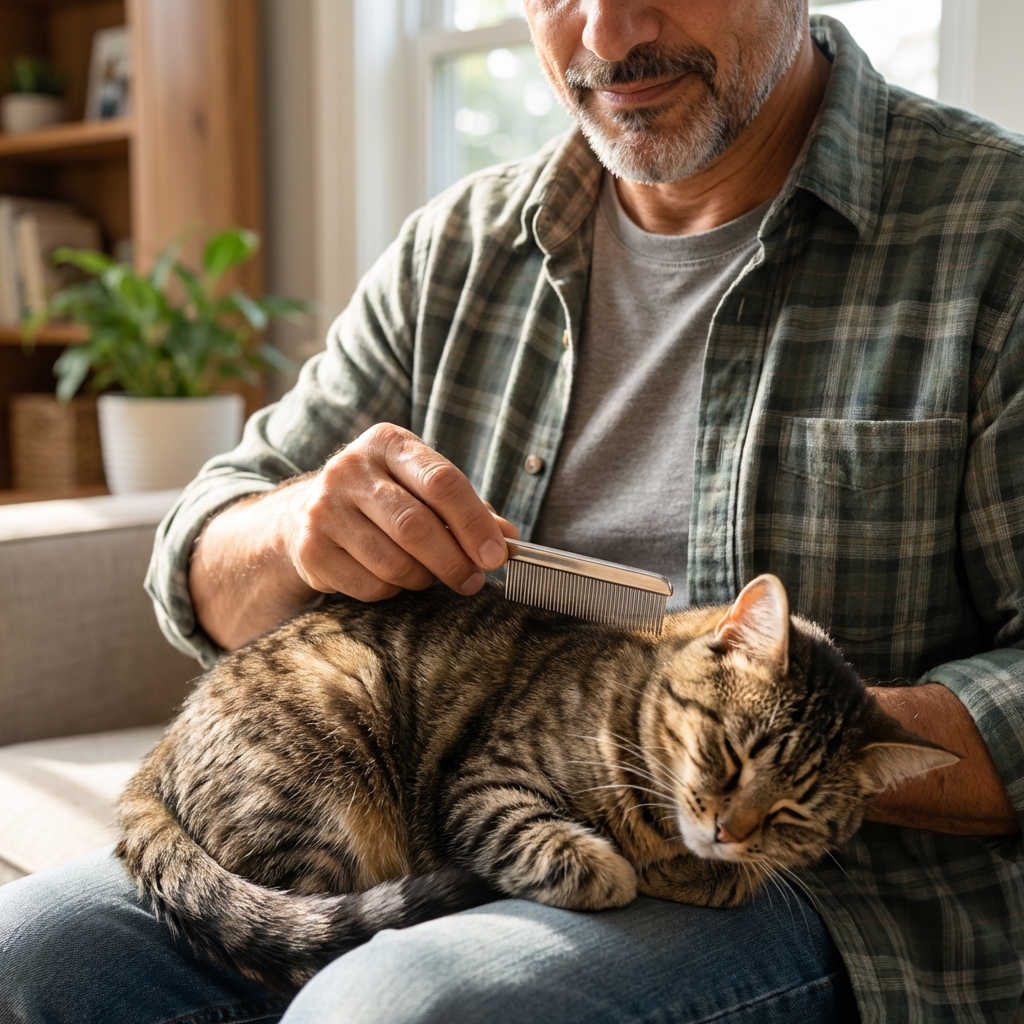
First, make sure it is really fleas
Before you treat, confirm what you are dealing with. Fleas can look like tiny dark specks that move fast. You may also see “flea dirt” which is flea poop. It looks like black pepper flakes, often around the base of the tail, along the belly, and behind the neck.
Quick check
- Use a flea comb and comb over a white paper towel.
- Wet the debris on the towel. If it turns reddish-brown, that is digested blood and strongly suggests flea dirt.
- Look for scabs or irritated bumps, especially near the back end and along the spine.
If you see tapeworm segments (little rice-like pieces near the rear), that is another clue. Fleas can spread tapeworms, and seeing segments usually means your cat needs veterinary deworming in addition to flea control.
Home remedies that actually help
1) Flea combing (simple, cheap, and effective)
If you do only one DIY step, start here. Flea combing physically removes adult fleas and flea dirt, and it is safe for most cats when done gently.
- Comb in good light, focusing on the neck, behind ears, belly, and base of tail.
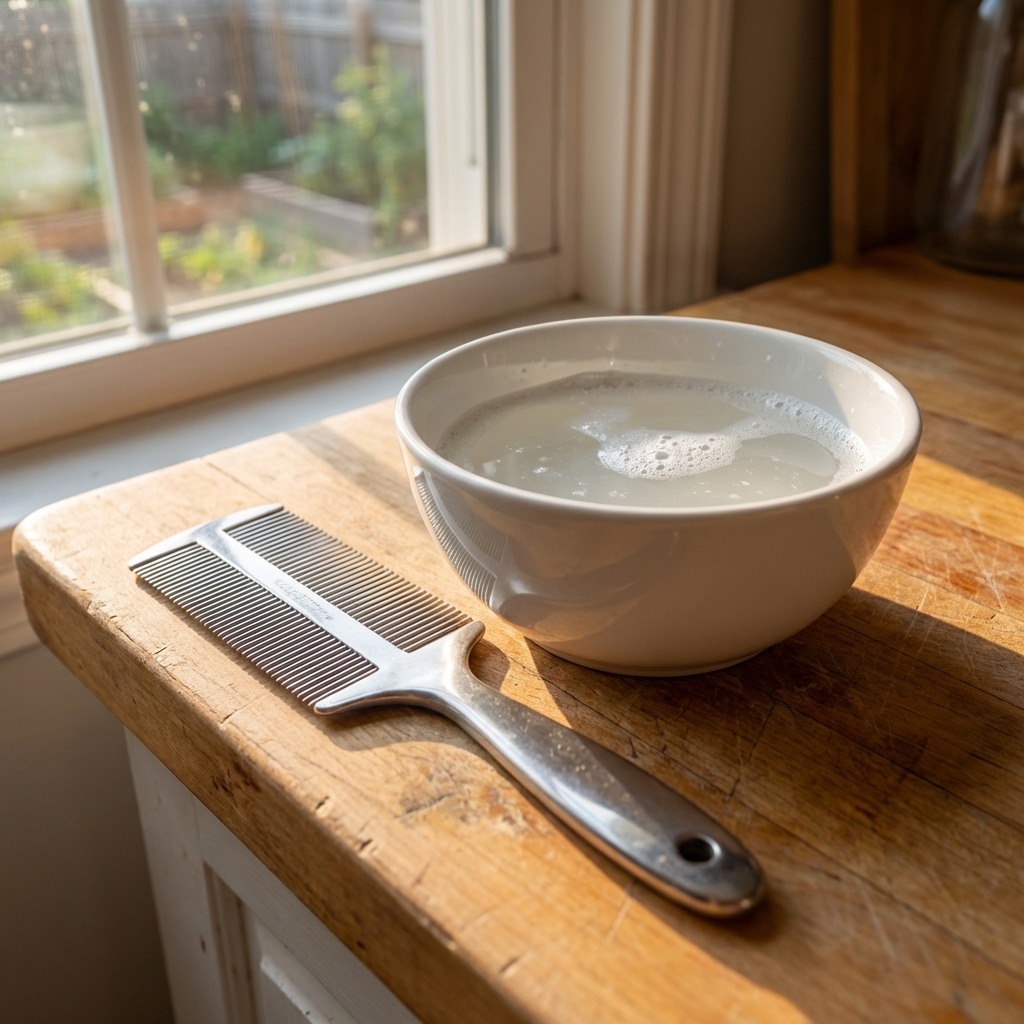
- Keep a bowl of warm water with a few drops of dish soap nearby. Dip the comb frequently to trap and drown fleas.
- Do 5 to 10 minutes once or twice daily for a week, then a few times weekly.
- Afterward, rinse the comb well and let it dry.
2) A gentle bath (only if your cat will tolerate it)
Many cats hate baths, so do not force it. Stress and scratches are not worth it. But if your cat tolerates water, a bath can reduce the number of adult fleas on the body.
- Use warm water, not hot.
- Use a cat-safe shampoo when possible. A small amount of plain, fragrance-free dish soap can help trap fleas in a pinch, but it can also dry and irritate skin.
- If you use dish soap, keep it occasional, rinse extremely well, and stop if you notice redness, dandruff, or worsening itch.
- Make a “soap ring” around the neck first. This may help reduce fleas moving toward the head while you wash the body.
- Towel dry and keep your cat warm afterward.
A important reminder: A bath is not a true long-term flea treatment. It does not kill eggs and it does not prevent re-infestation.
Avoid essential oils in bath water. Cats are sensitive to many oils and can get sick from skin exposure and grooming residue.
3) Soothe itchy skin safely
Once fleas bite, itching can linger even after you remove the fleas. Your goal is comfort, not masking a serious reaction.
- Cool compress: A clean, cool damp cloth on irritated spots for 1 to 2 minutes can calm the urge to scratch.
- Trim nails: Keeping nails blunt reduces self-inflicted skin damage.
- Prevent over-grooming: If your cat is chewing raw areas, ask your vet about an e-collar or soft recovery collar.
If you see open sores, hot spots, swelling, or your cat seems miserable, call your vet. Some cats have flea allergy dermatitis and need prescription help.
The real “home remedy”: clean the house
Here is the part most people underestimate. Fleas spend a lot of time as eggs, larvae, and pupae in the environment. If you only treat the cat, you usually lose the battle.
If you have multiple pets: fleas will keep cycling if you treat only one animal. Ask your vet for species-appropriate options and treat every pet in the household (cats, dogs, and any other furry pets) with a product that is safe for that species.
Step-by-step cleaning plan
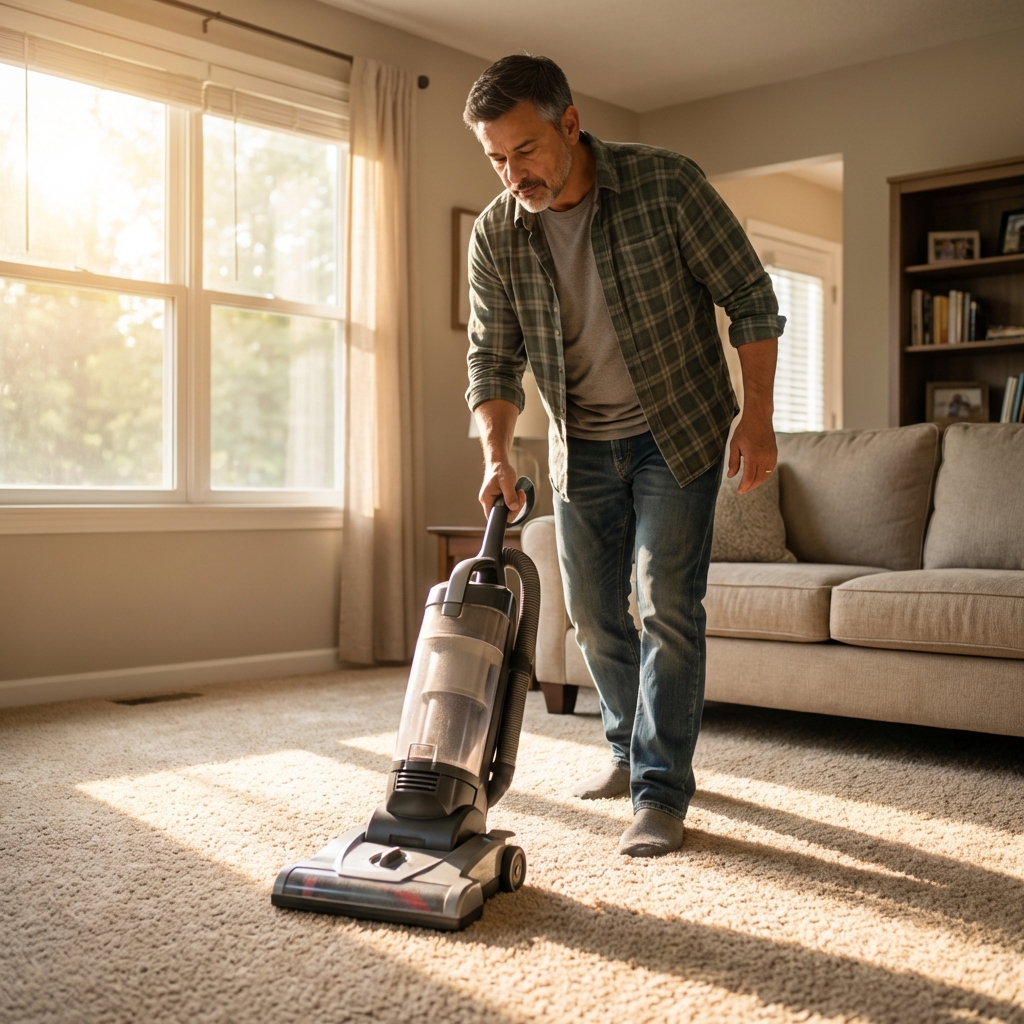
- Vacuum often for at least 2 to 3 weeks: daily if you can during the first 1 to 2 weeks, then near-daily until you stop seeing fleas. Hit carpets, rugs, baseboards, couch cushions, and under furniture.
- Empty the vacuum right away: put contents in a sealed bag and take it outside.
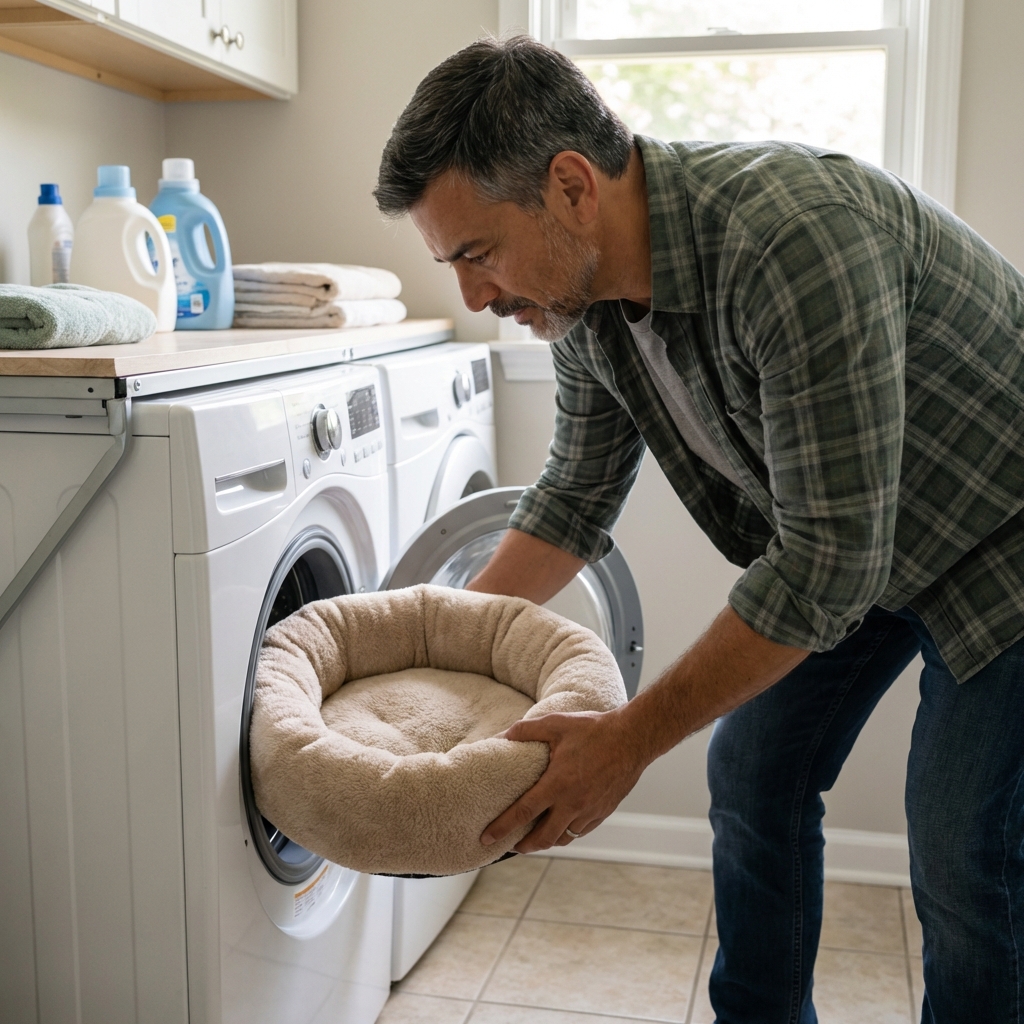
- Wash bedding on hot: cat beds, blankets, and your bedding if the cat sleeps with you. Dry on high heat if the fabric allows.
- Focus on favorite cat zones: sunny windows, couches, and the spots your cat naps most.
Do you need to treat the whole home?
In many cases, consistent vacuuming and washing plus an effective cat flea medication is enough. If you have a heavy infestation or it keeps coming back, talk to your vet about a home-safe environmental product or whether professional pest control guidance makes sense. Foggers and random sprays often miss where fleas actually hide and can be risky if used incorrectly.
What about outside?
If your cat goes outdoors, re-exposure is common. Try to limit access to wildlife hangouts (like under decks), and focus on prevention for your pets rather than heavy DIY yard pesticide use.
DIY remedies to avoid (important)
Some “natural” flea remedies are popular because they sound gentle, but they can be ineffective or unsafe for cats.
Avoid these on cats
- Essential oils (tea tree, peppermint, eucalyptus, lavender, citrus oils): cats can be highly sensitive and can be poisoned through skin exposure or grooming.
- Apple cider vinegar sprayed on fur: can irritate skin and does not reliably kill fleas.
- Garlic or supplements marketed for fleas: garlic is toxic to cats.
- Alcohol on the skin: can burn and cause serious irritation.
- Hydrogen peroxide as a flea remedy: not appropriate for flea control and can irritate tissues. It is sometimes used for very specific wound care under veterinary direction, but it is not a DIY flea fix.
- “Natural” flea collars or sprays with vague ingredients or strong fragrances: many are ineffective, and some can irritate skin or cause toxicity. If you want a collar, choose a vet-recommended cat product.
What about diatomaceous earth?
Food-grade diatomaceous earth is sometimes used in homes, but it is messy and can irritate lungs. Even food-grade products can be harmful if inhaled. It is also not a quick fix.
If you choose to use it, do not apply it to your cat, keep pets and people out of the area during application, and avoid creating dust. Many households do better with thorough vacuuming and washing instead.
When DIY is not enough (and what works best)
Home remedies can reduce fleas, but the fastest, most reliable results usually come from a vet-approved flea treatment used correctly. Many modern flea products kill adults and stop reproduction, which is how you get off the flea treadmill.
Call your vet promptly if:
- Your cat is a kitten, elderly, pregnant, or has chronic illness.
- You see pale gums, weakness, or lethargy (possible anemia with heavy flea loads).
- There are open sores, swelling, or signs of infection.
- Your cat is losing hair in patches or seems extremely uncomfortable.
- You have tried cleaning and combing for 1 to 2 weeks and fleas keep returning.
Important: Never use dog-only flea products on cats. If you are unsure whether a product is cat-safe, do not use it until your vet confirms.
A simple 7-day DIY plan
Day 1
- Flea comb your cat thoroughly.
- Wash cat bedding and any blankets your cat uses.
- Vacuum main rooms and furniture.
Days 2 to 7
- Flea comb once daily.
- Vacuum daily, especially nap spots.
- Wash bedding again mid-week.
After day 7
- Keep vacuuming near-daily until you go at least 1 to 2 weeks without seeing fleas or flea dirt.
- Keep combing 2 to 3 times per week until you stop finding flea dirt.
- Maintain weekly vacuuming in warm months.
- Use a vet-recommended prevention plan to avoid repeat infestations.
FAQ
Can I get rid of fleas on my cat without chemicals?
You can lower flea numbers with combing, bathing, and aggressive cleaning. Fully eliminating fleas is harder without an effective flea preventative because fleas reproduce quickly and the home environment keeps re-seeding the problem.
How long does it take to get rid of fleas?
With consistent cleaning and the right veterinary product, many households see big improvement in 1 to 2 weeks. If you are doing DIY-only steps, timelines vary and full eradication often takes several weeks. Flea pupae can “wait” before hatching, which is why you can still see fleas even when you are doing everything right.
Why do I still see fleas after cleaning?
Often you are seeing newly hatched fleas emerging from pupae in carpets and cracks. Keep vacuuming and stay consistent with your plan.
Bottom line
The safest DIY approach is simple: comb the cat, clean the home, and avoid risky ingredients. Treat all pets in the household with species-appropriate flea control, or the problem tends to loop. If your cat is very itchy, has sores, or you are dealing with a heavy infestation, bring your vet into the plan. Fleas are common, but your cat does not have to suffer through them.

Jose Brito
I’m Jose Britto, the writer behind The Country Store Farm Website. I share practical, down-to-earth gardening advice for home growers—whether you’re starting your first raised bed, troubleshooting pests, improving soil, or figuring out what to plant next. My focus is simple: clear tips you can actually use, realistic expectations, and methods that work in real backyards (not just in perfect conditions). If you like straightforward guidance and learning as you go, you’re in the right place.