Skunk spray is not just “stinky.” It is a stubborn mix of sulfur-based compounds that cling to oils on fur, skin, and fabric. That is why regular soap and a quick rinse often do not fully remove it.
The good news: you can remove skunk odor with simple, low-tox household ingredients, as long as you act fast and use the right method for the right surface.
First things first
Do these two steps right away
- Keep everything outside. If a pet or clothing comes indoors, the smell transfers to carpets, upholstery, and air vents quickly.
- Blot, do not rub. If there is wet spray on fur or fabric, blot with paper towels or an old rag. Rubbing pushes odor deeper.
Two mistakes that make it worse
- Do not start with hot water. Warm or hot water can make skunk odor harder to remove. Start with cool or lukewarm water for rinsing.
- Do not use tomato juice. It mostly masks the smell, and you will still be dealing with skunk odor later.
Best low-tox recipe for pets
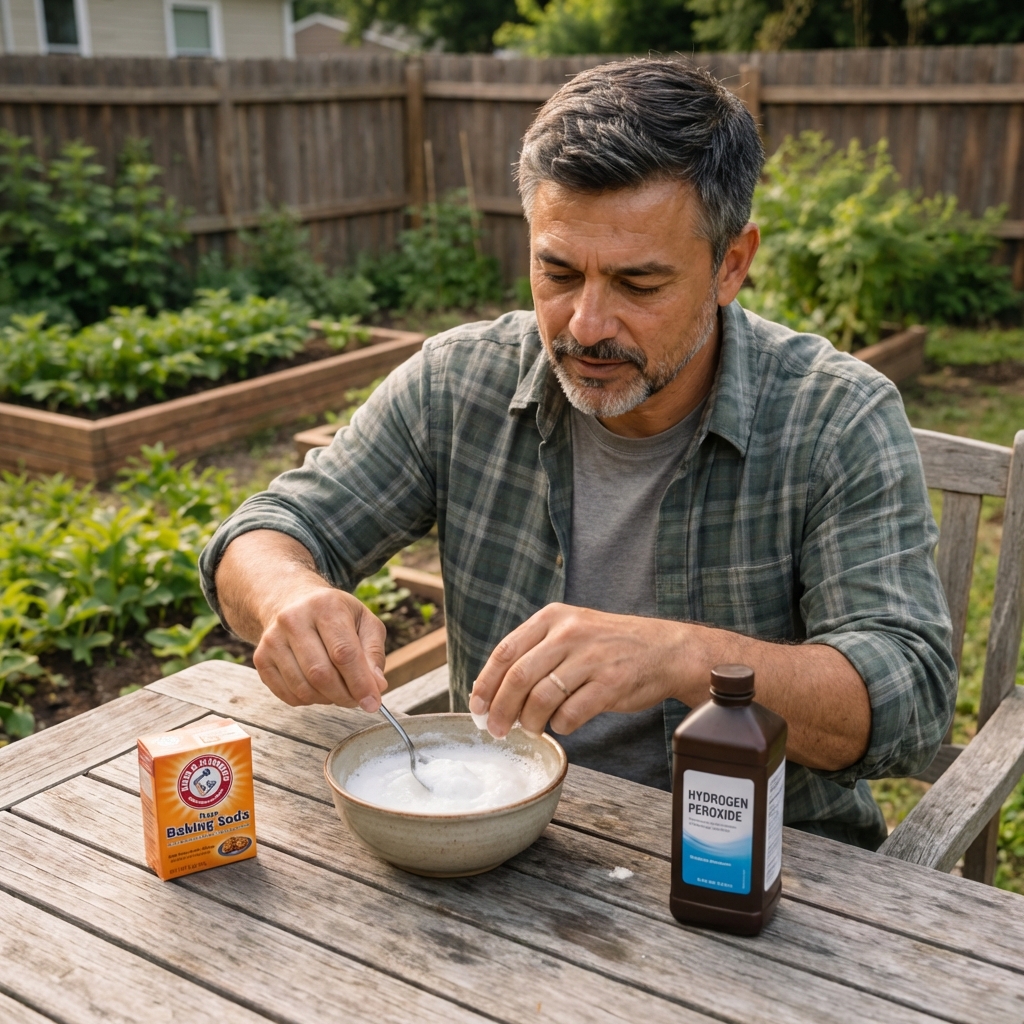
This is the classic deodorizing mix often recommended by vets and shelters because it breaks down the odor compounds instead of covering them up. In simple terms, the peroxide helps oxidize the smelly sulfur compounds so they stop clinging to oils.
Skunk odor solution
- 1 quart (4 cups) 3% hydrogen peroxide
- 1/4 cup baking soda
- 1 teaspoon unscented liquid castile soap (or a mild, unscented dish soap)
Important: Mix fresh each time and use it right away. Do not store it in a closed bottle because it can build pressure.
Bleaching caution: Hydrogen peroxide is a mild bleach. It can lighten dark fur if left on too long, and it can bleach clothing and towels. Wear gloves and old clothes you do not mind staining, and rinse thoroughly.
Cat note: Use extra caution with cats. They groom and lick, and they can be more sensitive to products. If your cat was sprayed, call your vet for the safest approach before using the peroxide mix.
How to use it on a dog
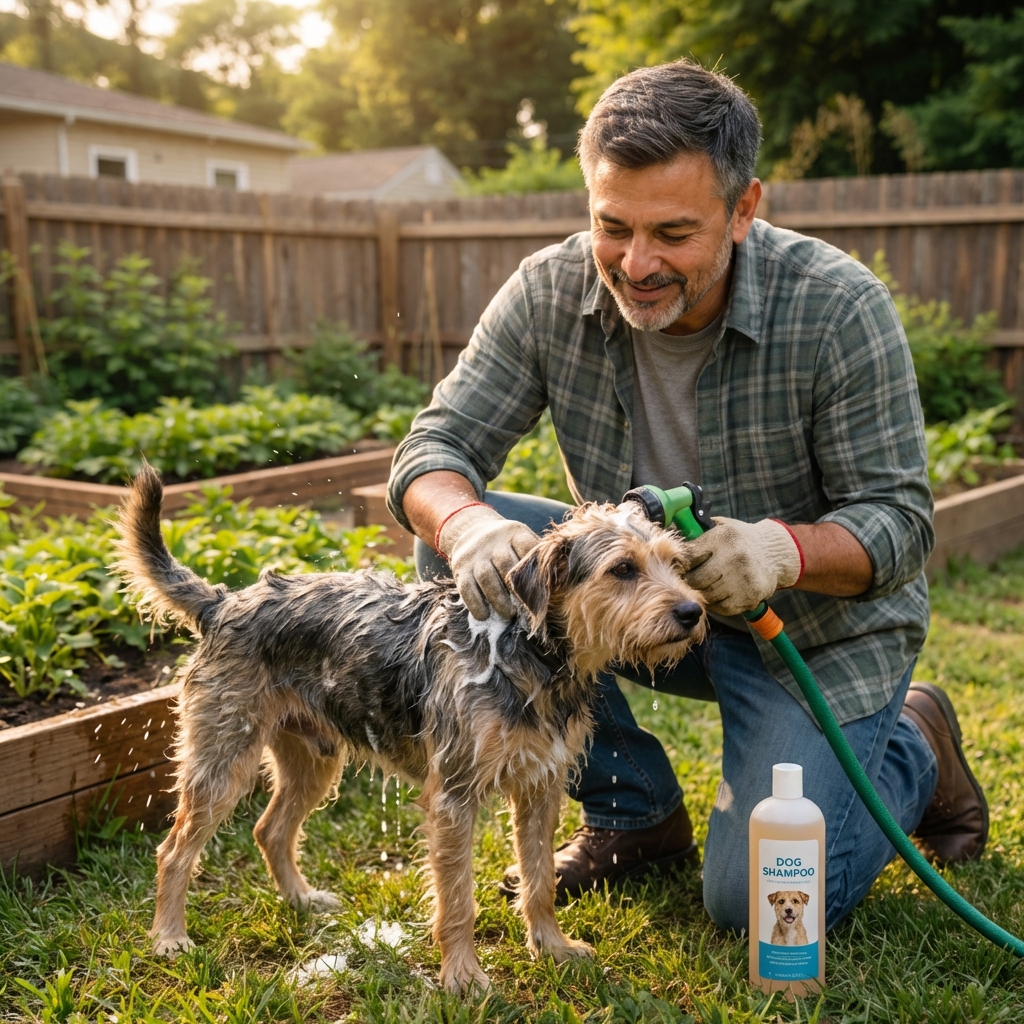
- Wear gloves and old clothes.
- Apply to dry fur first. Do not wet the coat before applying. Water can dilute the solution and make it harder to reach the oily skunk spray.
- Work the solution in from neck down, avoiding eyes, nose, mouth, and inside ears.
- Let it sit 5 minutes. Keep your pet from licking. Do not leave it on longer.
- Rinse thoroughly with cool or lukewarm water.
- Repeat once if needed, then wash with a mild pet shampoo.
If your pet was sprayed in the face
Skip the peroxide mix near eyes. If eyes may have been hit, flush right away with sterile saline eyewash and call your vet for guidance, especially if the spray was direct. For the muzzle, use a mild castile soap wash and rinse well. If there is squinting, redness, lots of tearing, pawing at the face, or your pet seems in pain, contact your vet promptly.
If spray got into the mouth or nose and you see drooling, gagging, vomiting, or trouble breathing, call your vet.
If you do not have peroxide
If you are missing ingredients, you can still improve things until you can get the main mix on fur and fabric.
Quick stopgap options
- Baking soda dry rub (fur): Sprinkle, work into fur, let sit 10 minutes, then brush out and rinse. It helps absorb oils but usually will not fully remove skunk smell alone.
- Vinegar rinse (fabric and hard surfaces): Mix 1:1 white vinegar and cool water. Wipe down surfaces or pre-soak fabric. Vinegar helps reduce odor, but it is best as a helper step.
Skunk odor removal for laundry
Laundry is where skunk odor likes to linger. Treat items before they go into a hot dryer.
Step-by-step laundry method
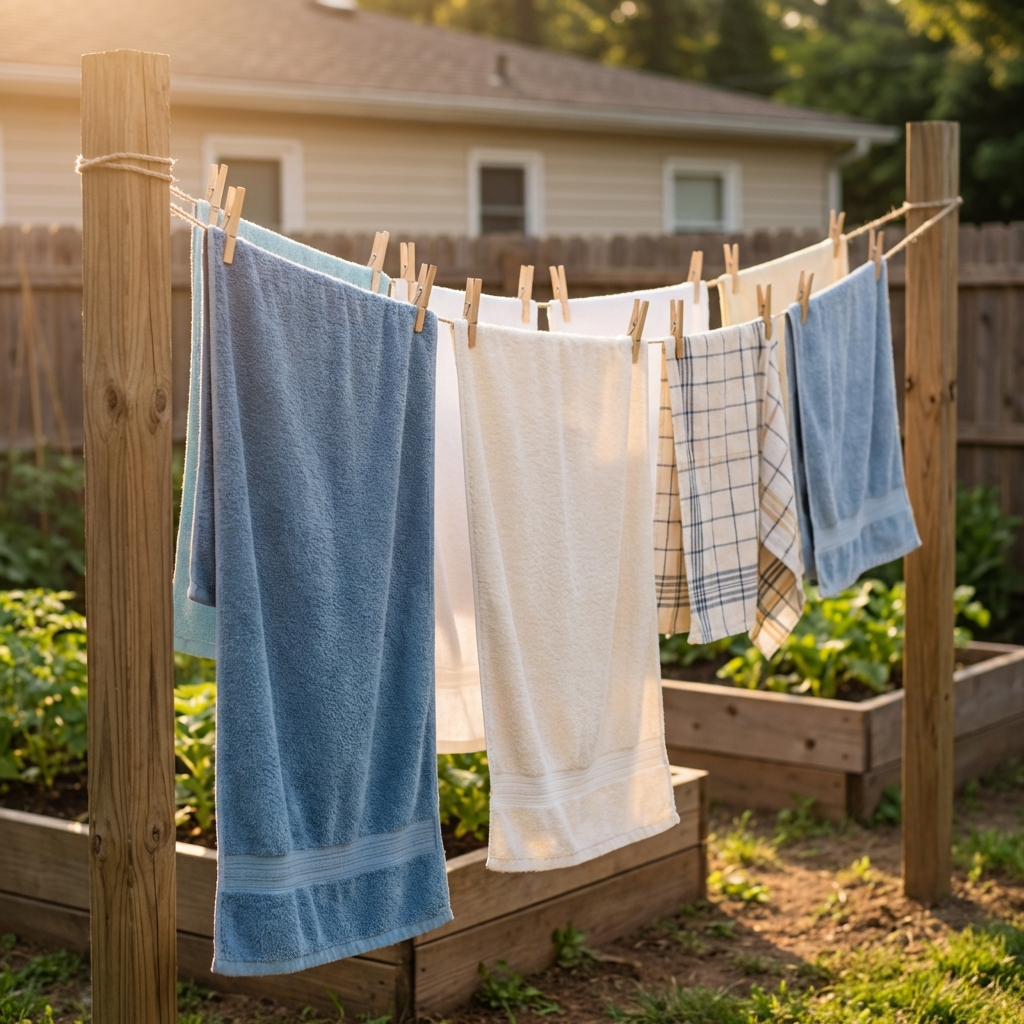
- Air items outside for an hour if possible.
- Pre-soak 30 to 60 minutes in a tub with cool water plus 1 cup white vinegar.
- Wash on warm with your usual detergent plus 1/2 cup baking soda added to the drum.
- Air dry first. Do a sniff test before using the dryer. If you still smell skunk, repeat the wash. Drying can lock in odor.
For washable pet blankets: Run an extra rinse cycle. Skunk smell clings to hair and detergent residue.
Fabric caution: Avoid peroxide mixes on delicate fabrics like wool and silk, and always spot test on anything you care about.
Skunk odor in the house
If the smell got indoors, you will get the best results by doing two things: remove oils from surfaces and keep fresh air moving.
Hard floors and sealed surfaces
- Wipe with warm water + a small amount of castile soap.
- Follow with a vinegar-water wipe (1:1), then plain water to finish.
Carpet and upholstery
- Blot first if the area is damp.
- Sprinkle baking soda generously, work it in lightly, and let sit overnight.
- Vacuum thoroughly.
- If smell remains, use an enzyme-based cleaner labeled for pet odors. Many enzyme products are low-tox and plant-based. Follow label directions and do a spot test.
Tip: Odor often rides in the air as well. Open windows, run fans, and replace HVAC filters if the smell moved through the system.
Skunk odor outside
Outdoor cleanup is usually easier because UV and airflow help. But you still want to break down oily residue on hard surfaces.
Decks, patios, and siding
- Hose down first.
- Scrub with a bucket of warm water + castile soap.
- Rinse well.
- If needed, follow with a light vinegar rinse and rinse again.
Surface caution: Spot test first, especially on unsealed wood, older stain, or painted surfaces.
Grass and mulch
If a skunk sprayed in the yard, time is often the main cure. You can lightly water the area to dilute, and remove any heavily sprayed mulch. Avoid dumping strong mixtures on soil where you grow food.

Skunk smell in a car
Cars trap odor because there is lots of fabric and limited ventilation.
Low-tox car cleanup
- Ventilate thoroughly: open doors, run fans if you can, and let sunlight in.
- Baking soda treatment: sprinkle on fabric seats and carpets, let sit overnight, vacuum well.
- Wipe down hard surfaces with diluted castile soap, then a plain water wipe.
- Replace cabin air filter if the smell persists after cleaning.
How long does it last?
With proper treatment, most people notice a huge improvement in 24 hours, then a faint smell that can linger 3 to 7 days, especially when fur or fabric gets damp. If the odor comes back after rain or a bath, that is normal. It means residual oils were still present and need another round of treatment.
When to call a pro
- Eyes or breathing issues: pets or people with irritation, coughing, or trouble breathing should be seen by a vet or doctor.
- Spray inside HVAC or crawl spaces: if the smell is in ducts, insulation, or under-floor areas, professional deodorizing can save time and prevent repeat odor cycles.
- Repeated skunk visits: if skunks are denning under a shed or porch, address attractants like pet food, open compost, and grubs.
Quick checklist
- Keep the cleanup outside if possible.
- Use the peroxide + baking soda + castile soap mix on dry fur, then rinse well.
- Pre-soak laundry with vinegar, then wash with baking soda.
- Air dry fabrics before using a dryer.
- For carpet, go baking soda overnight, then vacuum.
- Ventilate and change filters if odor got indoors or into a car.
If you want the most effortless result, the key is not a fancy product. It is doing the right first wash quickly, then repeating once before the smell has time to settle in.

Jose Brito
I’m Jose Britto, the writer behind The Country Store Farm Website. I share practical, down-to-earth gardening advice for home growers—whether you’re starting your first raised bed, troubleshooting pests, improving soil, or figuring out what to plant next. My focus is simple: clear tips you can actually use, realistic expectations, and methods that work in real backyards (not just in perfect conditions). If you like straightforward guidance and learning as you go, you’re in the right place.