Roaches are tough, sneaky, and very good at finding food and water in places we do not think about. Strong scents can sometimes discourage roaches from specific spots, but smell alone rarely fixes an infestation. The best approach is using repelling smells as one tool in a simple plan: confirm what you are dealing with, remove what attracts them, then use baits and targeted treatments where they hide.
This guide walks you through smells people use to deter roaches, how to tell if you have roaches in the first place, and how to use scents without accidentally making control harder.
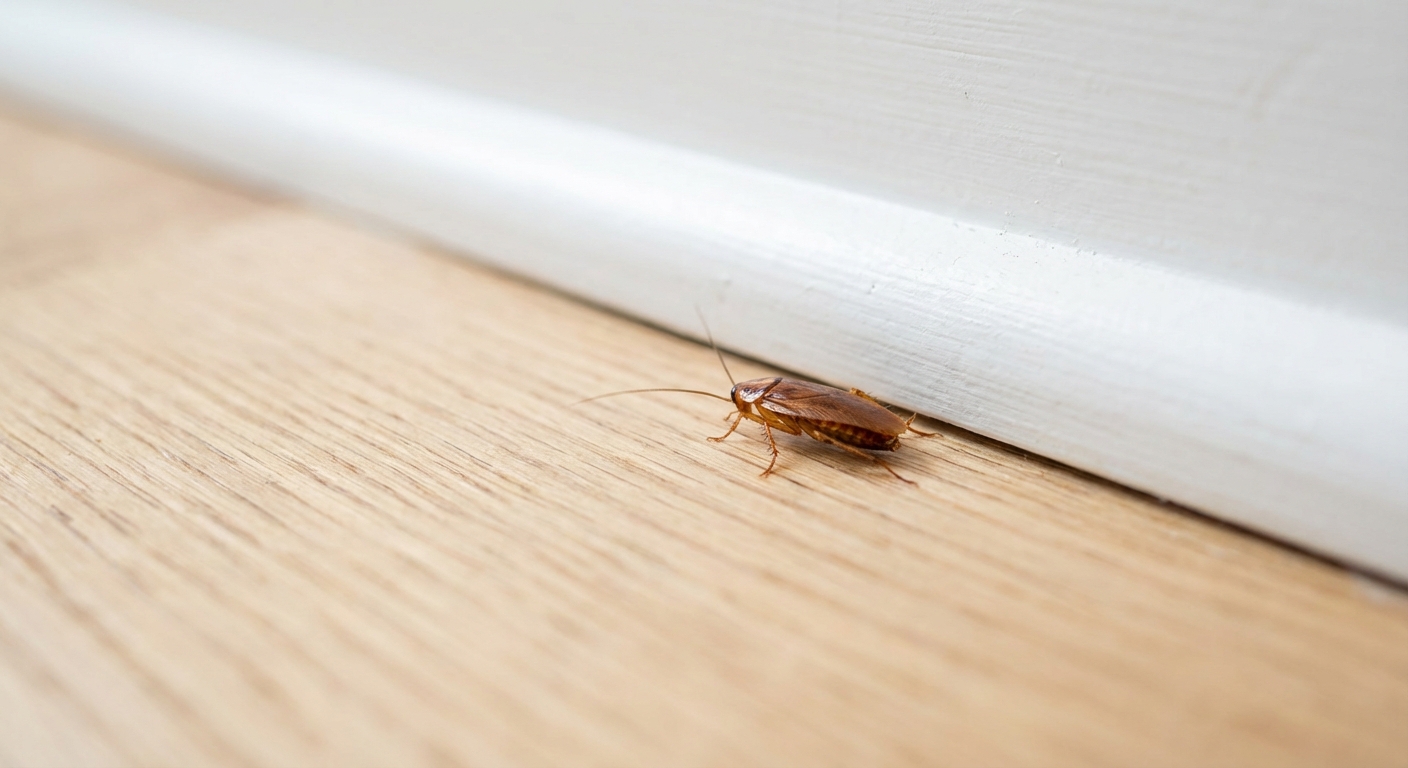
First: Confirm you have roaches (not ants or beetles)
Before you start placing scented cotton balls everywhere, do a quick check. You will get better results if you know which pest you are actually dealing with and where it is traveling.
Common signs of roaches
- Night sightings: You turn on the light and something darts under the stove or fridge.
- Droppings: Pepper-like specks (often German roaches) or darker, larger droppings (often American roaches).
- Egg cases: Tan to brown capsule-shaped cases in drawers, behind appliances, or in clutter.
- Smell: A musty, oily odor can show up when populations grow.
- Smear marks: In damp areas where roaches travel along edges.
Quick species clues (helps choose tactics)
- German roaches: Small (about 1/2 inch), light brown, usually indoors, love kitchens and bathrooms. These are the ones that can explode in numbers fast.
- American roaches: Larger (1 to 1.5 inches), often come from basements, crawlspaces, sewers, and outdoors.
- Smokybrown roaches: Large and dark, common in warm, humid regions, often start outdoors and move in.
If you are seeing German roaches during the day, that often means the population is large enough that they are getting pushed out of hiding. For larger outdoor-leaning species (like American or smokybrown), a daytime sighting can also happen when they wander in, get disturbed, or follow moisture. Either way, repeated sightings are your cue to combine scent-based deterrents with baits and sanitation right away.
How roach-repelling smells work
Roaches “taste” and “smell” with sensory organs on their antennae and mouthparts. Certain plant oils and strong aromatic compounds can be irritating or confusing, so roaches may avoid those areas, especially when the scent is fresh and concentrated.
Two important realities:
- Repel does not equal kill. You may see fewer roaches in one spot because they moved to another spot.
- Over-repelling can interfere with baits. If you put strong scents near bait placements, roaches may avoid the bait too. Keep repellents and baits separated.
Also, results vary a lot by species, concentration, and airflow. Many “natural repellent” claims come from small studies or lab settings, and home results can be hit or miss.
Step-by-step: Smells that may deter roaches
Below are commonly used roach-deterring smells, plus realistic instructions. Think of these as ways to discourage roaches from entering specific areas like pantry corners, under-sink cabinet edges, trash zones, and gaps around plumbing. They are most useful for prevention and for steering roaches away from “clean” zones while baits do the real work elsewhere.
1) Peppermint
Why it may help: Peppermint oil contains menthol and other compounds that many insects avoid. Some people report reduced roach activity in freshly treated areas, but it is not consistent enough to rely on alone.
Best use: As a short-term deterrent around entry points and along baseboards in low-traffic areas.
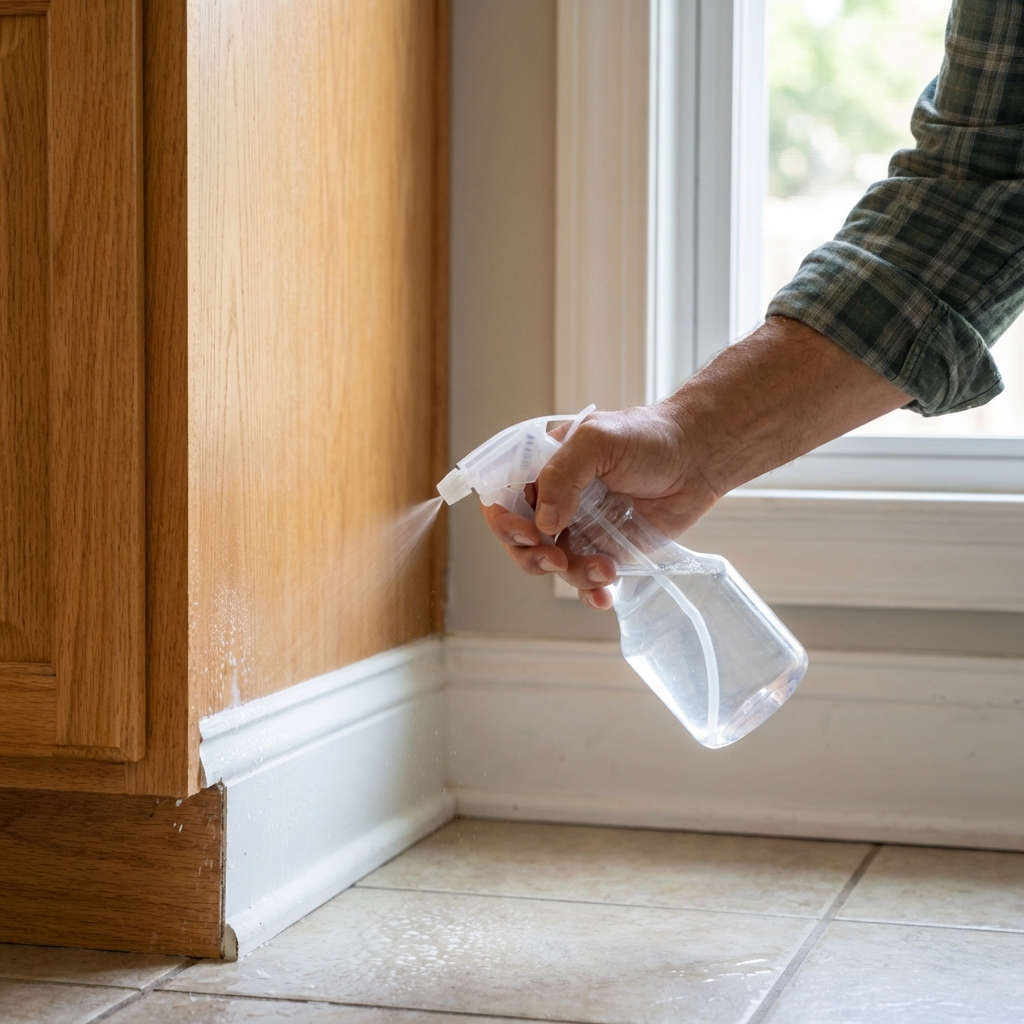
- Mix 10 to 15 drops peppermint essential oil in 1 cup of water, add a small splash of dish soap to help it disperse.
- Lightly spray along baseboards, around plumbing penetrations, and behind the trash can area.
- Reapply every 2 to 3 days at first, then weekly as needed.
Watch-outs: Peppermint oil can be irritating to pets and people with sensitivities. Keep it off food-prep surfaces and out of reach of kids.
2) Eucalyptus
Why it may help: Strong, camphor-like aroma that can disrupt insect behavior in some settings.
Best use: Near likely entry points such as laundry rooms, utility closets, and bathroom plumbing gaps.
- Use the same spray method as peppermint.
- Focus on cracks and crevices, not open counters.
Watch-outs: Some eucalyptus oils are toxic to pets if ingested. Use carefully and never leave soaked cotton balls where pets can grab them.
3) Tea tree oil
Why it may help: Strong odor. Some people include it in cleaning routines, though “repellent” results can vary.
Best use: In a cleaning solution for non-food surfaces like inside empty trash cans or on the exterior of cabinets.
- Add 5 to 10 drops to warm soapy water for wiping down non-porous surfaces.
Watch-outs: Tea tree oil can be dangerous for cats and dogs if ingested. Do not use it where pets lick or where residue can transfer to paws.
4) Citrus (lemon, orange)
Why it may help: Citrus-scented compounds (including limonene in some products) can be unpleasant to roaches in higher concentrations, but the “fresh citrus” effect in a typical kitchen wipe-down is usually short-lived.
Best use: As a short-term deterrent after cleaning, especially in pantry corners and cabinet edges (not as a primary control method).
- Wipe shelves with a mild citrus-scented cleaner, then dry completely.
- If using essential oils, apply lightly into cracks and crevices only, not directly on shelves where food or dishes sit.
Note: Citrus scent fades fast. Think of it as a booster, not the backbone.
5) Lavender
Why it may help: Some people report lavender helps deter insects, but roach results are mixed and often mild at typical home-use levels.
Best use: Low-priority zones like linen closets, storage areas, or around seldom-used entry points.
- Use a light essential-oil spray along door thresholds (indoor side), then let it dry.
6) Bay leaves (bay laurel)
Why it may help: Bay leaves release aromatic compounds that may discourage roaches in enclosed, dry spaces. Evidence is limited and results can be subtle.
Best use: Pantry deterrent in dry areas.
- Place a few dried bay leaves in pantry corners and behind containers.
- Replace every 3 to 4 weeks.
Reality check: This is a mild deterrent. It can help with prevention, but it will not stop an active German roach problem.
7) Cedar
Why it may help: Cedar oils are commonly used to discourage pests in storage spaces, but roach control results can be inconsistent.
Best use: Closets, storage bins, and areas with cardboard clutter (roach-friendly).
- Use cedar blocks in closets or storage spaces.
- Do not rely on cedar alone if roaches are nesting nearby.
Smells that are not great ideas
Some smells show up online as “roach solutions” but tend to cause problems, damage surfaces, or create unsafe indoor air.
- Bleach as a repellent: Bleach can disinfect, but it does not solve roaches. It can also react dangerously with other cleaners and irritate lungs.
- Ammonia: Strong fumes, potential indoor air hazard, and not a real control method.
- Mothballs: Not appropriate for open indoor use. They release pesticides and can be harmful, especially around children and pets.
The control plan that works (use smells as a helper)
If you want fewer roaches next week and not just tonight, pair deterrent smells with the basics that starve and trap them, then add baits that reduce the colony over time. One important warning: heavy use of repellent sprays (including many “natural” sprays) can sometimes scatter roaches into new hiding places, making the problem feel random. That is another reason scents should stay a supporting tool, not the main strategy.
Step 1: Remove food and water like you mean it
- Store food in sealed containers, including pet food.
- Wipe grease and crumbs from stove sides, under toaster areas, and along cabinet kicks.
- Fix drips and dry the sink at night. Water is critical, and limiting moisture often makes a bigger difference than people expect.
- Take out trash nightly if roaches are active.
Step 2: Reduce hiding places
- Remove stacks of paper, grocery bags, and cardboard near warm appliances.
- Declutter under the sink and around the fridge compressor area.
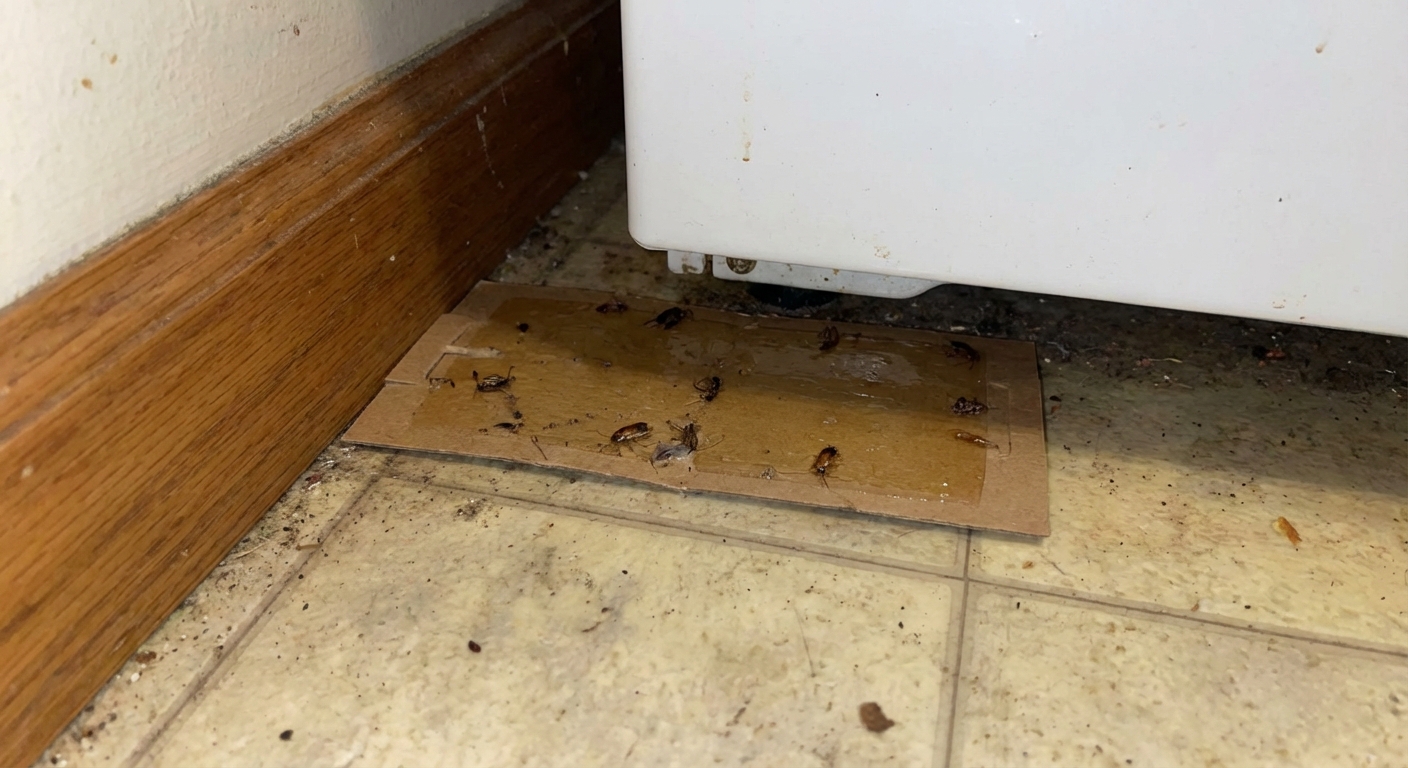
Step 3: Place sticky traps to map routes
Traps do two things: they catch some roaches and they show you where the traffic is heavy.
- Put traps against walls where roaches travel, especially behind the fridge, under the sink, and near the stove.
- Check after 24 to 72 hours. Heavy catches means that zone needs your focus.
Step 4: Use gel baits correctly (and keep scents away)
For indoor infestations, especially German roaches, gel baits are often the most effective DIY product when used correctly.
- Follow the label for placement size and spacing. In general, many small dots or short lines placed in cracks and crevices beats a few big blobs.
- Place bait where traps showed activity: under sink edges, behind the fridge, cabinet hinges, and gaps around plumbing.
- Do not bait on open countertops or where kids and pets can access.
- Do not apply strong essential-oil sprays in the same cabinets, voids, or corners where bait is placed. Keep repellents and bait zones separate so roaches still feed.
- Refresh bait as it dries out or gets eaten.
Step 5: Consider an IGR add-on for German roaches
If you are dealing with German roaches, an insect growth regulator (IGR) can be a powerful companion to gel bait. IGRs do not “kill on contact” like a spray. They disrupt development and reproduction, which helps the infestation shrink over time. Use only products labeled for indoor roach control and follow directions carefully.
Step 6: Seal entry points after activity drops
Do not seal everything first if roaches are already established. You want them to keep encountering traps and baits.
- Caulk gaps along baseboards and around plumbing once trap counts drop.
- Add door sweeps and repair torn window screens.
Step 7: Use repelling smells for perimeter and prevention
Once bait and sanitation are doing their job, scents can help discourage new wanderers and steer roaches away from “clean” zones like pantries and linen closets.
- Spray peppermint or eucalyptus lightly at entry points, not where bait is placed.
- Use bay leaves as a mild pantry deterrent.
- Keep everything dry and crumb-free so your house is not attractive in the first place.
Safety notes (especially with essential oils)
- Ventilation matters. Strong smells in a closed room can irritate lungs and trigger headaches.
- Pets are more sensitive. Cats and dogs can be harmed by ingesting essential oils or repeated exposure to residues. Avoid leaving oil-soaked cotton balls out.
- Keep oils off food and porous surfaces. Do not apply essential oils directly to cutting boards, porous wood, or food-contact areas. In kitchens, target cracks and crevices, let dry, and avoid any surface that touches food or dishes.
- Spot test surfaces. Oils can stain painted cabinets, dull some finishes, and damage certain plastics.
- Never mix cleaners. Do not combine bleach with vinegar, ammonia, or other products.
When to call a pro
Get professional help if any of these are true:
- You are seeing roaches in daylight repeatedly, especially small indoor roaches.
- Trap counts stay high after 10 to 14 days of baiting and sanitation.
- You live in a multi-unit building. Roaches can move between units and you may need building-wide treatment.
- You suspect sewer or crawlspace entry for large roaches and cannot access the source.
Quick FAQ
What smell do roaches hate most?
There is no proven single “most hated” smell across all roach species. Peppermint and eucalyptus are among the most commonly used strong-smelling oils people report using as deterrents. Just remember, “hate” usually means “avoid” rather than “die,” and results can vary.
Will vinegar repel roaches?
Vinegar helps with cleaning and removing food odors, but it is not a reliable roach repellent by itself.
Can I use smells only and skip insecticides?
If you only have an occasional outdoor roach wandering in, deterrents plus sealing and sanitation may be enough. If you have German roaches or repeated indoor sightings, you will almost always need baits (and sometimes an IGR or professional treatment) to end it.
Where should I not use repelling sprays?
Avoid applying strong scents where you want roaches to feed on bait. Do not use repellents in the same cabinets, voids, or corners as gel bait or bait stations. Also avoid food-prep surfaces unless you are using a food-safe cleaner and rinsing afterward.

Jose Brito
I’m Jose Britto, the writer behind The Country Store Farm Website. I share practical, down-to-earth gardening advice for home growers—whether you’re starting your first raised bed, troubleshooting pests, improving soil, or figuring out what to plant next. My focus is simple: clear tips you can actually use, realistic expectations, and methods that work in real backyards (not just in perfect conditions). If you like straightforward guidance and learning as you go, you’re in the right place.