Hydrangeas are pretty forgiving, but spring is where most of the “why didn’t it bloom?” problems start. The good news is you do not need fancy products or perfect timing. You just need to know what type you have, clean up winter damage, then water and feed in a way that supports steady growth.
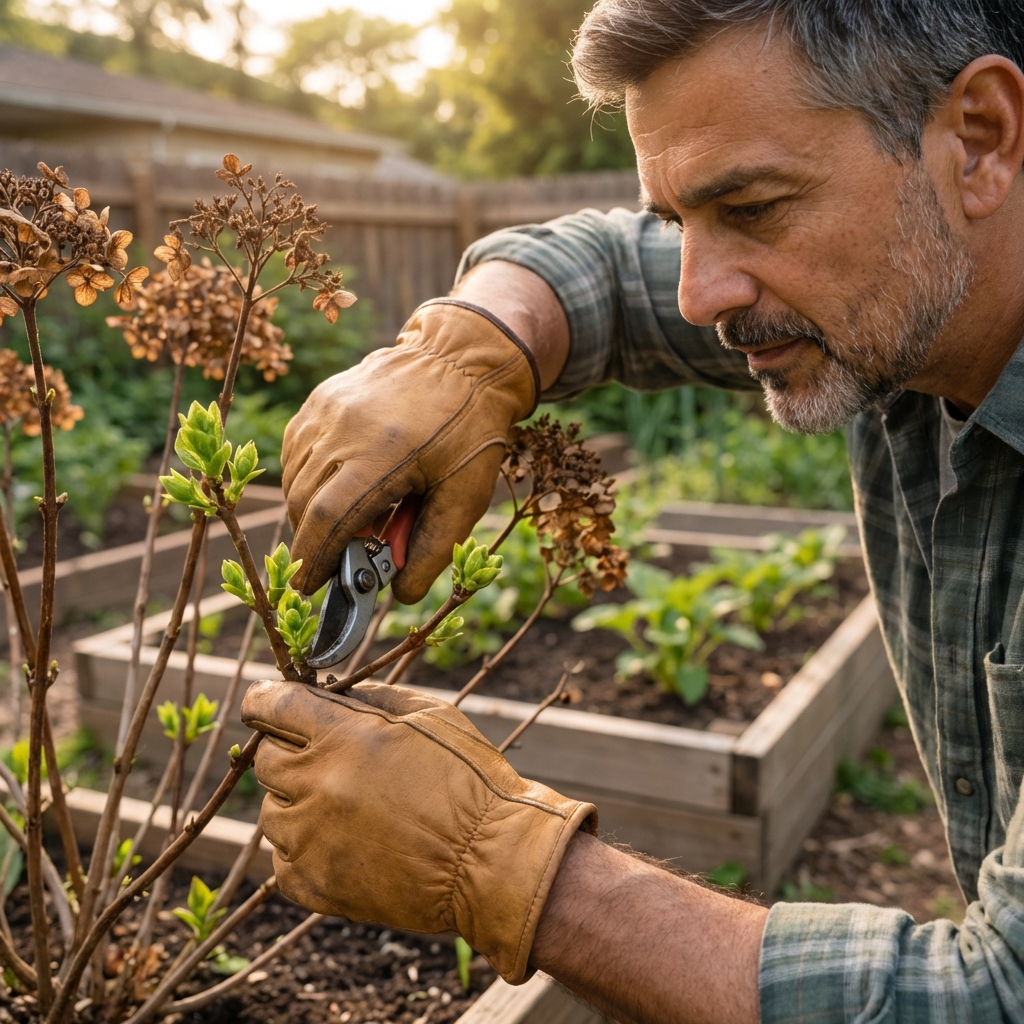
Your quick spring checklist
- Remove winter debris and check for living buds.
- Prune only what is safe for your hydrangea type (and whether it reblooms).
- Water deeply once the soil starts drying out.
- Mulch 2 to 3 inches to stabilize moisture and temperature.
- Fertilize lightly, or not at all if your plant is already vigorous.
- Make sure it gets the right light for its type.
- Watch for late frosts, slugs, and early leaf spot.
Step 1: Identify your hydrangea type (this controls pruning)
If you only do one thing right this spring, make it this. Hydrangeas fall into two main pruning groups: bloom on old wood (buds formed last year) or bloom on new wood (buds formed this year). Some varieties bloom on both, which makes them more forgiving, but they still do best with the right timing.
Common types and what they do
- Bigleaf (Hydrangea macrophylla): many bloom on old wood. Reblooming types can bloom on old and new wood.
- Oakleaf (Hydrangea quercifolia): blooms on old wood.
- Mountain (Hydrangea serrata): blooms mostly on old wood. Some newer varieties rebloom.
- Smooth (Hydrangea arborescens) like ‘Annabelle’: blooms on new wood.
- Panicle (Hydrangea paniculata) like ‘Limelight’: blooms on new wood.
Quick note on rebloomers (bigleaf and mountain)
If your plant is an “Endless Summer-type” rebloomer, treat it like an old-wood hydrangea in spring. Do light cleanup only (dead wood and broken tips), then do any shaping after the first flush of flowers. That way you keep the early buds and still get a tidy plant later.
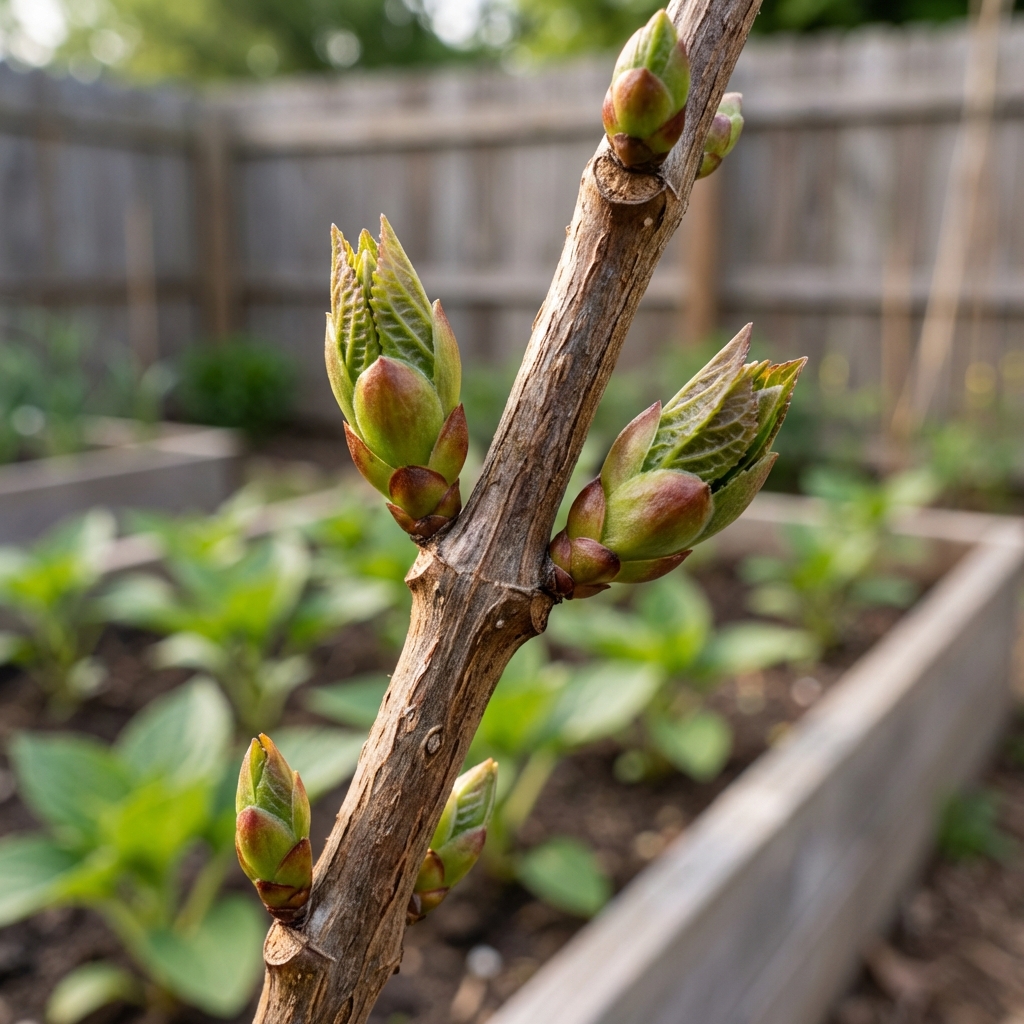
Not sure what you have? The most reliable clue is what it did last year. If it flowered from last year’s stems, prune conservatively like an old-wood bloomer. Also note that all hydrangeas have buds in spring (often leaf buds), so bud appearance alone is not a foolproof ID method. When in doubt, cut less now and reassess after it leafs out.
Step 2: Spring cleanup without stressing the plant
Start by gently removing old leaves, dead stems, and soggy mulch packed against the crown. You are trying to reduce hiding places for slugs and improve airflow, not strip the bed down to bare dirt.
How to tell dead wood from live wood
- Live stems: flexible, with visible buds, often green just under the bark.
- Dead stems: dry and brittle, often pithy inside, no buds, and snaps cleanly.
If you are unsure, do a tiny scratch test with your fingernail on a small section. Green underneath usually means it is alive.
Step 3: Pruning in spring (what to cut and what to leave)
Spring pruning is less about shaping and more about removing what is damaged, weak, or in the way. The right approach depends on bloom type.
If your hydrangea blooms on old wood
- Only remove dead stems and broken tips.
- Cut back to the first pair of healthy buds.
- Skip heavy shaping until after flowering.
If your hydrangea blooms on new wood
- You can cut back in early spring to encourage sturdy new growth.
- For smooth hydrangeas: many gardeners cut to 12 to 24 inches to reduce flopping.
- For panicles: light to moderate pruning is usually enough. Remove thin twigs and shorten stems to shape.
Real-life tip: If your hydrangea is young or recently planted, go easy. Strong roots come first. Big pruning and big feeding are better once the plant is settled.
Step 4: Light and drainage check (fast, but important)
Before you change fertilizer or start moving plants around, do a quick reality check on light and soil. Both can affect bloom and overall vigor.
Simple light guidelines
- Bigleaf and mountain: usually happiest with morning sun and afternoon shade.
- Panicle: handles more sun and often blooms best with 6 or more hours.
- Too much shade: can mean fewer flowers, even if the plant looks healthy.
Drainage matters
Hydrangeas like moisture, not soggy roots. If water puddles around the plant after rain, or the area stays wet for days, consider improving drainage (amending soil with compost, regrading slightly, or planting a bit higher).
Step 5: Watering in spring (steady beats swings)
Hydrangeas like consistent moisture, especially as they leaf out. Spring weather can be tricky because rain comes in bursts, and the topsoil dries fast on sunny days.
A simple watering rule
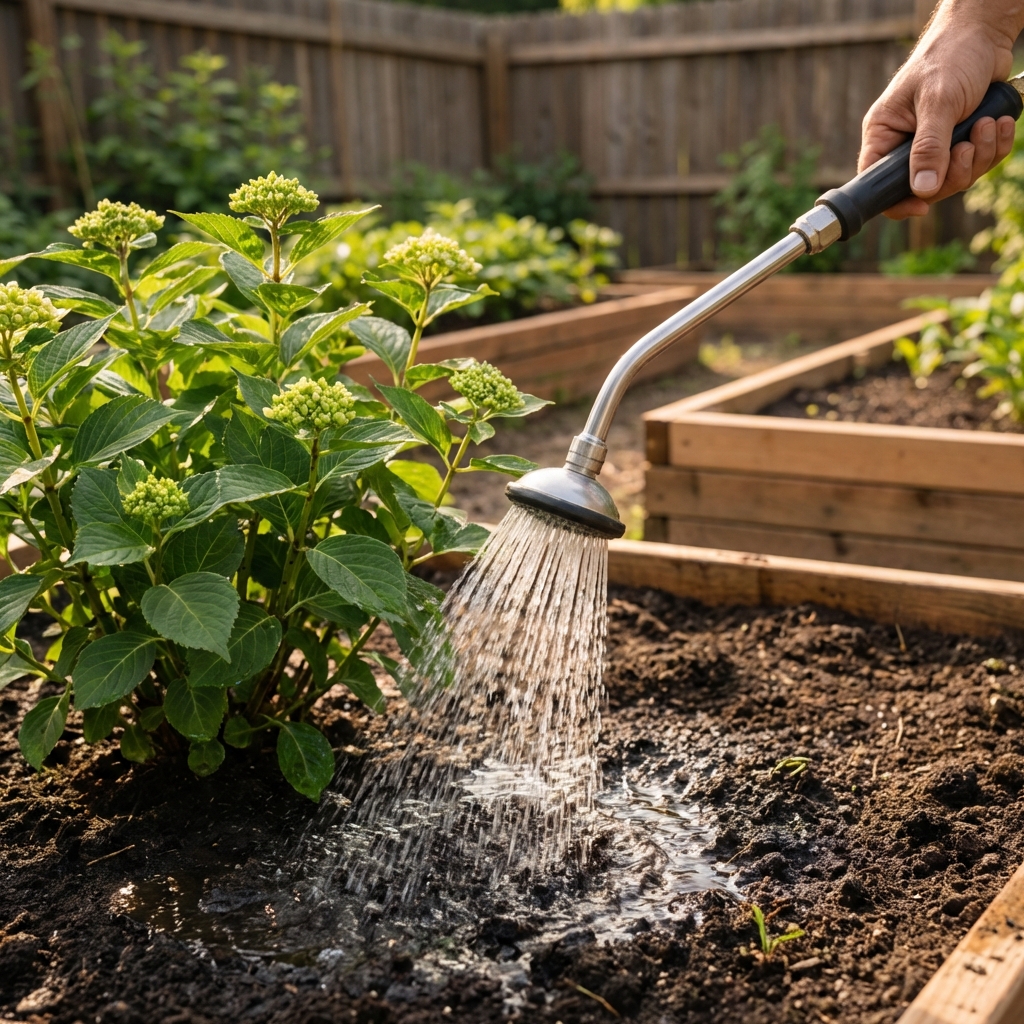
- Water when the top 2 inches of soil feel dry.
- Water deeply at the base so moisture reaches the roots.
- Avoid frequent light sprinkles. They encourage shallow roots.
If your hydrangea wilts mid-day but perks up by evening, it is often heat and sun stress, not an emergency. Still, repeated wilting is a sign to check soil moisture and adjust watering or add afternoon shade if needed. If it is still droopy the next morning, it needs water.
Step 6: Mulch the right way
Mulch is one of the easiest “set it and forget it” upgrades for hydrangeas. It smooths out moisture swings and helps protect roots from late cold snaps.
How to mulch
- Apply 2 to 3 inches of shredded bark, leaf mold, or composted wood chips.
- Keep mulch 2 to 3 inches away from the main stems to prevent rot.
- Refresh lightly instead of piling on more each year.
Step 7: Fertilizing in spring (do less than you think)
Over-fertilizing is a common spring mistake. Too much nitrogen can give you big leaves and fewer blooms, and it can make stems softer and more prone to flopping.
When to fertilize
- If your plant grew well last year and leaves look healthy, you can often skip spring fertilizer.
- If growth was weak, use a balanced slow-release fertilizer as the plant is leafing out (a general-purpose blend such as 10-10-10 or similar).
Easy options
- Compost top-dress: 1 to 2 inches around the drip line is gentle and effective.
- Slow-release granular: apply once, water in well, and follow label rates (more is not better).
About “blue vs pink”: Color tweaks are mostly about soil pH and aluminum availability, and they are not instant. Spring is fine for small adjustments, but focus on overall health first. A struggling plant will not give you great color anyway.
Step 8: Protect buds from late spring frosts
Late frosts are a big reason old-wood hydrangeas fail to bloom. The plant can look totally fine, but the flower buds get zapped.
What to do when frost is forecast
- Water the day before a hard freeze if the soil is dry. Moist soil holds heat better than dry soil.
- Cover the shrub in the evening with a breathable fabric like a sheet or frost cloth.
- Remove the cover in the morning once temperatures rise.
Avoid plastic touching leaves or buds. Plastic can conduct cold where it contacts tissue and worsen damage. If you must use plastic in a pinch, keep it off the plant with a frame and remove it early the next day.
Spring pests and problems to watch for
Hydrangeas are not usually high-drama, but spring is when a few issues show up early. Catching them now makes the rest of the season easier.
Slugs and snails
They love tender new growth, especially in damp, mulched beds.
- Pull mulch back slightly so the soil surface dries faster.
- Hand-pick at dusk if damage is obvious.
- Use iron phosphate bait if pressure is heavy and you need a safer option around pets.
Leaf spots and mildew
- Clean up old leaves around the plant.
- Water at the base, not over the foliage.
- Give the shrub room for airflow. Crowding makes problems worse.
Timing note (because “spring” is different everywhere)
Use the plant, not the calendar. In cold climates, wait until the worst hard freezes have passed and buds are swelling before doing much pruning. In mild climates, you may be cleaning up earlier. When in doubt, start with cleanup first and save serious cuts for when you can clearly see what is alive.
FAQ: common spring hydrangea questions
Should I cut off the dead flower heads in spring?
Yes, you can remove last year’s dried blooms. For old-wood types, cut just above the first healthy pair of buds. For new-wood types, you can be less precise since they bloom on new growth.
My hydrangea has green leaves but no flowers. What happened?
The most common causes are pruning off buds (old-wood types), winter bud damage, not enough light, or too much nitrogen fertilizer. Start by identifying the type, then adjust pruning, placement, and feeding.
When do I start watering regularly?
As soon as the plant is leafing out and the soil starts drying between rains. Spring winds and sun can dry beds quickly even when temperatures are mild.
Bottom line
Spring hydrangea care comes down to a few steady habits: prune based on type (and reblooming), keep moisture consistent, mulch for stability, give it decent light, and avoid over-feeding. Do that, and most hydrangeas will reward you with stronger growth and better blooms without a lot of fuss.

Jose Brito
I’m Jose Britto, the writer behind The Country Store Farm Website. I share practical, down-to-earth gardening advice for home growers—whether you’re starting your first raised bed, troubleshooting pests, improving soil, or figuring out what to plant next. My focus is simple: clear tips you can actually use, realistic expectations, and methods that work in real backyards (not just in perfect conditions). If you like straightforward guidance and learning as you go, you’re in the right place.