Avocados are one of those foods that feel like they go from hard as a baseball to brown mush in no time. The trick is to store them based on their stage: unripe, ripe, or cut. Once you match the storage method to the stage, you stop wasting money and start having avocados ready when you need them.
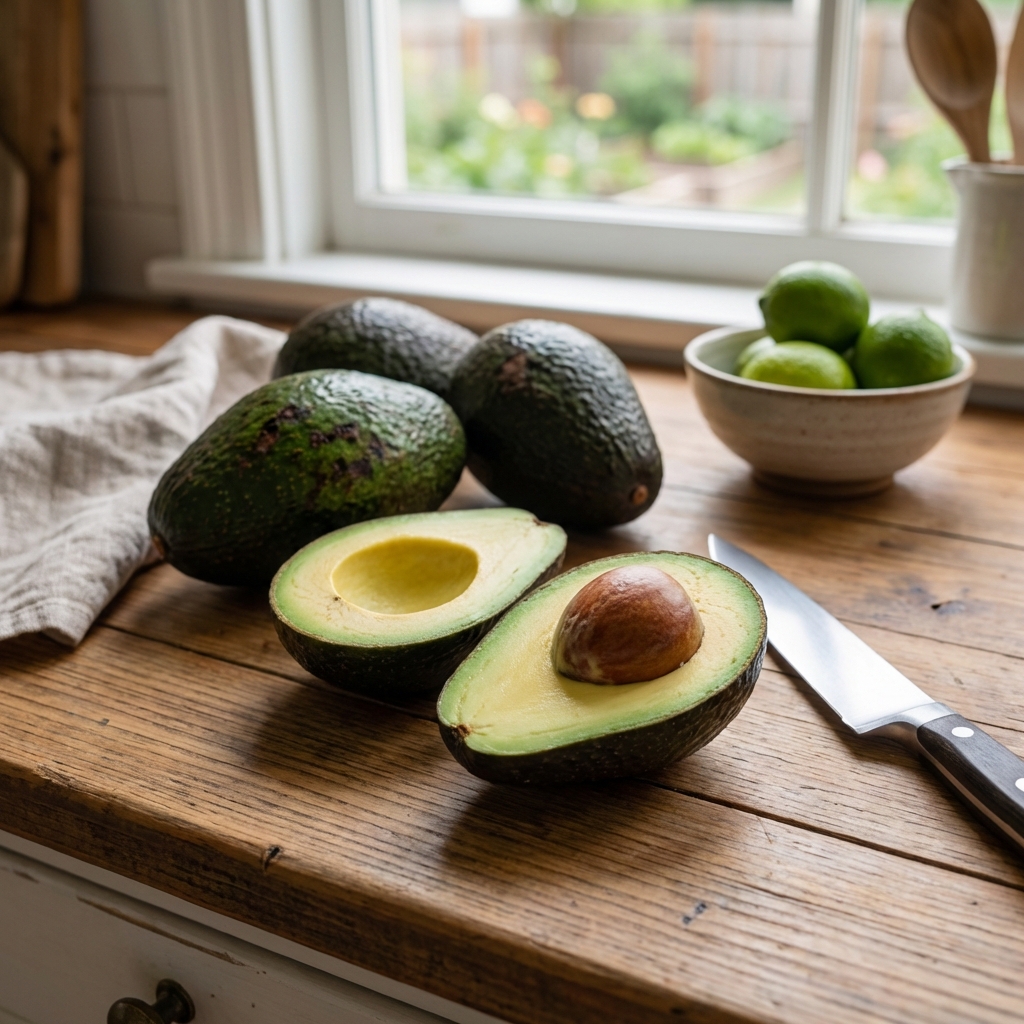
Know your avocado stage first
Before you store anything, do a quick check. This decides whether the counter, fridge, or freezer makes sense.
- Unripe: Firm, no give when you squeeze gently.
- Ripening: Slight give, but still feels a bit tight.
- Ripe: Yields to gentle pressure but does not feel soft or hollow.
- Overripe: Very soft, may have sunken spots, and can smell “fermented” near the stem.
Quick tip: Squeeze the avocado in your palm, not with fingertips. Fingertips bruise and make those brown spots show up later.
Storing unripe avocados
Best method: room temperature
If your avocados are still hard, keep them on the counter at room temperature, out of direct sun. Avoid warm spots like near the stove or on a sunny windowsill. The fridge can delay ripening a lot, and if unripe avocados sit cold for too long, the texture can suffer.
- Where: A cool spot on the counter or pantry shelf.
- How long: Typically 2 to 5 days. Timing varies by variety, starting firmness, and how warm your kitchen runs.
- What to avoid: A sealed plastic bag for days can trap moisture and encourage mold on the skin.
Speeding up ripening
Sometimes you have a recipe planned and the avocado is not cooperating. You can nudge it along safely with ethylene, the natural ripening gas produced by certain fruits.
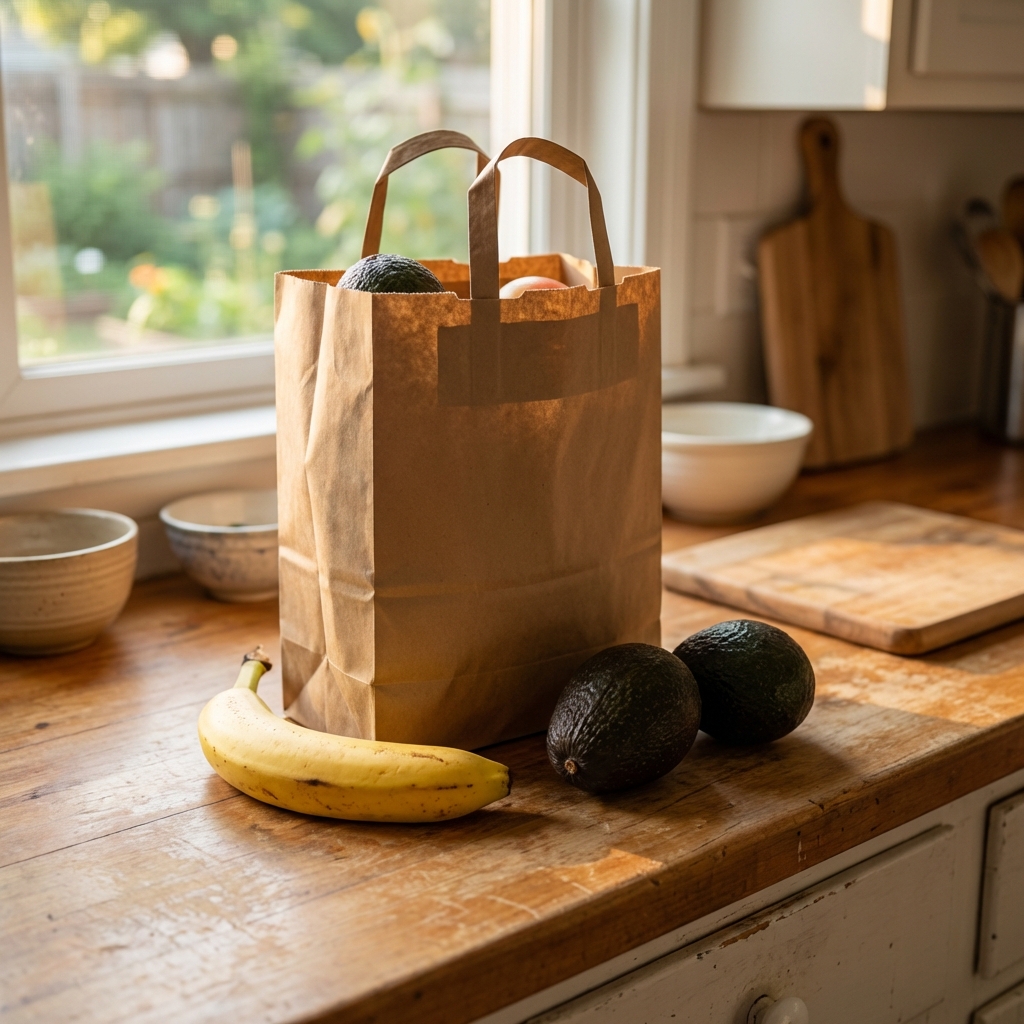
Paper bag method
- Put the avocado in a paper bag.
- Add a banana or apple to speed it up.
- Fold the top over and leave it on the counter.
- Check every 12 to 24 hours.
Most avocados ripen in 1 to 3 days this way, sometimes faster if the added fruit is very ripe. Once it hits the sweet spot (gentle give, not squishy), move it to the fridge to buy time.
What about microwaving or baking?
Microwaving or heating can soften an avocado, but it does not truly ripen it. You can end up with a soft texture and flat flavor. If you are making something heavily seasoned like guacamole, it can be a last resort, but it is not my go-to.
Storing ripe avocados
Best method: refrigerate whole
Once the avocado is ripe, move it to the fridge. Cold temperatures slow down the enzymes that drive ripening, buying you extra days (not forever).
- Where: Fridge, preferably in the crisper drawer.
- How long: Usually 2 to 5 more days. Timing varies by how ripe it was when chilled and the variety.
- Check: Give it a gentle squeeze once it is close to ready, especially if it was already quite soft going in.
Realistic expectation: The fridge is not a pause button. It is more like hitting slow motion.
Storing cut avocados
Once an avocado is cut, browning is mostly oxidation. You cannot stop it forever, but you can slow it down by reducing air contact and adding a little acid. Browning is usually cosmetic. If it smells off, feels slimy, or tastes weird, toss it.
Best method for halves
- If you still have the pit, leave it in. It mainly protects the area it covers by reducing exposed surface, but the wrap and acid do most of the preserving.
- Brush or sprinkle exposed flesh with lemon or lime juice.
- Press plastic wrap directly onto the flesh, then wrap the whole half tightly.
- Refrigerate.
This usually keeps the surface decently green for about 1 day. Sometimes you get closer to 2 days if it was just-ripe and you wrapped it well.
Best method for chunks or mashed avocado
- Mix in a little citrus juice (or a small splash of vinegar if you do not mind the flavor).
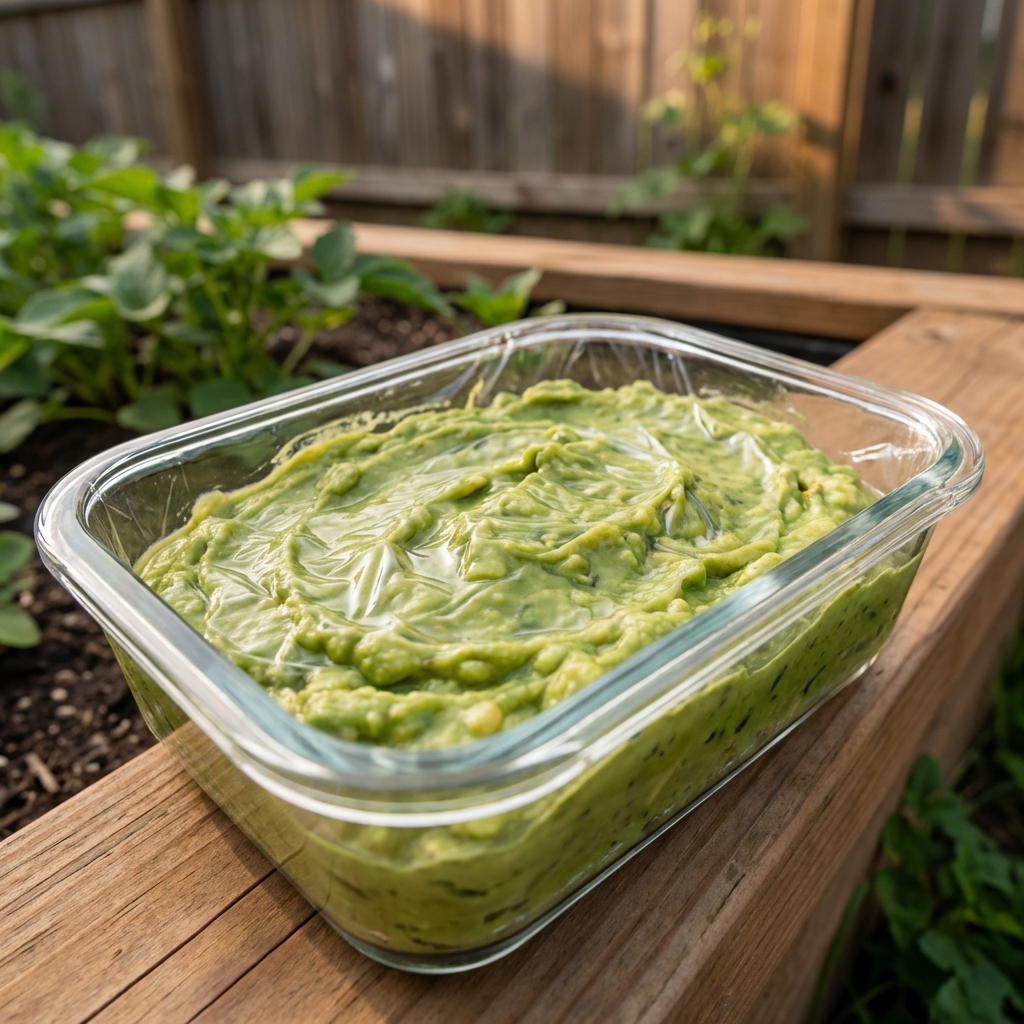
- Pack it into an airtight container and press it down to remove air pockets.
- Add a barrier: press plastic wrap directly onto the surface before sealing the lid.
Does the onion trick work?
Storing avocado with slices of onion in a sealed container can help a bit for some people because of sulfur compounds, but it can also make the avocado smell like onion. If you are sensitive to that, skip it and use the wrap-and-acid method instead.
Can you store an avocado in water?
You might see the “avocado in water” hack online. Submerging cut avocado can reduce browning by limiting air exposure, but it comes with food safety concerns, including higher risk of cross-contamination and bacteria growth (some food safety agencies specifically warn about Listeria). If you do it at all, use a clean container, keep it fully refrigerated, and use it within 24 hours. For most home kitchens, tight wrap plus citrus is the simpler, safer habit.
Freezing avocados
Freezing works, but the texture changes. Frozen-thawed avocado is usually softer and a bit watery, so it is best for blended uses like smoothies, spreads, or baking.
How to freeze halves
- Cut and remove the pit.
- Brush with lemon or lime juice.
- Wrap tightly, then place in a freezer bag and squeeze out extra air.
- Label and freeze.
How to freeze chunks (easy smoothie option)
- Peel, remove the pit, and cut into chunks.
- Toss with a little citrus juice.
- Freeze on a sheet pan until firm, then transfer to a freezer bag.
How to freeze mashed avocado (my favorite method)
- Mash with a little citrus juice.
- Portion into freezer bags or silicone trays.
- Press flat in bags for quick thawing.
How long: Best quality within about 3 to 6 months. This varies based on freezer temp and how well it is wrapped.
Thawing: Thaw in the fridge overnight, or use directly in smoothies. If it looks a bit watery after thawing, stir well and drain off a small amount if needed.
How to pick avocados
If you buy all your avocados at the same ripeness, you are forced to race the clock. The simplest fix is to buy a mix.
- Buy one ripe for today or tomorrow.
- Buy one or two firmer for later in the week.
- As soon as the “later” ones soften, move them to the fridge.
Stem check: If the little stem nub flicks off easily and you see green underneath, it is usually in a good zone. If it is brown underneath, it may be overripe inside.
Common storage problems
Problem: It is brown on top but fine underneath
That is normal oxidation. Scrape off the top thin layer and use the bright green avocado underneath. If it smells off or has widespread gray stringy flesh, compost it.
Problem: It ripened too fast in the paper bag
It happens. Once it hits ripe, move it to the fridge immediately. If your kitchen is warm, check paper bags more often.
Problem: Black strings or fibrous texture
This is often due to variety, age, or growing conditions. It is not always dangerous, but the eating quality is usually poor. Use it for blending if the flavor is okay, otherwise toss it.
Problem: Brown spots inside a “ripe” avocado
Usually bruising or internal damage. Cut around small spots. If there are lots of dark areas, it is past its prime.
Quick storage cheat sheet
- Hard/unripe: Counter, 2 to 5 days (varies).
- Need it faster: Paper bag with banana or apple, check every 12 to 24 hours.
- Perfectly ripe: Whole avocado in the fridge, about 2 to 5 days (varies).
- Cut half: Citrus + wrap tight, fridge, about 1 day (pit optional, helps mostly where it covers).
- Leftover mash: Airtight container with plastic wrap pressed on surface, fridge, 1 to 2 days.
- Long term: Freeze mashed, chunks, or halved with citrus, best within 3 to 6 months.
Bottom line
If you remember one thing, make it this: counter for unripe, fridge for ripe, airtight and acidic for cut. That simple switch handles most avocado headaches and keeps your timing under control without relying on gimmicks.

Jose Brito
I’m Jose Britto, the writer behind The Country Store Farm Website. I share practical, down-to-earth gardening advice for home growers—whether you’re starting your first raised bed, troubleshooting pests, improving soil, or figuring out what to plant next. My focus is simple: clear tips you can actually use, realistic expectations, and methods that work in real backyards (not just in perfect conditions). If you like straightforward guidance and learning as you go, you’re in the right place.