If you grow food at home, you already know the real win is using what you harvest before it goes off. Avocados are tricky because the moment you cut one, it starts turning brown. The good news is browning is mostly a quality issue, not an instant spoilage issue, and you can slow it down a lot with a few simple habits.
This guide covers what actually works for storing cut avocado, what is mostly hype, and how long you can realistically keep it in the fridge or freezer for best quality.
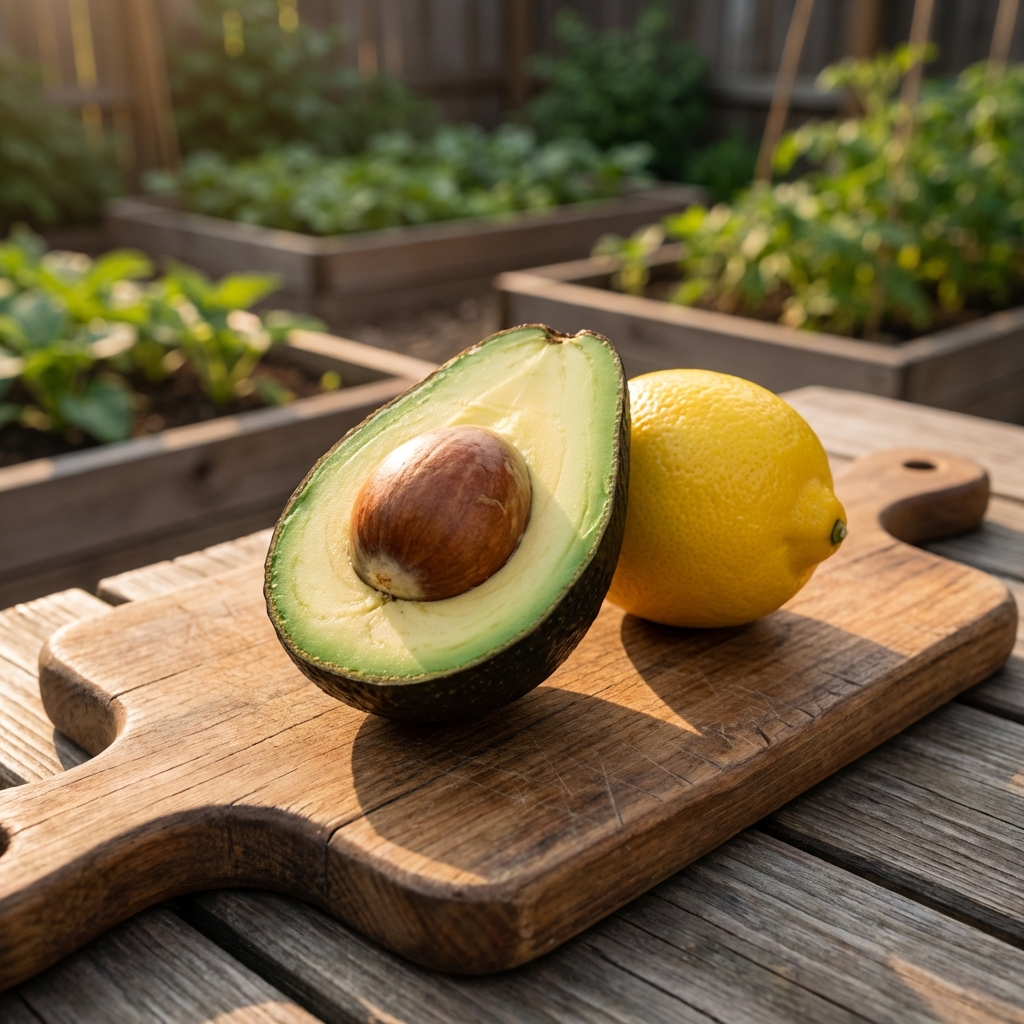
Why cut avocado turns brown
Avocado browning is caused by enzymatic oxidation. When the flesh is exposed to air, an enzyme reacts with oxygen and the surface darkens. You will see this faster when the avocado is very ripe, the room is warm, or the cut surface is large and uncovered.
So your job is simple: limit oxygen and slow the enzyme reaction. You do that with airtight storage, a little acid, and cold temperatures.
Quick rules that prevent most browning
- Use an airtight container. A loose cover or a cracked lid will not keep enough oxygen out.
- Press out air when you can, especially with mashed avocado.
- Add acid (lemon or lime) on the cut surface.
- Refrigerate quickly. Do not leave cut avocado on the counter “for later.”
- Keep the cut surface small. Store halves instead of slices when possible.
- Leave the skin on for halves. It adds a little extra protection.
Best way to store avocado halves
Method: Acid + airtight contact
This is my go-to because it is reliable and uses basic kitchen stuff.
- Step 1: Leave the avocado in halves if possible. Keep the skin on. Keep the pit in one half if it is already there, but do not rely on it as the main solution.
- Step 2: Brush or rub a thin layer of lemon or lime juice over the cut flesh. You only need a little.
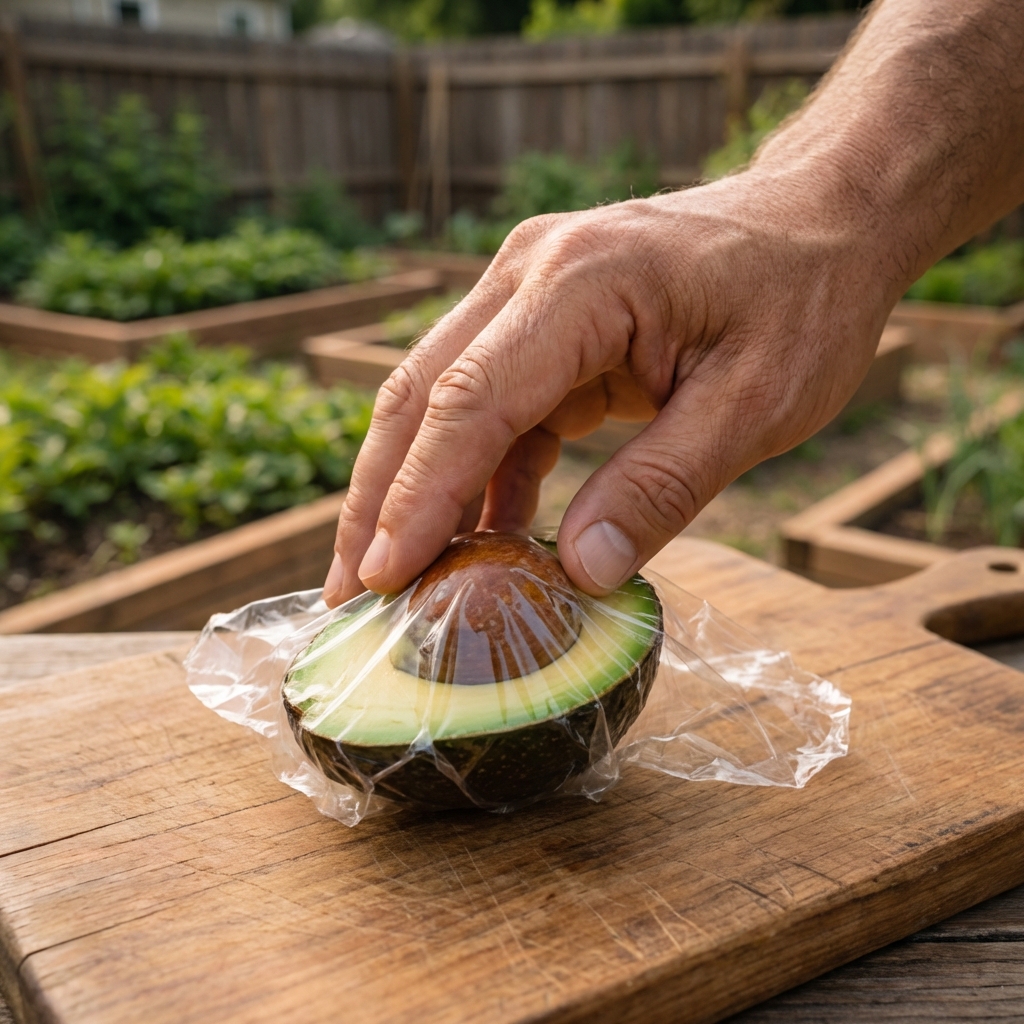
- Step 3: Press plastic wrap directly onto the cut surface so there are no air pockets.
- Step 4: Put the wrapped half into an airtight container. The wrap is the key barrier. The container adds protection and helps prevent fridge smells.
- Step 5: Refrigerate.
Expected freshness (best quality): Usually 1 to 2 days with minimal browning. After that, quality drops fast.
Best way to store sliced avocado
Slices brown faster because they have more exposed surface area. If you need slices for tomorrow’s lunch, do this:
- Lightly coat slices with lemon or lime juice.
- Lay them in a single layer in a small airtight container.
- Press plastic wrap directly onto the slices before closing the lid, or use a container that minimizes headspace.
Expected freshness (best quality): About 24 hours for decent color and texture. After that, they tend to get dull and soft.
Best way to store mashed avocado or guacamole
Mashed avocado is all surface area, which is why it browns so quickly. The trick is eliminating air contact at the top.
Method: Flatten + seal + chill
- Pack the mashed avocado into a small container.
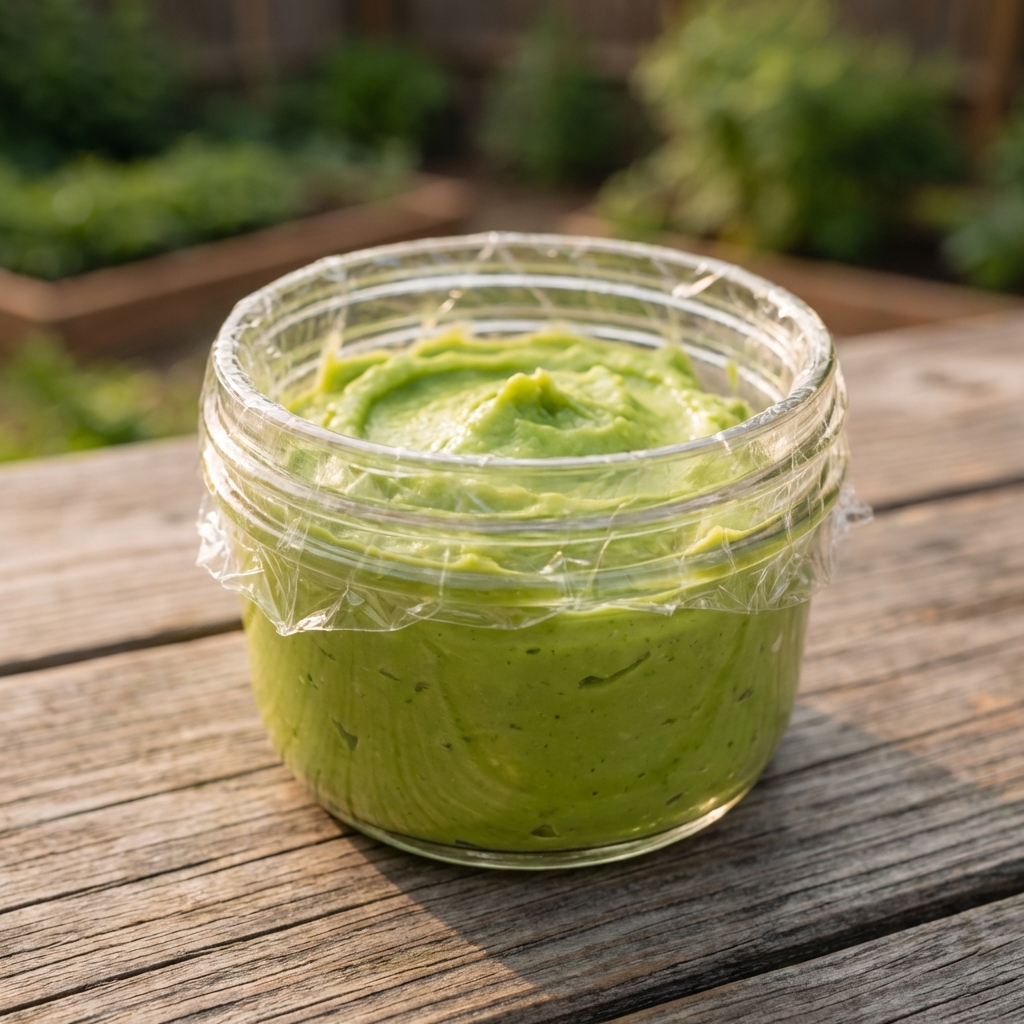
- Use a spoon to flatten the top so it is smooth.
- Press plastic wrap directly onto the surface.
- Close the lid and refrigerate.
If it is guacamole, the added lime juice helps. If it is plain mashed avocado, add a small squeeze of lemon or lime if the flavor works for what you are making.
Expected freshness (best quality): 1 day is best, 2 days is sometimes okay if well sealed.
The onion trick: does it work?
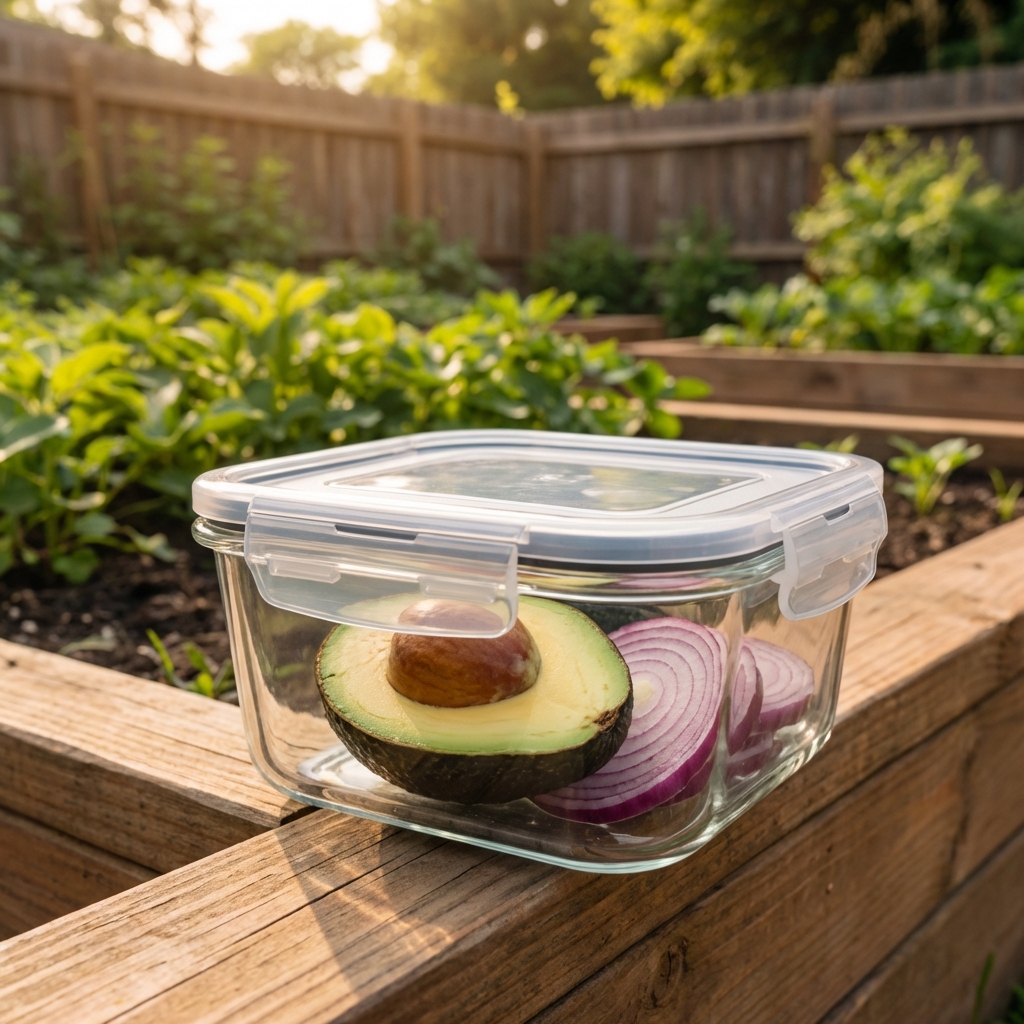
It may help, and plenty of home cooks swear by it. The exact “why” is not as clear as the citrus-and-airtight method, but the general idea is that onion’s natural compounds in a sealed container can reduce browning around the avocado.
Method: Onion in the container (not on the avocado)
- Slice a chunk of red or yellow onion.
- Place onion pieces in one side of an airtight container.
- Place the avocado half or slices cut-side up on the other side, not directly touching the onion if you want a milder flavor transfer.
- Seal and refrigerate.
Note: Avocado can pick up onion smell. For savory meals that is fine. For smoothies or sweet uses, skip this method.
Should you keep the pit in?
Keeping the pit in only protects the area it covers. The exposed flesh still browns. If you are storing a half with the pit, it does not hurt, but it is not a full solution.
If you want the half to look decent tomorrow, focus on acid + airtight contact. That is what does the heavy lifting.
Cut avocado in water?
You might see advice to store avocado halves submerged in water in the fridge. It can reduce browning because it blocks oxygen, but it is not my favorite method for two reasons:
- Texture: the surface can get watery and a little slimy.
- Food safety: several food safety authorities and extension programs have warned against this viral trend because bacteria can grow in the water and on the avocado’s surface. Refrigeration slows growth, but it does not eliminate risk.
If you use this method anyway, keep it very short term (same day), refrigerate immediately, and discard the water. For most home kitchens, wrap-to-surface storage is a better choice and works just as well.
Plastic-free options
If you avoid plastic wrap, you can still get good results. The goal is the same: direct contact with the cut surface and minimal air.
- Reusable silicone wrap: Press it directly onto the cut face, then store in an airtight container.
- Beeswax wrap: It can help, especially for halves, but it is harder to get a true airtight seal. Use it with a snug container for best results.
- Vacuum sealing: Very effective for halves or chunks (great if you freeze avocado often).
Freezing avocado (best for gardeners who hate waste)
If you have several ripe avocados at once, freezing is the most practical option. The texture changes after freezing, so it is best for smoothies, spreads, dressings, and baking, not pretty slices.
How to freeze avocado halves
- Choose ripe, not overripe fruit.
- Cut in half, remove pit, and peel.
- Brush with lemon or lime juice.
- Wrap tightly and place in a freezer bag. Press out as much air as possible.
How to freeze mashed avocado
- Mash with a little lemon or lime juice (about 1 tablespoon per 2 avocados is a common starting point, adjust to taste).
- Pack into a freezer bag and flatten so it freezes quickly.
- Press out air and seal.
Freezer timeline (best quality): Best quality within 3 months, but often fine up to 6 months if well sealed.
Thawing tip: Thaw in the fridge overnight, then stir. If there is extra liquid, pour it off or mix it in depending on your recipe.
How long does cut avocado last?
These are realistic timelines for best quality in most home fridges. Actual shelf life varies with ripeness, fridge temperature, and how well you sealed it.
- Avocado half (acid + wrap contact + container): 1 to 2 days
- Sliced avocado (acid + airtight): about 1 day
- Mashed avocado or guacamole (flattened, wrap-to-surface, lidded): 1 day, sometimes 2
- Frozen avocado: best within 3 months
Browning on the very top layer is common. If it smells fine and the flesh under the surface is still green, you can often scrape off the browned layer and use the rest the same day.
When to toss it
Avocado that is a little brown is usually just oxidized. Avocado that is spoiled is a different story. Toss it if you notice:
- Off smell (sour, rancid, or “fermented”)
- Visible mold
- Unusual slime or a very wet, slick surface combined with off odor
- Very gray-brown flesh throughout that tastes bitter or stale
- Unusually stringy texture paired with other spoilage signs (some avocados are naturally a bit fibrous)
Also, follow basic food-safety habits. If cut avocado has been left at room temperature for more than about 2 hours (less in hot weather), do not push your luck. When in doubt, throw it out.
Gardeners’ storage kit
You do not need special gadgets to store cut avocado well. This short list covers almost everything:
- Small airtight containers (smaller is better because it reduces air space)
- Plastic wrap, reusable silicone wrap, or beeswax wrap (for direct surface contact)
- Lemons or limes
- Freezer bags for bulk freezing
- Permanent marker for dating freezer bags
Common questions
Does olive oil prevent browning?
A thin oil layer can block oxygen, but it can also make the surface taste oily and feel slick. For most uses, citrus + airtight contact is cleaner and more predictable.
Can I store avocado in a silicone “avocado saver” container?
They help by reducing air, especially for halves, but results vary by fit. If the avocado is not snug, add a little citrus and consider wrap-to-surface (plastic or reusable) for best results.
What is the single best method?
For most households: lemon or lime on the cut surface, wrap pressed directly on the flesh, then into an airtight container in the fridge.
Bottom line
If you remember nothing else, remember this: air is the enemy. Cut avocado stays green longer when you add a little acid, put a barrier directly on the flesh, and keep it cold. Once you get that routine down, you will waste less and you will be a lot more willing to use “just half” of an avocado instead of forcing yourself to eat the whole thing at once.

Jose Brito
I’m Jose Britto, the writer behind The Country Store Farm Website. I share practical, down-to-earth gardening advice for home growers—whether you’re starting your first raised bed, troubleshooting pests, improving soil, or figuring out what to plant next. My focus is simple: clear tips you can actually use, realistic expectations, and methods that work in real backyards (not just in perfect conditions). If you like straightforward guidance and learning as you go, you’re in the right place.