Farms change over time. Not always in big, dramatic ways, but in the steady kind of ways you notice after walking the same lanes through every season. The Country School Farm has always been built on practical work and the kind of learning that comes from doing. What changed is that we began inviting more people into that process, not to “visit a farm,” but to learn on a farm, while the work still gets done.
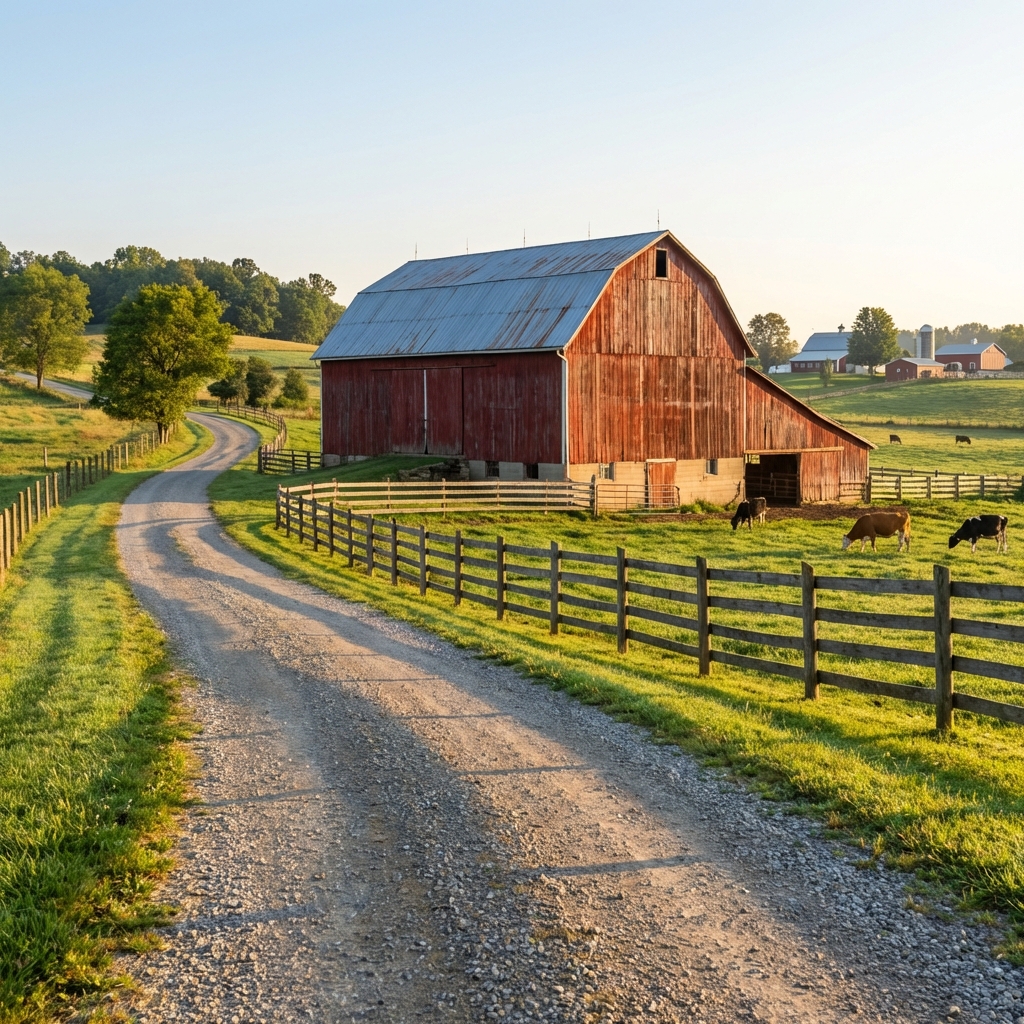
In simple terms, a learning farm is a working farm that teaches in real time. The chores are real, the timing matters, and students learn by stepping into the day-to-day rhythm.
This page shares where we started, how the farm grew into a learning farm, and what it means to keep education and real production side by side on the same farm.
Rooted in Holmes County
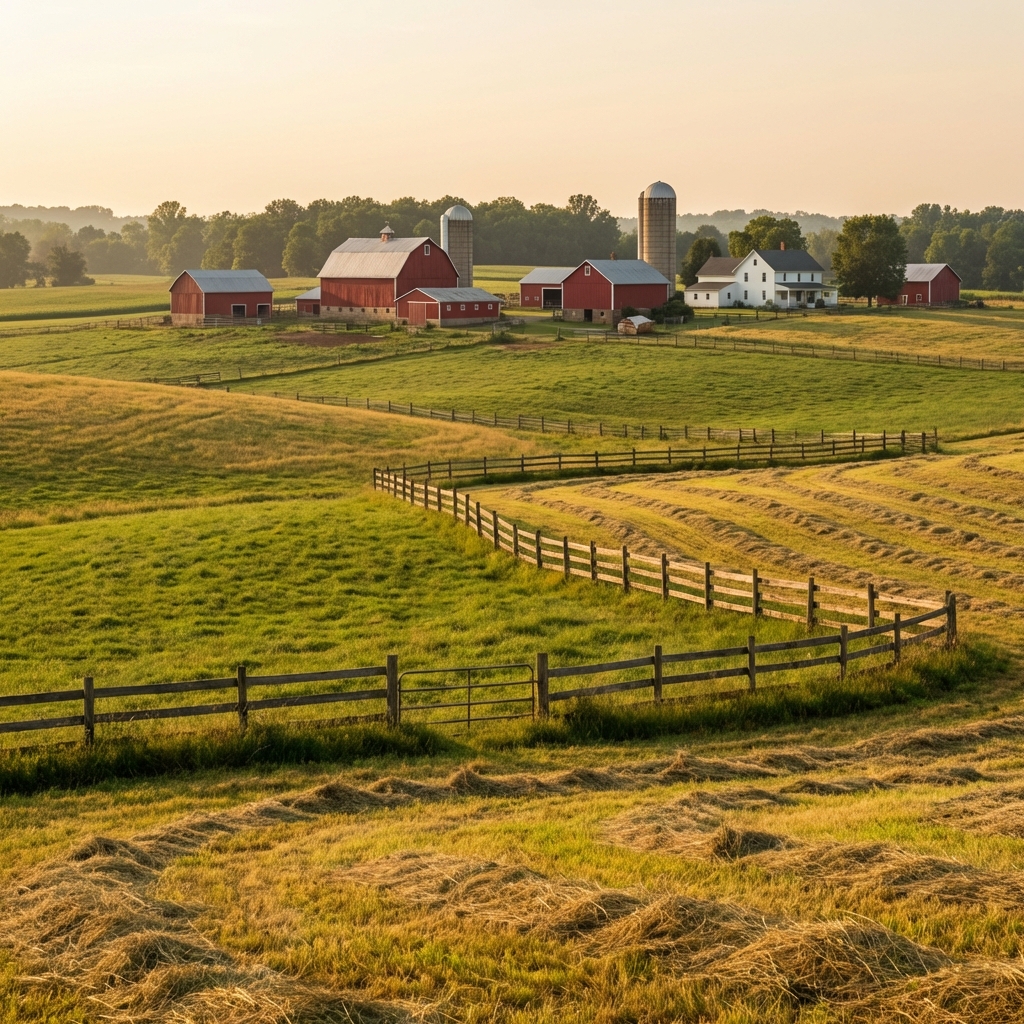
Holmes County is a place with a strong tradition of dairy barns, hay fields, garden plots, and managed pasture. Our farm is part of that landscape. The land, the seasons, and the local farming culture shaped how we operate from the start.
That matters, because it sets expectations. This is not a “storybook” farm where everything is always neat and tidy. It is a working place, which means:
- There is always something that needs fixing.
- Chores come first, even when the weather is not cooperating.
- Plans change fast when animals, soil, or timing demands it.
Those realities are exactly what make the farm such a good classroom.
From working farm to learning farm
The idea of a learning farm did not come from a marketing plan. It came from a simple observation: many people learn well when they can see the whole process and put their hands on the work.
Over time, the farm became a place where students and visitors could step into real farm rhythms and understand the “why” behind the work. Not just what we do, but why we do it that way. When to act, when to wait, and how to make decisions based on what the weather and timing are actually giving you.
As the learning side grew, we held onto one non-negotiable principle: education would not replace the farm’s real responsibilities. It would run alongside them.
A real working farm
Plenty of places can teach farm concepts from a workbook or a weekend demonstration. A learning farm is different when it is still producing, still maintaining infrastructure, and still answering to the calendar.
On a real working farm, the lessons are built into the day:
- Consistency: chores are not optional.
- Stewardship: soil, water, and animals require long-term thinking.
- Problem solving: weather and pests do not care about your schedule.
- Efficiency: you learn quickly how to do a job well without wasting time or effort.
This is also where realistic expectations come from. Sometimes a crop struggles. Sometimes you replant. Sometimes you adjust and move on. Those are not failures. They are farming.
How learning happens
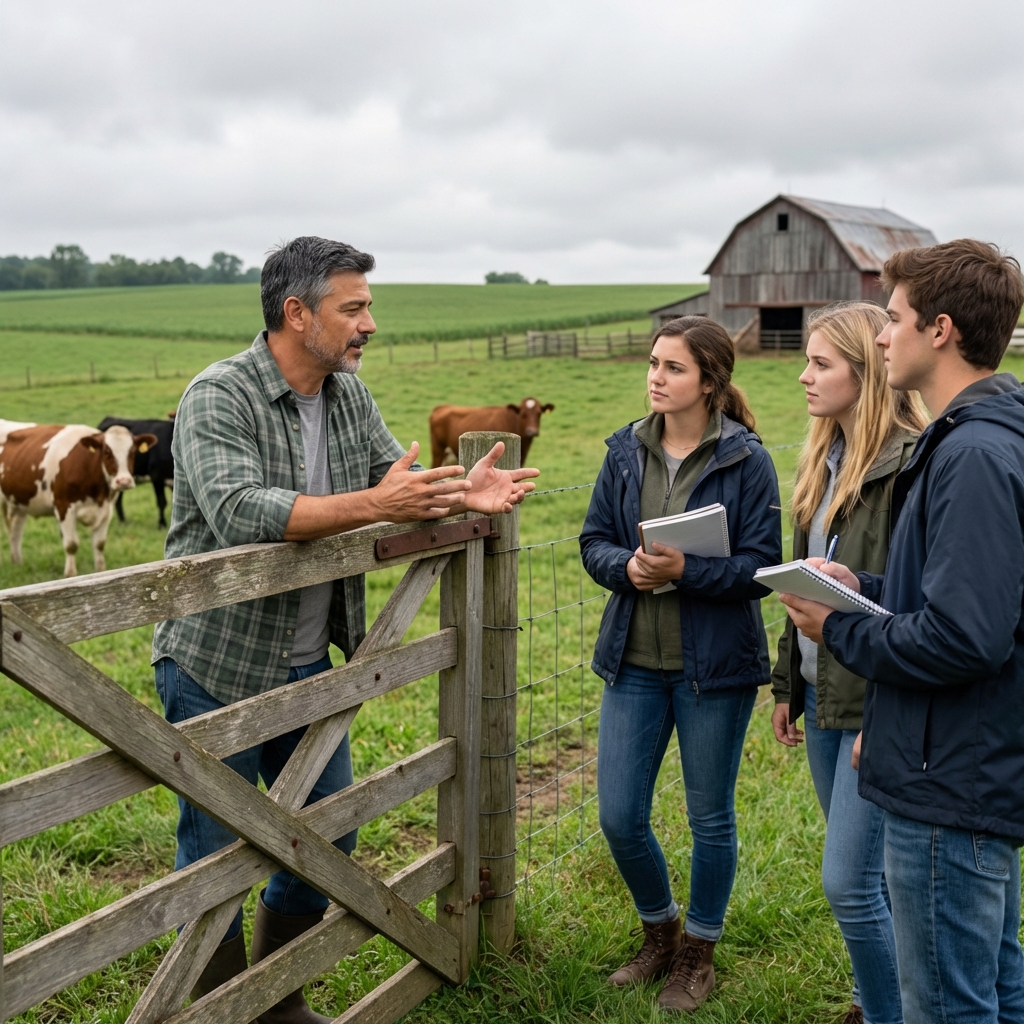
At the Country School Farm, learning is hands-on and practical. We aim to teach skills that translate to real life, whether you want to grow a better backyard garden, understand where food comes from, or build confidence working with animals and land.
Depending on the season and the needs of the farm, learning may include:
- Understanding soil and what it needs to stay productive.
- Planting and timing, including what happens when timing is off.
- Basic animal care, observation, and daily routines.
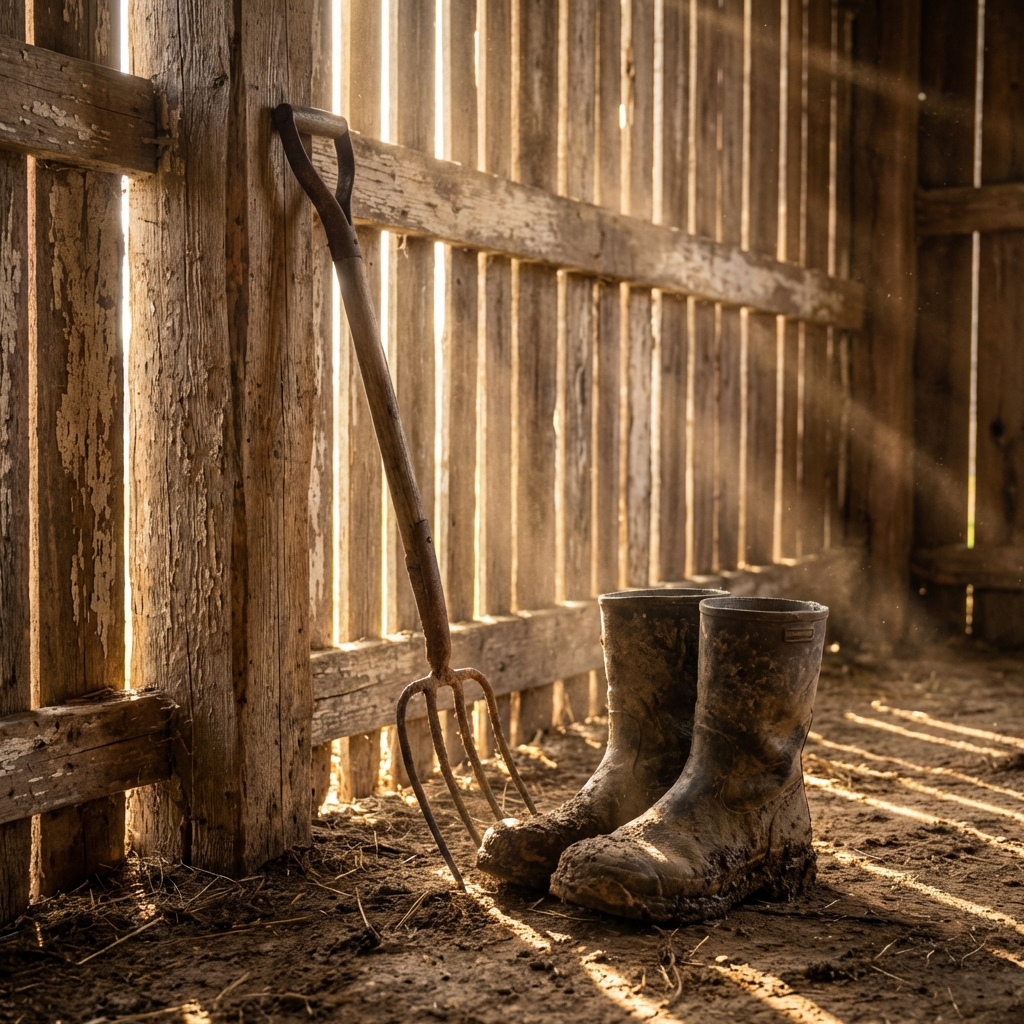
- Maintenance work that keeps a farm running, like fencing, barn care, and tool handling.
- Harvest and post-harvest handling, where the details matter.
We treat every task as a chance to teach the larger idea behind it. Not just “do this,” but “here is what this affects next week, next month, and next season.”
Why we keep it practical
Some of the best farm knowledge is simple, but it is not always easy. It takes repetition and attention, and it takes seeing the same job in different conditions. We focus on practical methods because they are the most transferable.
That means we talk about things like:
- Doing the basics well before chasing fancy fixes.
- Working with the land you have, not the land you wish you had.
- Building habits that make everything else easier, like tool care and consistent routines.
- Keeping notes and learning from what actually happened, not what “should” have happened.
It is the same mindset we use when we teach and when we write about gardening for home growers: clear steps, realistic outcomes, and a focus on what works in the real world.
The farm today
Today, the Country School Farm continues to balance two things at once: the daily work of farming and the responsibility of teaching. That balance is not always perfect, but it is honest. Students and visitors do not just see the highlights. They see the process, the fixes, and the follow-through.
If you are wondering whether this kind of learning is for you, it usually fits anyone who wants to understand food and farming from the inside out. Students, families, and small groups all tend to do well here. If you are looking for a next step, check our workshops or visit options, wherever you found this page.
That is the heart of our history and our direction going forward. We are building something that lasts by staying rooted in real work, and by sharing what we learn as we go.
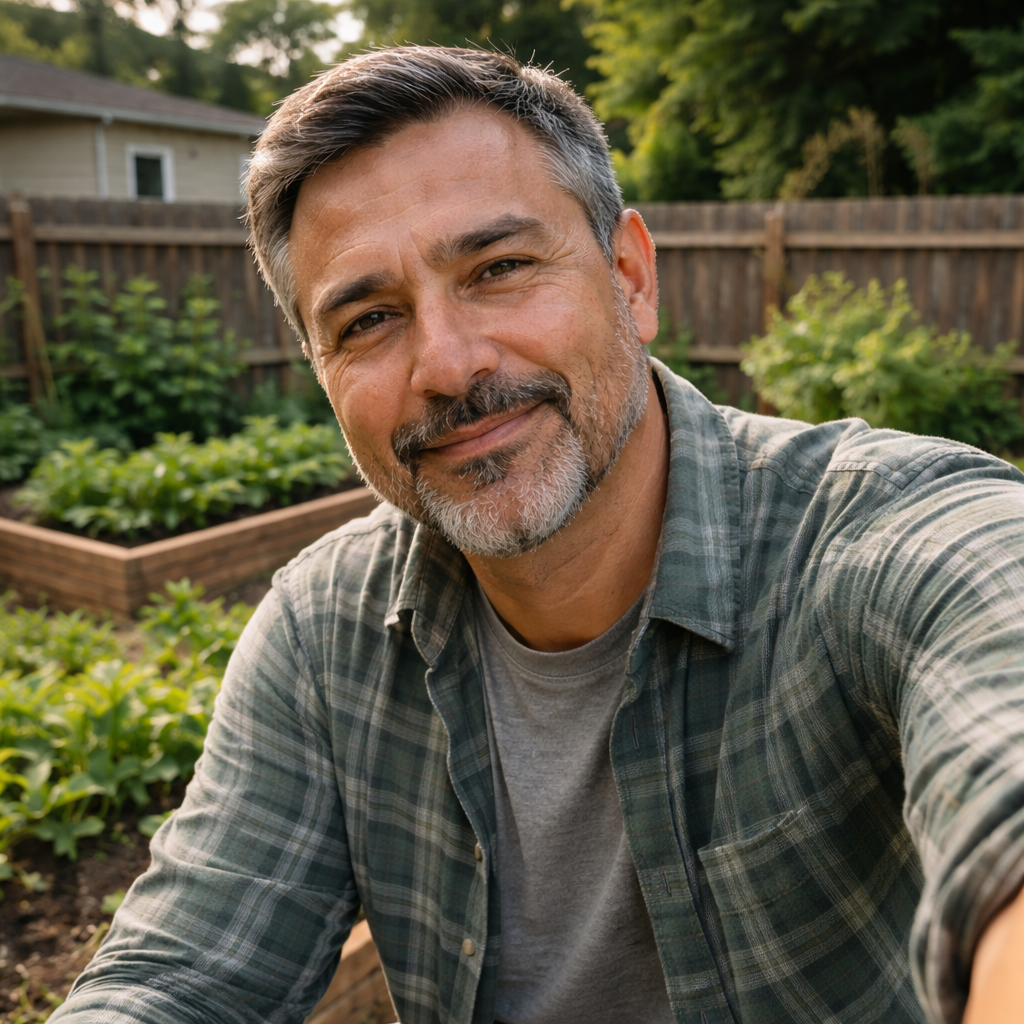
Jose Brito
I’m Jose Britto, the writer behind The Country Store Farm Website. I share practical, down-to-earth gardening advice for home growers—whether you’re starting your first raised bed, troubleshooting pests, improving soil, or figuring out what to plant next. My focus is simple: clear tips you can actually use, realistic expectations, and methods that work in real backyards (not just in perfect conditions). If you like straightforward guidance and learning as you go, you’re in the right place.