Wasp stings happen fast, especially when you are watering, pulling weeds, or bumping into a hidden nest in a shrub. The good news is most stings can be treated at home with basic first aid. The key is knowing what a normal reaction looks like, what is not normal, and how to reduce the chances of getting stung again.
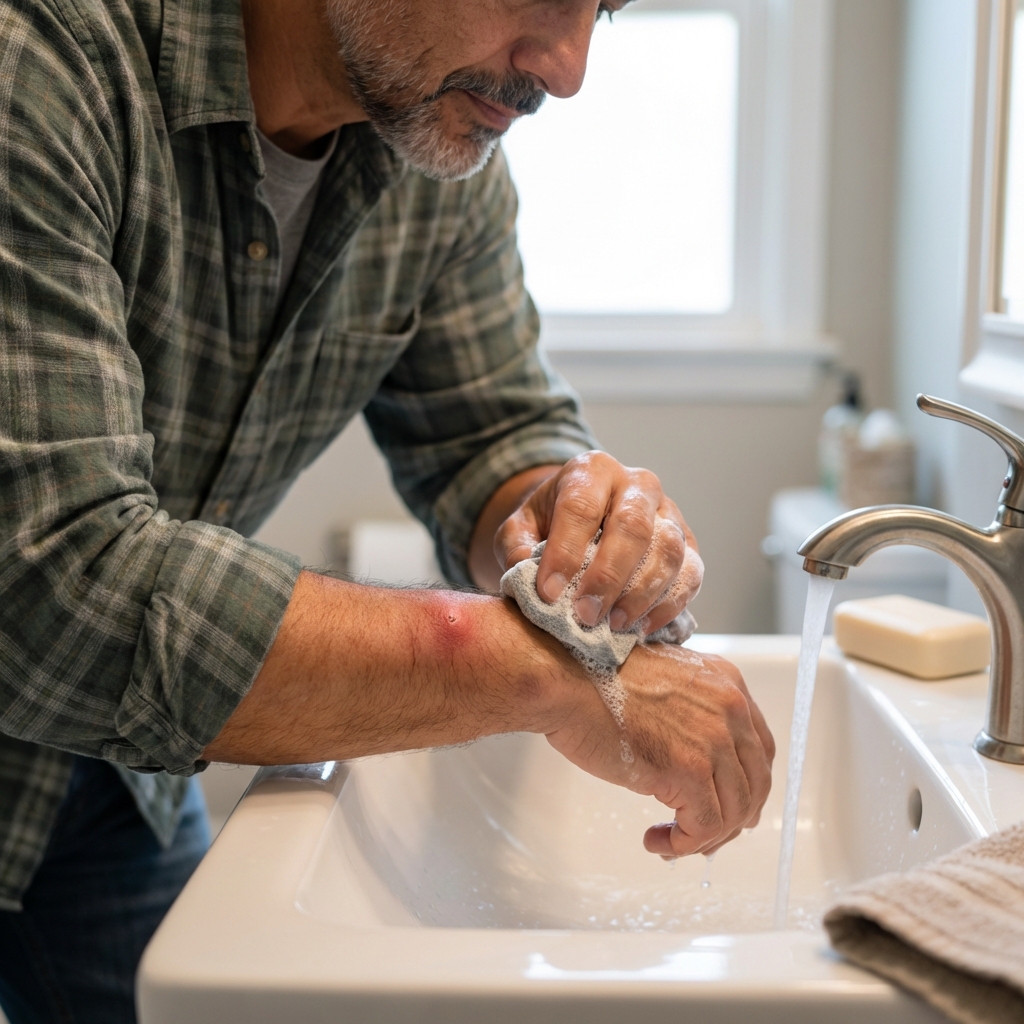
Identify a Wasp Sting
You do not always see the insect, so it helps to recognize the typical sting pattern. Wasp stings are often immediately painful and may throb for a while.
Common signs
- Sudden sharp pain that may burn or throb
- Redness and swelling around a single puncture point
- Warm skin and itching as it calms down
- A raised welt that can spread for a few inches
Wasp vs. bee vs. other stings
- Wasp: Usually no stinger left behind. Can sting multiple times.
- Honey bee: Often leaves a barbed stinger in the skin. Usually stings once.
- Yellowjacket: Technically a type of wasp. Common in lawns and near trash. Can be aggressive and sting repeatedly.
- Spider bite: Many skin irritations and infections get blamed on “bites.” If you did not see a spider, it is hard to be sure. Some bites may show puncture marks, but many do not.
If you see a stinger stuck in the skin, treat it like a bee sting and remove it quickly. If you do not see one, assume wasp or yellowjacket and move on to first aid.
Step-by-Step Treatment
These steps are meant for typical, mild to moderate reactions. If you suspect a severe allergic reaction, skip to the emergency section below.
1) Get to a safe spot
Wasps can sting more than once and some defend the area aggressively. Walk away calmly. Do not swat or flail, especially if more are nearby.
2) Check for a stinger and remove it if present
Most wasps do not leave a stinger, but check anyway. If you see one, remove it promptly. Scraping it out with a fingernail or card edge works, and tweezers are also fine. The main thing is not to delay.
3) Wash with soap and water
Clean the area to reduce the risk of infection from scratching later.
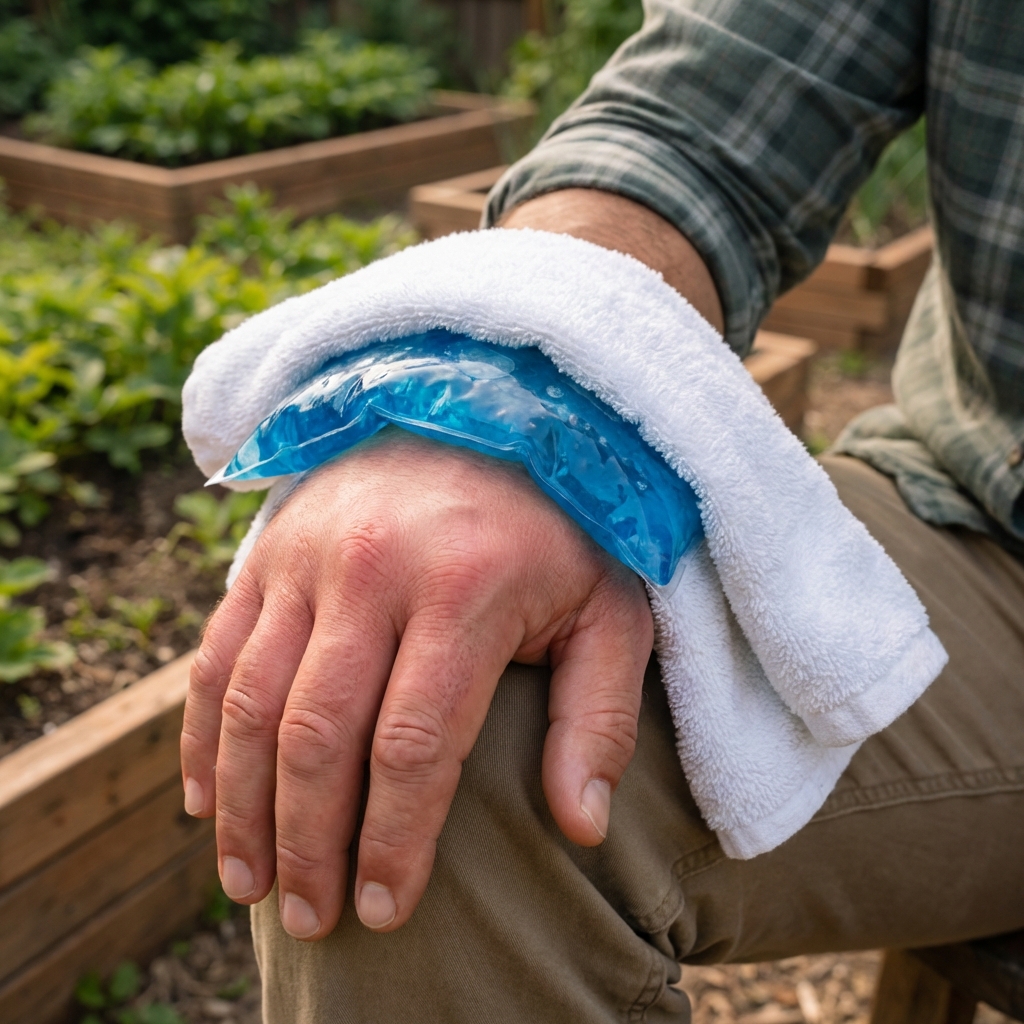
4) Apply a cold pack
Use a cold pack or a bag of frozen peas wrapped in a towel. Do not put ice directly on the skin. Aim for about 10 minutes on, 10 minutes off for the first hour. Cold helps with pain and swelling.
5) Reduce itch and swelling
- Oral antihistamine (like cetirizine or loratadine) can help itching and swelling. Follow the label. Some antihistamines can cause drowsiness.
- Hydrocortisone cream (1%) on intact skin can calm redness and itch.
- Calamine lotion can also reduce itching.
6) Treat pain if needed
Over-the-counter pain relief like ibuprofen or acetaminophen can help. Follow the label. NSAIDs like ibuprofen are not right for everyone, especially with certain stomach, kidney, bleeding, or heart conditions.
7) Elevate the area
If the sting is on a hand, arm, foot, or leg, elevate it when you can. Fluid tends to pool downward.
Normal vs. Not Normal
Normal reaction
- Pain for a few minutes to a few hours
- Redness and swelling that improves over 1 to 2 days
- Itching as it heals
Large local reaction
Some people swell a lot. For example, a sting on the wrist can puff up the whole hand. This can look alarming but is often a strong local reaction, not anaphylaxis.
- Swelling that keeps increasing over 24 to 48 hours
- Itchiness and warmth
- May take 5 to 10 days to fully settle
Continue cold packs, antihistamine, and topical itch relief. If swelling is severe, very painful, or limiting movement, it is worth calling a clinician for advice.
Signs of infection
- Increasing redness after the first 48 hours
- Pus, crusting, or worsening tenderness
- Fever
- Red streaks moving away from the sting
When to Get Medical Advice
Not every “not normal” situation is an emergency, but some stings deserve a call to a clinician or urgent care guidance.
- Sting near the eye: Get evaluated if swelling affects vision, the eyelid is swelling shut, or you have eye pain.
- Many stings: Multiple stings at once (especially dozens), or any systemic symptoms after multiple stings, should be medically assessed.
- Higher-risk people: Very young children, older adults, and people with significant heart or lung disease may need a lower threshold for calling.
- Worsening after day 2: If swelling, redness, or pain is clearly worsening after 48 hours, check in for guidance.
- Known sting allergy: If you have had a systemic reaction before, talk with a clinician about carrying epinephrine and whether venom allergy testing or immunotherapy is right for you.
Most stings do not raise tetanus concerns, but if you have broken skin from scratching and you are not up to date on shots, a clinician may advise a booster.
When a Sting Is an Emergency
Anaphylaxis can happen quickly, sometimes within minutes. If you have any of the symptoms below, treat it as urgent.
Call emergency services right away if you notice:
- Trouble breathing, wheezing, or tight chest
- Swelling of lips, tongue, throat, or face
- Hives spreading beyond the sting area
- Dizziness, fainting, confusion, or rapid heartbeat
- Nausea, vomiting, or severe cramps along with other symptoms
If the person has an epinephrine auto-injector (EpiPen), use it as directed and seek emergency care even if symptoms improve.
Extra caution: Stings in the mouth or throat (for example, from drinking from a can where a wasp crawled in) need urgent evaluation because swelling can block the airway.
Home Care 24 to 72 Hours
- Do not scratch. Scratching turns an itchy sting into a broken-skin problem.
- Keep it clean. Wash once or twice daily.
- Reapply itch relief. Hydrocortisone or calamine as needed.
- Watch the trend. Normal swelling should slowly improve after the first day.
If you are unsure whether swelling is “just big” or heading toward something serious, take a photo every few hours. Seeing the progression clearly can help you decide whether to call for medical advice.
Wasp Control Around the Yard
If you got stung once, odds are you are working near a food source, a water source, or a nesting site. Control is mostly about removing the things that make your yard attractive and dealing with nests safely.
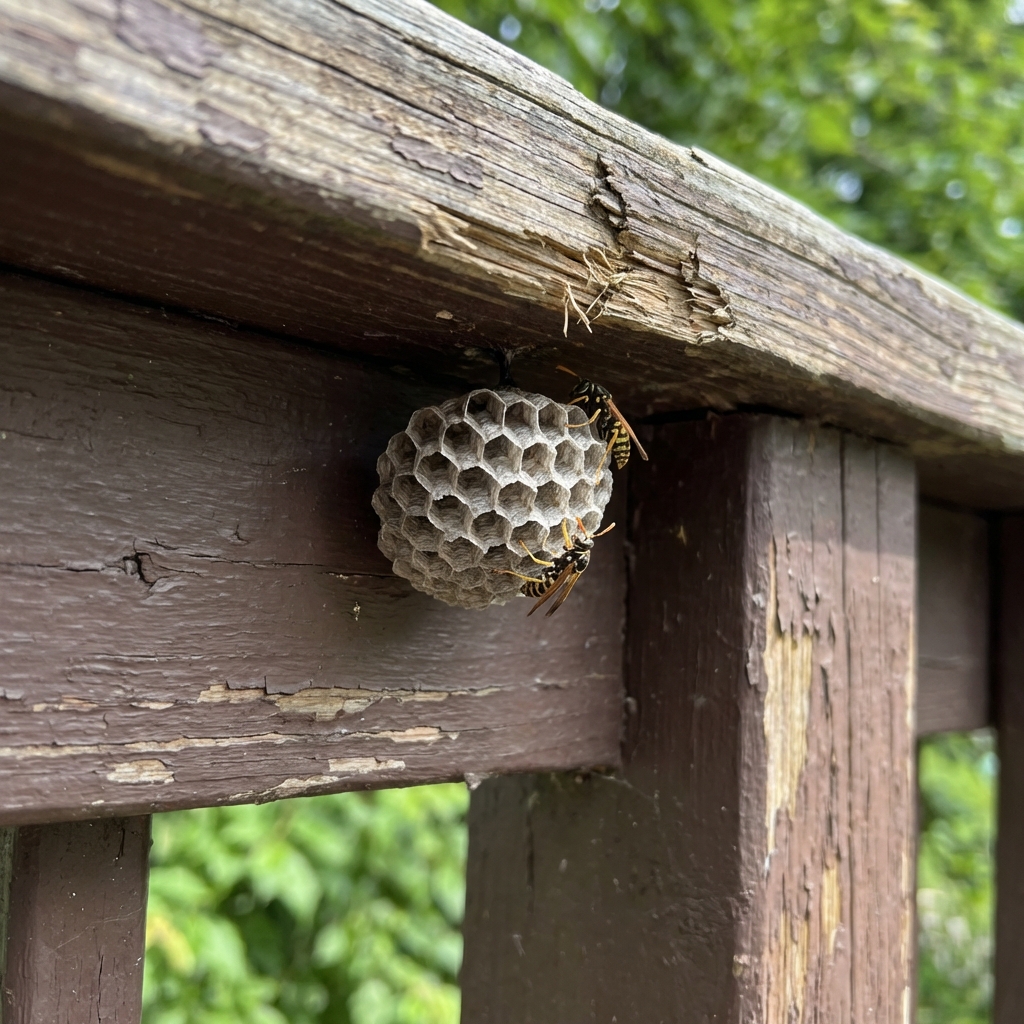
Common nesting spots to check
- Under deck boards, porch rails, and stairs
- Inside grill covers and outdoor furniture frames
- Eaves, soffits, and shed overhangs
- Holes in the ground (often yellowjackets)
- Hollow fence posts, stacked pots, and wood piles
Quick ways to reduce wasp traffic
- Seal trash tight. Rinse cans and keep lids closed.
- Pick up fallen fruit. Rotting fruit is a magnet.
- Cover drinks outdoors. Sweet drinks attract wasps fast.
- Feed pets indoors. Pet food outside draws scavengers.
- Fix drips. Wasps will work a leaky spigot like a watering hole.
Traps
Commercial wasp traps can reduce numbers in a problem area, especially in late summer when scavenging ramps up. Place traps away from patios and play areas so you do not pull wasps toward people. Traps do not replace nest removal if the nest is nearby.
Dealing with a nest safely
This is the part where “real backyard” advice matters. If the nest is large, hard to reach, inside a wall void, or you have allergy concerns, hire a pro. It is not worth gambling with multiple stings.
- Small, exposed paper nests (often under eaves) are easiest to address when wasps are less active.
- Ground nests can be dangerous. Yellowjackets can boil out fast and sting repeatedly.
If you choose to handle it yourself, follow the pesticide label exactly, follow local rules and regulations, and treat at dusk or very early morning when activity is lower. Keep kids and pets inside. Have a clear exit path before you start and do not block it. Also skip dangerous DIY myths like using gasoline or other flammables. If anything feels off, back away and call a professional.
Garden Habits to Avoid Stings
- Look before you reach. Glove boxes, watering cans, and pots can become hiding spots.
- Trim carefully. Hedge trimmers near eaves and dense shrubs are a common sting trigger.
- Wear shoes in the lawn. Ground nest stings often happen to bare feet.
- Skip strong fragrances. Perfume and scented lotions may attract stinging insects.
- Keep calm if one lands on you. Brush it off gently or wait for it to fly away.
FAQ
How long does a wasp sting last?
Pain often improves within a few hours. Redness and swelling typically settle within 1 to 2 days, but a large local reaction can take up to a week or more to fully resolve.
Should I use heat or cold?
Start with cold for the first day since it reduces swelling and numbs pain. Some people find gentle warmth helps later with soreness, but cold is the safer first move.
Why is it itching so much two days later?
Itching is a normal part of the immune response as the sting heals. That is when antihistamines and topical treatments can be most helpful. Avoid scratching to prevent infection.
Can wasps sting multiple times?
Yes. Unlike honey bees, many wasps can sting repeatedly. That is why getting away from the area quickly matters.
Takeaway
For most people, a wasp sting is a painful nuisance, not a crisis. Clean it, cool it, control the itch, and watch for red-flag symptoms. Then do a quick yard scan for nests and attractants so you are not dealing with the same problem next weekend while you are just trying to garden in peace.

Jose Brito
I’m Jose Britto, the writer behind The Country Store Farm Website. I share practical, down-to-earth gardening advice for home growers—whether you’re starting your first raised bed, troubleshooting pests, improving soil, or figuring out what to plant next. My focus is simple: clear tips you can actually use, realistic expectations, and methods that work in real backyards (not just in perfect conditions). If you like straightforward guidance and learning as you go, you’re in the right place.