Termites are one of those problems that feel small until they are suddenly not. The good news is you do not need to be an expert to take smart first steps. You do need to move quickly, confirm what you are seeing, and pick the right treatment for the type of termite and where it is active.
This guide walks you through the basics in plain language, with realistic expectations for what a homeowner can handle and when it is time to bring in a professional.

First, confirm it is actually termites
Termite treatment is not one-size-fits-all, and treating the wrong pest wastes time and money. Before you buy products, take a few minutes to confirm what you have.
Common signs of termites
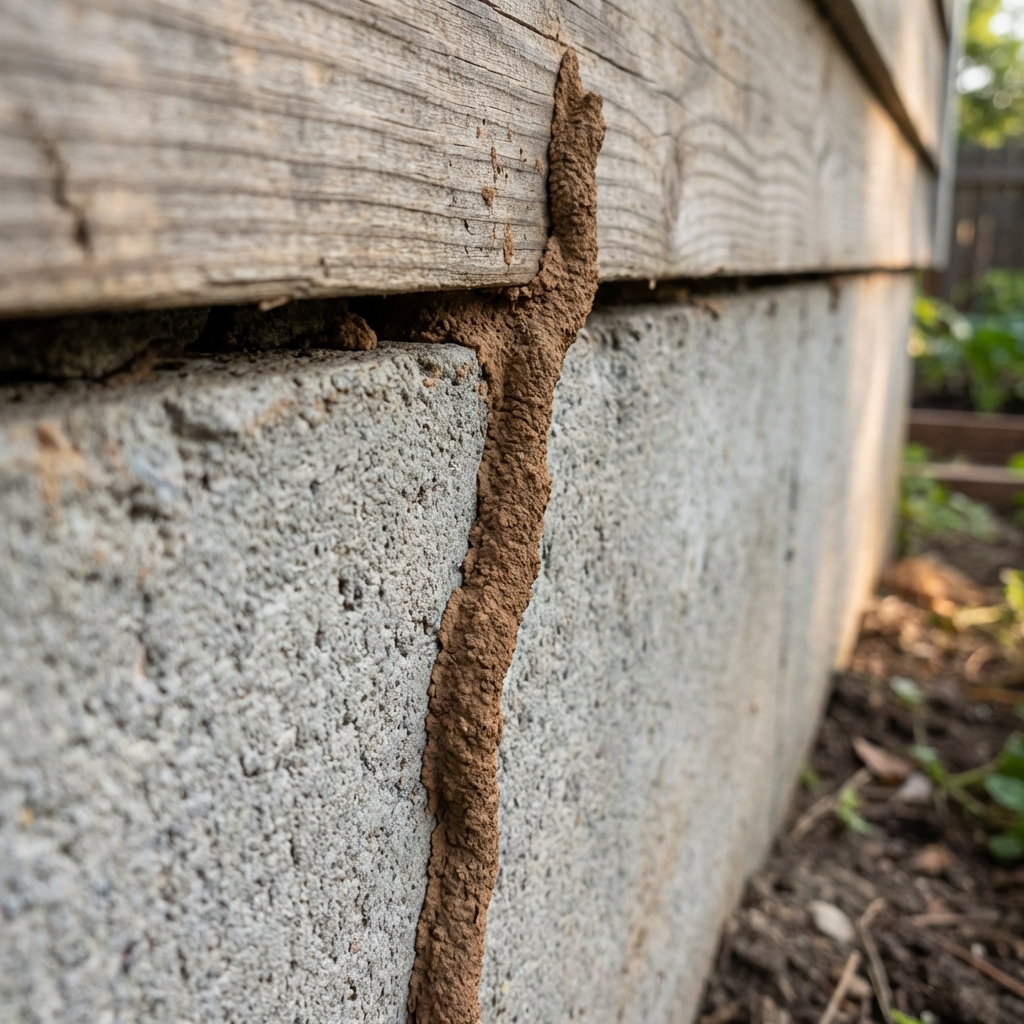
- Mud tubes on foundation walls, crawlspace piers, or along basement walls. These look like thin dirt tunnels.
- Swarmers (winged termites) indoors or around windows. This is often in spring, but timing varies by region and species. You may also see piles of shed wings.
- Hollow-sounding wood when tapped, or wood that dents easily.
- Blistered paint or drywall that looks slightly bubbled. Moisture and termite galleries can cause this.
- Frass (tiny wood pellets) near baseboards or window frames. This is more common with drywood termites.
Termites vs. ants (quick check)
- Termites have straight antennae, a thick waist, and wings the same length.
- Ants have elbowed antennae, a pinched waist, and front wings longer than back wings.
If you can, collect a few insects or wings in a small jar or zip bag for identification. A local extension office or a pest pro can often confirm quickly.
Know your termite type
Most homeowners deal with one of these:
Subterranean termites
These are the most common in many regions. They live in the soil and travel to wood. Mud tubes are a big clue. Treatments usually focus on liquid termiticide soil treatments (barriers) and baits.
Drywood termites
They can live inside dry wood and do not need soil contact. They often leave frass pellets. Treatments are commonly localized wood treatments or professional fumigation for widespread infestations.
Dampwood termites
Less common, but they love wet, decaying wood. Fixing moisture problems is a major part of control.
Beginner action plan
- Limit disturbance. Avoid breaking mud tubes or ripping out wood right away. You want to confirm active travel paths and avoid masking the problem before you document it or get an inspection.
- Check moisture. Look for leaks, wet soil against the foundation, clogged gutters, or wood touching soil. Fix what you can immediately.
- Document what you see. Take clear photos of tubes, damage, frass piles, and where swarmers appeared. Note dates and locations.
- Do not cover it up yet. Avoid sealing, patching, painting, or caulking over suspected damage until it is inspected and you have a plan. It can hide evidence and make assessment harder.
- Decide: DIY or professional. If you see widespread activity, structural damage, or cannot access the area safely, get a professional inspection.
Treatment options
There are several proven approaches, but they are not equal in speed, cost, or DIY difficulty.
1) Termite bait stations
How it works: Stations are placed in the ground. Termites feed and carry the bait back to the colony, reducing it over time.
Pros: Lower chemical use, good long-term control, minimal drilling.
Cons: Slower results. Requires correct placement and monitoring.
Beginner tip: DIY systems vary. Some are monitoring-only until you add bait, and some use different active ingredients than professional systems. Read the box carefully and plan to check stations regularly. Think months, not days.
2) Liquid termiticide soil treatments (barriers)
How it works: A treated zone is created in soil around and sometimes under a structure, depending on the label and local building style.
Pros: Can reduce visible activity relatively quickly and provides strong protection when applied correctly.
Cons: DIY application can be challenging. Labels are strict, and incomplete coverage can leave gaps.
Beginner tip: If you have a slab foundation, interior drilling may be required for a full barrier, which is a point where many people choose a pro.
3) Borate wood treatments
How it works: Borate products soak into raw wood and help protect against termites and some fungi.
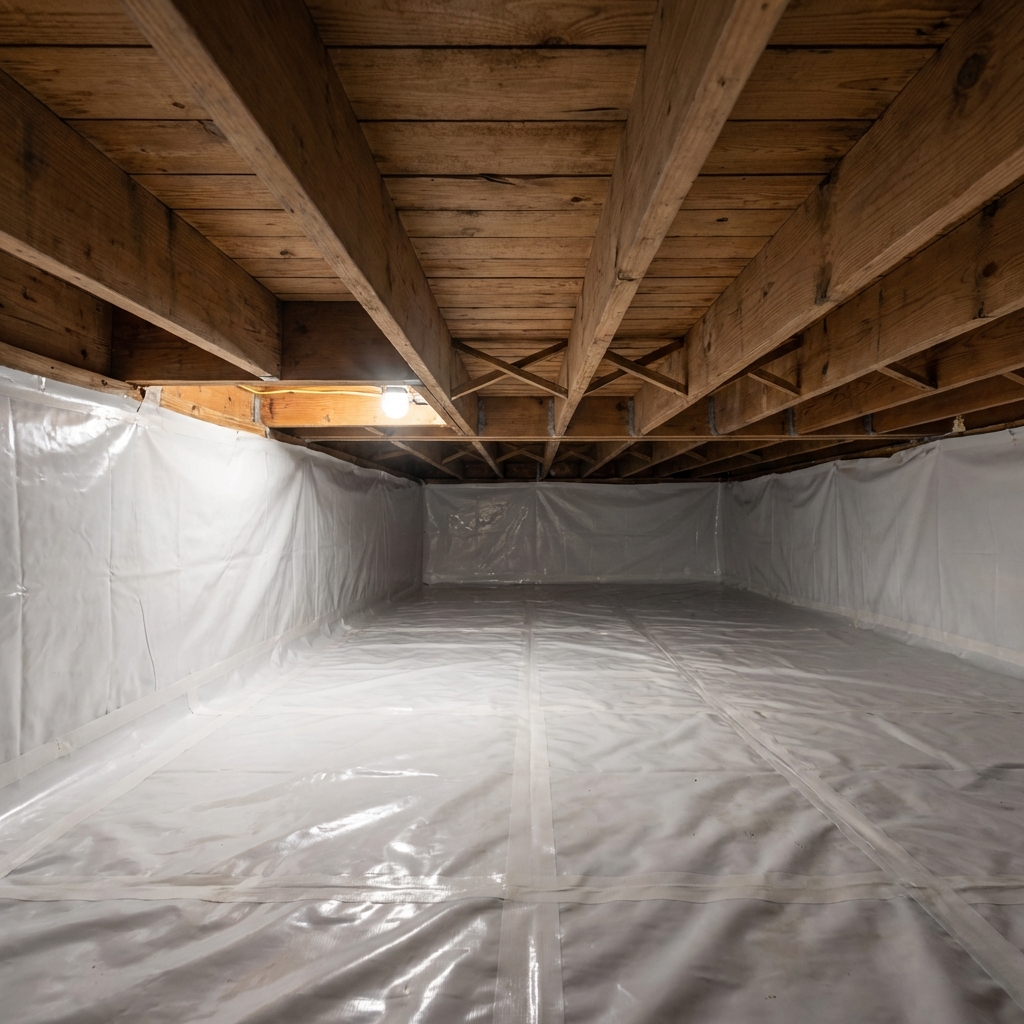
Pros: Great for new wood, exposed framing, sheds, crawlspaces, and projects.
Cons: Does not work well on sealed or painted wood and does not replace soil treatment for subterranean termites.
Beginner tip: Borates shine as prevention when you can access bare wood, like joists in a crawlspace or a garden shed build.
4) Spot treatments (foams or injectables)
How it works: Product is injected into galleries in wood.
Pros: Useful for small, confirmed drywood termite areas.
Cons: Easy to miss hidden galleries. It can look successful while termites remain elsewhere.
What to avoid
- Random spraying household insecticide around baseboards. It rarely reaches the colony. Repellent sprays can also cause termites to avoid that area and use alternate entry points, which makes the problem harder to track.
- "Natural cures" as a complete solution. Products like orange oil may kill termites it directly contacts, but they often do not reach the full network of galleries. They are not reliable for subterranean termites and are inconsistent for anything beyond very localized drywood activity.
- Skipping moisture fixes. You cannot out-chemical chronic water problems.

DIY safety and labels
Termite products are pesticides, and the label is the law. Read it before buying so you know whether it is allowed for your situation (foundation type, crawlspace use, near wells, and so on).
- Wear gloves and eye protection as directed.
- Use ventilation when applying products in enclosed areas like crawlspaces and basements, as the label instructs.
- Keep kids and pets away during application and drying time.
- Do not apply more than labeled. More is not better and can be unsafe.
- If you have a well, water feature, or edible garden beds close to the foundation, double-check setback requirements.
When to call a pro
Termite work can be deceptively technical. Consider hiring a pro if any of these are true:
- You see active mud tubes inside a crawlspace or basement and cannot safely access the area.
- There is visible structural damage (sagging floors, compromised beams, severe window frame damage).
- You have a slab foundation and barrier treatment would require drilling.
- You suspect drywood termites in multiple rooms or in roof framing.
- You want a warranty or service plan for resale peace of mind.
Tip: Get at least two inspections and ask what termite type they found, where activity is, and what treatment method they recommend and why.
If you saw swarmers only
Finding winged termites or piles of wings is still meaningful, even if you cannot find mud tubes or obvious damage. It can signal a nearby colony, a hidden indoor area, or even a past infestation that is still active. Save a sample if possible, document where and when you saw them, and schedule an inspection if they appeared indoors or in large numbers.
Prevention that helps
Once you treat, prevention is what keeps you from repeating the problem. These steps also help if you are not sure yet and want to reduce risk.
Moisture and drainage
- Fix leaks quickly, including hose bibs and AC condensate lines.
- Keep gutters clean and extend downspouts away from the foundation.
- Make sure soil slopes away from the house.
Wood and soil spacing
- Keep wood off soil. This includes siding, deck posts, and shed skids.
- Avoid piling mulch against siding. Keep a small inspection gap near the foundation if possible.
- Store firewood away from the house and off the ground.
Garden and yard habits
- Do not let irrigation spray constantly soak one area of the foundation.
- Remove old stumps, buried lumber, and wood scraps near structures.
- Check raised beds and wooden planters yearly. Treat exposed wood with a suitable preservative and replace rotting boards.
Quick checklist
- Confirm the pest and note signs like mud tubes, swarmers, or frass.
- Identify likely type: subterranean vs. drywood.
- Fix moisture and wood-to-soil contact immediately.
- Choose a treatment path: baits (slow and steady), liquid termiticide soil treatment (technical), borates (best preventive), spot treatment (localized).
- Do not seal or paint over suspected damage until inspected.
- Call a pro if access is unsafe or damage is structural.
- Recheck seasonally, especially during swarming periods in your area and after heavy rains.
FAQ
How fast do termite treatments work?
Liquid soil treatments can reduce visible activity relatively quickly, sometimes within days to weeks, but full control depends on coverage and conditions. Baits usually take longer, often weeks to months, because they rely on foraging and transfer within the colony.
Can I treat termites without chemicals?
You can reduce risk by fixing moisture, removing wood contact with soil, and replacing damaged wood. For an active infestation, complete control without any pesticides is difficult. If you want the lowest-tox approach, ask about bait systems and targeted methods.
Are termites common in sheds and garden structures?
Yes, especially where wood sits directly on soil or stays damp. Raise the structure, improve drainage, and consider borate treatment on exposed wood during builds or repairs.

Jose Brito
I’m Jose Britto, the writer behind The Country Store Farm Website. I share practical, down-to-earth gardening advice for home growers—whether you’re starting your first raised bed, troubleshooting pests, improving soil, or figuring out what to plant next. My focus is simple: clear tips you can actually use, realistic expectations, and methods that work in real backyards (not just in perfect conditions). If you like straightforward guidance and learning as you go, you’re in the right place.