Fleas are one of those problems that feel small until they are suddenly everywhere. The tricky part is that the fleas you see on your dog are only part of the issue. In many infestations, most eggs, larvae, and pupae are in the environment, hiding in carpets, bedding, cracks in flooring, and shady spots outdoors.
The good news: there are a few home remedies that really can help, especially when you pair them with solid house cleaning and a plan to interrupt the flea life cycle. The not-so-good news: many popular “natural” fixes are either unsafe for dogs or too weak to stop an established infestation on their own.
Before you start: quick safety checklist
- Confirm it is fleas. Look for fast-moving dark insects, or “flea dirt” that turns reddish-brown when smeared with a damp paper towel.
- Check every pet in the home. Fleas move between animals. If one pet is untreated, the cycle usually continues.
- Do not use essential oils on your dog unless your veterinarian specifically directs you. Tea tree, pennyroyal, eucalyptus, peppermint, clove, and citrus oils can be toxic.
- If you have cats in the house: be extra careful. Many products and DIY ingredients that people use around dogs can be dangerous to cats. Keep sprays, powders, and treated items away from cats unless the label says it is cat-safe.
- Skip garlic, onion, and other ingestible “remedies”. They can harm red blood cells and cause serious illness.
- Be extra cautious with puppies, seniors, and small dogs. What is mild for an adult dog can be too much for a tiny body.
- If your dog is lethargic, pale-gummed, or has heavy flea loads, contact a vet quickly. Fleas can contribute to anemia, especially in small dogs and puppies.
Home remedies worth trying
1) Flea combing (the most underrated tool)
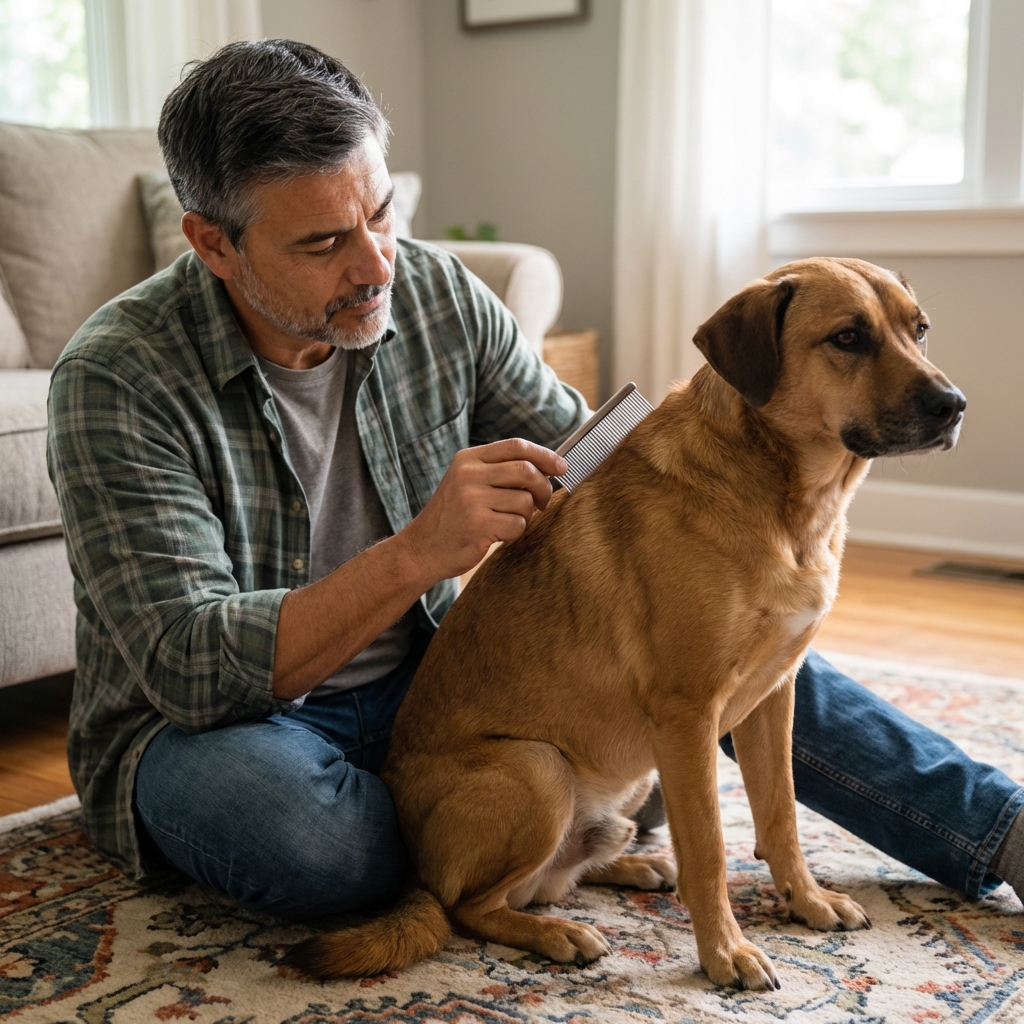
If you only do one home remedy, make it a good flea comb. It physically removes adult fleas and flea dirt without adding chemicals, and it gives you feedback fast.
- Comb over a white towel so you can see what falls off.
- Focus on the neck, base of tail, belly, and behind the ears.
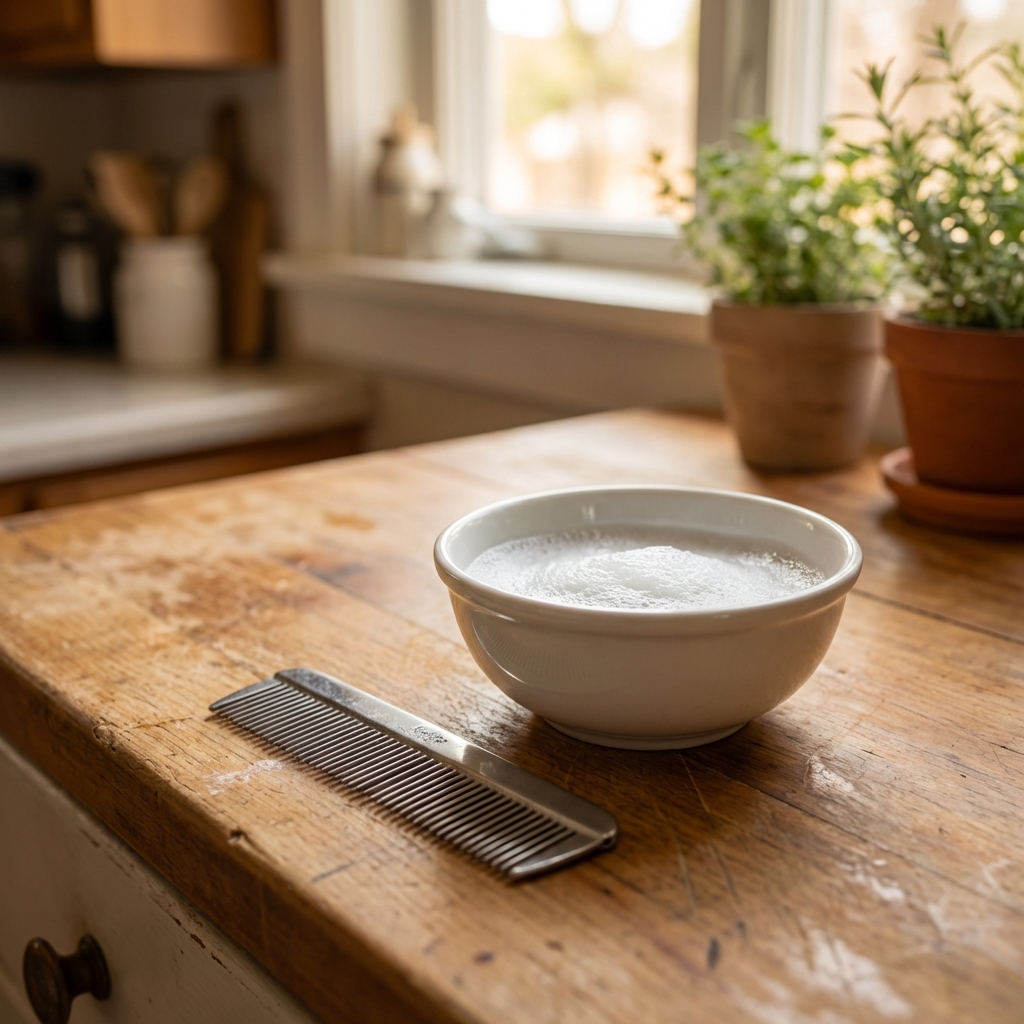
- Keep a bowl of warm water with a little dish soap nearby. Dunk the comb often to trap and kill fleas.
- Do it daily for at least 1 to 2 weeks, then every few days until you stop seeing evidence.
2) A simple bath to knock down adult fleas
A bath can reduce the number of adult fleas on your dog right away. It will not solve the whole infestation, but it helps you gain control, especially when paired with combing and home cleanup.
- Start by wetting and lathering the neck first. This helps prevent fleas from racing to your dog’s head and ears.
- Use a mild dog shampoo. In a pinch, a small amount of gentle dish soap can kill fleas during a bath by disrupting their protective coating and making it easier for them to drown, but it can dry skin. Do not use it frequently.
- Let the lather sit for 5 to 10 minutes if your dog tolerates it, then rinse thoroughly.
- Follow with flea combing as the coat dries.
3) Washable fabrics: hot wash, hot dry
Anything your dog sleeps on becomes a flea nursery. Heat is your friend here.
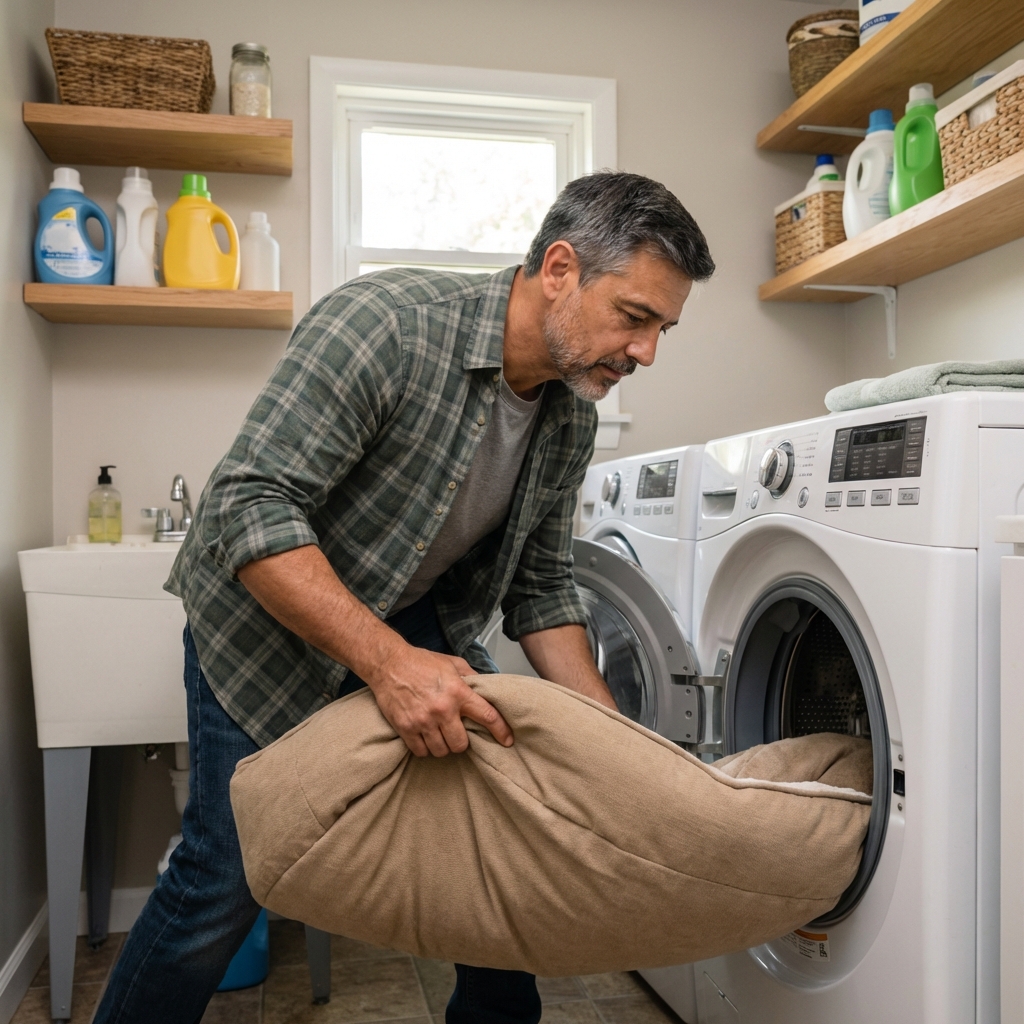
- Wash bedding, blankets, slipcovers, and washable dog toys in hot water when safe for the fabric.
- Dry on the hottest setting the fabric allows until items are fully hot-dried throughout. Many loads take at least 30 to 60 minutes, but follow what is safe for the material and make sure the cycle fully completes.
- If something cannot be washed, put it in the dryer on high heat (if safe) or seal it in a bag for several weeks.
4) Vacuuming with a plan (this is where most people win or lose)
Vacuuming is not glamorous, but it is one of the strongest non-chemical tools for flea control because it removes eggs and larvae and can help stimulate pupae to emerge (from vibration and activity) so they can be removed on the next round.
- Vacuum carpets, rugs, couch cushions, baseboards, and under furniture.
- Go slow and make multiple passes in high-traffic pet areas.
- Do it daily for 7 to 10 days if you can, then every other day for another couple weeks.
- Empty the canister outside right away, or remove the bag and seal it in a trash bag.
5) Baking soda or salt on carpets (limited evidence, optional add-on)
Some homeowners use fine salt or baking soda worked into carpet fibers in an attempt to dry out flea larvae. Evidence is limited and results vary. Think of this as a minor support step, not a primary solution, and only if you also vacuum aggressively.
- Work a small amount into the carpet with a broom.
- Let it sit for several hours, then vacuum thoroughly.
- Keep pets from licking powders, and avoid breathing dust. If anyone in the home has asthma or sensitivities, skip this.
6) Food-grade diatomaceous earth (DE) for cracks and low-traffic areas
Food-grade DE can damage the outer layer of insects, leading to dehydration. It is not an instant kill, and it must be used carefully because the dust can irritate lungs.
- Use food-grade only, never pool-grade.
- Apply a very light dusting to cracks, along baseboards, under appliances, or other areas pets do not lounge in.
- Wear a well-fitting mask (at least a dust mask, ideally an N95) and ventilate well. Food-grade does not mean safe to inhale.
- Keep people and pets away during application and until the dust settles.
- Vacuum it up after 24 to 48 hours, then repeat if needed.
Important: Do not rub DE into your dog’s coat. Inhalation risk and skin dryness are common problems.
Yard steps that help
If your dog spends time outdoors, you can treat the source instead of only fighting what comes inside. Fleas thrive in shaded, humid spots, especially where pets rest.
- Mow and trim to reduce shade and humidity.
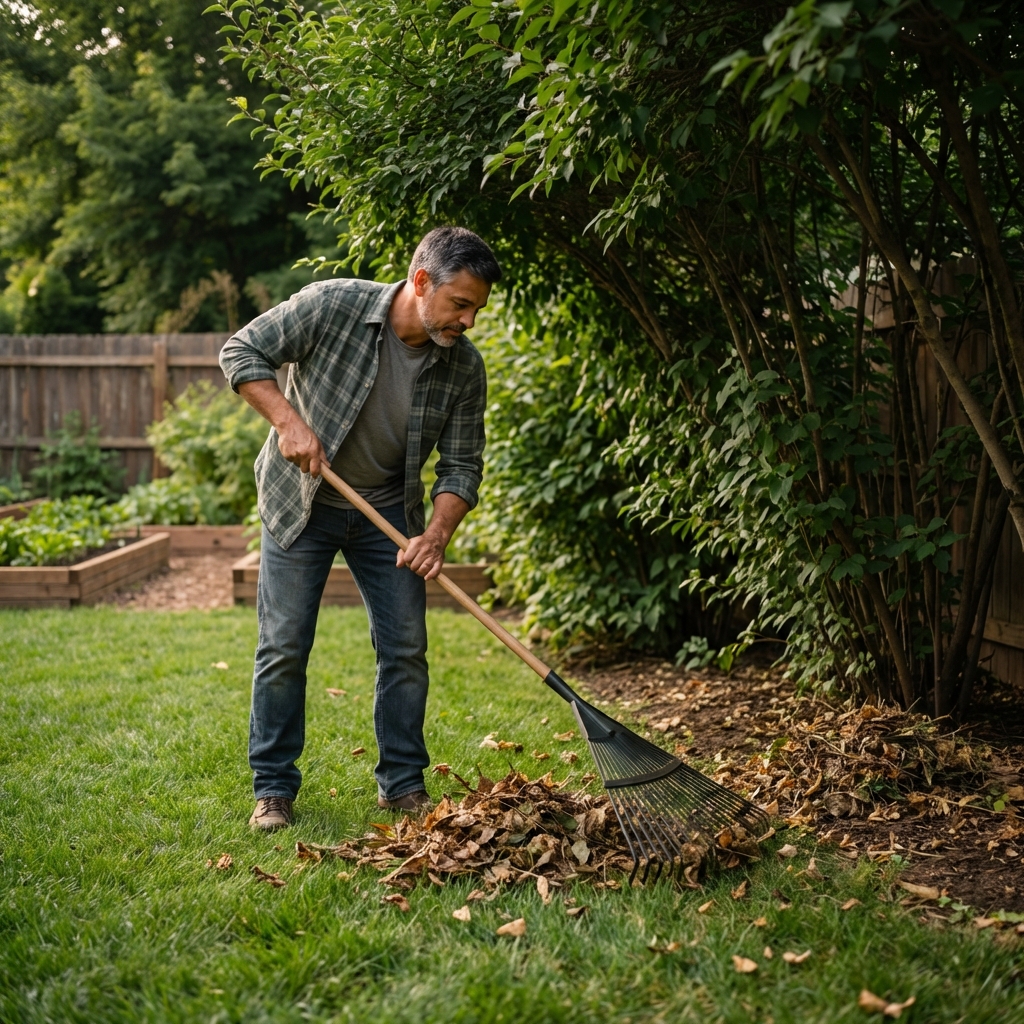
- Rake up leaves and debris where larvae hide.
- Wash outdoor pet bedding and clean kennels and crates.
- Focus on hot spots: under decks, along fences, under shrubs, and dog lounging areas.
Home remedies to avoid
These come up constantly online, but they can cause harm or simply waste time while fleas multiply.
- Essential oils on dogs or in DIY sprays: Many are toxic to pets and can irritate skin and lungs.
- Apple cider vinegar as a cure: It does not reliably repel or kill fleas. At best it is a minor support step, not a treatment.
- Alcohol, hydrogen peroxide, or harsh cleaners on the coat: High risk of skin irritation, ingestion, and toxicity.
- DIY flea collars with oils: Same essential oil risk, plus choking and skin burns if concentrated.
- Homemade oral “repellents”: Avoid anything involving garlic, onion, or unapproved supplements.
Breaking the flea life cycle
Understanding this makes the whole problem less frustrating. Fleas go through four stages: egg, larva, pupa, adult. Most home fixes target adults, but pupae are protected in a cocoon and can wait to emerge for days to weeks. That is why people think treatment “failed” when new fleas show up after a few good days.
For most households, expect a realistic timeline of several weeks of consistent effort to fully reset. Often it is closer to 4 to 8 weeks, depending on how heavy the infestation is, how thoroughly you clean, and whether you use veterinarian-recommended preventives.
When home remedies are not enough
If fleas keep returning after a week of combing, bathing, and serious home cleaning, it is usually because the infestation is established in the environment or your dog needs a proven flea control product to stop bites and egg-laying.
Also remember: some dogs react dramatically to even a few flea bites. Flea allergy dermatitis can cause intense itching, redness, and scabs even when you rarely see fleas.
Signs you should call your vet
- Your dog has scabs, hair loss, hot spots, or intense itching.
- You see fleas daily despite cleaning.
- Your dog is a puppy, very small, elderly, or has health conditions.
- There are tapeworm segments (rice-like pieces) in stool or around the rear. Fleas can transmit tapeworms.
Veterinarians commonly recommend reliable flea preventives (topical or oral) that stop fleas from feeding and reproducing. For home environments, some households also benefit from products that include an insect growth regulator (IGR), which helps prevent eggs and larvae from developing into biting adults. If you want to stay as “natural” as possible, ask your vet about the lowest-risk options for your dog’s age and weight, and pair that with the home steps above. The combo approach is often what ends the cycle.
A simple 7-day flea reset plan
If you feel overwhelmed, use this as your starting routine. If you have multiple pets, plan to check and address fleas on every pet (with vet guidance, especially if you have cats).
- Day 1: Bathe your dog, then flea comb. Wash all pet bedding. Vacuum thoroughly.
- Days 2 to 7: Flea comb daily. Vacuum daily. Spot-wash blankets and covers as needed.
- Day 4 or 5: Repeat bedding wash and deep vacuum under furniture and along baseboards.
- Day 7: Evaluate. If you still see active fleas, contact your vet for stronger support (including discussing preventives and, if appropriate, IGR options) while you keep cleaning.
FAQ
Can I use dish soap to kill fleas?
A gentle dish soap can kill adult fleas during a bath, but it can also dry out skin. Use it sparingly, rinse well, and do not rely on it as your only method.
Does diatomaceous earth kill fleas in carpet?
It can help in some situations, but it is slow and messy, and dust control matters. If you use it, apply lightly to low-traffic areas, wear a mask, avoid inhalation, and vacuum it up within a day or two.
Why do I still see fleas after cleaning?
Because pupae can keep emerging for weeks. Consistent vacuuming and washing reduces each new wave until the cycle collapses.
Can fleas live in my yard?
Yes, especially in shaded, moist areas where pets rest. Yard cleanup plus indoor cleaning helps stop reinfestation.
Bottom line
Trusted home remedies for dog fleas are mostly about mechanical removal and environmental cleanup: flea combing, bathing, heat-washing fabrics, and vacuuming with discipline. Add careful yard maintenance and you will cut the problem down fast. If fleas keep popping up, multiple pets are involved, or your dog’s skin is suffering, bring your vet in early. It saves time, money, and a lot of scratching.

Jose Brito
I’m Jose Britto, the writer behind The Country Store Farm Website. I share practical, down-to-earth gardening advice for home growers—whether you’re starting your first raised bed, troubleshooting pests, improving soil, or figuring out what to plant next. My focus is simple: clear tips you can actually use, realistic expectations, and methods that work in real backyards (not just in perfect conditions). If you like straightforward guidance and learning as you go, you’re in the right place.