Deer are not picky when they are hungry. They are opportunists, and they learn fast. The good news is you can stack the odds in your favor by planting flowers deer usually avoid and using them in the right places. Think of it like a system: smell, texture, and smart layout working together.
This guide walks you through what to plant, how to arrange it, and how to protect young plants until they are established. No perfect conditions required.
First, set realistic expectations
No flower is 100 percent deer-proof. In drought, late winter, early spring, or areas with heavy deer pressure, they will sample almost anything. Your goal is to make your garden less appealing than the neighbors, and to protect the plants that deer love most.
- Deer-resistant means “less preferred,” not “safe forever.”
- New plantings are at the highest risk because tender growth is easy to bite.
- Local habits matter. If deer in your area already browse a plant, treat it as fair game.
What “deer pressure” means: how many deer are in the area, how much natural food is available, and how close your garden is to cover like woods, hedges, or a quiet corridor they use daily.
Plant performance and deer preferences also vary by climate. If you are unsure, cross-check your picks with your USDA zone and a local extension or garden center list.
How deer decide what to eat
Deer tend to avoid plants with strong scent, fuzzy leaves, tough texture, milky sap, or bitter taste. They also avoid plants that poke, irritate, or feel “wrong” in the mouth.
Common traits deer dislike
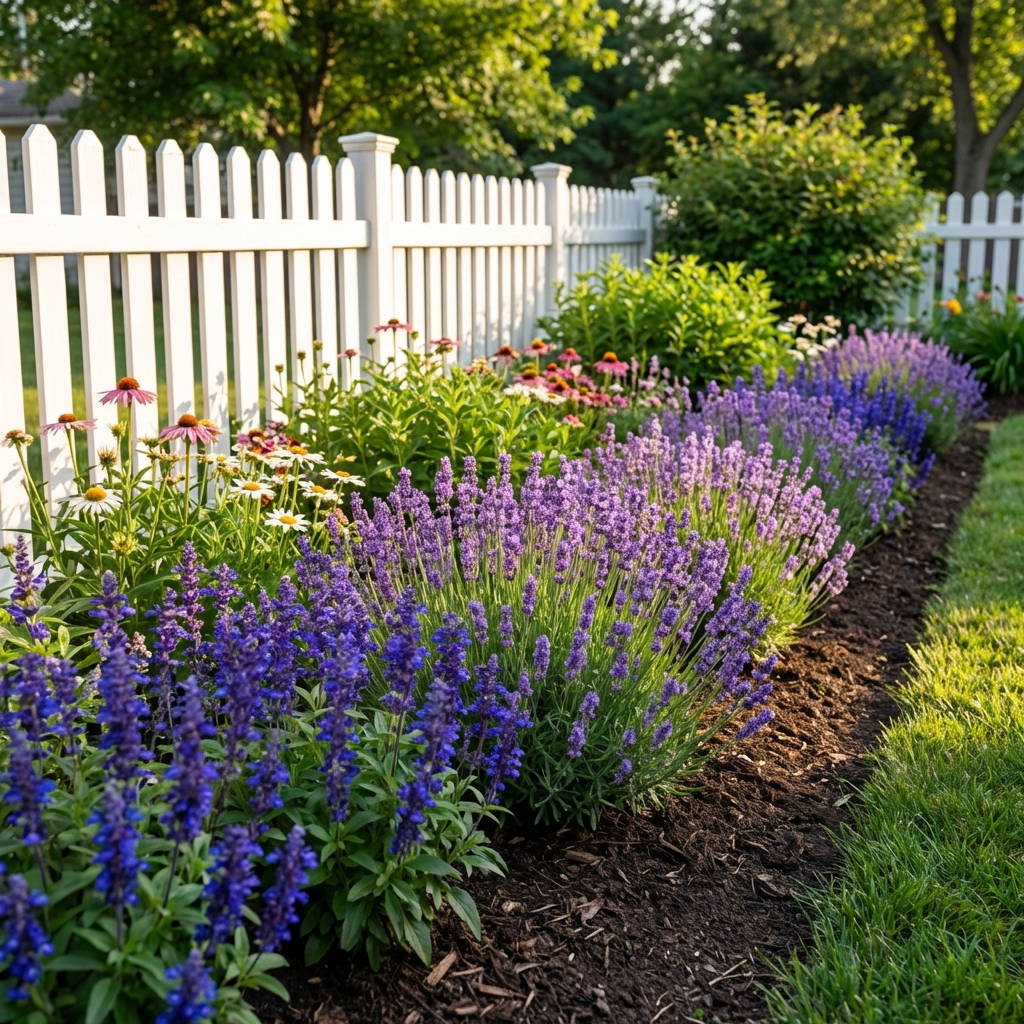
- Fragrance: lavender, sage, catmint
- Fuzzy or rough leaves: lamb’s ear, some mulleins
- Bitter or resinous plant compounds: poppies, many aromatic salvias (varies by species and cultivar)
- Milky sap: milkweed (also great for pollinators)
- Spines or prickly texture: some thistles and globe thistle types
Best deer deterrent flowers to plant (with practical notes)
These are dependable choices for many home gardens. Pick a mix so you are not betting everything on one plant.
Strong-scented bloomers
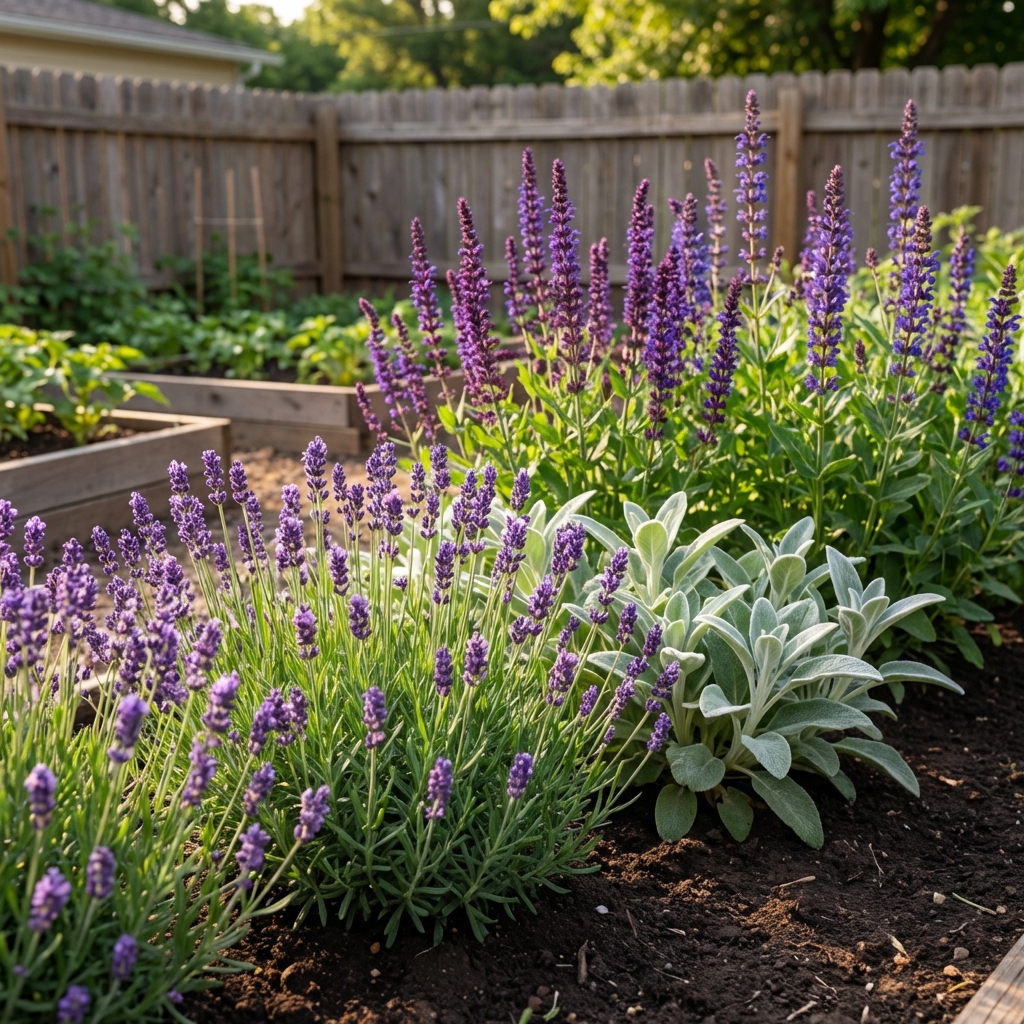
- Lavender (Lavandula): Needs sun and drainage. Great border plant. Deer typically avoid the aromatic foliage.
- Catmint (Nepeta): Tough, long blooming, handles heat once established. Useful as a filler that deer tend to ignore.
- Salvia (Salvia nemorosa and relatives): Reliable spikes of flowers, good for pollinators. Often ignored by deer.
- Russian sage (Salvia yangii): Airy purple blooms, drought tolerant. Give it space and full sun.
Texture and taste plants deer usually pass up
- Lamb’s ear (Stachys byzantina): Soft, fuzzy leaves deer typically do not like. Can spread, which is a plus for filling gaps.
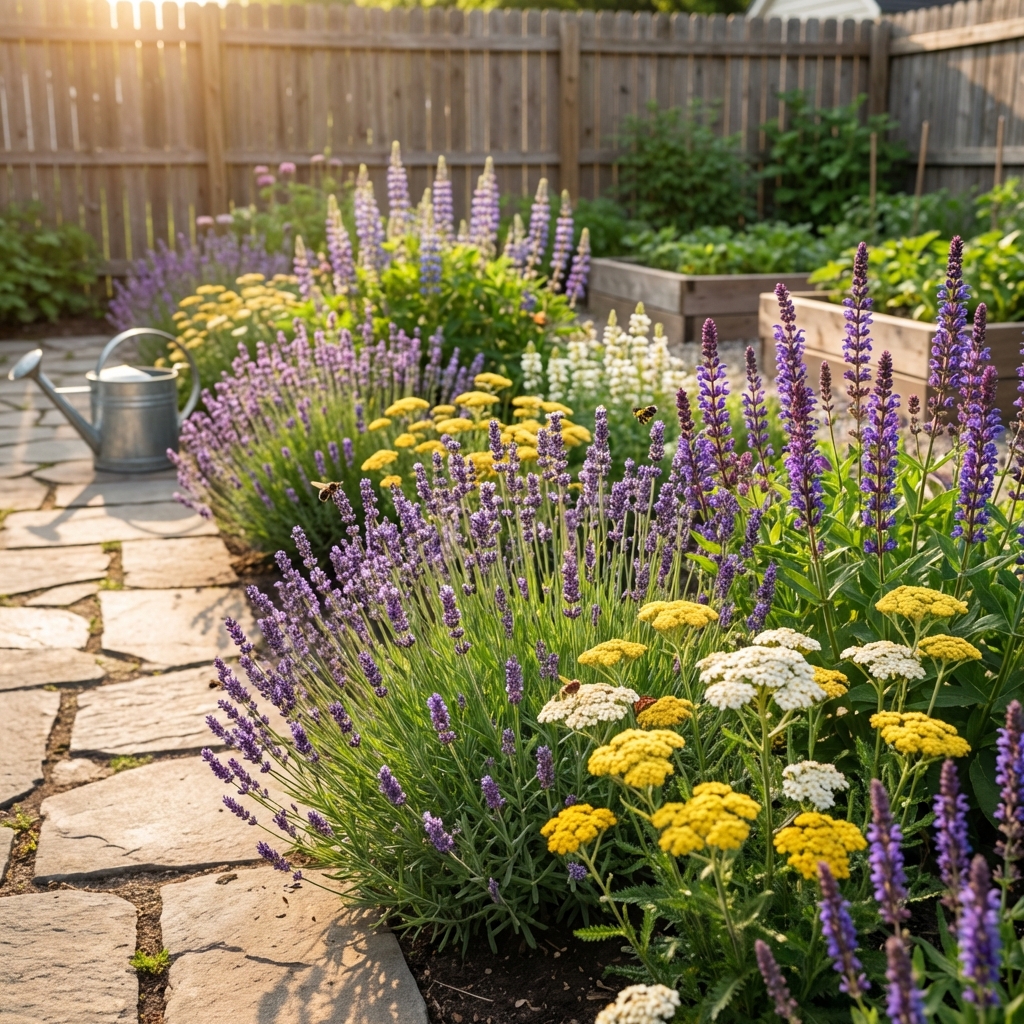
- Yarrow (Achillea): Ferny, aromatic foliage and tough stems. Very drought tolerant. Great for hot, exposed spots.
- Peonies (Paeonia): Generally deer resistant once established. Early spring shoots can still get nipped in high-pressure areas.
Classic leave-me-alone bulbs and spring flowers
- Daffodils (Narcissus): Toxic and usually avoided by deer. The bulbs are also often left alone by rodents, but nothing is guaranteed.
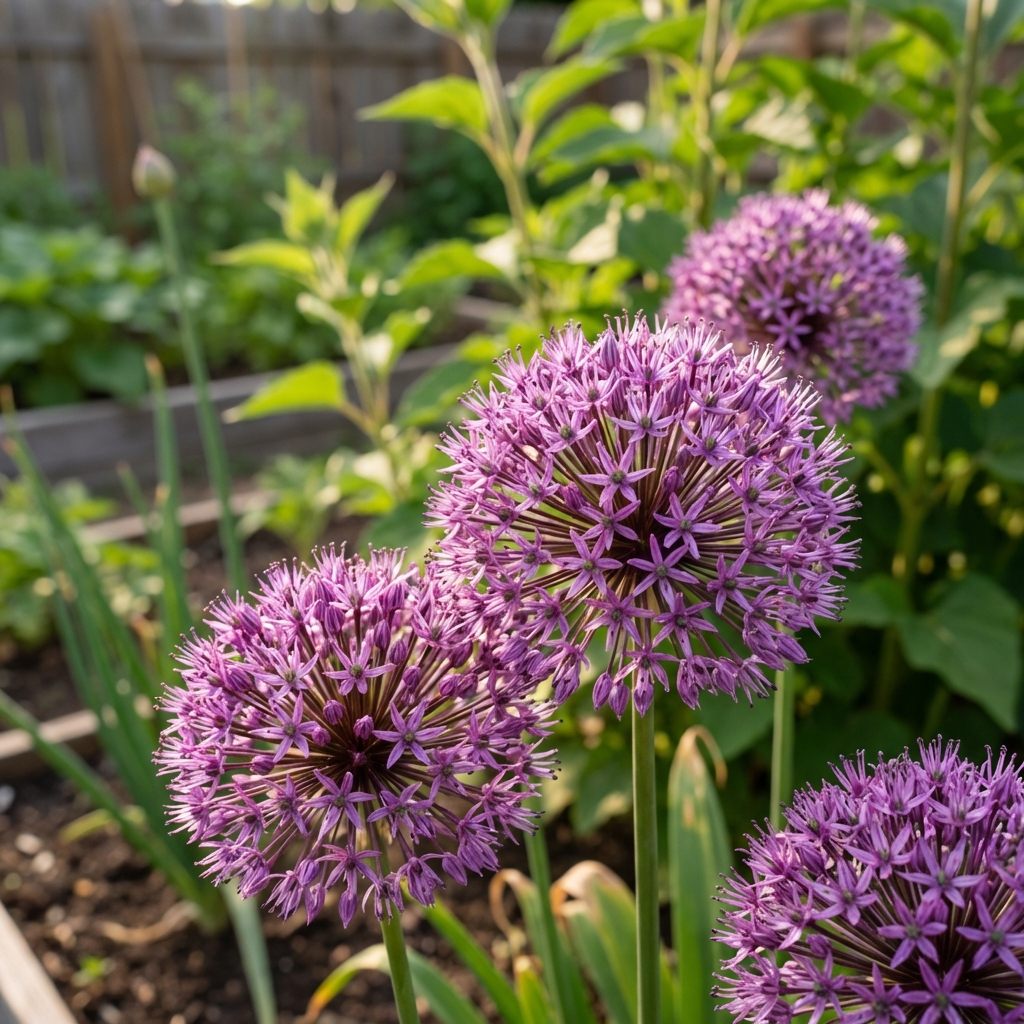
- Alliums (ornamental onion): Strong scent, dramatic globes. Great mixed into beds and borders.
- Grape hyacinth (Muscari): Often skipped, easy to naturalize.
Milkweed and native-friendly options
- Milkweed (Asclepias): Milky sap deters browsing. Choose a type suited to your soil: butterfly weed for drier spots, swamp milkweed for moist areas.
- Bee balm (Monarda): Aromatic foliage. Can get powdery mildew in humid areas, so give it airflow and as much sun as your climate allows (morning sun is a great baseline).
Quick safety note: Some deer-resistant plants work because they are irritating or toxic. If you have pets or small kids who sample plants, double-check toxicity before planting daffodils, milkweed, and similar “leave me alone” favorites.
How to design a deer deterrent flower bed (step-by-step)
Plant choice matters, but placement matters just as much. The goal is to create a “no thanks” perimeter and keep your tastiest plants away from deer travel lanes.
Step 1: Identify deer pathways
Look for tracks, droppings, rubbed bark, and flattened grass. Deer often move along edges: tree lines, fences, hedges, and the side of the house that feels quiet and sheltered.
Step 2: Build a deterrent border
Use a front row of strongly scented or fuzzy plants. This is where lavender, catmint, salvia, lamb’s ear, and alliums shine.
- Plant in clusters of 3 to 7 for a stronger scent signal.
- Repeat the same plants every few feet instead of planting one of everything.
Step 3: Put maybe plants in the middle
In the center of the bed, you can try plants that are moderately resistant in your area. Peonies, coneflowers, and black-eyed Susans often do fine, but deer will sample them in some neighborhoods.
Step 4: Keep deer candy close to the house
If you insist on deer favorites like tulips, hostas, daylilies, or roses, plant them closer to high activity areas or behind a physical barrier. Deer prefer low-risk feeding spots.
Planting and care tips that actually reduce browsing
Start with healthy, sturdy plants
Weak, stressed plants put out tender growth that deer love. Buy the healthiest plants you can and avoid leaving them in small nursery pots too long.
Water smart, not constantly
Deep watering helps plants root in, which helps them recover if they get nibbled. Frequent shallow watering keeps roots near the surface and growth extra soft.
Do not over-fertilize
Heavy nitrogen makes lush, juicy growth. If you feed, use compost or a balanced slow-release fertilizer and avoid pushing soft growth during peak browsing seasons.
Mulch for plant stress control
A 2 to 3 inch layer of mulch keeps soil moisture steadier and reduces stress. Keep mulch pulled back from stems to prevent rot.
When flowers are not enough: backup defenses
If deer pressure is high, flowers alone will not carry the whole load. Combine plant choices with at least one physical or scent-based tool.
Temporary cages for new plants
For new plantings, a simple wire cage can be the difference between success and starting over. In lighter pressure you may only need protection for a few weeks. In heavier pressure, plan on protecting plants for the whole first season, or until growth toughens up.
- Use hardware cloth or welded wire, 2 to 4 feet tall depending on plant size.
- Stake it firmly so deer cannot push it over.
Repellents (use them correctly)
Most effective repellents are egg-based or garlic-based, and many include capsaicin. They work best when used before deer make a habit of feeding.
- Reapply after rain and heavy watering, and always follow label directions.
- Habituation can happen. Some gardeners find rotating products helps, especially in high-pressure areas.
- Spray foliage, not blooms, especially on pollinator plants.
Lighting and motion tools
Motion sprinklers can be very effective for small areas. Motion lights help, but deer can acclimate if the light is the only deterrent.
Fencing (the long-term fix)
For persistent browsing, a fence is the most reliable solution. In many areas, an 8-foot fence is the standard recommendation for consistent control. Shorter fences can work if you use smart placement, double rows, or tight garden spaces, but results vary.
One detail that matters: deer will test gaps. Keep gates tight, close off low corners, and do not leave easy hop-over “launch points” like stacked firewood near the fence line.
Simple deer-deterrent planting plans
Sunny border (low maintenance)
- Front edge: lavender + catmint (repeating blocks)
- Middle: salvia + yarrow
- Back: Russian sage + ornamental alliums dotted through
Part-sun pollinator bed
- Front edge: lamb’s ear + catmint
- Middle: bee balm (with airflow) + salvia
- Back: swamp milkweed (if soil stays moist) or butterfly weed (if soil is drier)
Shade and woodland edge
- Front edge: hellebores (Helleborus) + daffodils (Narcissus) for early-season color
- Middle: foxglove (Digitalis) where appropriate for your region and garden style (note: toxic)
- Back: ferns for structure, with brunnera as a “maybe” filler in lower-pressure yards
Troubleshooting: what to do if deer still browse
If they are eating deer-resistant plants
- Check for drought stress. Water deeply and mulch.
- Increase planting density. A few isolated plants are easier targets.
- Add a temporary cage or netting while plants establish.
- Use repellent consistently for 2 to 3 weeks to break the habit.
If they only nibble the new growth
This is common. Protect in spring with cages or repellent, then reassess mid-season once foliage toughens up.
If the problem is near a deer corridor
Shift your most resistant plants to the corridor edge and move any maybe plants deeper into the yard or closer to the house.
Quick checklist before you plant
- Pick at least 3 different deer-deterrent flower types (scent + texture mix).
- Plant in clusters, not single specimens.
- Use a deterrent border along deer-facing edges.
- Protect new plants for the first month with a cage or repellent, and extend protection if browsing stays heavy.
- Skip high-nitrogen fertilizer that pushes soft growth.
Do these things and you will see a real difference in how often deer treat your flower bed like a buffet.

Jose Brito
I’m Jose Britto, the writer behind The Country Store Farm Website. I share practical, down-to-earth gardening advice for home growers—whether you’re starting your first raised bed, troubleshooting pests, improving soil, or figuring out what to plant next. My focus is simple: clear tips you can actually use, realistic expectations, and methods that work in real backyards (not just in perfect conditions). If you like straightforward guidance and learning as you go, you’re in the right place.