Bed bugs are the kind of problem that can make a calm home feel stressful fast. The good news is you can make real progress at home if you focus on the methods that actually kill bugs and their eggs, not just the ones that smell strong or sound clever.
This guide walks you through proven home steps, safer DIY options, and a simple game plan to follow for the next few weeks.
First, know what you are dealing with
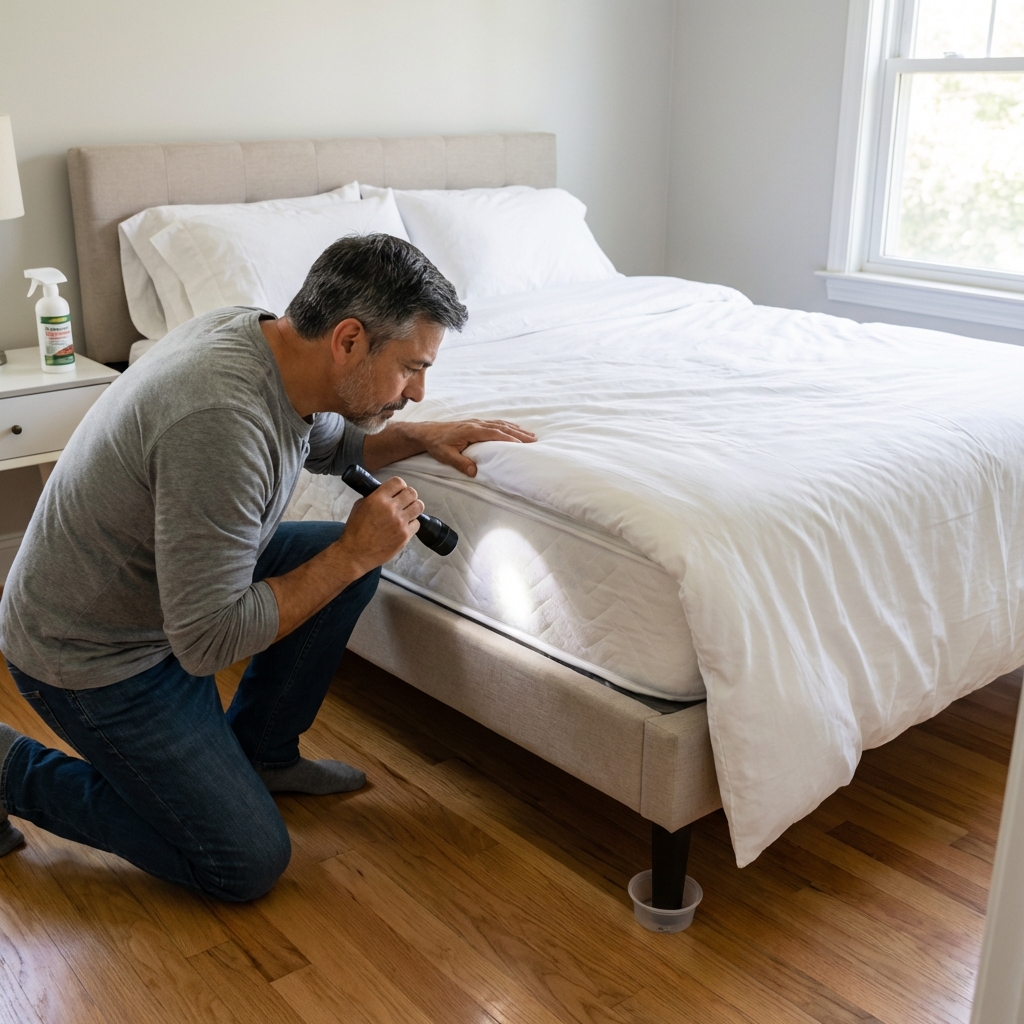
Before you treat, confirm it really is bed bugs. Many “home remedies” fail because the problem is something else, like fleas, carpet beetles, or skin irritation from detergents.
Common signs
- Small rust-colored stains on sheets or pillowcases (crushed bugs or droppings).
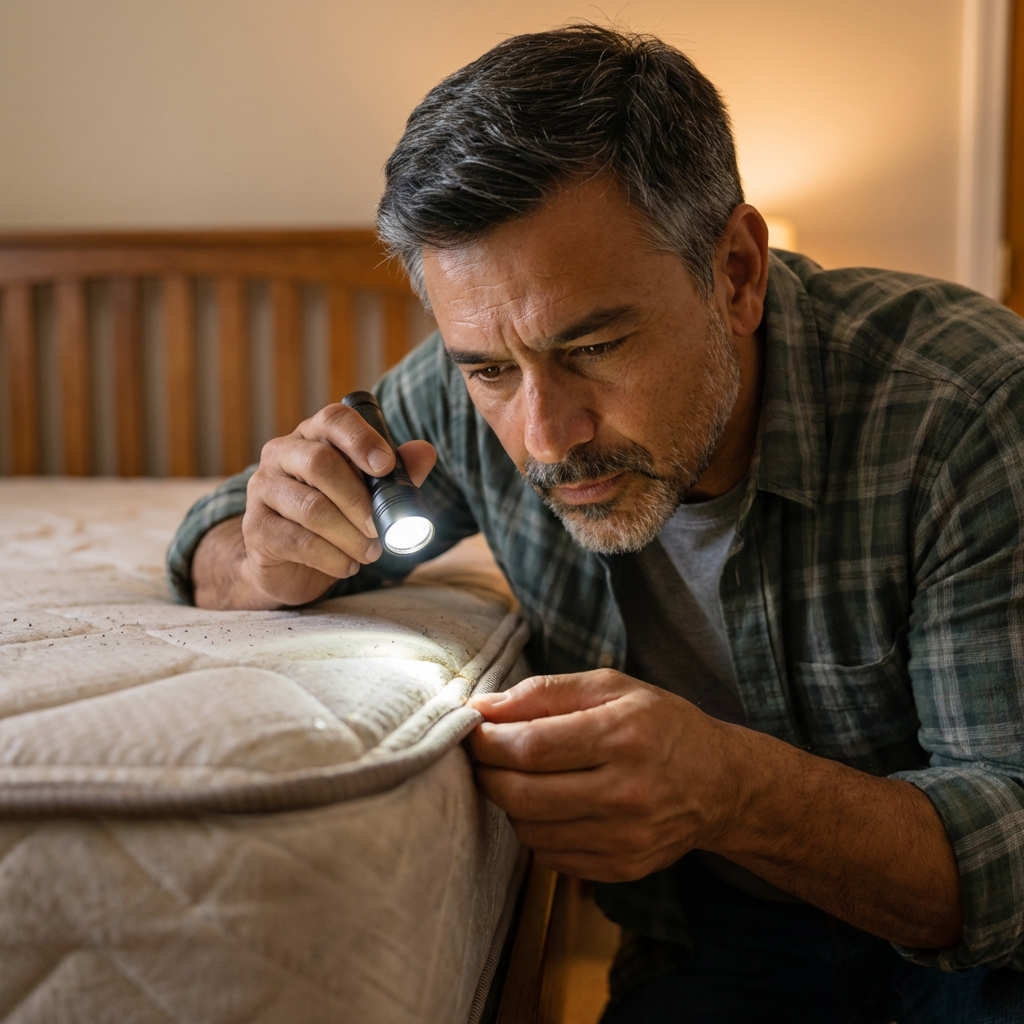
- Tiny dark dots along mattress seams, bed frame joints, or headboard cracks.
- Shed skins that look like pale, papery shells.
- Live bugs about apple-seed sized, flat and reddish brown.
- Bites often in clusters or lines, though bites alone are not proof.
If you can, use a flashlight and a thin card to check seams, tufts, and cracks. Start within 6 to 10 feet of where people sleep, then expand outward if you keep getting bites or you keep catching bugs in monitors.
The basics that make home treatment work
Most effective at-home control comes down to three things:
- Heat to kill bugs and eggs.
- Physical removal like vacuuming and trapping.
- Isolation and monitoring so you stop feeding the infestation and track progress.
Strong smells, “natural” sprays, and random powders do not help much unless they are used in a proven way. Bed bugs hide in cracks and can survive for months (sometimes longer in cool conditions), so consistency matters more than any single product.
Step-by-step: the most effective home plan
Set aside a few hours for the first round. After that, you will do smaller follow-ups weekly.
Step 1: Declutter the right way
Clutter gives bed bugs more places to hide. The key is to declutter without spreading them.
- Use sturdy trash bags.
- Bag items before moving them out of the room.
- Label bags or bins treated and untreated so clean items do not get mixed back into the problem.
- For keep items, bag them and treat them (heat, wash, or sealed storage) before returning.
Step 2: Laundry and heat treatment
Heat is one of the most reliable killers. For fabrics:
- Bag bedding, clothes, and curtains in the room.
- Empty bags directly into the washer.
- Dry on high heat first if items are dry, or wash then dry on high.
- As a practical minimum, aim for at least 30 minutes on high after the load is fully heated and dry. Bulky items and packed loads often need longer.
After drying, put clean items into fresh bags or bins with tight lids. Do not put them back in the same dresser until you have treated the room.
Step 3: Vacuum like you mean it
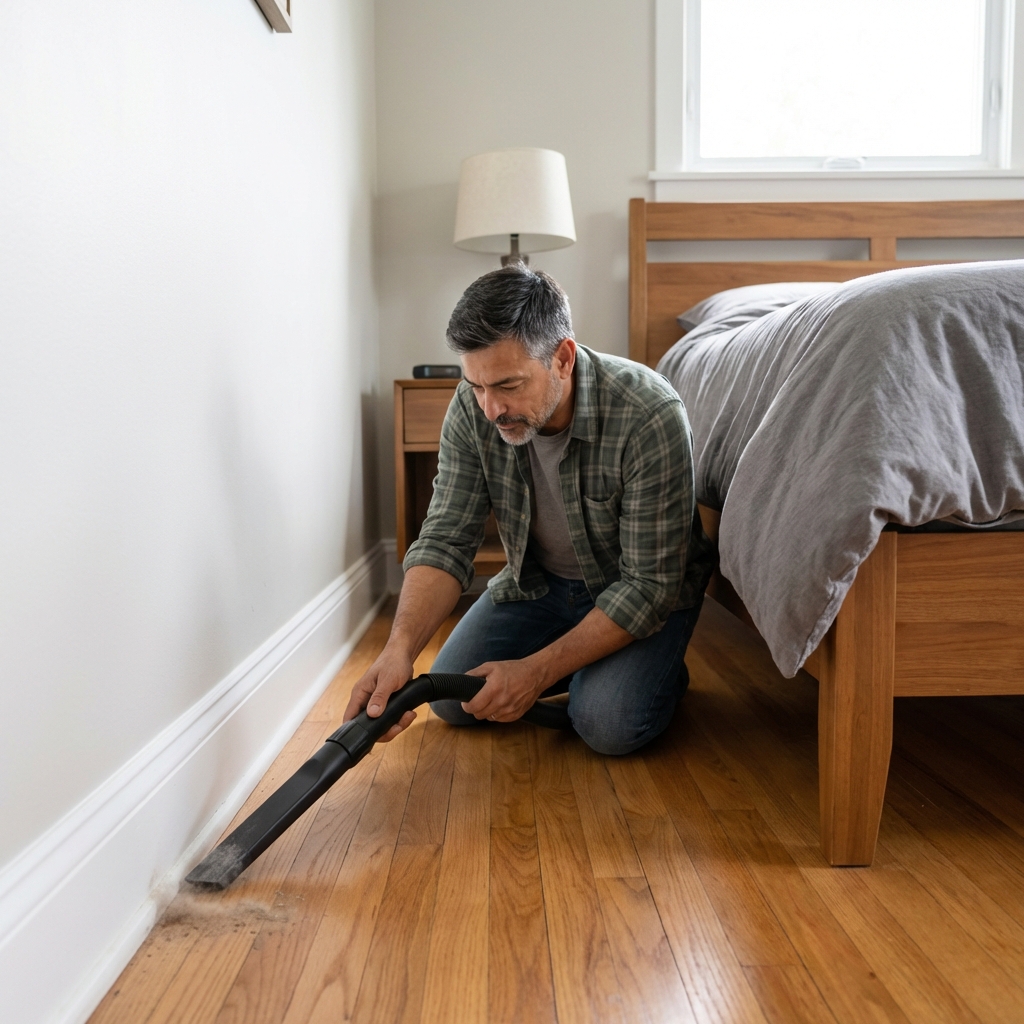
Vacuuming will not solve an infestation by itself, but it removes live bugs, shed skins, and debris that helps you monitor.
- Use the crevice tool on mattress seams, bed frame joints, baseboards, and carpet edges.
- Go slow. Quick passes do not pull bugs out of seams.
- Immediately seal the vacuum contents in a bag and take it outside.
If you have a bagless vacuum, empty it into a bag outdoors, seal, and wash the canister with hot soapy water. Bed bugs can crawl back out if you leave debris sitting in the bin. If you can, store the vacuum outside the bedroom between cleanings. A HEPA bag or filter can help keep dust down, but the key is containment and disposal.
Step 4: Use steam for seams and cracks
A steamer can be a powerful home tool when used correctly. Steam can kill bed bugs and eggs on contact if the heat reaches them.
- Use a steamer designed for home cleaning, not a small travel steamer.
- Move slowly, about 1 inch per second, or simply slow enough that the surface stays hot. Avoid blasting, which can scatter bugs into deeper hiding spots.
- Focus on mattress seams, tufts, bed frame joints, and the edge of carpet near the bed.
Important: Steam can damage some finishes. Slow and steady works better.
Step 5: Encase the mattress and box spring
Bed bug encasements trap any bugs you missed and remove hiding places going forward.
- Choose encasements labeled for bed bugs with a secure zipper.
- Keep encasements on for at least 12 months (many people keep them on 12 to 18 months) if you are unsure when the infestation started.
Step 6: Isolate the bed
This step stops bed bugs from easily reaching you, and it helps you see if they are still active.
- Pull the bed a few inches away from the wall.
- Make sure bedding does not touch the floor.
- Use interceptor traps under bed legs.
Interceptors are one of the most helpful “simple” tools because they turn the bed into a monitoring station. If you catch bugs in the outer ring, they are likely coming from the room toward the bed. If you catch them in the inner ring, they may be coming from the bed or frame.
One more thing: Try to keep sleeping in the bed once it is isolated. Moving to the couch or another room can spread the infestation. The goal is to make the bed a controlled, monitored zone.
Home options you can use
There is no single kitchen ingredient that reliably wipes out bed bugs on its own. DIY success comes from repetition, targeted tools, and monitoring. That said, a few at-home options can help when used as part of the full plan.
Diatomaceous earth (DE) or silica dust
These work by damaging the bug’s outer coating so it dehydrates. This is not instant. It is a slow, steady tool.
- Use a product labeled for insect control, not pool-grade DE.
- Apply a very light dusting in cracks, behind baseboards, and under furniture edges.
- Avoid heavy piles. Bed bugs will go around them.
- Keep dust out of the air. Wear a mask if you are sensitive, and keep kids and pets away during application.
Rubbing alcohol (why it is not a main solution)
Isopropyl alcohol can kill bed bugs on direct contact, but it evaporates quickly and does not affect eggs well. It is also highly flammable.
- Do not use alcohol as a room spray or mattress soak.
- If you use it at all, limit it to wiping hard surfaces where you see a bug in the moment, and keep it away from flames and heat sources.
In most homes, you are better off spending that effort on vacuuming, steam, and heat laundering.
Essential oil sprays (limited value)
Some essential oils may repel or kill a few bugs in lab settings, but real-life results are inconsistent, and they rarely reach hidden bugs and eggs.
- Do not rely on essential oils as your primary treatment.
- Be cautious around pets, especially cats, and people with asthma or sensitivities.
Safety basics
- Do not apply pesticides to bedding or sleeping surfaces unless the product label explicitly allows it.
- Never mix chemicals (including cleaners). More is not better, and mixing can create dangerous fumes.
- Avoid breathing dusts and do not apply them where they can get kicked up into the air.
What does not work
- Bug bombs or foggers: can drive bed bugs into wall voids and adjacent rooms and rarely reaches harborage areas.
- Vinegar alone: may kill on contact sometimes, but it does not reliably kill eggs and does not provide residual control.
- Sunlight on a mattress for a few hours: surface warmth is not the same as sustained lethal heat inside seams.
- Sleeping in another room: this can spread the infestation through the house.
If you take one thing from this list, make it this: avoid foggers, and do not move sleeping locations around.
Room hotspots to treat
Bed bugs usually cluster close to where people sleep, but they can travel, especially as an infestation grows. Focus your effort where it counts.
Bedroom priorities
- Mattress seams, tags, and piping
- Box spring edges and underside
- Bed frame cracks and screw holes
- Headboard, especially wall-mounted
- Baseboards and carpet tack strips near the bed
- Nightstands, drawer joints, and underside
Living room priorities
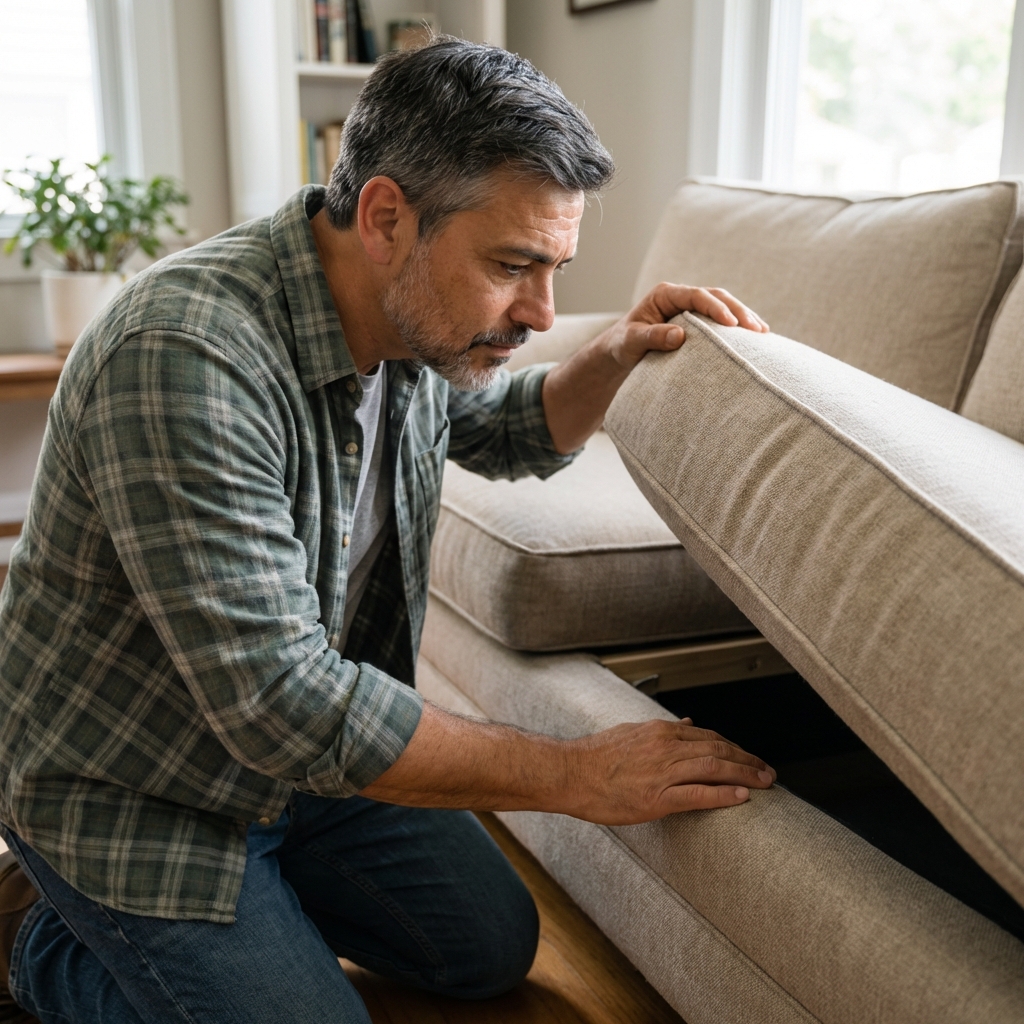
- Couch seams and under cushions
- Recliner joints and fabric folds
- Throw blankets and pet beds
How long does it take?
With consistent effort, many households see a major drop in activity within 1 to 3 weeks, but full elimination often takes 6 to 8 weeks or longer. Eggs hatch in cycles, so you have to keep treating and monitoring even after bites stop.
A simple follow-up schedule
- Daily (first week): check interceptors, reduce clutter, keep laundry contained.
- Weekly (for 6 to 8 weeks): vacuum, steam key zones, reapply dust lightly if it was disturbed.
- Ongoing: keep encasements on and continue monitoring for at least a couple months after the last sign.
When DIY is not enough
This approach follows Integrated Pest Management (IPM), meaning you combine the tools that work (heat, physical removal, isolation, monitoring) instead of leaning on one spray. Even with a solid IPM plan, DIY may not be enough if:
- You find bed bugs in multiple rooms or you are catching them far from the bed.
- You live in an apartment or townhouse and suspect spread between units.
- The infestation is heavy, long-running, or the space is so cluttered that you cannot reach hiding spots.
- Bites and sightings continue after 4 to 6 weeks of consistent home treatment.
- You cannot safely do heat, steam, or repeated laundering due to health or mobility limits.
When to call a professional
Home methods can work, but there are times it is smarter to bring in help sooner rather than later.
- You find bed bugs in multiple rooms.
- You live in an apartment or townhouse and suspect spread between units.
- Bites and sightings continue after 4 to 6 weeks of consistent home treatment.
- You cannot safely use heat, steam, or repeated laundering due to health or mobility limits.
Ask what method they use (heat, chemical, or integrated), what prep they require, and what follow-up visits are included.
Prevention tips that help
- After travel: dry travel clothes on high heat before putting them away.
- Be careful with used furniture: inspect seams and joints. If you cannot inspect well, skip it.
- Use encasements and interceptors in high-risk situations, like multi-unit buildings.
- Reduce hiding spots: seal cracks in baseboards and tighten loose outlets and switch plates after treatment.
Quick checklist
- Confirm signs of bed bugs with a careful inspection
- Bag, wash, and dry on high heat
- Vacuum seams, cracks, and edges slowly and thoroughly
- Steam mattress seams and bed frame joints
- Encase mattress and box spring
- Isolate the bed and add interceptors
- Repeat weekly and monitor for 6 to 8 weeks
If you want the most realistic “home remedy” in one sentence, it is this: heat plus consistent follow-up beats almost every spray.

Jose Brito
I’m Jose Britto, the writer behind The Country Store Farm Website. I share practical, down-to-earth gardening advice for home growers—whether you’re starting your first raised bed, troubleshooting pests, improving soil, or figuring out what to plant next. My focus is simple: clear tips you can actually use, realistic expectations, and methods that work in real backyards (not just in perfect conditions). If you like straightforward guidance and learning as you go, you’re in the right place.