Roaches are one of those pests that make your stomach drop because they are not just gross. They are good at hiding, they reproduce fast, and they will keep showing up as long as your home offers food, water, and easy hiding spots.
The good news: you can often get serious results without foggers, harsh sprays, or mystery chemicals. The “ultimate natural way” is not one magic ingredient. It is a simple system that hits roaches where they live: remove what they need, block how they travel, and use low-toxicity baits and dusts in the right places.
Quick reminder: “Natural” does not mean risk-free. Even low-tox tools like boric acid and diatomaceous earth need careful placement, especially around kids and pets.
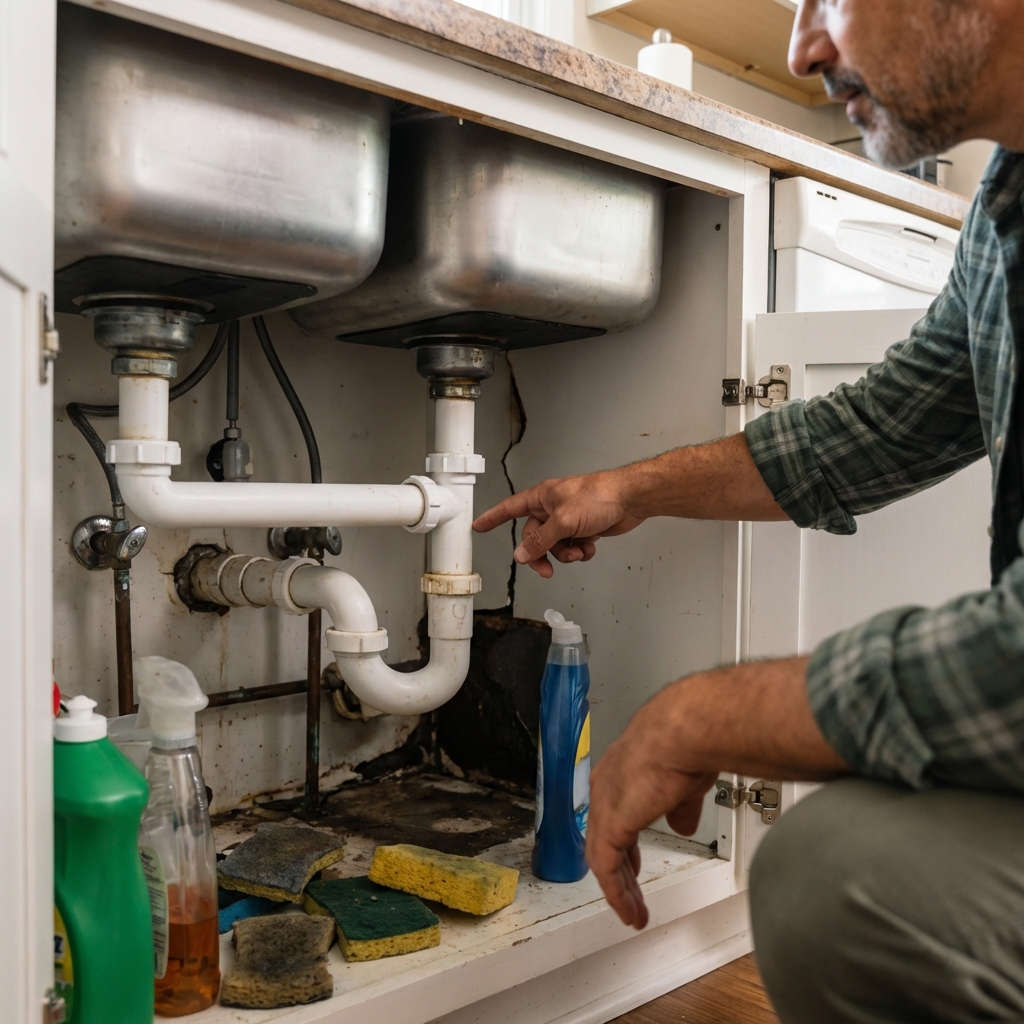
Before you start: know what you are dealing with
Different roaches behave differently. The fastest way to waste time is treating the wrong areas.
Quick ID guide
- German roaches (most common indoors): small, tan to light brown, often seen in kitchens and bathrooms. They love warmth and moisture and hide close to food and water.
- American roaches: larger, reddish brown, often come from basements, crawl spaces, drains, garages, and sewers. They can wander farther.
- Smokybrown roaches: uniformly dark brown, commonly from outdoors, attics, and humid areas. They love leaf litter and mulch near the foundation.
If you see lots of small roaches and tiny pepper-like droppings around cabinets, appliances, and the sink, assume German roaches and prioritize the kitchen and bathroom first.
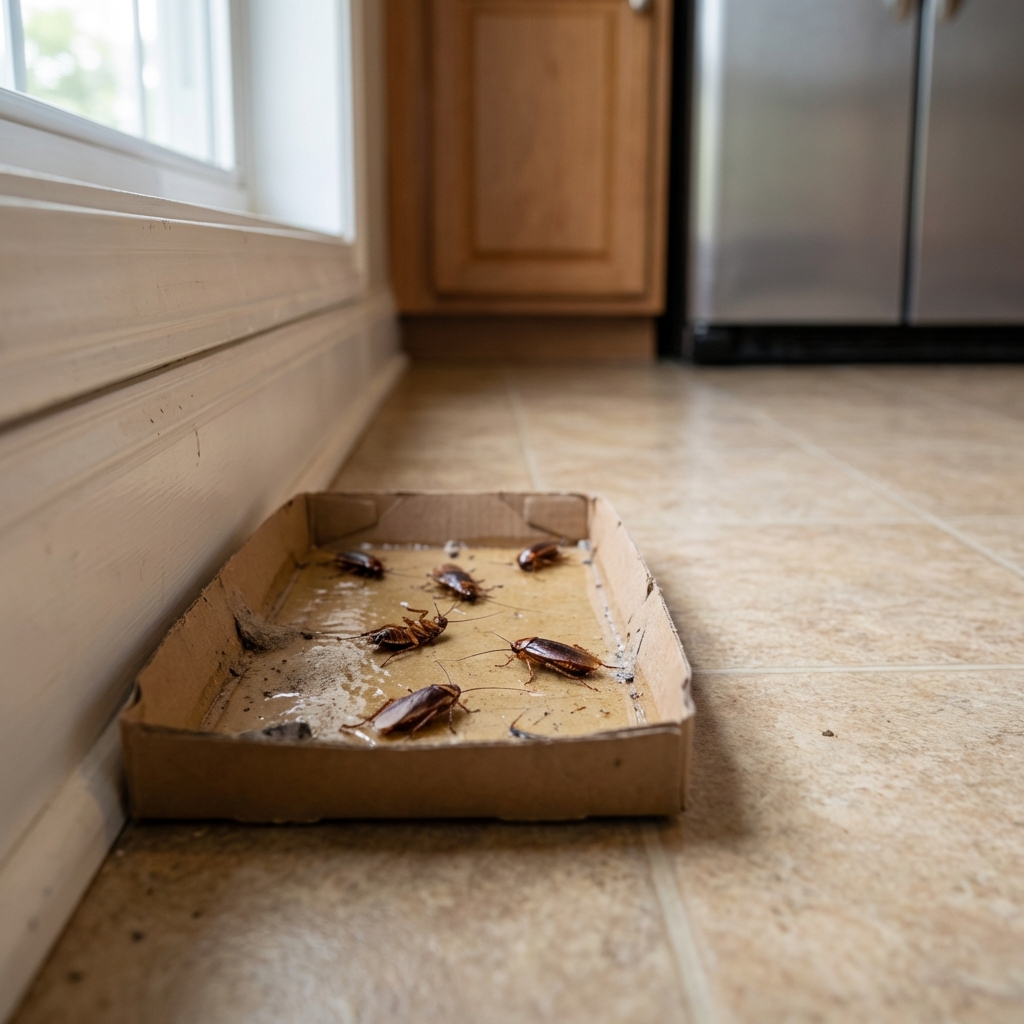
Tip: Put a few sticky traps (glue boards) under the sink, behind the fridge, and near the stove for 2 to 3 nights. Where you catch the most is where you focus your treatments.
The natural roach-killing system (works best in this order)
Step 1: Cut off food fast
Roaches can live a long time on crumbs, grease splatter, and they can even feed on paper and some starchy glues. Your goal is to make your home feel “empty” to them, so baits become more attractive.
- Wipe counters nightly with warm soapy water, then dry them.
- Vacuum along baseboards and under appliances. A crevice tool helps.
- Store food in sealed containers. Do not leave fruit out if you have heavy activity.
- Take out trash nightly and rinse recyclables.
- Feed pets on a schedule and pick bowls up afterward.
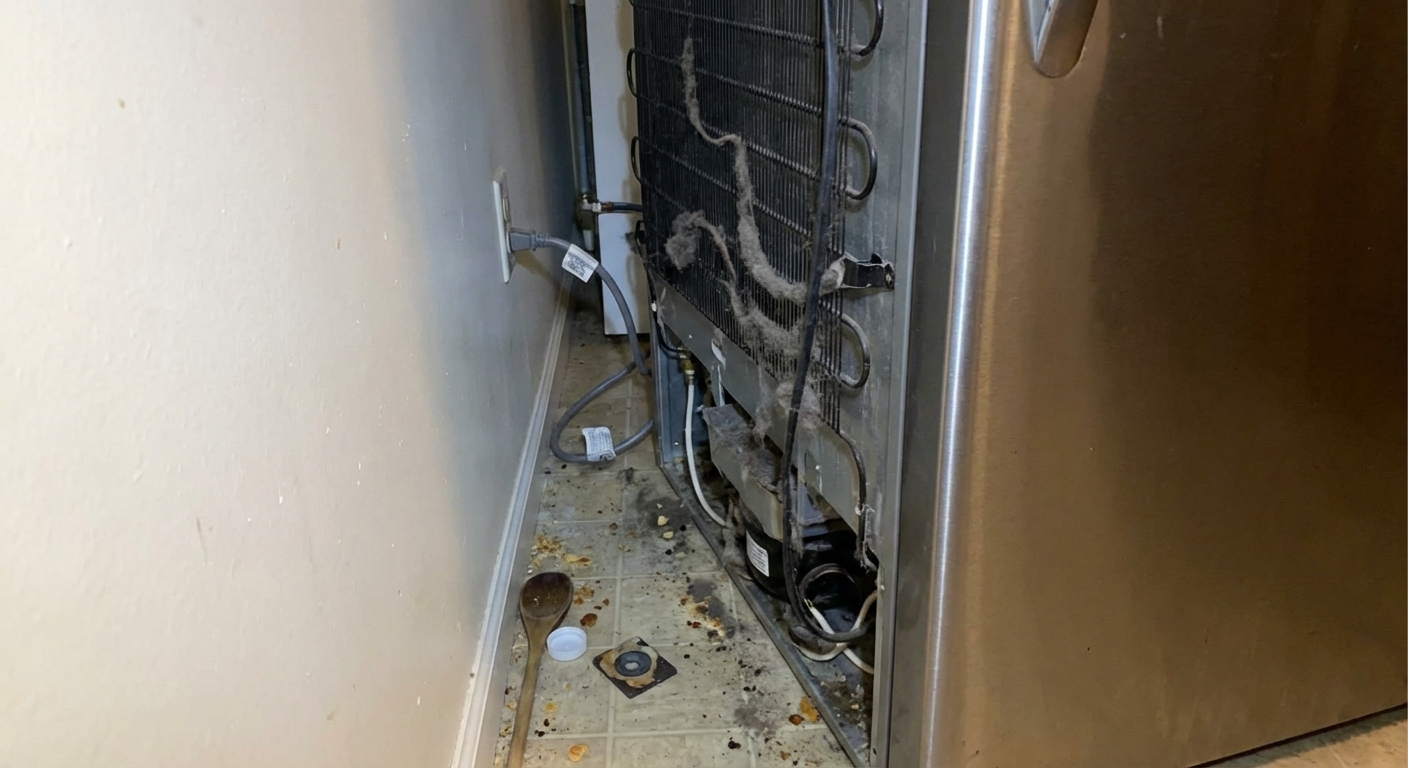
Where people miss: the sides of the stove, the drip pan under the fridge, the toaster crumb tray, and the cabinet corners near cooking oils.
Step 2: Cut off water (this is huge)
Roaches can survive longer without food than without water. Drying up moisture often reduces activity within 1 to 2 weeks in many homes.
- Fix drips under sinks, around the toilet, and at supply lines.
- Do not leave sponges or dishcloths wet overnight. Wring them out and hang to dry.
- Run the bathroom fan after showers or crack a window to reduce humidity.
- Empty the pet water bowl at night for a couple weeks if you can.
Step 3: Declutter their hiding spots
Cardboard is basically roach real estate. It holds humidity and gives them cover.
- Remove stacks of paper bags, cardboard boxes, and old newspapers.
- Store pantry items on shelves, not on the floor.
- Clear out under-sink storage so you can treat corners and wall gaps.
Step 4: Seal cracks and travel routes
This step keeps the problem from reloading. It also forces roaches to cross treated areas.
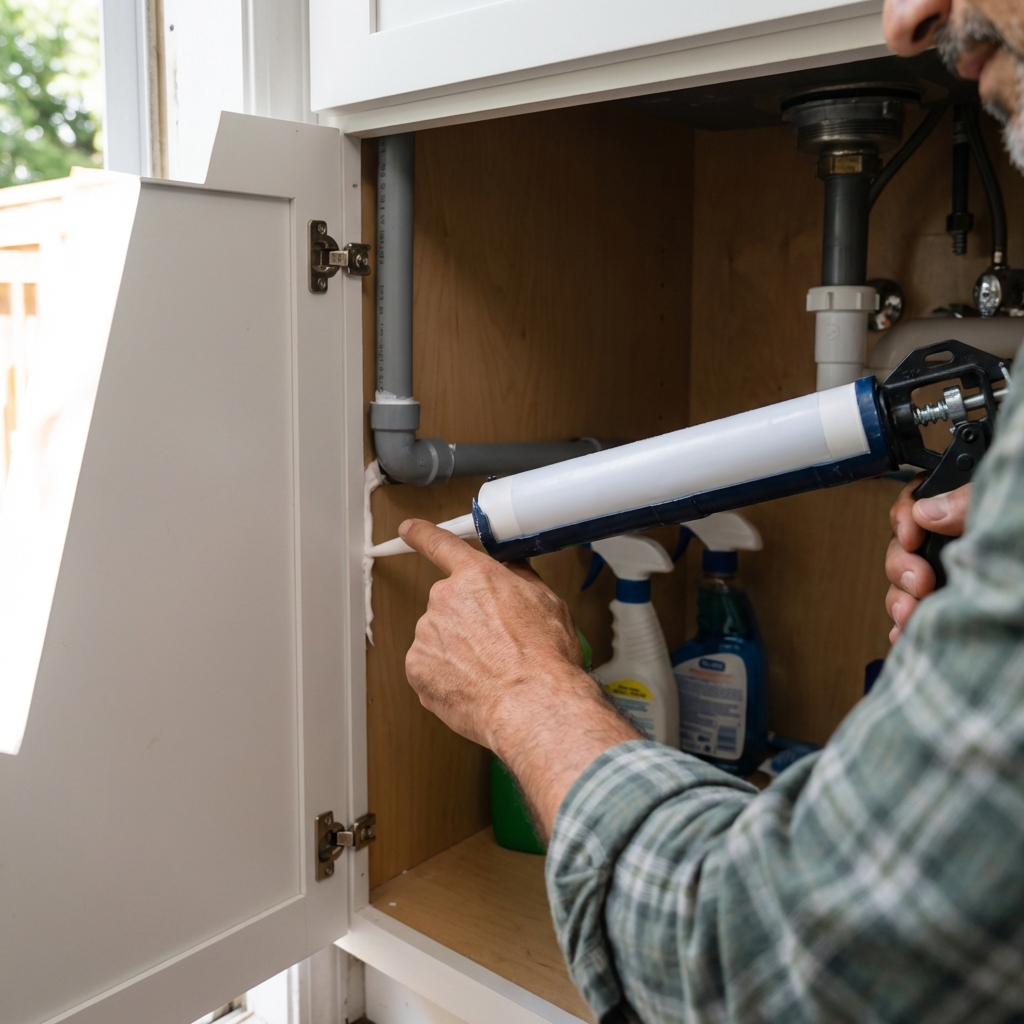
- Use silicone caulk to seal gaps along baseboards, cabinet seams, and around plumbing penetrations.
- Add door sweeps on exterior doors and weatherstrip where you see light.
- Seal around pipes under sinks with caulk or expandable foam (use foam sparingly).
Important: If you suspect roaches are coming through a shared wall (apartments, townhomes), you will still do better with sealing plus baiting, but you may need building-wide cooperation for a complete fix.
The best natural killers (what to use and how)
Here are the natural options that consistently perform well when used correctly. You do not need all of them, but combining a bait with a light dusting in voids is a strong one-two punch.
1) Boric acid (classic, effective, low-odor)
Boric acid works by sticking to the roach and getting ingested during grooming. It can be very effective, but only when applied in a whisper-thin layer. Piles make roaches avoid it.
How to use boric acid the right way
- Choose boric acid powder (not a spray).
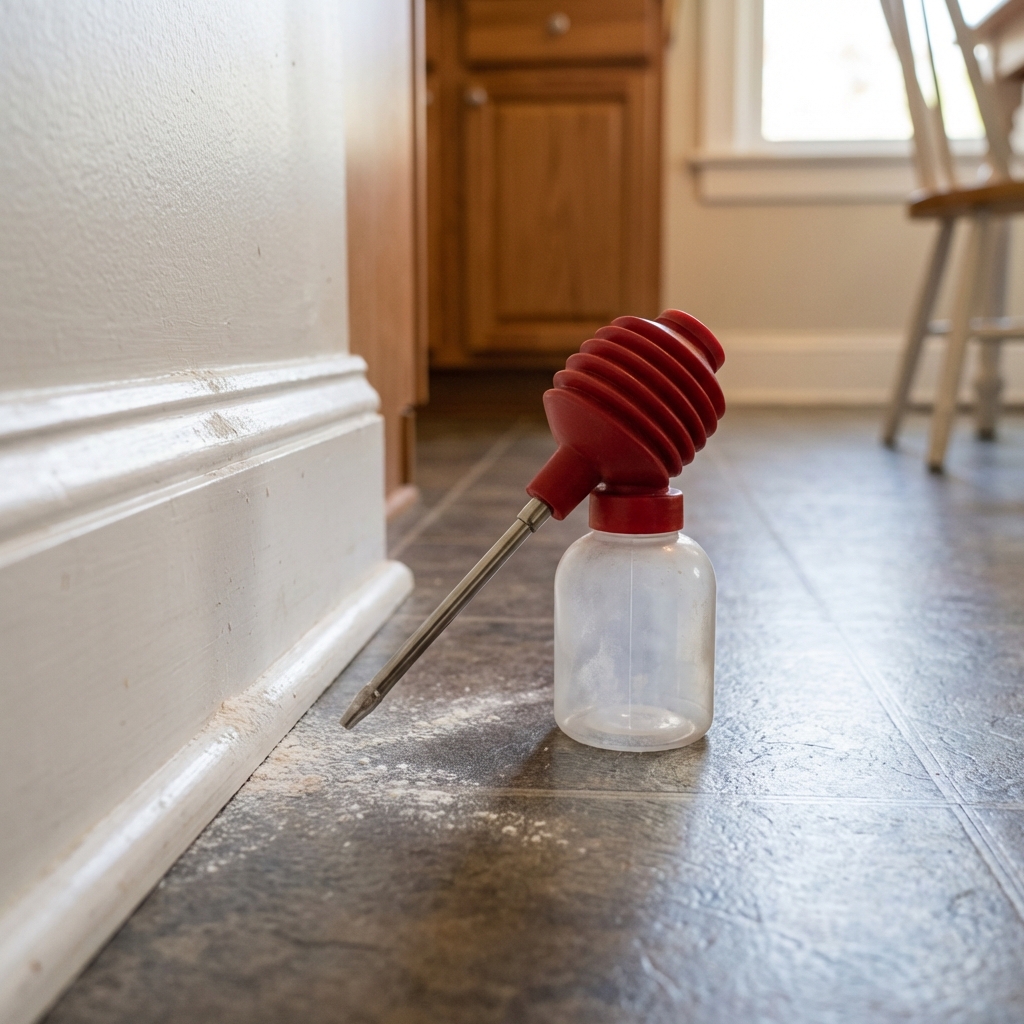
- Use a duster bottle or a clean makeup brush to apply a thin, barely visible film.
- Target: behind the fridge, under the stove, inside wall voids, under the sink corners, and behind cabinets where possible.
- Keep it dry. Moist boric acid cakes up and becomes less useful.
Safety: Boric acid is lower toxicity than many conventional insecticides, but it is not “edible safe.” Keep it away from kids, pets, food prep surfaces, and open shelves. Use it in cracks, crevices, and hidden voids.
2) Diatomaceous earth (DE) (physical killer, best in dry areas)
Food-grade diatomaceous earth is a fine powder made from fossilized algae. It kills by damaging the roach’s protective outer layer, which leads to dehydration. DE is most effective where it stays dry and undisturbed.
How to use DE without making a mess
- Buy food-grade DE only.
- Wear a dust mask while applying. Any fine dust can irritate lungs.
- Apply a very light dusting in voids and along edges: behind appliances, under cabinets, and along baseboards behind furniture.
- Avoid wet areas like directly under a leaking sink. Fix moisture first.
Reality check: DE is not a fast knockdown. It is a steady pressure tool that works best alongside baiting.
The most reliable natural bait approach
Roaches often feed in groups. When you use baits correctly, you can reduce a population dramatically because roaches eat bait in hidden areas and some products can also affect others indirectly (through contaminated feces, secretions, or carcasses). Results vary by bait and species, so focus on good placement and steady pressure.
Option A: Commercial low-tox roach baits (recommended)
If you want the simplest route, use a reputable roach bait gel or bait stations and focus on placement. Many baits are low-odor and used in tiny quantities. They are often more consistent than DIY mixes.
Placement that works
- Place small dots of gel bait or stations near roach harborages, not in the middle of open floors.
- Best spots: cabinet hinges, under-sink corners, behind the fridge, behind the stove, and along plumbing lines.
- Do not use foggers or bug bombs. They can scatter roaches deeper into walls and reduce bait feeding.
- Do not spray cleaners, essential oils, or pesticides near bait. Roaches avoid contaminated bait.
- Refresh gel when it dries out or gets dusty.
Bait tip: More is not better. Use small placements in multiple hidden spots. If bait is not being eaten after a few days, move it closer to the hotspot instead of piling on extra.
Option B: DIY boric acid bait (use carefully)
If you cannot get commercial bait, a DIY boric bait can help. The key is using very little boric acid so roaches will actually eat it.
Simple DIY bait idea
- Mix a small amount of boric acid into a food roaches like: a little peanut butter or sugar syrup. Keep the mix soft, not chalky.
- Place tiny amounts on a piece of wax paper in hidden spots (back of cabinets, under appliances).
- Keep away from kids and pets. Treat it like a poison bait, because it is.
Note: I am intentionally not giving heavy ratios here because homes vary and overloading boric acid makes bait less attractive. If your mix looks powdery, you used too much.
Natural repellents: what helps and what to skip
What helps
- Vacuuming and steam cleaning: Not a “repellent,” but it helps remove droppings and scent trails, and you can vacuum up egg cases you find. Steam can also kill roaches and loosen grime when you hit cracks and crevices directly.
- Sealing and drying: The best long-term prevention you can do without chemicals.
Be careful with essential oils
Some essential oils can repel roaches on contact, but they rarely solve an infestation on their own. They also evaporate quickly, can stain surfaces, and can be unsafe for pets, especially cats.
If you use any scented spray, keep it out of bait zones. Repellents can push roaches deeper into walls and make your bait less effective.
Where to treat (the spots that matter most)
Roach control is mostly about placing tools where roaches travel. Focus on these high-return areas.
Kitchen
- Under and behind the refrigerator (especially near the compressor area)
- Behind and under the stove
- Under the sink, back corners, and pipe holes
- Inside cabinet seams and hinge areas
- Pantry floor edges and baseboards
Bathroom
- Behind the toilet
- Under the sink and around plumbing
- Along baseboards near the tub or shower
- In vanity toe-kick gaps
Utility areas
- Laundry room floor edges
- Water heater closet
- Basement rim joists and cracks (for larger roaches)
- Drains and floor drains (especially for larger roaches): use screens where possible, fix leaks, and keep P-traps from drying out (run water in rarely used drains).
How long it takes (realistic expectations)
- First 48 hours: You may see more roaches. That is common when you start baiting and disturbing hiding spots.
- Week 1: Activity should begin dropping if you dried up water and placed bait correctly.
- Weeks 2 to 4: Big reduction for most moderate infestations, especially German roaches.
- Month 2: This is where prevention and sealing pay off. You are trying to stop the next generation.
If you still see steady activity after 2 to 3 weeks, something is off: moisture is still available, bait placement is too exposed, sanitation is inconsistent, you are using repellents near bait, or you have an outside source (neighbors, shared walls, crawl space).
Safety notes for homes with kids and pets
- Use powders (boric acid, DE) in cracks and voids, not on open floors or countertops.
- Prefer tamper-resistant bait stations over open bait where possible.
- Store all products sealed and out of reach.
- Never mix powders into food and leave it where pets can access it.
If anyone in the home has respiratory issues, apply dusts minimally, ventilate, and consider focusing on sealing plus bait stations instead.
Prevention checklist (once things calm down)
- Keep counters and sinks dry overnight.
- Run a quick weekly vacuum along baseboards and under appliances.
- Store pantry items in sealed containers.
- Fix leaks quickly, even small ones.
- Replace torn door sweeps and seal new gaps as they appear.
- Keep mulch and leaf litter pulled back from the foundation if outdoor roaches are an issue.
- Use drain screens and keep seldom-used drains from drying out.
When to call in help
If you are seeing roaches in daytime, finding lots of droppings, or spotting them in multiple rooms, you may be dealing with a heavy infestation. Natural methods can still work, but you may need a professional to locate wall void nests, address building-level sources, or treat drains and crawl spaces.
If you live in a multi-unit building and roaches keep returning, document sightings, keep traps as evidence, and talk to management. Roach control is often a shared-wall problem.
Quick action plan
- Tonight: Clean and dry the kitchen, take out trash, set 4 to 6 sticky traps.
- This weekend: Pull the fridge and stove, vacuum, wipe grease, then apply a light dusting in hidden areas.
- Same day: Place bait near hotspots, not in open areas.
- Next 7 days: Fix leaks, reduce clutter, seal gaps under the sink and behind appliances.
- Week 2: Refresh bait, keep drying routines, and check trap counts.
If you want the biggest takeaway: dry + bait + seal. Do those three consistently and you will usually win.

Jose Brito
I’m Jose Britto, the writer behind The Country Store Farm Website. I share practical, down-to-earth gardening advice for home growers—whether you’re starting your first raised bed, troubleshooting pests, improving soil, or figuring out what to plant next. My focus is simple: clear tips you can actually use, realistic expectations, and methods that work in real backyards (not just in perfect conditions). If you like straightforward guidance and learning as you go, you’re in the right place.