Hands-On Learning at The Country School Farm
There is something different about learning in a place where the work is real. You can feel it when you carry a bucket of feed, watch a chicken scratch for seeds, or pull a warm carrot from the soil. A visit to The Country School Farm is built around that kind of hands-on experience, whether you are coming for a day trip or signing up for our summer school programs.
Below you will find what to expect, how to plan ahead, and why a farm day can be one of the best classroom settings there is.
Day Visits
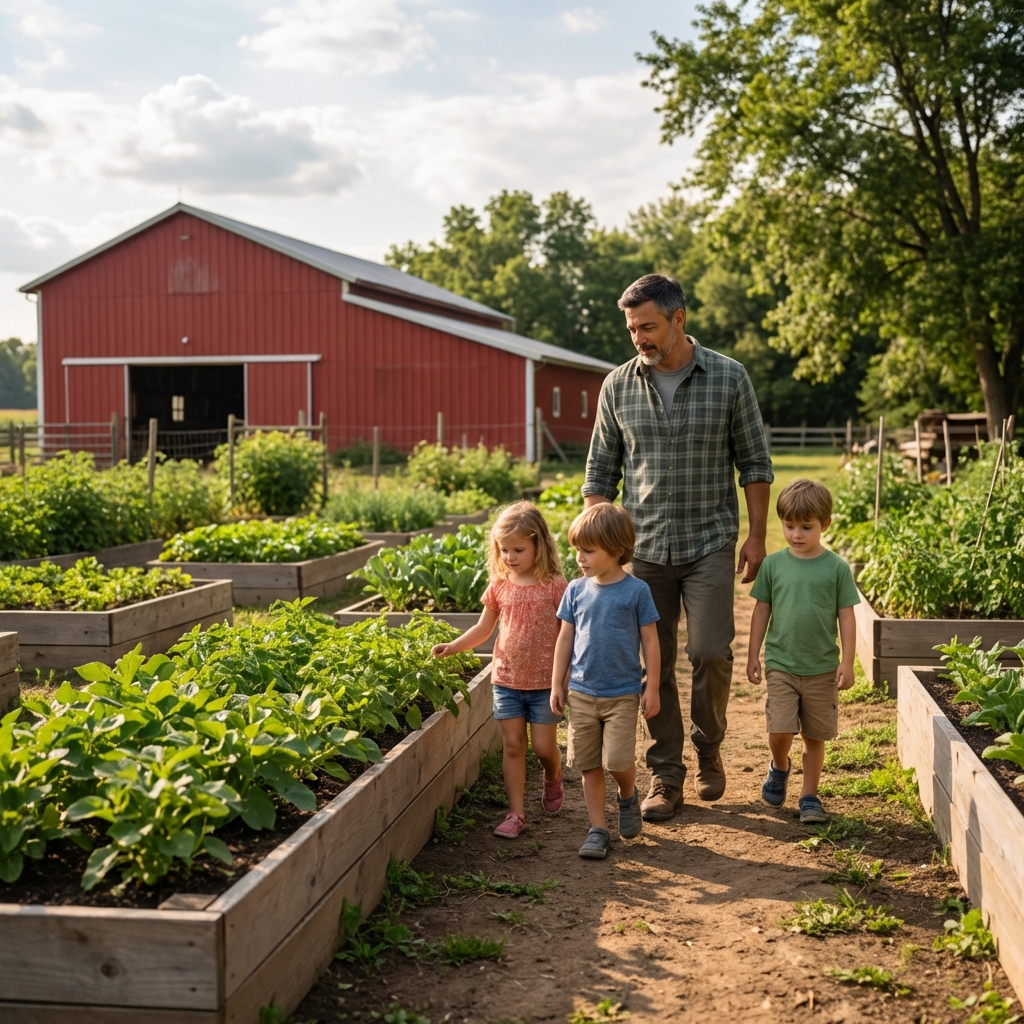
Day visits are a great fit for families, homeschool groups, scout troops, and classrooms looking for an outdoor learning day that feels fun and purposeful. You will spend time with animals, explore the gardens, and see how a working farm runs day to day.
What you might do during a visit
- Meet the animals: Learn basic care, behavior, and safe barn manners.
- Garden time: Plant, harvest, or explore what is growing depending on the season.
- Farm chores: Age-appropriate tasks that help visitors understand the rhythm of farm life.
- Nature learning: Observe insects, soil, and plant life up close, with plenty of time for questions.
Every season brings something new. Spring is full of growth and fresh starts, summer is often peak garden energy, and fall is harvest time. When available, select winter dates can be special if you want to focus on animal care and the behind-the-scenes side of a farm.
Summer School Programs
Our summer school programs are designed for kids who learn best by doing. Instead of sitting still for long stretches, students get to move, build skills, and take part in real farm tasks. It is structured, but not stiff. The goal is confidence, curiosity, and connection to the natural world.
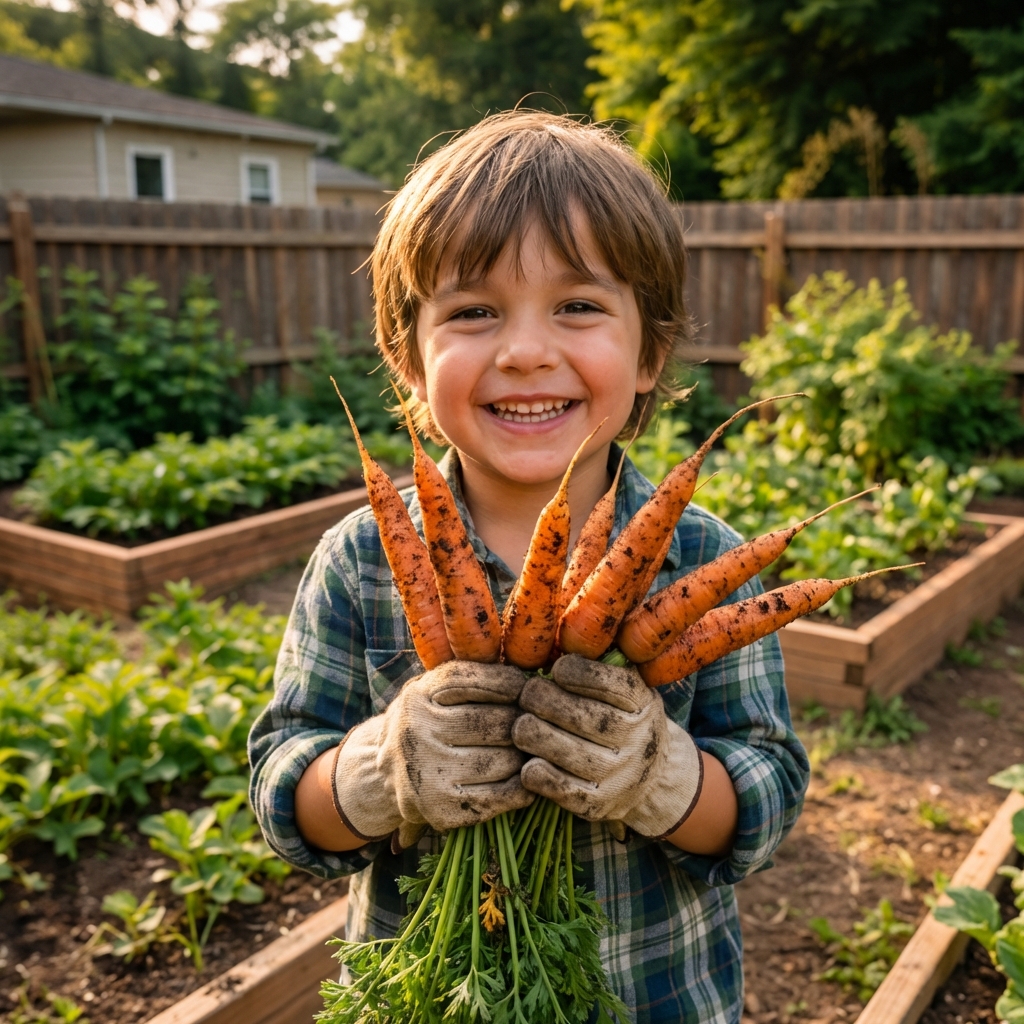
What students learn
- Animal care basics: Feeding, watering, and understanding animal needs.
- Gardening skills: Planting, weeding, harvesting, and simple crop care.
- Soil and compost: What healthy soil looks like and how farms build it over time.
- Food connections: How food moves from field to table and why seasons matter.
- Teamwork and responsibility: Working together, following safety rules, and finishing tasks.
Expect plenty of outdoor time, hands-on projects, and the kind of learning that sinks in because it is tied to real experiences. If you have a child who loves animals, enjoys building things, or needs space to move, farm-based learning can be a great fit.
What to Bring
A good farm day starts with being comfortable. You do not need fancy gear, just practical basics.
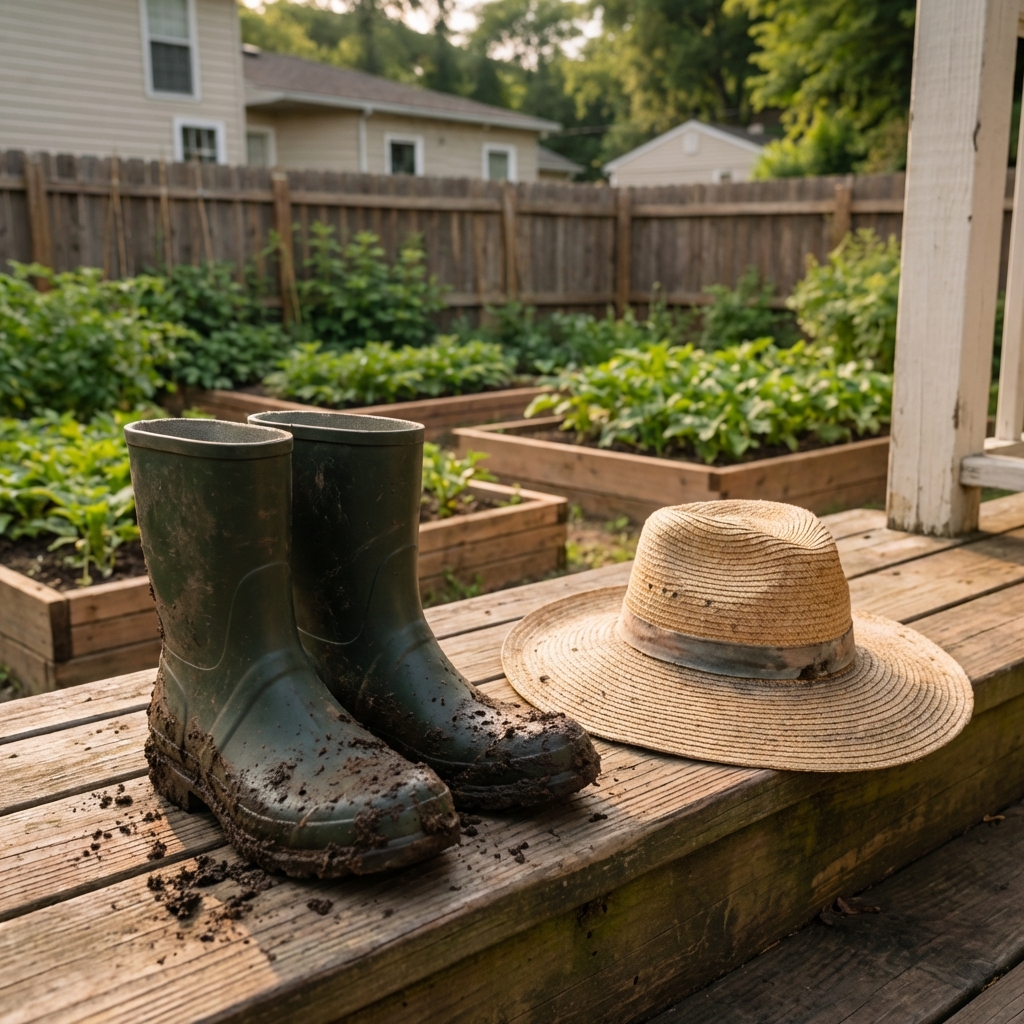
- Closed-toe shoes: Boots are great, sneakers work for dry days.
- Clothes that can get dirty: Farm learning is hands-on for a reason.
- Layers: Mornings can be cool even when afternoons warm up.
- Water bottle: Especially in summer.
- Sun and bug protection: Hat, sunscreen, and insect repellent as needed.
Farm Guidelines
Farms are fun, but they are also working places with animals, tools, and uneven ground. A few simple guidelines help everyone have a safe, smooth visit.
- Follow staff instructions, especially around animals and gates.
- Walk, do not run, in barn areas and near fences.
- Closed-toe shoes are required in animal and barn areas.
- Wash hands after animal time and before eating.
- Ask before feeding animals. Different animals have different diets.
Plan Your Visit
If you are ready to come out, the next step is to check available dates and program details on tcsfarm.com. Day visits and summer school programs may have limited space, especially during peak season.
Tip: If you are planning for a group, it helps to reach out early so the farm can recommend the best timing for your ages, goals, and the season.
Why Farm Time Matters
A farm visit is not only about seeing animals and taking photos. It is about learning that food and care take time, that soil is full of living organisms, and that small daily work adds up. Whether you are here for a day or a full summer program, you will leave with something useful: a new skill, a new question, or a new appreciation for what it takes to grow and raise things well.

Jose Brito
I’m Jose Britto, the writer behind The Country Store Farm Website. I share practical, down-to-earth gardening advice for home growers—whether you’re starting your first raised bed, troubleshooting pests, improving soil, or figuring out what to plant next. My focus is simple: clear tips you can actually use, realistic expectations, and methods that work in real backyards (not just in perfect conditions). If you like straightforward guidance and learning as you go, you’re in the right place.