Most people mean wasp sting when they say “wasp bite.” Either way, the goal is the same: calm the skin reaction, reduce swelling, and keep an eye out for the few situations where a sting turns into something more serious.
I am going to keep this practical. You will get the quick steps first, then the options that help with itching and swelling, and finally the warning signs you should not ignore.
Do this right away
1) Get away from the area
Wasps can defend their nest aggressively. Move indoors or at least 50 feet away, especially if you see more than one wasp.
2) Check for a stinger, but do not assume there is one
Most wasps do not leave a stinger behind (honeybees often do). If you see a stinger stuck in the skin, remove it quickly by scraping with a fingernail, the edge of a credit card, or a dull knife. Avoid squeezing with tweezers if you can, because pinching can push more venom in.
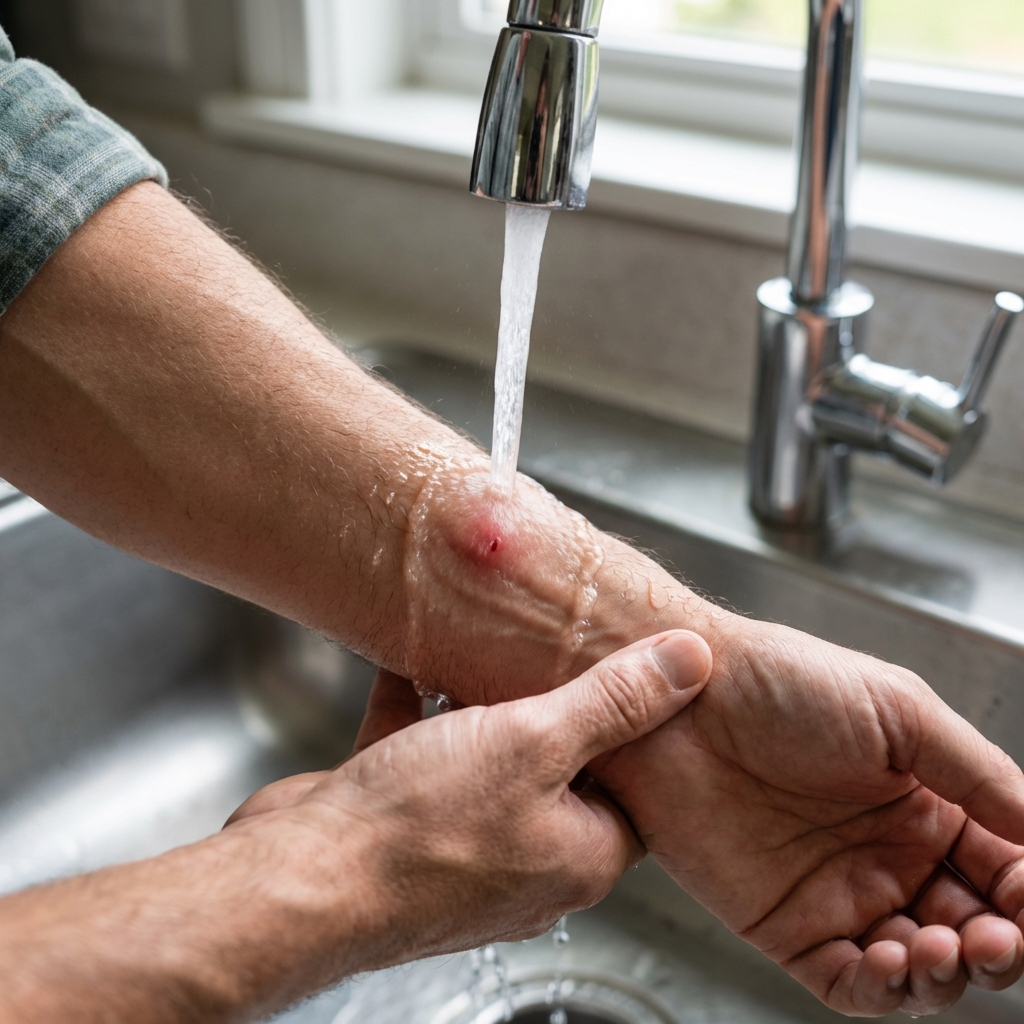
3) Wash the area
Use soap and water. This removes surface venom and lowers the chance of infection from scratching later.
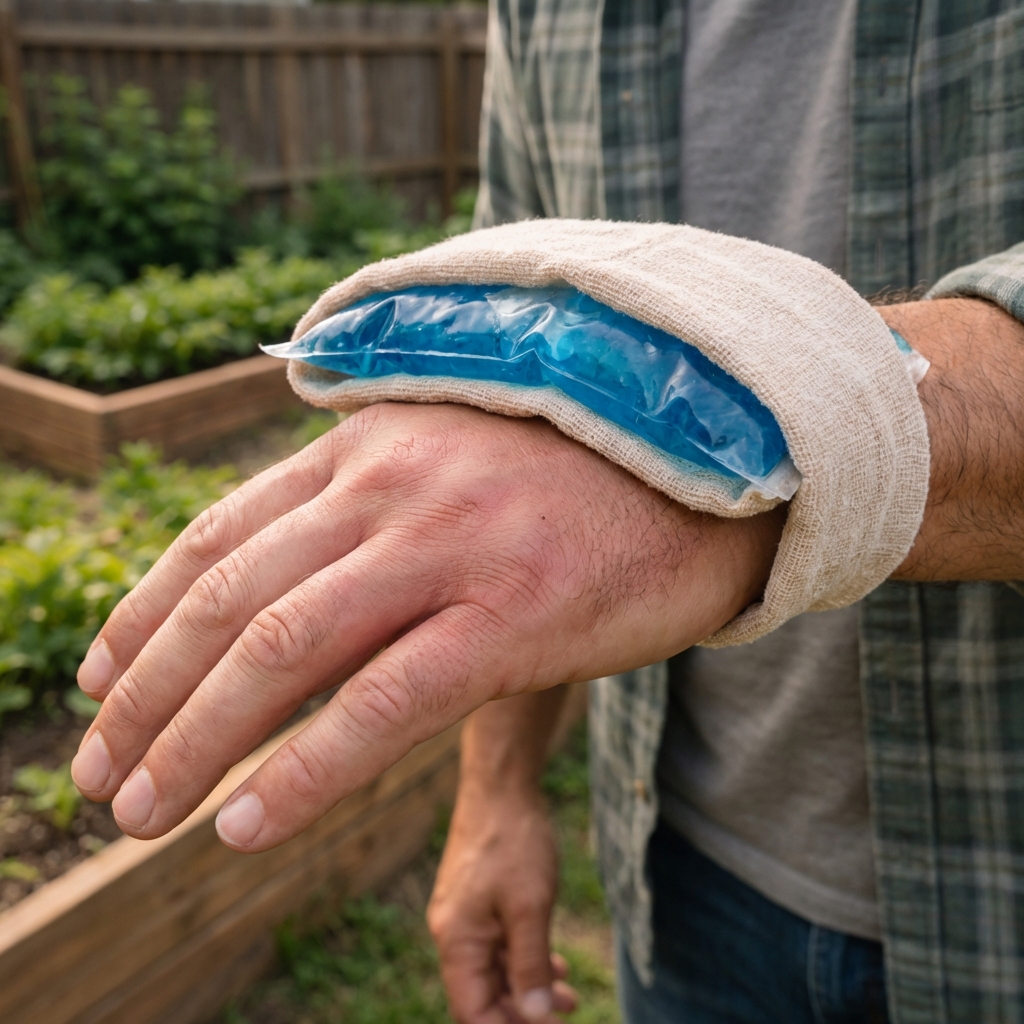
4) Cold compress for swelling and pain
Apply a cold pack or a bag of ice wrapped in a towel for 10 minutes on, 10 minutes off for the first hour. Cold is one of the fastest ways to take the edge off.
5) Remove rings, watches, or tight items
If you were stung on a hand, wrist, foot, or ankle, take off anything snug before swelling ramps up.
What to put on it (and what actually helps)
Top choices for itch and inflammation
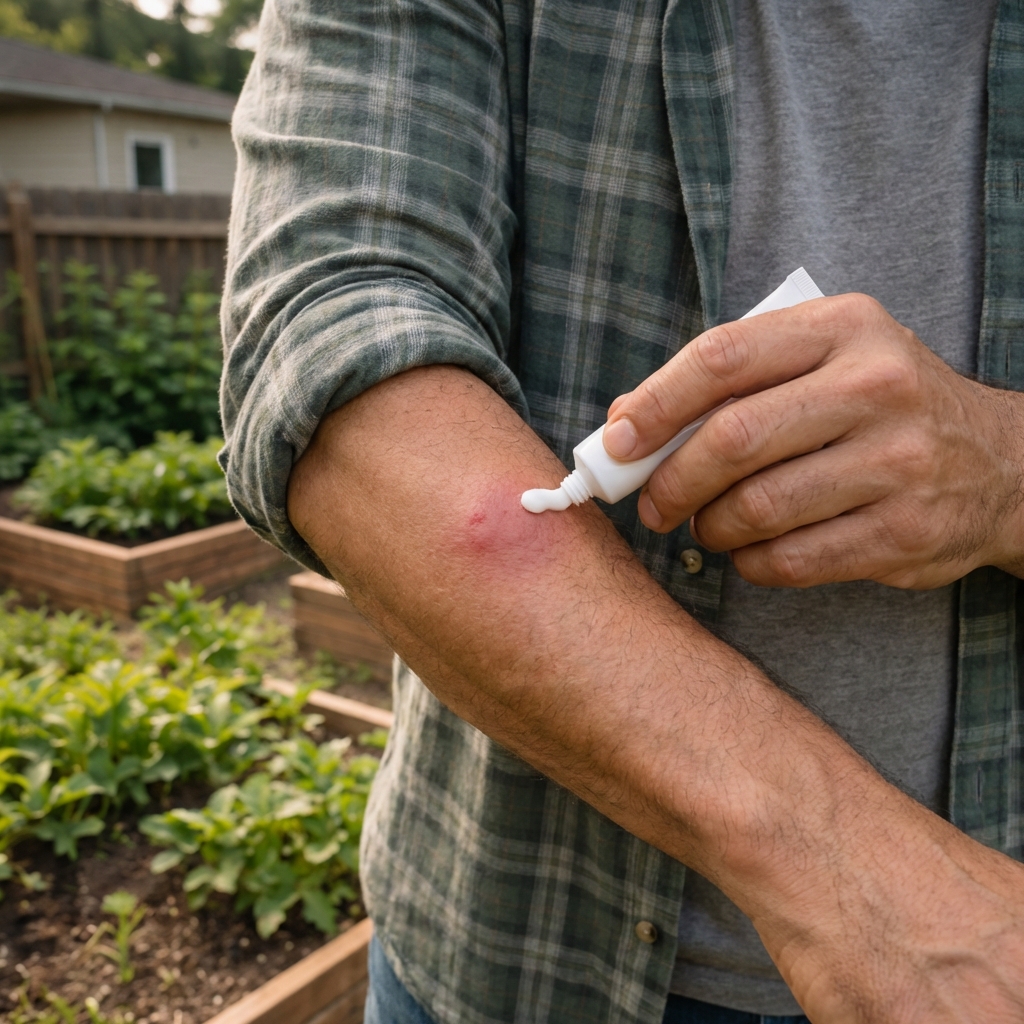
- Hydrocortisone 1% cream: Apply a thin layer 1 to 2 times daily for a couple days. This is a go-to for itchy, inflamed skin.
- Calamine lotion: Good for itch and oozing, especially if you are prone to scratching.
- Oral antihistamine: Cetirizine or loratadine can help with itch and hives. Diphenhydramine can help too but may cause drowsiness.
For pain
- Ibuprofen or acetaminophen can reduce discomfort. Follow label directions and avoid meds you cannot take safely.
Home options that are reasonable
There is a lot of internet folklore here, so let’s keep it grounded.
- Baking soda paste (baking soda plus a little water): Can soothe some people’s skin irritation. Apply for 10 to 15 minutes, then rinse.
- Colloidal oatmeal (bath or paste): Useful if the sting area is part of a bigger itchy patch.
What to avoid
- Scratching: This is the #1 reason simple stings turn into angry, infected spots.
- Heat “to neutralize venom”: Not worth the burn risk for most home situations.
- Vinegar, meat tenderizer, essential oils: Some people feel temporary relief, but these can irritate skin or cause contact dermatitis, especially on kids.
How long symptoms last (normal timeline)
Most uncomplicated wasp stings follow a pretty predictable pattern:
- First 0 to 2 hours: burning or sharp pain, redness, swelling starts.
- 6 to 24 hours: itching increases, swelling may peak.
- 1 to 3 days: redness and puffiness slowly fade.
- Up to 7 days: mild itch or a firm bump can linger.
A larger local reaction can look dramatic, especially on hands, feet, eyelids, or around joints. Swelling can spread over several inches and still be “normal” if you are otherwise feeling fine.
When a sting is more than a sting
Call 911 or get emergency help now if you notice:
- Trouble breathing, wheezing, chest tightness, or throat tightness
- Swelling of lips, tongue, face, or throat
- Hives spreading away from the sting site
- Dizziness, fainting, confusion, or a sense of doom
- Repeated vomiting or severe stomach cramps after a sting
These can be signs of anaphylaxis, which is a medical emergency. If you have an epinephrine auto-injector prescribed, use it as directed and seek emergency care even if you feel better afterward.
Contact a clinician soon (same day or next day) if:
- The sting is near an eye, inside the mouth, or in the throat
- You have multiple stings (especially in kids, older adults, or anyone with heart or lung conditions)
- Swelling is getting worse after 48 hours instead of better
- You have signs of infection (details below)
How to tell swelling from infection
People often worry about infection because the area is red and warm. That can be normal inflammation from venom.
More likely a normal reaction
- Itching is the main complaint
- Redness is fairly even and not rapidly expanding
- Swelling improves with cold compresses and antihistamines
More likely an infection (get medical advice)
- Increasing pain more than itch, especially after day 2
- Pus, crusting, or a blister that looks infected
- Red streaks moving away from the sting
- Fever or feeling unwell
- The area becomes hotter and more tender over time
Special situations
Stings on the face, eyelid, or near the eye
Facial tissue swells easily, so it can look alarming. Use cold compresses and antihistamines, but seek medical advice if swelling affects vision, the eye will not open, or the sting is on the eyelid margin.
Kids
For children, the basics are the same: wash, cold compress, avoid scratching. Use only age-appropriate medications and dosing. When in doubt, call your pediatrician, especially after multiple stings or any breathing or facial swelling.
If you were stung while gardening
In real backyards, the sting often happens near compost, eaves, thick shrubs, or ground cover where nests are hidden.
- After treating the sting, do a quick check of the area from a safe distance.
- If you suspect a nest, avoid mowing, trimming, or digging there until you have a plan.
- Consider calling a professional for removal if the nest is in a high-traffic spot.
Preventing the next sting
- Wear gloves when reaching into dense plants, ivy, wood piles, or compost edges.
- Scan before you prune: Wasps often build under railings, in hedge interiors, under eaves, and inside birdhouses.
- Avoid sweet scents outdoors: soda, fruit, and perfumes attract attention.
- Keep calm: swatting increases the odds of getting stung.
Quick checklist
- Move away and stay safe
- Wash with soap and water
- Cold compress 10 minutes on, 10 minutes off
- Hydrocortisone or calamine for itch
- Oral antihistamine if needed
- Watch for breathing issues, facial swelling, or widespread hives and get emergency help

Jose Brito
I’m Jose Britto, the writer behind The Country Store Farm Website. I share practical, down-to-earth gardening advice for home growers—whether you’re starting your first raised bed, troubleshooting pests, improving soil, or figuring out what to plant next. My focus is simple: clear tips you can actually use, realistic expectations, and methods that work in real backyards (not just in perfect conditions). If you like straightforward guidance and learning as you go, you’re in the right place.