A wasp sting has a way of hijacking an otherwise good day outside. The good news is that most stings can be managed at home with a few simple steps that reduce pain, swelling, and itching. The key is doing the right things early, and skipping the popular “remedies” that can make the reaction worse.
Important: This page is general guidance, not personal medical advice. If you think you or someone else is having an allergic reaction, treat it as an emergency.

First 5 minutes: what to do right away
Early care makes the biggest difference. Here is a simple order to follow.
1) Get away from the area
Wasps can sting more than once, and multiple stings are more likely if you stay near the nest or where the wasp got upset. Move away from the area and go indoors if you can.
2) Check for a stinger (quickly)
Wasps usually do not leave a stinger behind, but it is still worth a fast look.
- If you see a stinger, gently scrape it off with a credit card edge or fingernail. Do not squeeze it.
- If you do not see a stinger, do not dig around. It can damage skin and increase swelling.
3) Wash with soap and water
This cleans the area and lowers the chance of infection.
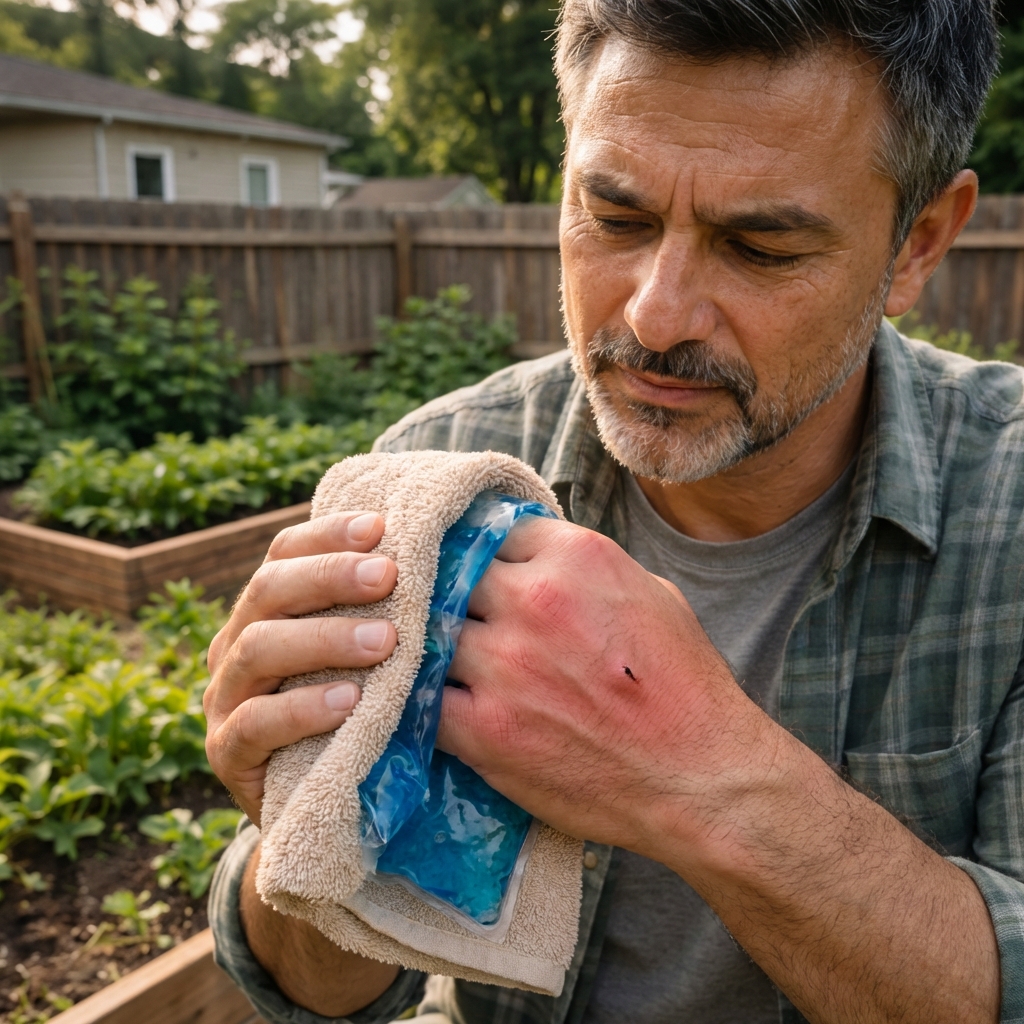
4) Cool it down with a cold pack
Cold is your best fast “remedy.” It reduces pain and swelling.
- Use a cold pack or ice wrapped in a thin towel.
- Apply for 10 minutes, then off for 10 minutes. Repeat as needed.
5) Remove rings and tight items
If the sting is on a hand, wrist, ankle, or foot, take off rings, watches, and snug shoes early. Swelling can make them hard to remove later.
How to reduce swelling and pain
Most people deal with swelling and a burning, throbbing feeling for the first few hours, but it can last longer depending on the person and the sting location. These options are commonly used and generally safe for most adults when taken as directed on the label.
Cold plus elevation
If the sting is on an arm or leg, keep it elevated when you can. Pairing elevation with cold packs often helps more than either one alone.
Over-the-counter options
- Oral antihistamine for itching and hives: cetirizine, loratadine, or diphenhydramine. (Diphenhydramine can cause drowsiness.)
- Pain reliever for discomfort: acetaminophen or ibuprofen if you can take them safely.
- Topical hydrocortisone (1%) for itch and inflammation: use a thin layer and follow label directions.
If you are pregnant, have chronic conditions, or take prescription medications, check with a pharmacist or clinician about the best choice for you.
Kids and medication note
For children, use child-specific products and dosing. When in doubt, ask a pharmacist or pediatrician. Do not give aspirin to children.
Home comfort tricks that can help
In real backyards, you use what you have. These comfort steps are not magic, but they can take the edge off itching and irritation.
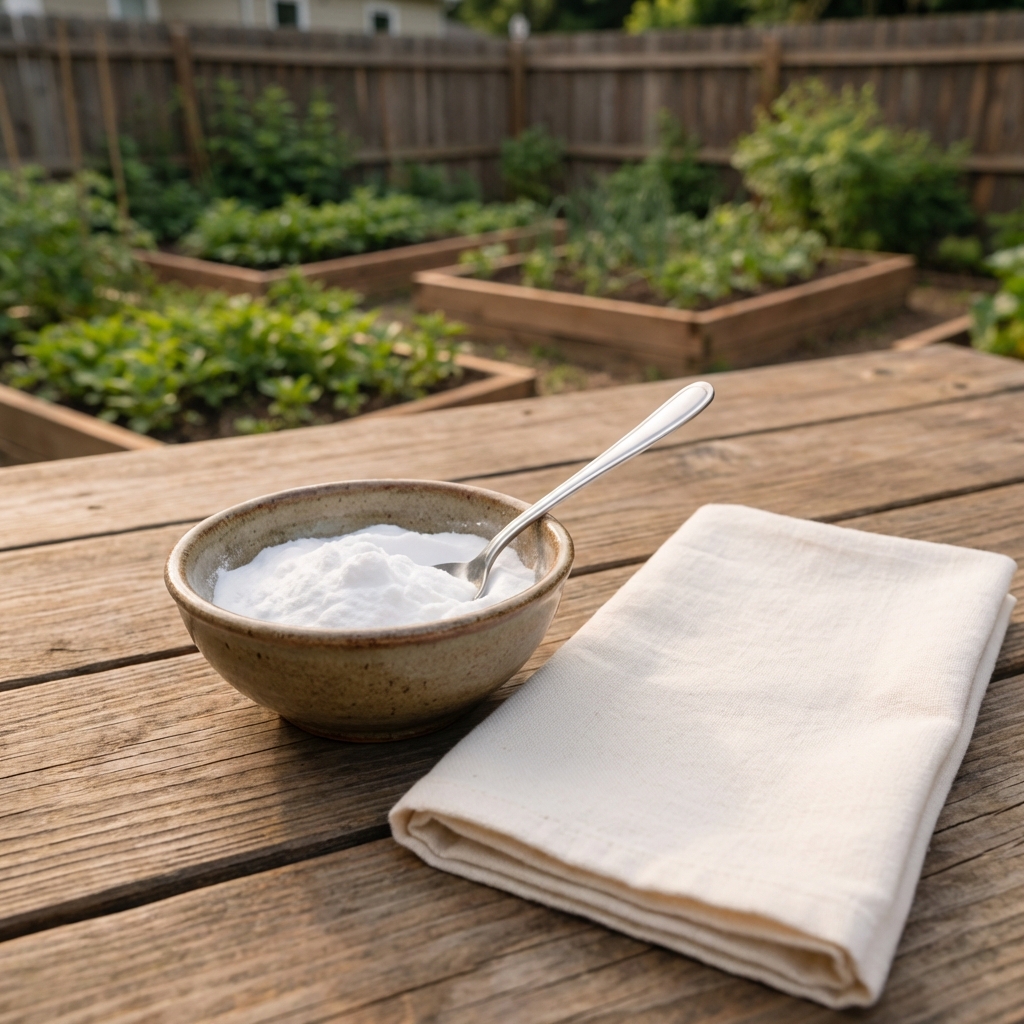
Baking soda paste
Mix baking soda with a little water to make a thick paste. Apply for 10 to 15 minutes, then rinse. This can be soothing for some people.
Colloidal oatmeal soak
If the sting is on a larger area like a calf or forearm, an oatmeal bath or soak can calm itchy skin. Use lukewarm water, not hot.
Calamine lotion
Good for itch. Let it dry and avoid rubbing it off with tight clothing.
What not to do (common mistakes)
These are the “old school” moves that often backfire.
- Do not apply heat (hot spoons, hot water). Heat is not recommended for wasp stings and can worsen discomfort or swelling for some people.
- Do not scratch. Scratching breaks skin and raises infection risk. If it is driving you crazy, use an antihistamine and a cold pack instead.
- Do not use strong chemicals like bleach, ammonia cleaners, or gasoline. They can burn skin and do not help.
- Do not bandage tightly. You want gentle protection, not pressure that traps swelling.
- Do not dig for a stinger. If it is not obvious, leave it alone.
How long does a wasp sting last?
Timing varies, but here is a realistic range for most uncomplicated stings:
- Pain and burning: often improves within a few hours, but may last longer.
- Swelling and redness: usually peaks within 24 to 48 hours.
- Itching: can linger 2 to 5 days.
A “large local reaction” (big swelling over a wider area) can last up to a week. It can look dramatic and still not be an allergy.
Quick reality check: It is normal for the area to be red, warm, and puffy as it peaks in the first 24 to 48 hours. Infection is more likely if things keep getting worse after that, or if you see fever, pus, or red streaking.
When to get urgent help
This part matters. A severe allergic reaction can escalate quickly.
Call emergency services immediately if there is:
- Trouble breathing, wheezing, chest tightness
- Swelling of lips, tongue, throat, or face
- Widespread hives or itching far from the sting site
- Dizziness, fainting, confusion, or a sense of doom
- Repeated vomiting or severe abdominal pain after the sting
If the person has an epinephrine auto-injector, use it right away as directed and then seek emergency care.
Even if symptoms calm down, get checked. Reactions can return or worsen later.
Get same-day medical advice if:
- The sting is in the mouth or throat (even if symptoms are mild at first)
- There are multiple stings, especially in children or smaller adults
- Redness is spreading rapidly, the area is very warm, or pain is worsening after the first day
- Symptoms keep worsening after 48 hours instead of starting to improve
- There is pus, fever, or red streaking (possible infection)
- You have a known history of allergic reactions to stings
Special situations: eyes, face, and mouth
Near the eye
Stings near the eye can swell a lot. Use a cold pack carefully and avoid pressing on the eyeball. If the sting appears to involve the eyelid margin, the eye itself, or vision changes occur, get urgent evaluation.
Lips, tongue, or inside the mouth
These stings can swell in a way that affects breathing. Seek urgent medical care immediately. While waiting, cold water sips and a cold compress may help, but do not delay care.
Preventing wasp stings around the yard
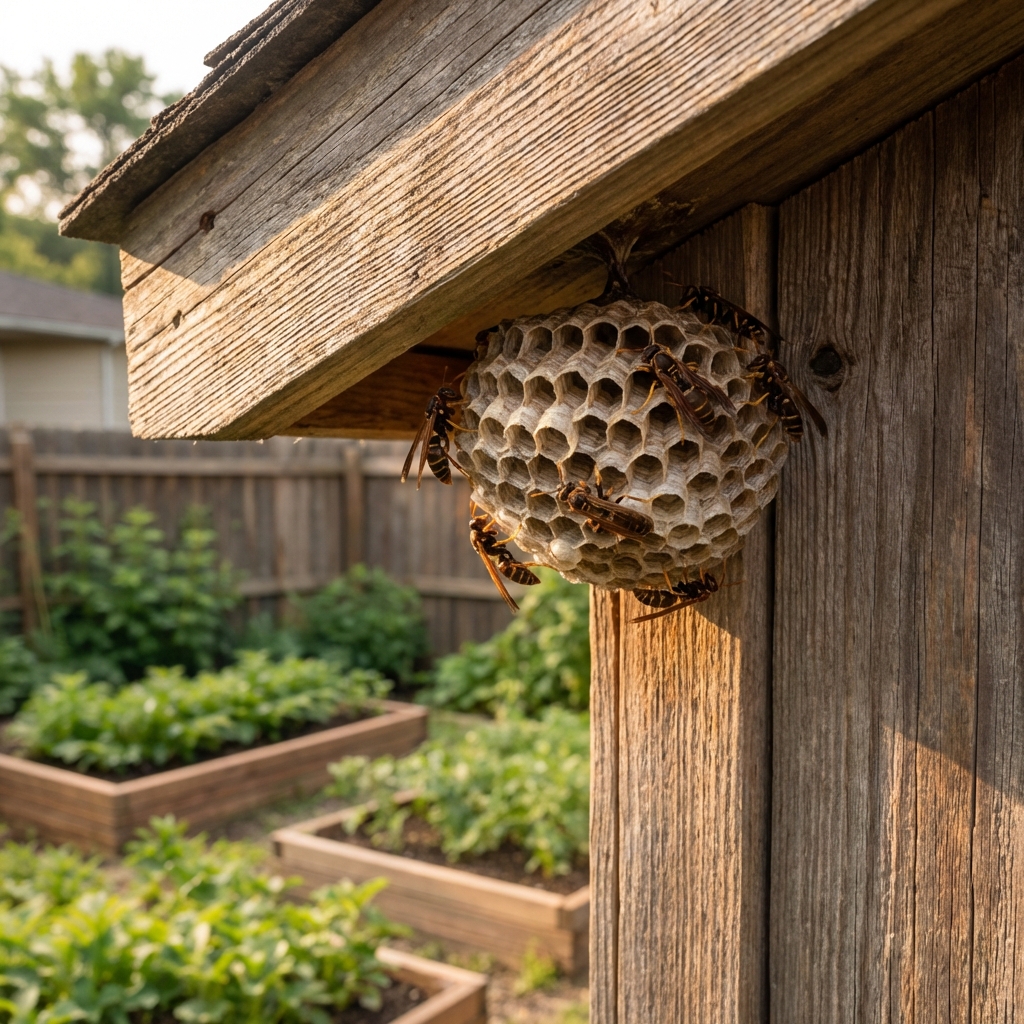
I am a big fan of prevention because wasps love the same places we like to work: sunny edges, sheds, eaves, and flower beds.
- Watch the high-traffic zones: check under railings, around compost bins, and near hose spigots.
- Cover sweet drinks and fruit: wasps are drawn to sugar and fallen fruit.
- Wear gloves when pruning dense shrubs or working near fences and sheds.
- Move slowly if a wasp is buzzing around you. Swatting can trigger stings.
- Deal with nests safely: if a nest is active and near your home, consider professional removal.
Quick checklist to keep handy
- Move away from the area
- Check for a stinger, scrape if present
- Wash with soap and water
- Cold pack 10 minutes on, 10 minutes off
- Elevate the limb if possible
- Use antihistamine for itch and hydrocortisone for inflammation (follow label directions)
- Know allergy red flags and act fast

Jose Brito
I’m Jose Britto, the writer behind The Country Store Farm Website. I share practical, down-to-earth gardening advice for home growers—whether you’re starting your first raised bed, troubleshooting pests, improving soil, or figuring out what to plant next. My focus is simple: clear tips you can actually use, realistic expectations, and methods that work in real backyards (not just in perfect conditions). If you like straightforward guidance and learning as you go, you’re in the right place.