Succulents get a reputation for being “water once a month and forget them,” and that is where a lot of problems start. The reliable approach is simpler than it sounds: water deeply, then let the soil dry out completely before watering again. That one habit prevents most rot and a lot of stress-related leaf drop. If a plant is stretching (etiolation), that is usually a light problem, not a watering one.
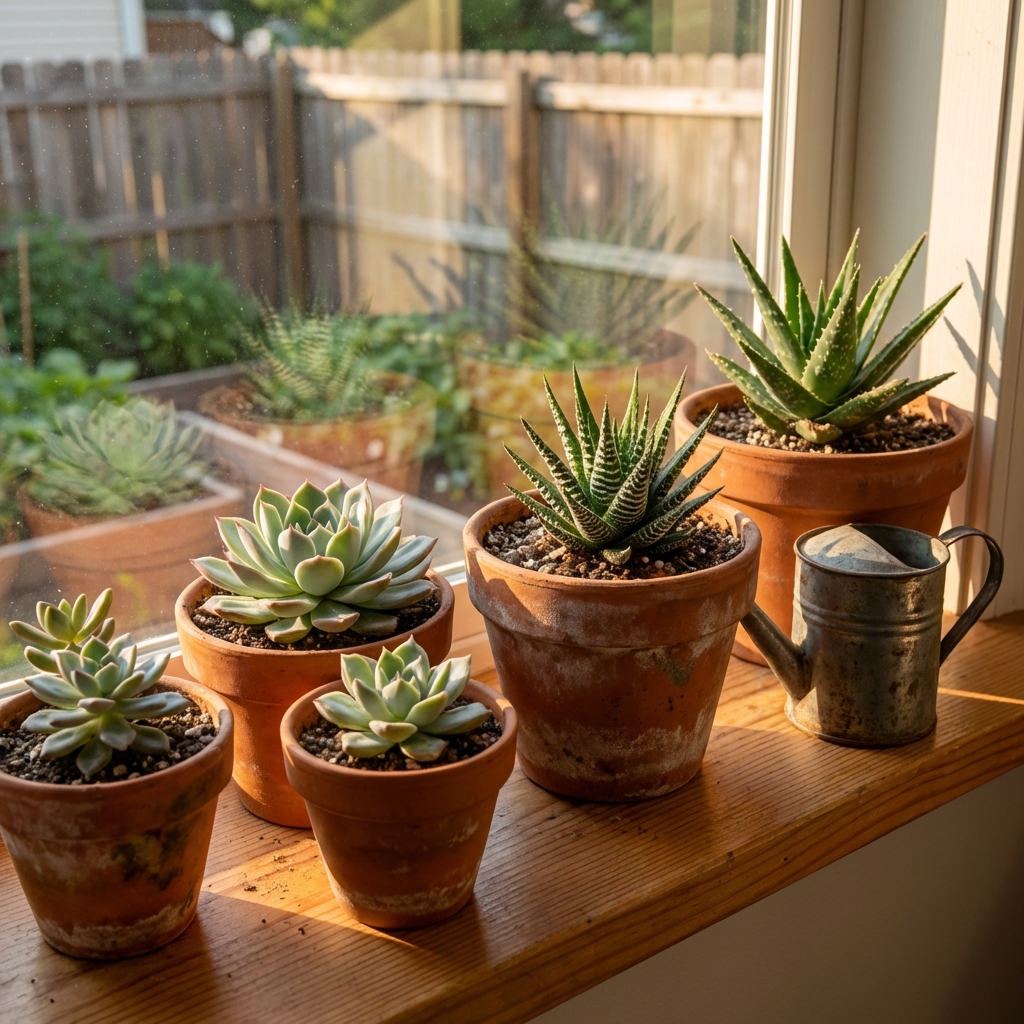
The core method: soak and dry
If you only remember one rule, make it this: succulents want cycles. In nature they get a good drink, then they sit dry for a while.
How to do it
- Water until it runs out the drainage hole. This fully wets the root zone instead of only dampening the top inch.
- Let the pot drain completely. Never leave the pot standing in a saucer of water.
- Wait to water again until the soil is dry all the way down in the root zone. Not just dry on top.
How to check dryness without guessing
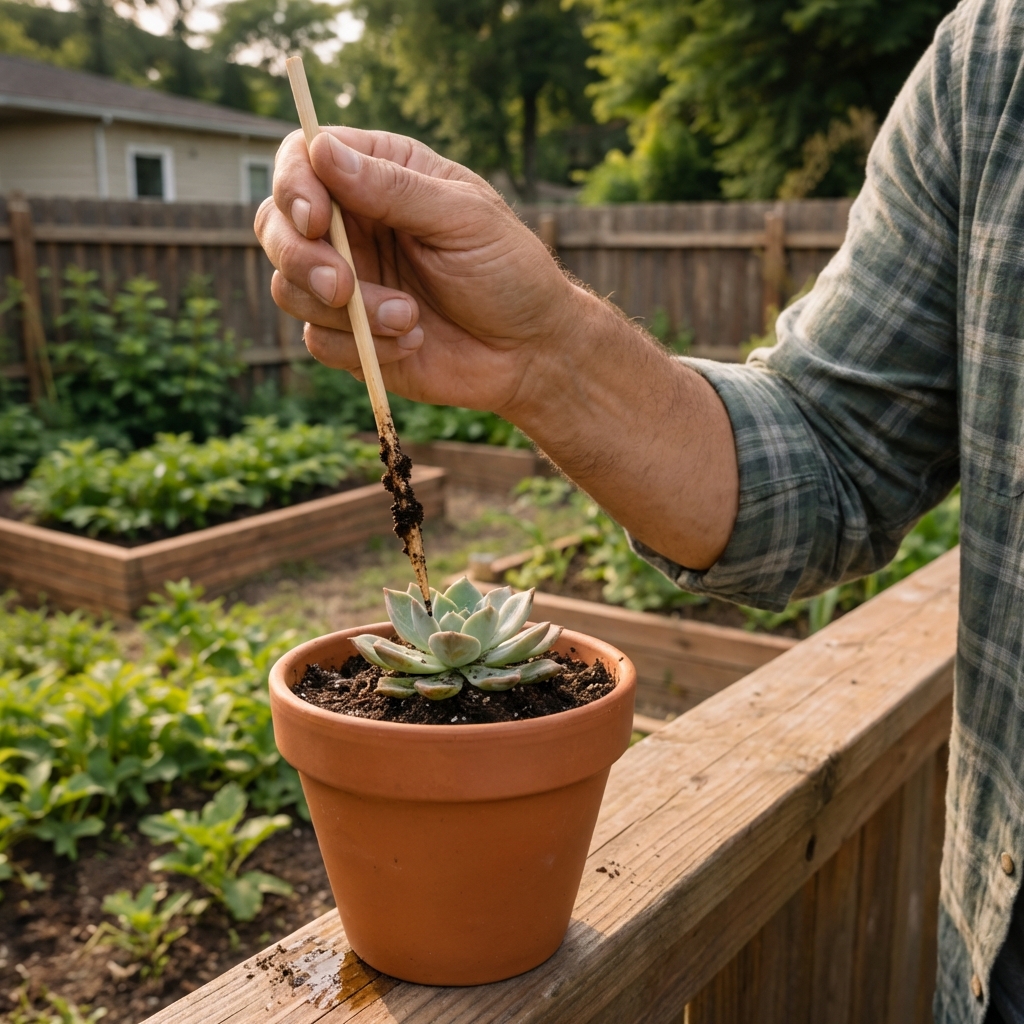
- Finger test (best for smaller pots): Push your finger about 2 inches into the soil. If it feels cool or damp, wait. For deeper pots, use a skewer or pot weight instead.
- Skewer test: Insert a wooden skewer (or chopstick) to the bottom, leave it a minute, then pull it out. If it comes out dark or damp, wait.
- Pot weight: Lift the pot right after watering, then lift it again a few days later. Dry pots feel noticeably lighter.
How often to water succulents
There is no perfect calendar schedule. Watering depends on light, temperature, airflow, pot type, soil, and the plant’s growth phase. Here are dependable ranges to start with, then adjust using the dryness checks above.
Typical indoor watering ranges
- Bright window in spring and summer: about every 10 to 21 days
- Lower light indoor spots: about every 3 to 5 weeks
- Winter indoors: about every 3 to 6 weeks, sometimes longer
Typical outdoor watering ranges
- Warm, dry weather in containers: about every 5 to 14 days
- Mild weather outdoors: about every 10 to 21 days
- Rainy or humid stretches: you may not water at all for weeks
Helpful mindset: Succulents tolerate being a little too dry much better than being a little too wet.
Match watering to the plant’s season
Some succulents grow mostly in warmer months. Others prefer cooler months. You do not need to memorize every species to do well, but it helps to notice when your plant is actively growing.
When growth is active
You will see new leaves, tighter rosettes, or steady size increase. During this time, the plant uses water faster. Stick to soak and dry, but expect to water more often.
When the plant slows down
Many succulents slow in winter, or during heat stress, and use less water. The soil also stays wet longer. This is when overwatering happens. Let the pot go fully dry and stay dry a bit longer before watering again.
Important nuance: Some plants are winter growers and may still want regular watering during cool, bright months if they are actively growing. The rule still holds: water based on growth and soil dryness, not the calendar.
Light matters (and it changes watering)
Light is the other half of “easy” succulent care. More light usually means the plant drinks faster and the soil dries faster. Low light slows everything down and makes overwatering more likely.
Stretching is a light signal
If your succulent is getting tall, leggy, or leaning toward the window, it is asking for brighter light. Watering less will not fix stretching, but stronger light can.
Bright window tip
A bright window is great, but sun through glass can heat up fast. If you are moving a plant into stronger light, increase exposure gradually over 1 to 2 weeks so it does not scorch.
Pot and soil choices that make watering easier
“Watering problems” are often really drainage and soil problems. If your mix stays wet too long, even perfect watering technique can still lead to rot.
Best pots for beginners
- Terracotta with a drainage hole: breathes and dries faster, which forgives small mistakes.
- Plastic with drainage: holds moisture longer, fine if your soil is gritty and your light is strong.
- No drainage hole: avoid if you can. If you must use one, keep the plant in a nursery pot and slip it into the decorative pot.
A soil mix that works in real homes
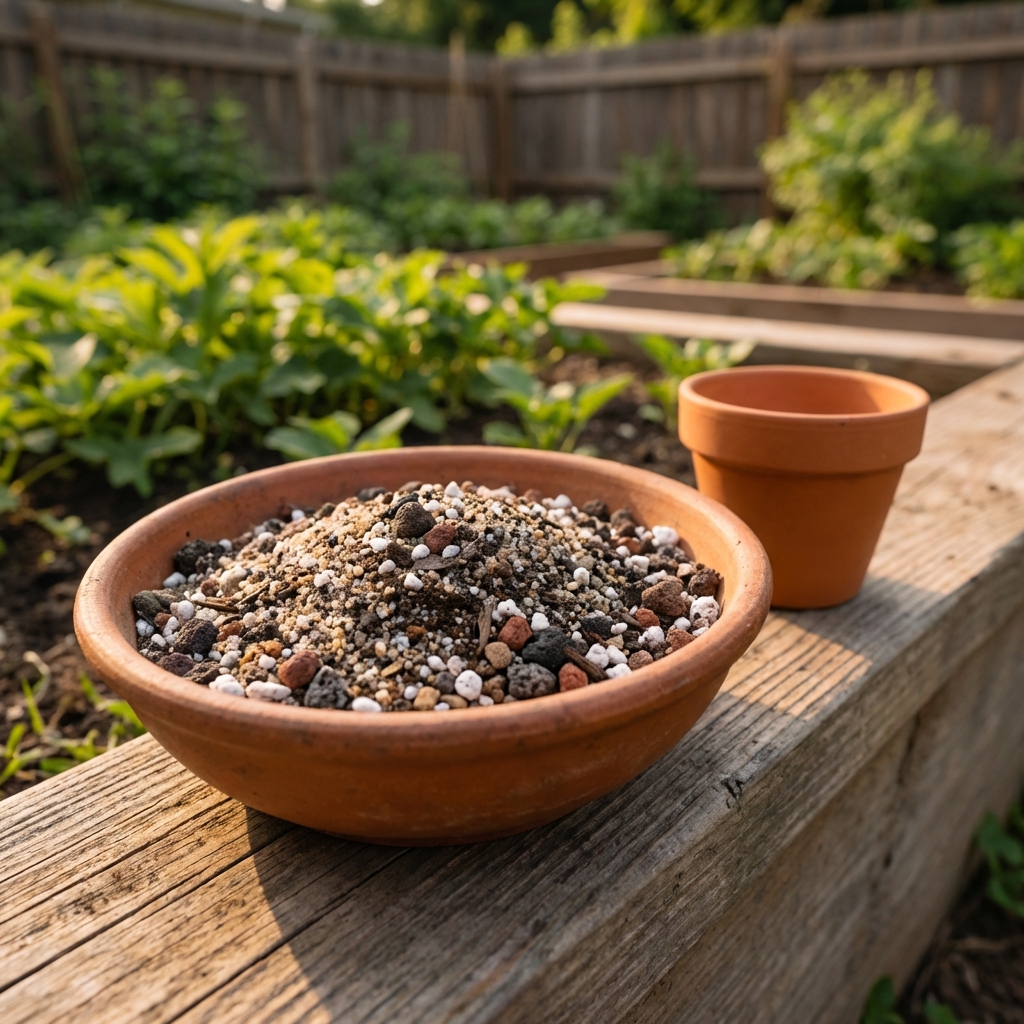
A dependable starting point is:
- 50% succulent or cactus potting mix
- 50% grit (pumice, perlite, or coarse horticultural grit)
This drains fast while still holding enough moisture for roots to drink. If your home is humid or low light, increase the grit portion.
Quick plant-type adjustments
- Cacti: typically prefer longer dry spells than many leafy succulents.
- Thin-leaved succulents: often need water a bit more often than thick, very fleshy types.
- Big, tight rosettes: can hold moisture in the crown, so aim water at the soil and keep airflow decent.
How to water without causing rot
Water the soil, not the rosette
Many rosette-forming succulents can trap water between leaves. Outdoors, sun and airflow dry it quickly. Indoors, water sitting in the crown can linger. Aim water at the soil surface instead of pouring into the center of the plant.
Use the right tools
- Small spout watering can: better control, less splashing on leaves.
- Squeeze bottle: great for tight pots or crowded trays.
- Bottom watering (occasionally): place the pot in a tray of water for about 10 to 30 minutes, or until the top of the mix feels slightly cool or damp, then remove and drain well. Useful for very hydrophobic soil or when you want to avoid wetting leaves.
Signs you are overwatering vs underwatering
Succulents give clues, but some symptoms overlap. Look at the whole picture: leaf texture, color, and what the soil is doing.
Common overwatering signs
- Leaves look translucent, yellowish, or mushy
- Leaves drop with a light touch, especially lower leaves that are not dried and crispy
- Stem looks dark, soft, or the plant wobbles in the soil
- Soil stays wet for many days after watering
Common underwatering signs
- Leaves become wrinkled, thin, or deflated
- Rosette looks less plump, growth slows
- Lower leaves dry up and turn crispy (some of this is normal, but widespread crisping points to thirst)
- Soil pulls away from the pot edges and water runs straight through
What to do if you think you overwatered
If you catch it early, you can often save the plant.
Quick rescue steps
- Stop watering immediately.
- Move to brighter light and better airflow if possible, but avoid blasting a weak plant with harsh midday sun.
- Check drainage. Empty saucers and make sure water is not trapped in a cachepot.
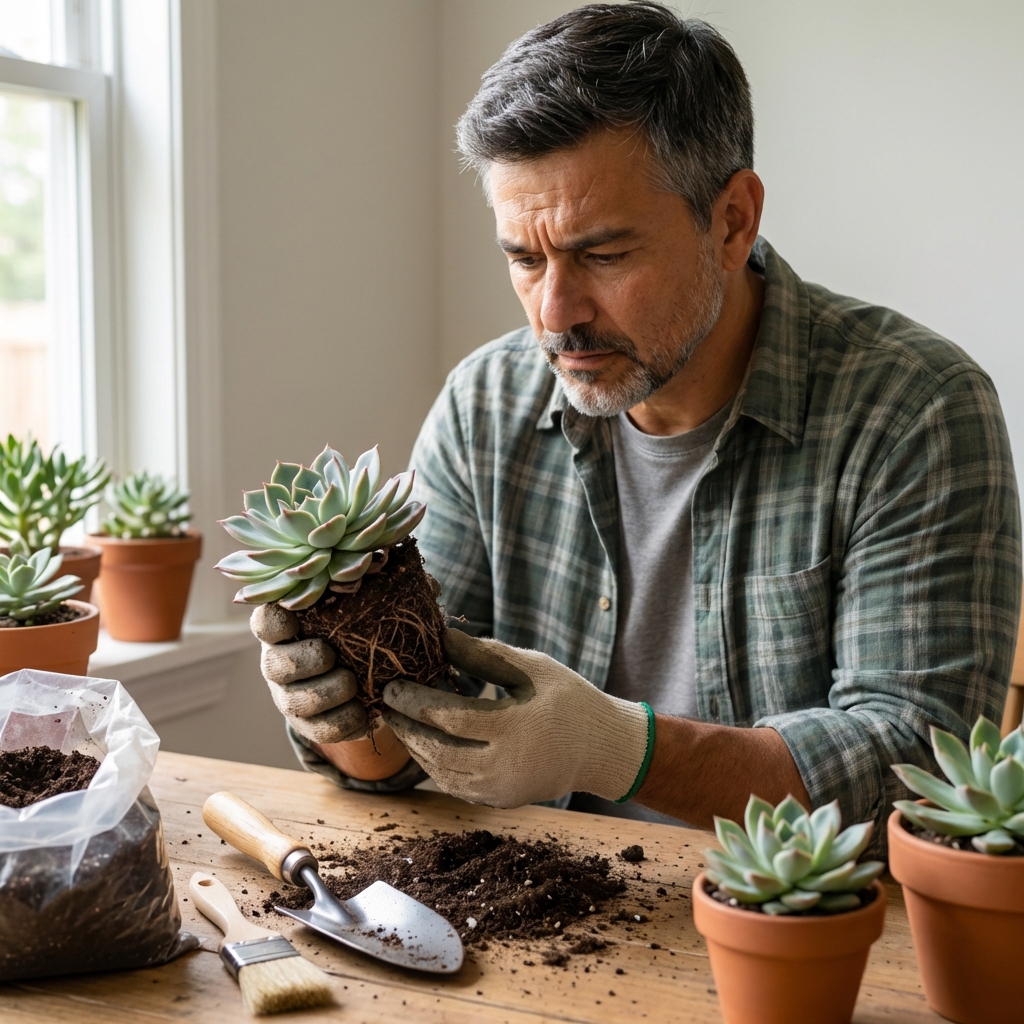
- Unpot and inspect roots if the plant is soft or wobbly. Healthy roots are firm and pale. Rotten roots are dark, slimy, and may smell off.
- Trim rot and re-root if needed. Cut back to healthy tissue, let the cut dry and callus for a few days, then pot into dry gritty mix.
Water quality and salt buildup
If you have very hard water, or you fertilize regularly, minerals can build up in the soil over time. Signs include a white crust on the soil or pot and slower growth.
- Flush occasionally: every few months, water thoroughly so extra water runs freely out the drainage hole, then let the mix dry completely as usual.
- Use a gritty mix: fast drainage helps reduce salt concentration around roots.
Common watering mistakes
- Small sips too often: encourages shallow roots and keeps the top layer damp. Water deeply instead.
- Watering on a schedule: calendars ignore weather and light. Use soil dryness as the trigger.
- Keeping succulents in low light: they dry slowly and become more rot-prone. Bright light makes watering safer.
- Using peat-heavy soil alone: it holds water too long for many indoor setups. Add grit.
- Big pots for small plants: extra soil stays wet longer. Size the pot to the root ball.
Quick succulent watering checklist
- Does the pot have a drainage hole?
- Is the soil gritty and fast-draining?
- Is the soil dry all the way down in the root zone?
- Water until it drains out, then let it drain completely.
- Wait again until fully dry before the next watering.
If you follow that checklist, you will avoid most succulent drama and you will get sturdier growth with fewer dropped leaves.
Publication note: The image tags above are placeholders with empty src values. Before publishing, either add real image URLs/files or remove the <img> tags.

Jose Brito
I’m Jose Britto, the writer behind The Country Store Farm Website. I share practical, down-to-earth gardening advice for home growers—whether you’re starting your first raised bed, troubleshooting pests, improving soil, or figuring out what to plant next. My focus is simple: clear tips you can actually use, realistic expectations, and methods that work in real backyards (not just in perfect conditions). If you like straightforward guidance and learning as you go, you’re in the right place.