Let’s clear the air right away. Bed bugs are not a garden pest in the way aphids, slugs, or squash bugs are. They do not feed on plants, they do not live in soil, and they are not attracted to compost. What they are good at is hiding close to people and hitchhiking into your home on the kinds of items gardeners often move around, store, or bring in from somewhere else.
Below is the simple truth about what attracts bed bugs, plus the gardening and backyard habits that can increase your risk and what to do about it.
The real answer: what attracts bed bugs
Bed bugs are attracted to a few key things, and none of them are “dirty house” stuff. They are opportunistic hitchhikers. If you give them a ride inside and a place to hide near a sleeping human, they can settle in.
- Carbon dioxide (CO2) from breathing. This is one of the main cues they use to locate a host.
- Body heat. Warmth helps them narrow in when they are close.
- Human scent, including skin odors. They are tuned to people.
- Dark, tight hiding places near where people rest. Think seams, folds, cracks, and crevices.
- Access to a regular blood meal. They thrive where humans sleep or sit still for long periods.
Important note: bed bugs can survive for months without feeding, especially in cooler conditions. The exact survival time varies by temperature, life stage, and how recently they fed.
What does not attract bed bugs (common myths)
These myths cause a lot of wasted effort and missed early signs.
- Soil, mulch, compost, and plants. Bed bugs do not eat plant material and do not live in soil like grubs or ants.
- Rotting fruit or garden smells. They are not like fruit flies or roaches that key in on food waste.
- “Dirt” itself. Bed bugs are not attracted to grime in the way people assume. What matters is people and hiding spots.
- Pets as a primary target. They can bite pets, but they prefer humans when available.
Clarification on laundry: bed bugs can be attracted to worn clothes and soiled laundry because it smells like you. It is not the “dirty” part that draws them, it is the residual human odor and the folds that provide hiding space. That is why laundry piles can become a problem.
If you are dealing with bites or suspicious signs, focus on where people sleep and sit, not on your raised beds.
So where does gardening fit in?
Gardening can raise bed bug risk in one main way: you handle a lot of fabric, cushions, and secondhand items, and you often store things in garages, sheds, and mudrooms where small hitchhikers can sit unnoticed until they get carried indoors.
Garden and yard situations that can help bed bugs hitchhike
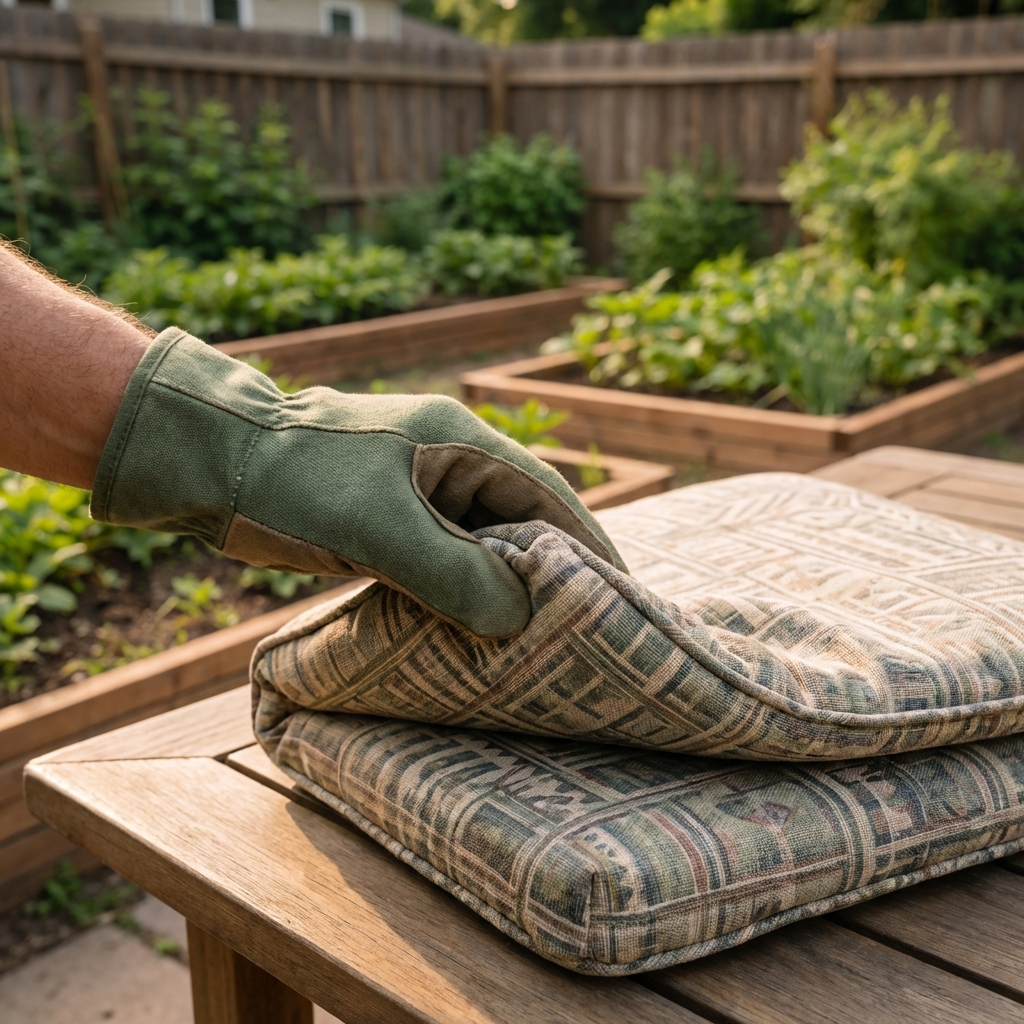
- Secondhand patio furniture, cushions, or umbrellas. Bed bugs love seams, zippers, and folded fabric.
- Picking up free items left at the curb like planters, storage bins, benches, or even “clean looking” cushions.
- Borrowed gear such as folding chairs, pop-up canopies, knee pads, tool bags, picnic blankets, or tote bags.
- Community garden storage areas where multiple people store bags and fabrics in close quarters.
- Bringing items back from travel and setting luggage in a mudroom, then later moving those same bags into bedrooms or closets.
Notice the theme. It is not the garden. It is the portable stuff that moves between homes and spaces.
Outdoor living spaces: can bed bugs live outside?
Bed bugs can end up outdoors, especially in cushions, upholstered patio seating, and cluttered storage. In many temperate climates, they typically do not establish outdoors year-round because of temperature swings and inconsistent access to a host. Still, they can persist for a while in sheltered outdoor spots, especially during mild seasons.
That said, an outdoor cushion or fabric item can still act like a temporary hiding place. If you bring it inside later, that is where problems start.
Backyard items worth checking
- Patio cushions and pillow seams
- Folded tarps, drop cloths, and moving blankets
- Camping gear stored with bedding
- Outdoor pet beds brought into a mudroom
- Storage benches and deck boxes, especially if used for fabrics
Signs that matter (and where to look first)
If you suspect bed bugs, skip the guesswork and check the highest payoff areas. Look for actual evidence, not just bites.
What you might see
- Live bugs (flat, oval, reddish-brown, about the size of an apple seed when adult)
- Shed skins as they grow
- Tiny white eggs tucked into cracks
- Dark specks (fecal spots) on fabric, wood, or along seams
- Rusty stains on sheets from crushed bugs
Best places to inspect
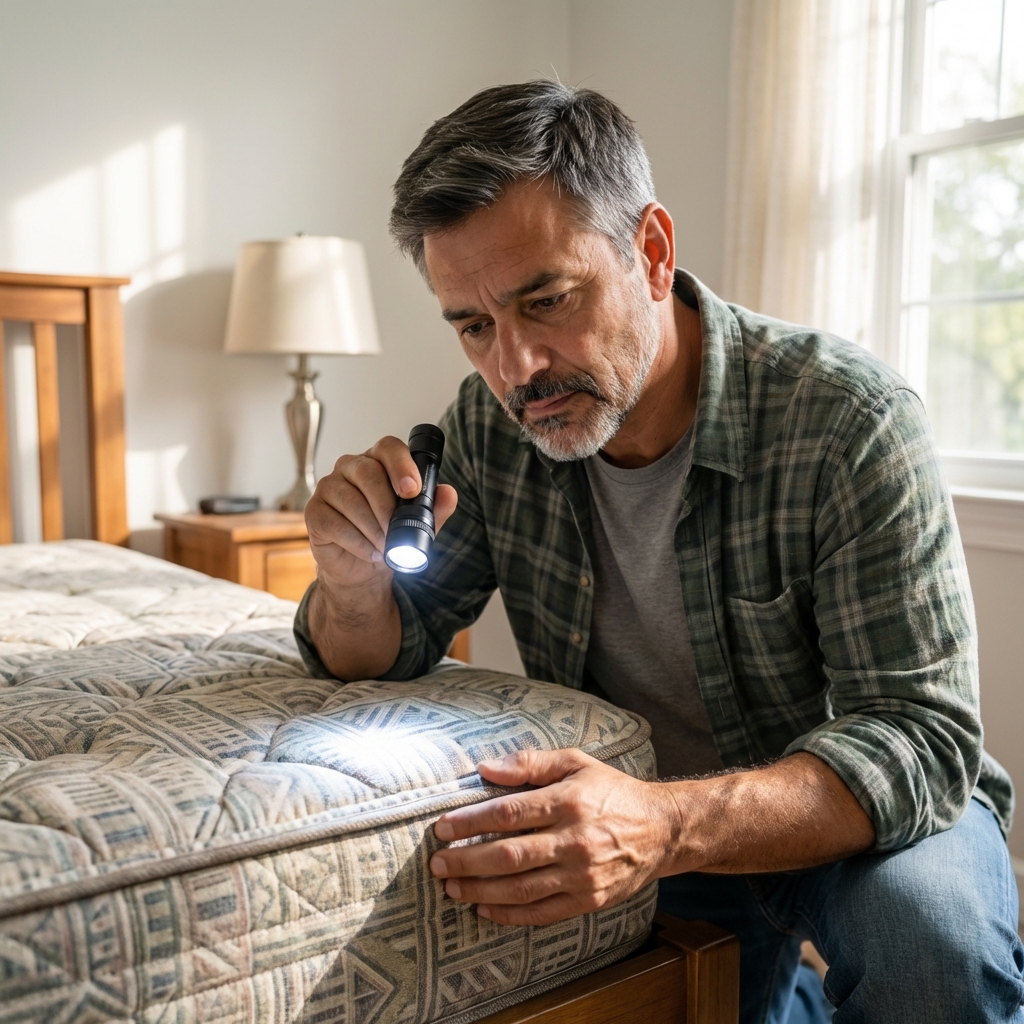
- Mattress seams, tags, and piping
- Box spring edges and the underside
- Bed frame joints and headboards
- Nightstands and drawer corners
- Upholstered chairs and couch seams
Bites alone are not a reliable test. Reactions vary widely and other insects can mimic bed bug bites.
Common lookalikes
- Carpet beetles (the larvae can cause itchy irritation, but they do not bite like bed bugs)
- Bat bugs (very similar in appearance and often linked to bats in attics or wall voids)
Easy prevention steps for gardeners
You do not need to treat your yard. You need to reduce hitchhiking opportunities and make inspections routine when you bring items home.
When buying or accepting used outdoor items
- Avoid used cushions and upholstered pieces when possible.
- Inspect seams, zippers, folds, and screw holes with a flashlight.
- If you must bring something home, keep it sealed in plastic and store it away from bedrooms until you can inspect and treat it. Avoid leaving suspect items loose outdoors where they can be carried back in later.
When storing garden and patio gear
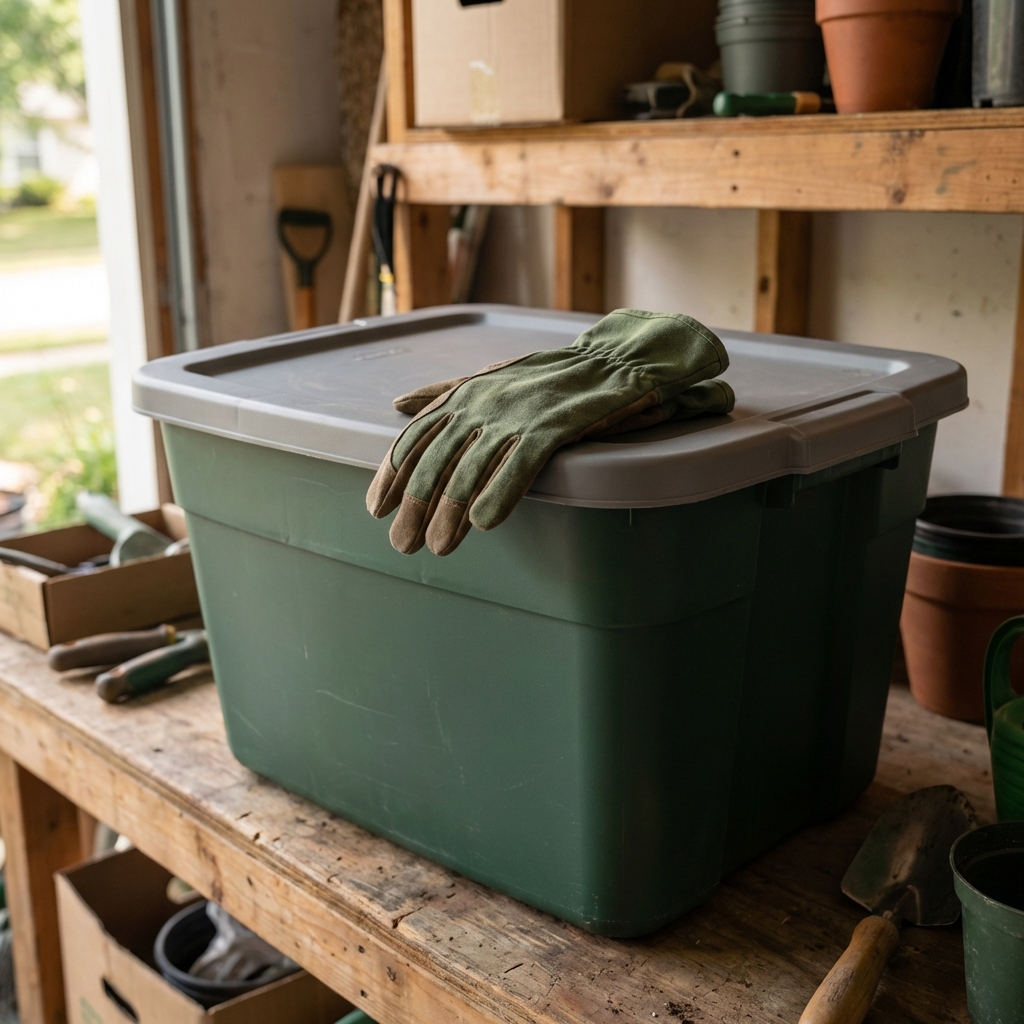
- Store fabric items in sealed plastic totes instead of open piles.
- Keep clutter down in sheds and mudrooms so you can see what is going on.
- Do a quick seam check on cushions before moving them inside for the season.
- If you bring home worn garden clothes, do not toss them on the floor. Put them straight into a hamper or bag.
When traveling (a common source)
- Keep luggage off beds in hotels.
- When you get home, unpack in a non-bedroom area if possible.
- Wash and dry travel clothes on hot if the fabric allows, and dry thoroughly.
Also worth knowing: bed bugs are not coming in on harvested produce, potting soil, compost, or mulch.
If you think you found bed bugs
Early action matters. Bed bugs are manageable, but they are easier to handle before they spread.
- Do not move items room to room. That spreads them.
- Bag linens and clothing from the area and run through a hot dryer cycle if safe for the fabric.
- Vacuum carefully around seams, cracks, and baseboards. Empty the vacuum into a sealed bag and take it outside immediately.
- Use mattress and box spring encasements designed for bed bugs if you are confirming an infestation.
- Consider professional help if you see multiple life stages, eggs, or activity in more than one room.
What to do with suspected items
- Heat (best DIY tool): For dryer-safe items, a hot dryer cycle is one of the most practical options.
- Seal and isolate: If something cannot be washed or dried, seal it in a bag or tote so it cannot spread bugs while you decide on next steps.
- Confirm before you spray: Many over-the-counter pesticide attempts miss the hiding places and can make the problem harder to manage.
If you are renting, check your local guidance and notify your landlord or property manager quickly. Waiting usually makes the job harder.
Quick takeaway
Bed bugs are attracted to people, not gardens. The gardening connection is mostly about fabric items, storage habits, worn laundry, and secondhand finds that can carry them inside. A little prevention goes a long way: inspect, store smart, and keep questionable items sealed and out of bedrooms until you are confident they are bed bug free.

Jose Brito
I’m Jose Britto, the writer behind The Country Store Farm Website. I share practical, down-to-earth gardening advice for home growers—whether you’re starting your first raised bed, troubleshooting pests, improving soil, or figuring out what to plant next. My focus is simple: clear tips you can actually use, realistic expectations, and methods that work in real backyards (not just in perfect conditions). If you like straightforward guidance and learning as you go, you’re in the right place.