Cockroaches are not picky. If your home offers food, water, warmth, and tight hiding spots, they will treat it like a safe basecamp. The good news is you do not need fancy gear to make your space a lot less inviting. You just need to remove the things they rely on.
This guide focuses on what attracts roaches most, where those attractants hide in real homes and yards, and what to tackle first if you are a beginner.
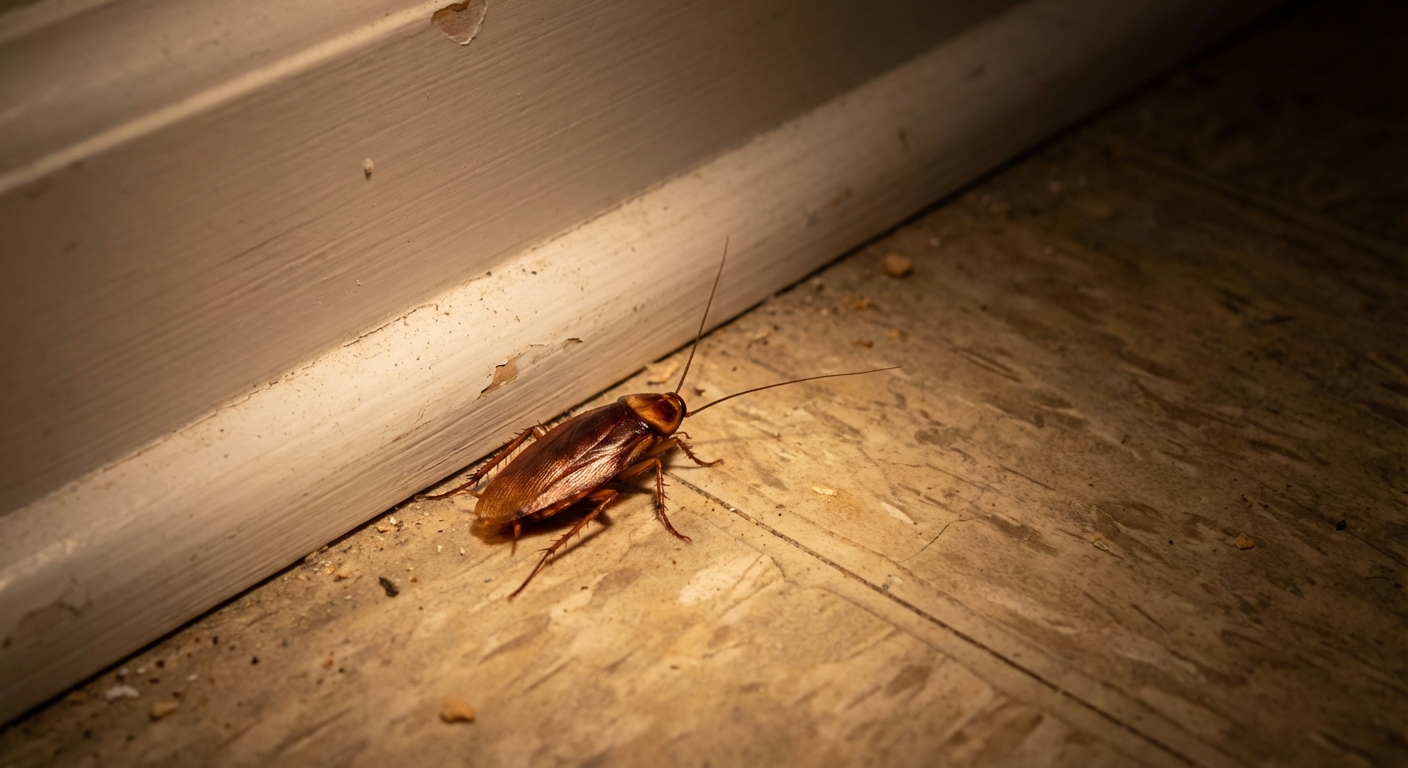
The big four: why roaches move in
Most roach problems come back to four basics:
- Food: crumbs, grease, garbage, pet food, spilled drinks, and even cardboard and adhesives.
- Water: leaks, condensation, wet sinks, plant saucers, damp soil, humidity.
- Shelter: clutter, stacked paper, tight gaps, wall voids, appliances, storage boxes.
- Access: cracks, gaps under doors, pipe openings, torn screens, shared walls.
If you fix just one category, roaches can still survive on the others. If you reduce all four even a little, you usually see a noticeable drop in activity.
Food attractants
Roaches are scavengers. They prefer easy calories, but they will also feed on non-food items when options are limited.
1) Crumbs, grease, and residue
Grease is a big one. A thin film behind the stove or on cabinet edges can keep roaches going.
- Under and behind the refrigerator and stove
- Toaster crumb trays and countertop appliances
- Microwave vents and range hood filters
- Cabinet corners where snacks are stored
2) Unsealed pantry items
Open cereal bags, flour, rice, pet treats, and even snack crumbs in drawers pull roaches in fast.
- Store dry goods in hard containers with tight lids
- Wipe shelf dust and food powder, especially flour and sugar
3) Trash, recycling, and compost smells
Garbage is food plus moisture. Recycling bins with sticky residue are another common trigger.
- Rinse cans and bottles before tossing them in recycling
- Use a trash can with a lid and empty it regularly
- Keep compost covered and avoid adding oily foods if you have roach pressure
4) Pet food and water bowls
Leaving kibble out overnight is one of the easiest ways to feed roaches without realizing it.
- Pick up bowls at night if possible
- Store food in a sealed container, not the original bag
Water attractants
Roaches can go longer without food than without water. If your home has reliable moisture, they can hang around even when food is limited.
1) Leaks and slow drips
Check these common spots:
- Under kitchen and bathroom sinks
- Behind toilets and around the base
- Dishwasher and refrigerator water lines
- Water heater pan and nearby flooring
Even a small drip can keep roaches supplied.
2) Condensation and humidity
Roaches love damp air. Basements, laundry rooms, and poorly ventilated bathrooms are common hotspots.
- Run bathroom fans during and after showers
- Vent the dryer properly
- Use a dehumidifier if areas stay damp
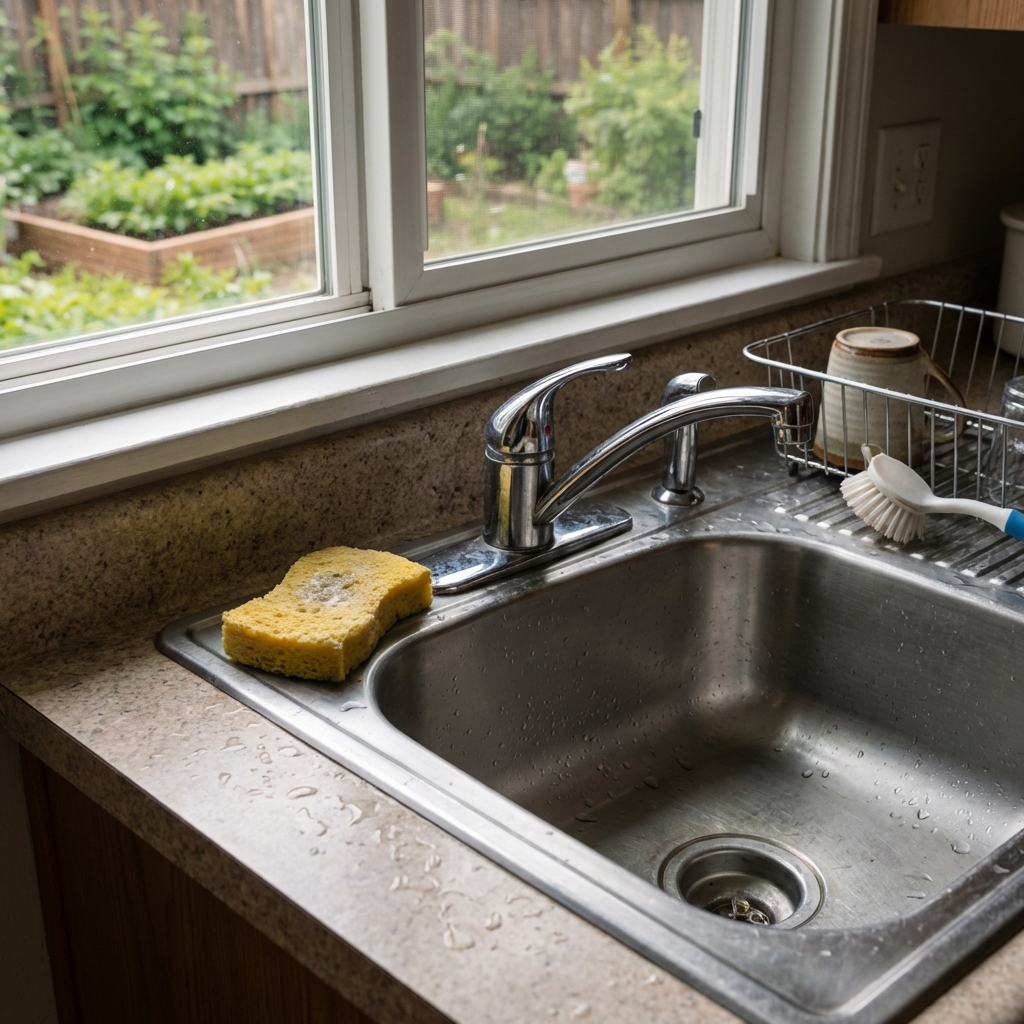
3) Standing water and wet sponges
A wet dish sponge on the counter is both water and food residue in one place.
- Wring sponges out and let them dry
- Do not leave water in sink basins overnight
Shelter attractants
Roaches are mostly nocturnal. If you are seeing them in daylight, it can mean the population is high, but it can also happen after cleaning, renovations, pest treatments, or when a hiding spot gets disturbed.
1) Clutter, cardboard, and paper
Cardboard is a classic roach favorite because it holds moisture and offers tight folds to hide in. Roaches can also feed on paper dust, residue, and some adhesives.
- Reduce stored cardboard in garages, basements, and pantries
- Use plastic bins with lids for storage
- Recycle shipping boxes quickly
2) Warm appliances and electronics
Refrigerator motors, microwaves, coffee makers, and gaming consoles can provide warmth plus crumbs.
- Pull the refrigerator out and vacuum the back and underneath
- Keep counters and appliance areas grease-free
3) Tight gaps and voids
Roaches squeeze into cracks behind baseboards, under cabinets, and around plumbing.
- Seal gaps with caulk where baseboards meet walls
- Use escutcheon plates or sealant around pipes
- Fix torn weather stripping and door sweeps
Entry points
Even clean homes can get roaches if they have easy access. Roaches enter from outdoors, from neighboring units, or by hitchhiking in boxes and used items.
Common ways roaches get in
- Gaps under exterior doors and garage doors
- Cracks in foundations and around window frames
- Openings around plumbing under sinks and behind toilets
- Torn window screens and unsealed vents
- Shared walls in apartments and townhomes
- Grocery bags, delivery boxes, used furniture and appliances
If you live in a multi-unit building, roach control works best when neighbors and management address the issue too. Otherwise they can keep cycling between units.
Species note
A quick detail that helps you prioritize. German cockroaches are mainly indoor pests and usually cluster in kitchens and bathrooms close to water. Larger species like American and smokybrown cockroaches often build up outdoors first and then wander inside, especially during heat, rain, or drought.
Outdoor attractants
Many roach problems start outside and move indoors when weather shifts or food runs low. Your goal is not a sterile yard. It is keeping roach-friendly zones away from the house.
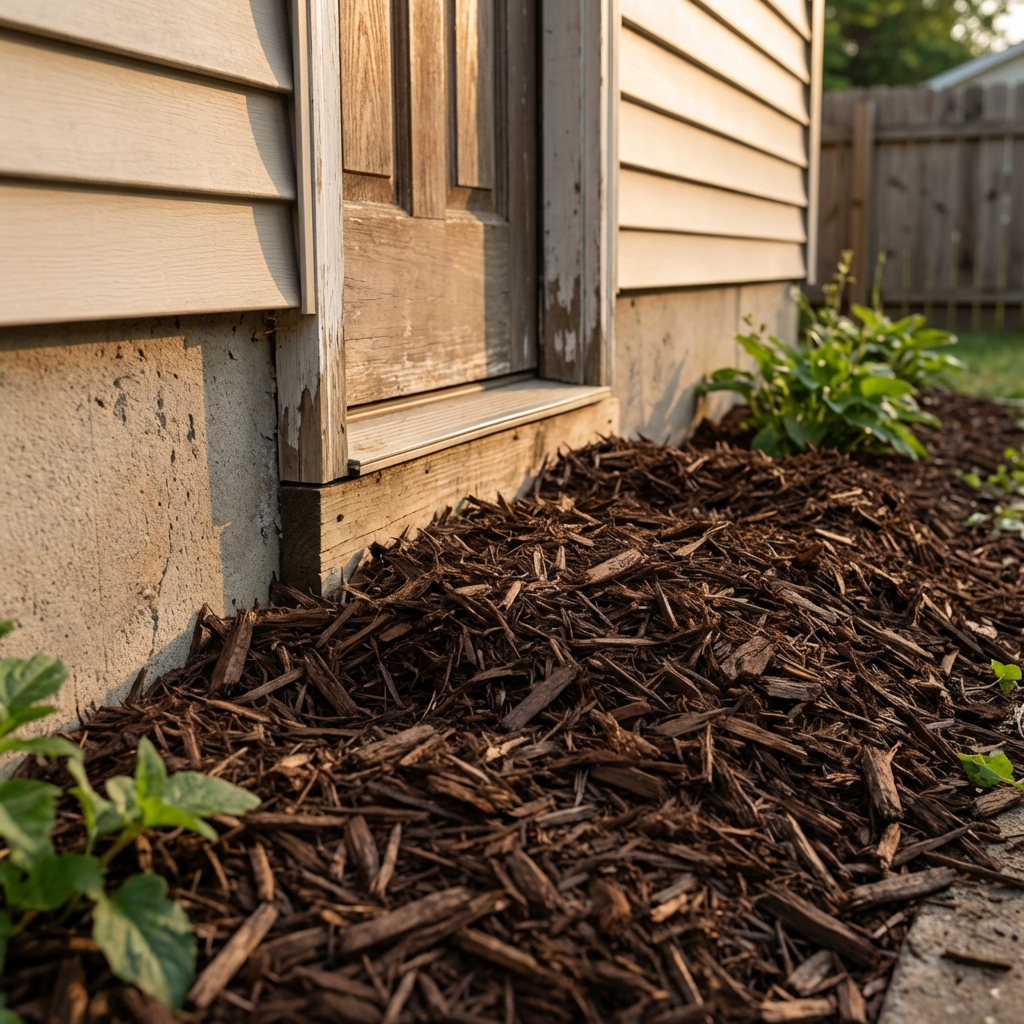
1) Leaf litter, mulch, and damp cover
Mulch and thick ground cover hold moisture and provide shelter.
- Keep mulch a few inches away from the foundation
- Rake wet leaf piles and remove rotting debris near entrances
- Store firewood off the ground and away from the house
2) Outdoor water sources
Leaky spigots, irrigation overspray, and standing water pull roaches in.
- Fix dripping hose bibs and leaking hoses
- Avoid constantly wet soil right next to the foundation
- Empty saucers under outdoor potted plants when possible
3) Outdoor feeding zones
Grill drips, outdoor pet feeding, and open compost can create a steady food supply.
- Clean grease trays and the ground under the grill
- Feed pets indoors when you can
- Keep compost covered and turn it regularly
Quick checklist
If you want the biggest impact with the least effort, start here. Think of this as your quick reset before you go room by room.
- Clean under and behind the stove and refrigerator (crumbs and grease build up fast).
- Fix leaks under sinks and around toilets.
- Do a nightly kitchen reset: wipe counters, rinse dishes, sweep crumbs, and take out trash if it is food-heavy.
- Stop leaving pet food out overnight.
- Empty trash and rinse recycling to cut odors and residue.
- Reduce cardboard and store items in sealed bins.
- Seal easy gaps around pipes and baseboards.
- Declutter storage areas where roaches hide.
Beginner-safe control
Attractant control is step one. If roaches are already established, you will likely need a control plan too.
Sticky monitors
These help you locate hotspots and track progress. Place them along walls, under sinks, behind the refrigerator, and near the trash area. Use several, not just one, so you can compare rooms. Check weekly and replace as needed.
Baits and gel baits
Baits can work well because roaches feed on the bait and the active ingredient can spread through the population through feces, regurgitation, and carcasses. Use baits where roaches travel, not in the middle of open floors.
Boric acid or diatomaceous earth (use carefully)
These can be effective in very thin layers in cracks and voids. Do not pile them up. Keep them away from kids, pets, and food areas, and follow the label directions. Even “food-grade” diatomaceous earth can irritate lungs, so avoid creating dust and consider a mask during application.
What not to do
- Avoid foggers and bombs. They often miss the cracks where roaches hide and can push roaches deeper into walls.
- Do not spray repellent insecticides near baits. Repellents can keep roaches away from the bait you want them to eat.
- Do not scatter thick layers of boric acid or diatomaceous earth. More is not better and can make roaches avoid the area.
When to call a pro
DIY can work for light activity, especially when you combine cleanup, moisture control, sealing, monitors, and bait. Consider a licensed pest professional if:
- You are seeing frequent daytime roaches for more than a day or two
- You find lots of nymphs, egg cases, or roaches in multiple rooms
- Trap counts stay the same or climb after 2 to 3 weeks of consistent baiting and monitoring
- You suspect German cockroaches, since they breed fast and usually need a tight, targeted plan
FAQ
Do cockroaches mean my house is dirty?
Not always. Roaches can enter clean homes if there is water, warmth, and access. That said, food residue and clutter make it much easier for them to thrive.
What smell attracts cockroaches the most?
They are attracted to food odors in general, especially greasy, starchy, or sugary smells. Garbage, recycling residue, and pet food are common culprits.
Why do I only see roaches at night?
That is normal. They hide during the day and forage at night. Seeing them during the day can happen with heavier activity, but it can also happen when hiding spots are disturbed.
Can my garden attract roaches indoors?
Yes. Heavy mulch against the foundation, leaf piles, leaky spigots, and outdoor feeding areas can increase roach activity near the house, which raises the odds they come inside.
Bottom line
Cockroaches show up for the basics: food, water, shelter, and an easy way in. If you cut off water sources, clean up grease and crumbs, reduce clutter, and seal the obvious gaps, you will make your home and garden edges a lot less attractive. Start with the quick wins, then tighten things up room by room.

Jose Brito
I’m Jose Britto, the writer behind The Country Store Farm Website. I share practical, down-to-earth gardening advice for home growers—whether you’re starting your first raised bed, troubleshooting pests, improving soil, or figuring out what to plant next. My focus is simple: clear tips you can actually use, realistic expectations, and methods that work in real backyards (not just in perfect conditions). If you like straightforward guidance and learning as you go, you’re in the right place.