Rats are not picky guests. If your home offers food, water, and a safe place to hide, they will try to move in. The frustrating part is that what attracts rats shifts a bit by season. In summer they chase water and easy snacks. In fall they look for warmth and nesting spots. And if they make it indoors, they can keep feeding and even continue breeding year-round, including through winter.
The good news is you do not need fancy gadgets to make your house less appealing. The most effective “home remedies” are usually simple habits and basic repairs that shut down what rats need to survive.
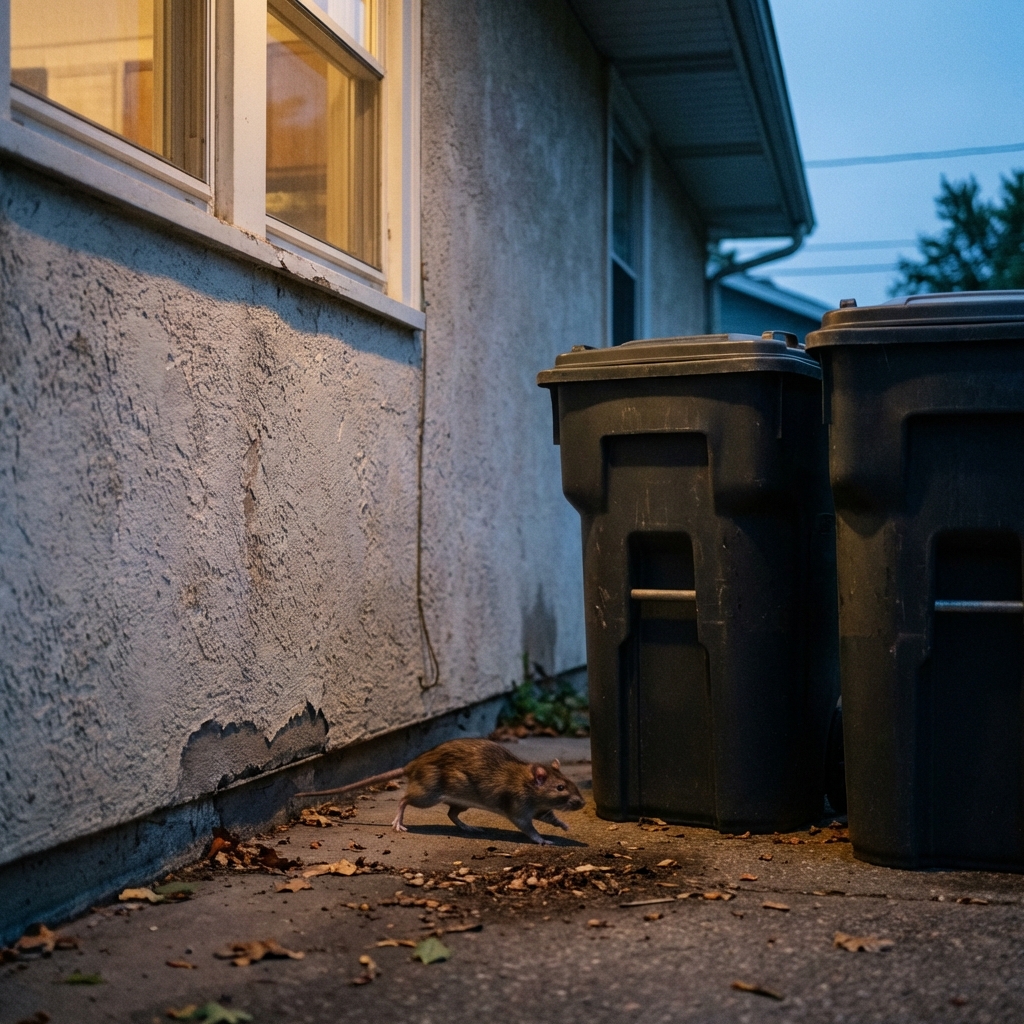
The three things that attract rats
Almost every rat issue traces back to these basics:
- Food: Pet food, birdseed, fallen fruit, compost, trash, pantry items, grease around grills, and even crumbs under appliances.
- Water: Leaky hose bibs, dripping AC condensate, pet water bowls, standing water in planters, and slow plumbing leaks.
- Shelter: Dense shrubs, wood piles, cluttered sheds, open crawl spaces, attics, and cozy wall voids with insulation.
As a rule of thumb, the more of these you remove, the less likely rats are to stick around. Keep in mind that heavy “neighborhood pressure” (nearby construction, restaurants, or an active infestation next door) can make control take longer.
How this ties into the seasons
Those same three needs show up in different ways throughout the year. Use the seasonal patterns below to spot what is pulling rats toward your home right now.
Seasonal reasons rats come to your house
Spring: nesting season and easy calories
Spring is when rats get active again, searching for nesting spots and steady food. They are also exploring after winter, so small openings that were ignored before can suddenly become high-traffic entry points.
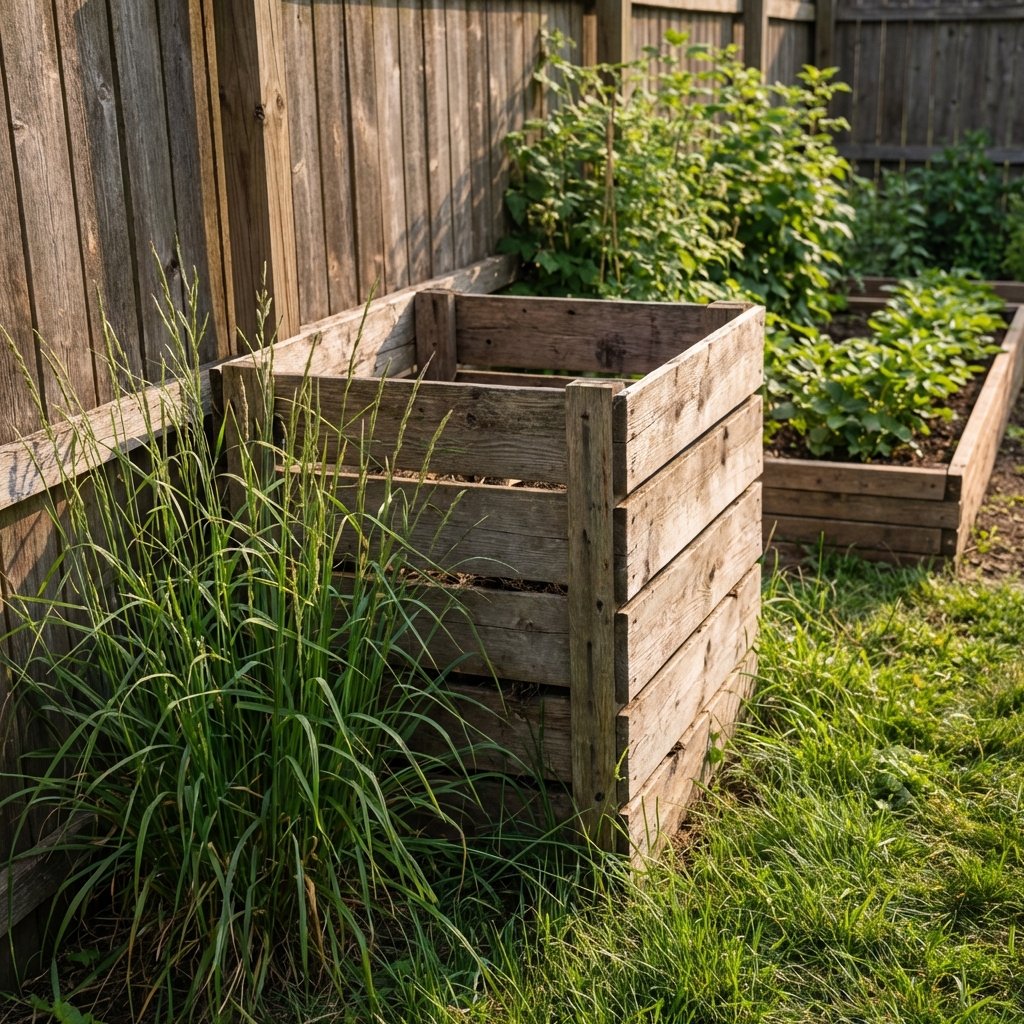
- What attracts them: New garden growth, compost piles warming up, chicken feed, bird feeders, and open garages.
- Common hiding spots: Brush piles, thick groundcovers, clutter along fences, and under decks.
Summer: water and shade
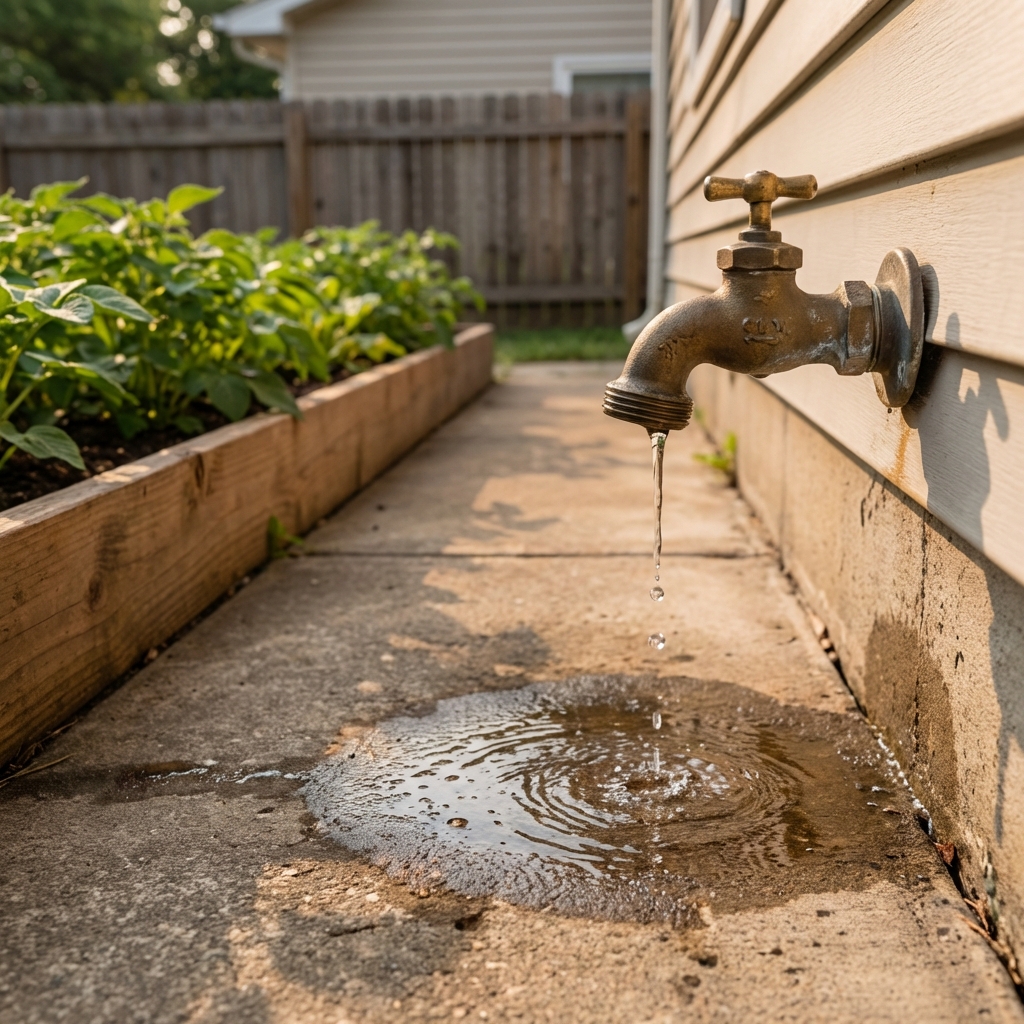
Hot weather pushes rats to look for reliable water. They also use shade and dense landscaping as safe travel routes, especially along fences and walls.
- What attracts them: Dripping hoses, sprinkler overspray that keeps soil damp, pet water left outside overnight, and overflowing trash cans after cookouts.
- Common entry mistakes: Doors left cracked for air, garage doors that do not seal at the bottom, and torn window screens.
Fall: warmth, storage, and “last chance” food
Fall is a big one. As temperatures drop, rats start trying to get inside structures. At the same time, there is often a lot of easy food outside from harvest, fallen fruit, and outdoor feeding routines that continue too long.
- What attracts them: Apples or citrus on the ground, pumpkins left outside, bird feeders, stored bulbs and seed, and open crawl vents.
- Common nesting materials: Straw bales, loose insulation, cardboard, and fabric stored in garages.

Winter: steady shelter and indoor food
In winter, rats are motivated by survival. If they get inside, they can live off very small amounts of food and water. That is why winter infestations can feel like they appear out of nowhere.
- What attracts them: Warm crawl spaces, attics, wall voids, pantry items, and crumbs under kitchen appliances.
- Quiet warning signs: Scratching sounds at night, greasy rub marks along baseboards, and droppings in corners.

Home remedies that help (and what actually works)
Let’s be honest. A strong smell alone rarely “chases rats away” if food and shelter are still available. The best home remedies combine exclusion (keep them out) with sanitation (remove what attracts them) and simple deterrents in the right places.
Rats vs. mice (quick note)
Many homes deal with both. Mice can fit through much smaller gaps than rats, so if you are unsure which one you have, treat your sealing work like it is for mice and you will cover rats too.
1) Seal entry points first
Rats can squeeze through gaps as small as about 1/2 inch (young rats can use even smaller). Your goal is to deny access.
- Use steel wool or copper mesh plus sealant: Pack holes with steel wool or copper mesh, then seal with exterior-grade caulk or expanding foam rated for pests. The mesh helps prevent chewing through.
- Cover larger openings: Use sturdy, galvanized hardware cloth (often 1/4-inch mesh) for vents, gaps around decks, and crawl space openings.
- Install door sweeps: Especially on garage side doors and exterior doors. Check that the garage door seals tightly to the ground.
- Mind utility lines: Look where pipes and cables enter the house. Those gaps are classic rat highways.
Tip: At dusk, walk the house perimeter with a flashlight and look for gaps, burrows near the foundation, and rub marks along walls.
2) Remove food sources that are “normal” to you but huge to rats
Rats do not need much. A little spill under a bird feeder or a few handfuls of kibble in the garage can support regular visits.
- Secure trash: Use tight-fitting lids. Rinse cans if needed. Do not let bags sit beside the bin overnight.
- Bring pet food in: Feed pets on a schedule, then pick up bowls. Store kibble in sealed metal or thick plastic containers.
- Adjust bird feeding: If you have a rat issue, pause bird feeding for a couple weeks, or switch to a feeder setup that minimizes spill. Clean up seed on the ground.
- Manage fruit and garden harvest: Pick produce promptly. Remove fallen fruit daily during peak drop.
- Compost smarter: Avoid meat, grease, and dairy. Use a rodent-resistant bin if possible and keep the area around it mowed.
3) Fix water sources and damp hiding areas
Water is often the most overlooked attractant, especially in hot months. Cutting off steady drips can reduce rat pressure fast.
- Repair leaky spigots, hoses, and irrigation fittings.
- Empty standing water in trays, buckets, and unused planters.
- Check AC condensate lines and downspouts for constant drips near the foundation.
- In basements and crawl spaces, run a dehumidifier if humidity is high.
4) Declutter and cut back hiding spots
This is the unglamorous part, but it matters a lot.
- Trim vegetation: Keep shrubs from touching the house. Clear dense groundcover near the foundation.
- Raise wood piles: Store firewood at least 18 inches off the ground and away from the house if you can.
- Clean up storage: Keep items in sealed totes, not cardboard boxes, especially in garages and sheds.
5) Scent-based “remedies”: use as support, not the main plan
Some people have luck using strong scents in tight, enclosed spaces, but results vary. If you try these, place them where rats travel, not out in open air.
- Peppermint oil: Put a few drops on cotton balls and place them in problem spots like behind the fridge, near entry gaps, or in corners of the garage. Refresh every few days.
- Vinegar cleaning: Vinegar is useful for cutting grease and wiping down surfaces. It is not a reliable stand-alone repellent, but cleaning helps remove food residue and lingering odors that can keep pests interested.
Important: If you have pets, keep essential oils away from areas they can reach. Some oils can be harmful to cats and dogs.
6) Traps are not “home remedies,” but they are often necessary
If you already have rats indoors or you see regular activity outdoors, deterrents alone are usually not enough. You need removal.
- Snap traps: Fast and effective when placed correctly along walls where rats run. Bait with peanut butter (or a small mix of peanut butter plus oats). Use multiple traps, spaced a few feet apart in active areas. Use gloves, and do not place where kids or pets can access.
- Enclosed bait stations: Useful outdoors for ongoing pressure, but follow local regulations and label instructions carefully.
What not to do
- Avoid glue traps: They are inhumane and illegal in some places.
- Be cautious with poison indoors: It can lead to dead rodents in walls (odor problems) and can pose risks to pets and wildlife through secondary poisoning. If you use baits, stick to tamper-resistant stations and consider professional guidance.
Cleanup safety if you find droppings
Do not sweep or vacuum dry droppings. Ventilate the area, wear gloves (and a mask if the area is dusty), spray droppings with disinfectant, let it soak, then wipe up with paper towels and bag everything before washing your hands.
If you are uncomfortable handling traps or you suspect a larger infestation, it is worth calling a professional. Getting the exclusion right is the long-term fix.
Quick seasonal checklist
Spring
- Clean up brush piles and garden debris
- Check garage corners and shed floors for droppings
- Inspect foundation gaps after winter weather
Summer
- Fix leaks and remove standing water
- Keep trash tight and rinse bins
- Trim dense plants near walls and fences
Fall
- Pick up fallen fruit daily
- Store birdseed and pet food in sealed containers
- Seal gaps around pipes, vents, and crawl spaces
Winter
- Check door sweeps and garage seals
- Deep clean under stove and fridge
- Watch for indoor signs like scratching and droppings
Signs your attractants are still active
If you are doing the basics but still seeing activity, one of these is usually the culprit:
- New droppings: Dark, moist droppings mean recent activity.
- Grease marks: Smudgy rub marks along baseboards or low walls.
- Chew damage: Around pet food bags, cardboard, insulation, wiring, or soft wood.
- Burrows: Holes near foundations, under sheds, or by thick shrubs.
- Noises at night: Especially in walls, ceilings, or crawl spaces.
When to call for help
Home fixes can go a long way, but consider professional pest control if:
- You see rats in daylight repeatedly
- You find nests or heavy droppings in multiple areas
- You suspect they are in walls, attic, or HVAC spaces
- You cannot locate or seal the entry point
In the meantime, focus on what you can control today: seal obvious gaps, lock down food, and eliminate water. Those steps make every other remedy work better.

Jose Brito
I’m Jose Britto, the writer behind The Country Store Farm Website. I share practical, down-to-earth gardening advice for home growers—whether you’re starting your first raised bed, troubleshooting pests, improving soil, or figuring out what to plant next. My focus is simple: clear tips you can actually use, realistic expectations, and methods that work in real backyards (not just in perfect conditions). If you like straightforward guidance and learning as you go, you’re in the right place.