Bed bugs have a way of making people feel embarrassed, but here is the truth: bed bugs are not caused by being “dirty.” They show up because they are excellent hitchhikers. If a bed bug can cling to a seam, hide in a crack, and ride into your home unnoticed, it will.
This guide breaks down what most often causes bed bugs in a home, where they come from, and what you can do yourself to keep a small problem from turning into a full-blown infestation.
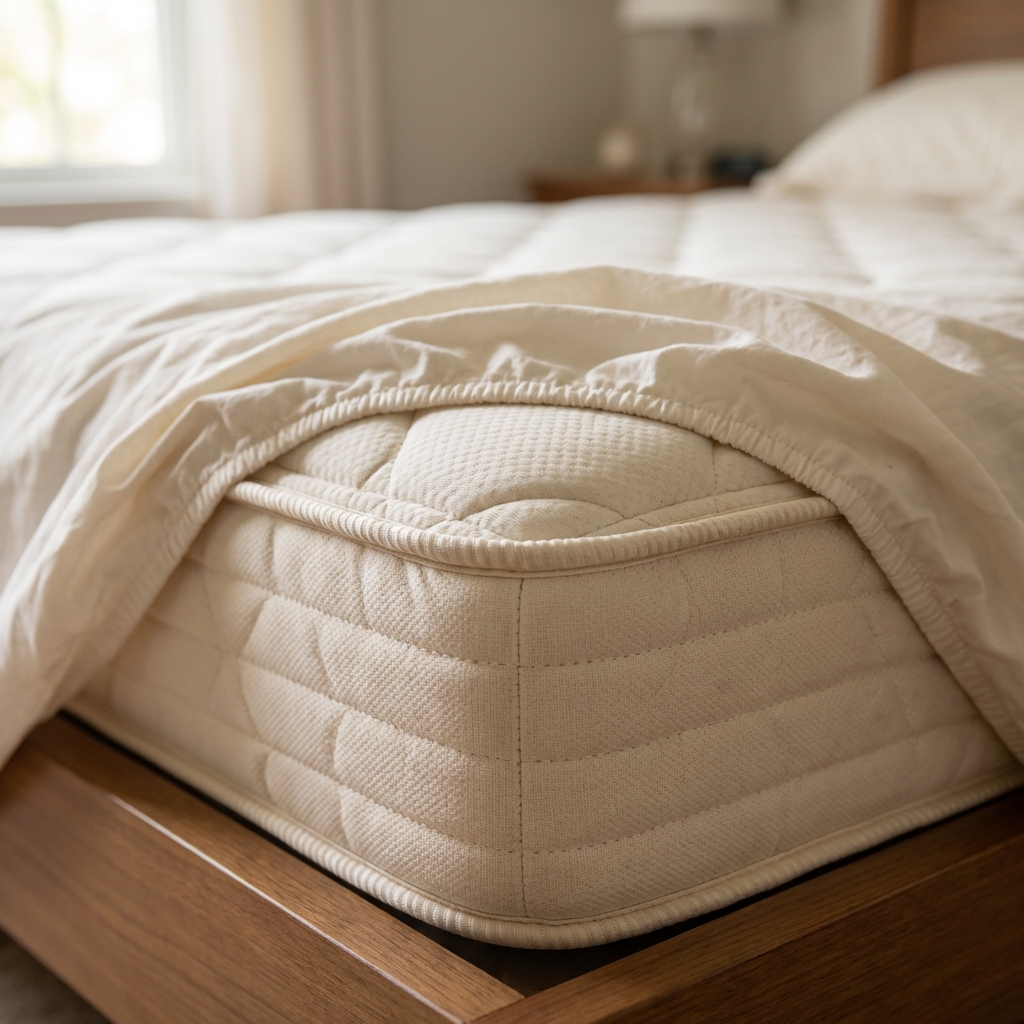
First, what bed bugs are and what they need
Bed bugs are small, flat insects that feed on blood. They hide during the day and come out mostly at night. They do not chew wood, eat crumbs, or live off dirty dishes. What they need is:
- A hiding place near where people rest (mattress seams, bed frames, headboards, couches).
- A host (they strongly prefer humans, but can feed on other mammals or birds if humans are not available).
- Time to reproduce and spread into more hiding spots.
Because they are so good at hiding, most people do not realize they have bed bugs until the population has had time to grow.
What causes bed bugs in a home
Bed bugs almost always get introduced from somewhere else. They do not appear out of thin air. Below are the most common ways they get inside.
1) Travel and luggage
Hotels, motels, hostels, cruise ships, and even short-term rentals are common pickup points. Bed bugs can crawl into luggage seams, zipper folds, or clothing and then ride home with you.
- High risk items: soft-sided suitcases, backpacks, coats, laundry bags.
- High-risk situations: placing luggage on beds, upholstered chairs, or carpet near the bed.
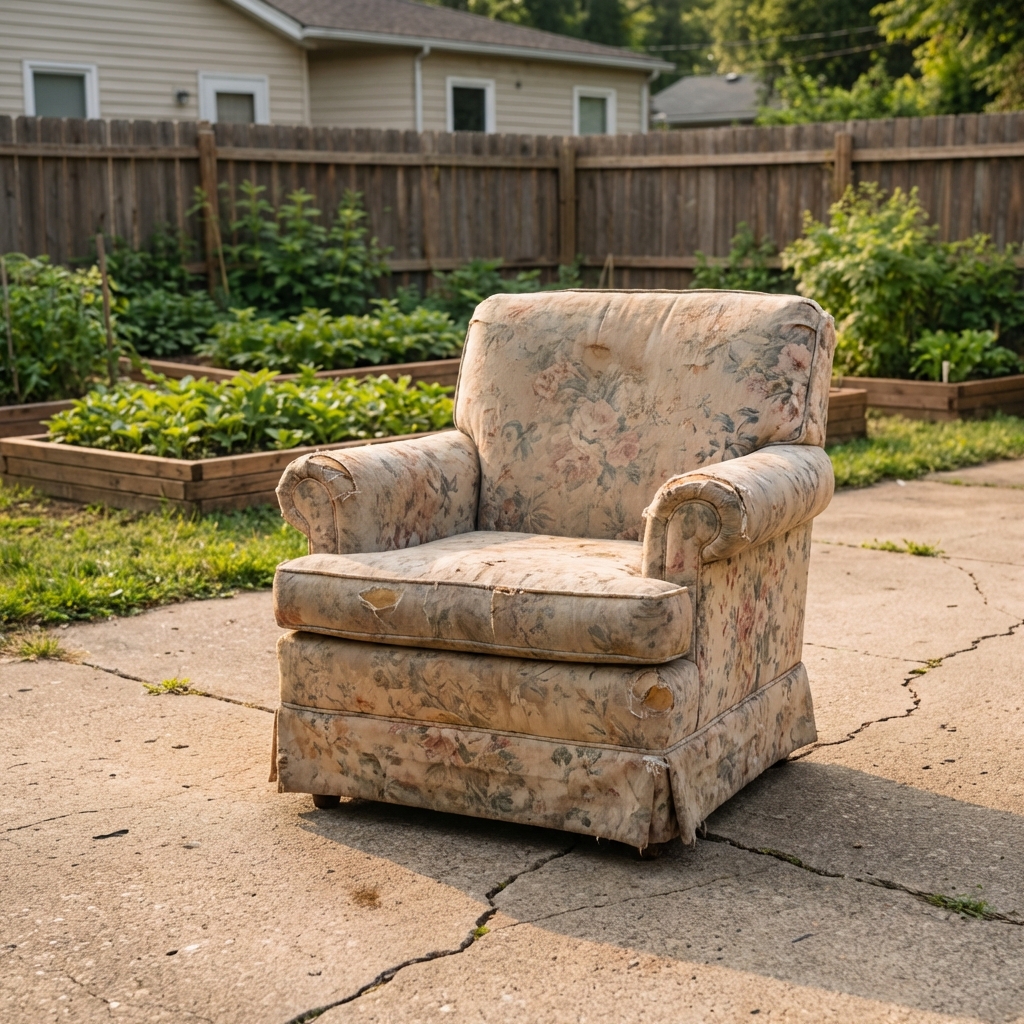
2) Used furniture and secondhand items
Buying a used couch, mattress, bed frame, or recliner is one of the fastest ways to accidentally bring bed bugs home. They can live in the underside fabric, stapled areas, joints, and cracks.
- Highest risk: mattresses, box springs, upholstered furniture.
- Also risky: nightstands, dressers, picture frames, and electronics stored near beds.
3) Visitors and shared spaces
Bed bugs can hitchhike on a guest’s coat, purse, or overnight bag. This is not about blaming anyone. People often do not know they have bed bugs, especially early on.
Shared spaces can also contribute, including:
- Apartment hallways and laundry rooms
- Dorms and group housing
- Public transportation, rideshares, and waiting areas
4) Multi-unit housing spread
In connected buildings, bed bugs can move between units through wall voids, plumbing penetrations, baseboards, and shared utility lines. More often, they spread because items move between units, but building connections can help them travel.
If you live in a multi-unit building and suspect bed bugs, document signs early and notify management quickly. Treatment and prevention often work best when neighbors and management coordinate, especially if multiple units are affected.
5) Moving, storage, and delivery
Cardboard boxes, moving trucks, and storage units can all be part of the chain. Bed bugs can hide in cracks of wooden furniture, inside folded fabric items, and in the seams of stored belongings.
- Risk increases when items are stored near other infested items.
- Long storage times do not guarantee safety. Bed bugs can survive for months without feeding, and sometimes longer in cool conditions, depending on temperature and life stage.
What does not cause bed bugs
- Dirty homes: cleanliness does not “create” bed bugs. Clutter can make them harder to remove, but it is not the cause.
- Pets bringing them in from outside: bed bugs are not like fleas or ticks. They are not typically picked up from lawns or gardens. Pets can be bitten indoors, but they are not the usual way bed bugs enter a home.
- Bad luck alone: infestations are usually tied to an introduction event like travel or a used item, even if it is hard to pinpoint.
Early signs and likely sources
If you can catch bed bugs early, DIY control is much more realistic. Here are clues that help you figure out what happened and where to look first.
Bites (but do not rely on bites alone)
Some people react strongly, some barely react, and some not at all. Reactions can be delayed by hours to days. Bites can also look like mosquito bites, hives, or a rash. Some people notice clusters or lines, but it is still not proof. Use bites as a clue, not a diagnosis.
Spots and shed skins
- Small dark dots on sheets or mattress seams (fecal spots).
- Rusty stains from crushed bugs.
- Paper-thin shed skins in hiding areas.
Confirming what you are seeing
Bed bugs are small, oval, and reddish-brown. Adults are about the size of an apple seed, while young ones are much smaller and paler. If you can, capture a specimen with clear tape or in a sealed bag and take a close photo for identification. Many other insects can look similar at a glance.
Where you find signs matters
- If signs are mostly on the bed and luggage: travel is a likely source.
- If signs show up on a couch first: used furniture or guests may be the source.
- If you see signs near baseboards or shared walls: multi-unit spread may be involved.
Why bed bug problems get worse fast
Once introduced, bed bugs spread because they:
- Hide in tight cracks where many sprays cannot reach.
- Lay eggs in protected spots, making repeat treatments necessary.
- Move closer to hosts when populations grow, expanding from beds to furniture and nearby rooms.
One of the most common DIY mistakes is only treating the bed surface. Bed bugs typically hide in seams, frames, headboards, and nearby cracks, not out in the open.
DIY prevention
After travel
- Keep luggage off the bed when you get home. Use a hard surface if possible.
- Wash and dry travel clothes right away. Dryer heat is key. If the fabric allows, run items in a hot dryer cycle. You can dry first, then wash, or wash then dry. The goal is thorough heat in the dryer.
- Vacuum suitcase seams and pockets. Empty the vacuum into a sealed bag and take it outside.
- Store luggage in a garage or sealed container if you can.
Before bringing in used items
- Avoid used mattresses and box springs if at all possible.
- Inspect upholstered furniture outside or in a garage first.
- Check underside fabric, stapled edges, seams, tufts, and joints.
- When in doubt, do not bring it in. A free couch can become a very expensive problem.
Smart home habits
- Reduce clutter near beds so inspections are easier.
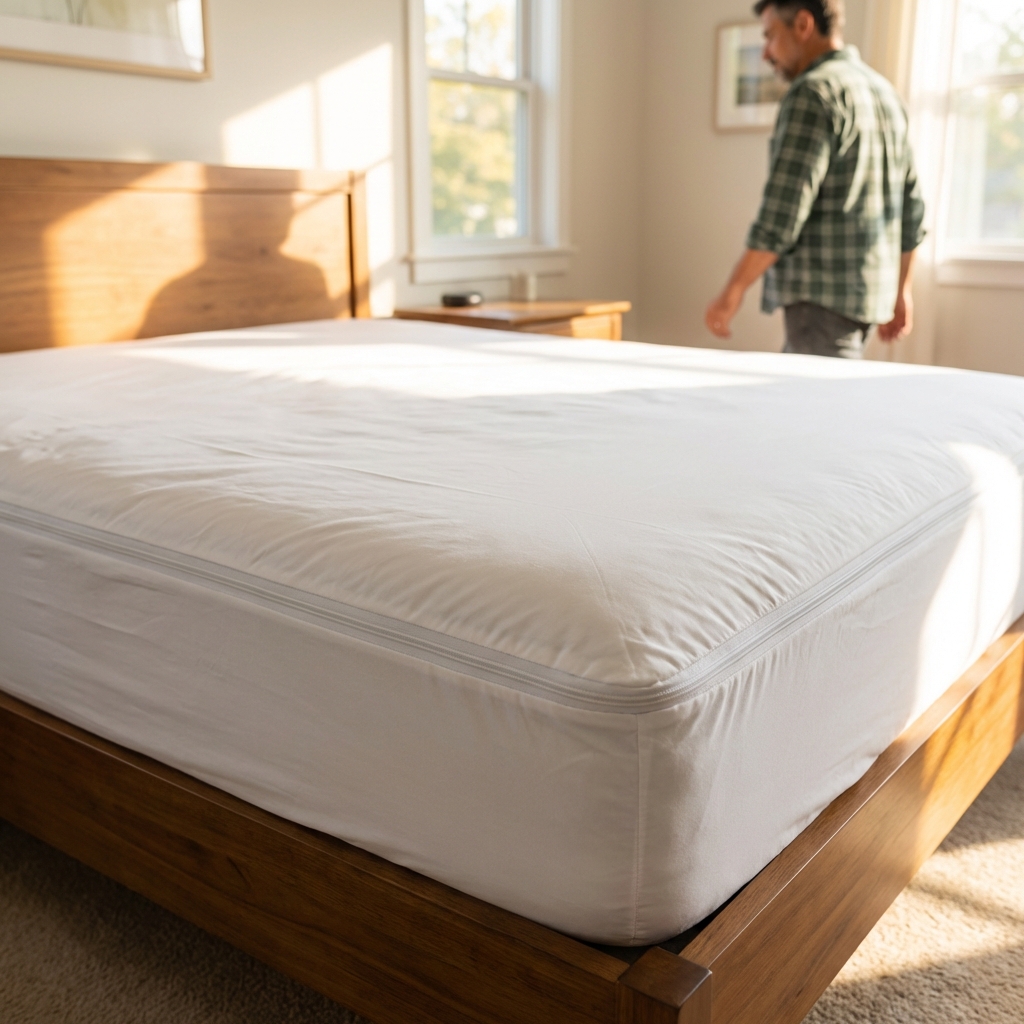
- Use mattress and box spring encasements designed for bed bugs.
- Consider interceptor cups under bed legs if you live in multi-unit housing. These are small traps that sit under each bed leg to help catch bed bugs as they climb up or down.
If you think you have bed bugs
If you find suspicious signs, start with calm, practical steps. You want to confirm, contain, and clean without spreading them to new areas.
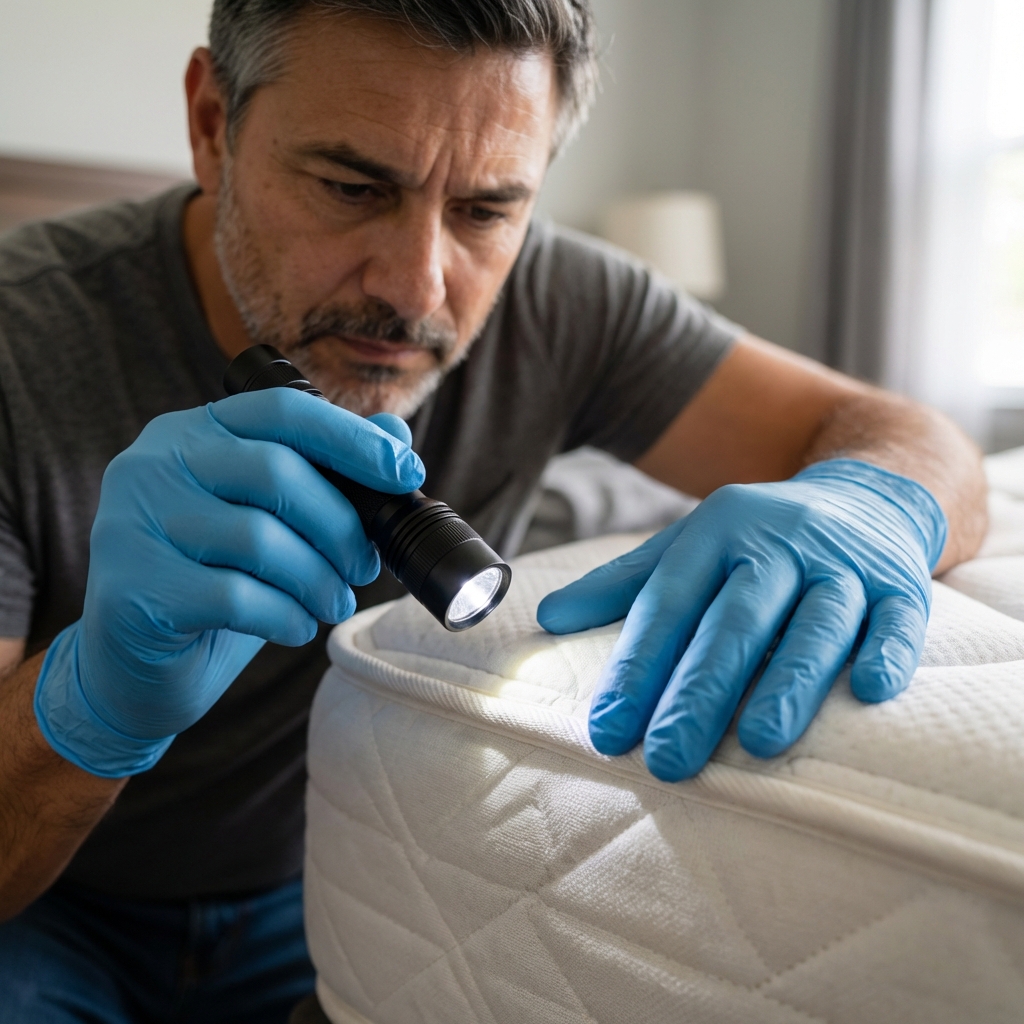
Step 1: Confirm with a focused inspection
- Check mattress seams, tags, and piping.
- Inspect the bed frame joints, screw holes, and headboard backside.
- Look along baseboards and behind nearby picture frames.
- If possible, capture a bug or take a clear photo for ID before you treat.
Step 2: Contain laundry and soft items
- Put bedding and clothes into sealable bags before moving them through the home.
- Use the dryer on high heat when the fabric allows. You can dry first, then wash, or wash then dry. Dryer heat is one of the most reliable DIY tools.
- Do not move items room to room “to sort later.” That spreads the problem.
Step 3: Vacuum and reduce hiding spots
- Vacuum seams, cracks, and floor edges.
- Use a crevice tool and go slowly.
- Dispose of vacuum contents in a sealed bag outdoors.
Step 4: Avoid common mistakes
- Do not use foggers or “bug bombs.” They can scatter bed bugs deeper into walls and furniture and make the problem harder to control.
- Be cautious with DIY sprays around sleeping areas, and never apply products to bedding or where skin has direct contact unless the label explicitly allows it.
- Do not donate or curb-dump infested furniture without clearly labeling it as infested, and follow local rules for disposal. Unmarked items can spread bed bugs to someone else.
Step 5: Decide if DIY is realistic
DIY is more realistic when the infestation is caught early and limited to one area. If you are seeing bugs in multiple rooms, frequent bites, or signs in couches and beds, it may be time to call a professional. Professional programs may include targeted insecticides, heat, steam, and careful monitoring. Heat is powerful, but it is not the only effective tool when applied correctly.
Quick FAQ
Can bed bugs come from the garden or outdoors?
It is very unlikely. Bed bugs are indoor pests that prefer to stay close to where people rest.
Do bed bugs mean my home is unhygienic?
No. They are introduced from outside and can happen in spotless homes. Clutter can make treatment harder, but it is not the cause.
How long does it take for bed bugs to show up after bringing them home?
It varies. Some people notice bites quickly, while others notice nothing for a while. Visible signs often lag behind the initial introduction.
Do you always feel bites?
No. Reactions vary by person, and some people do not react at all.
Bottom line
Bed bugs are caused by introduction, not dirt. Travel, used furniture, visitors, and multi-unit living are the main routes. If you focus on preventing hitchhikers, inspecting high-risk items, and acting quickly on early signs, you can avoid most bed bug disasters or at least keep them small enough to manage.
If you want to take one simple step today, make it this: learn where to look. A five-minute inspection of mattress seams and the bed frame can save you weeks of stress later.

Jose Brito
I’m Jose Britto, the writer behind The Country Store Farm Website. I share practical, down-to-earth gardening advice for home growers—whether you’re starting your first raised bed, troubleshooting pests, improving soil, or figuring out what to plant next. My focus is simple: clear tips you can actually use, realistic expectations, and methods that work in real backyards (not just in perfect conditions). If you like straightforward guidance and learning as you go, you’re in the right place.