Gnats in the house feel like they appear overnight. One day your kitchen is fine, and the next you have tiny flies hovering around the fruit bowl, sink, or your favorite houseplant. The good news is that indoor gnats are usually coming from a very specific source. If you remove the breeding spot, the problem drops fast.
Below is a clear, practical breakdown of what causes gnats in your home, how to tell which type you are dealing with, and natural solutions that work in real homes.
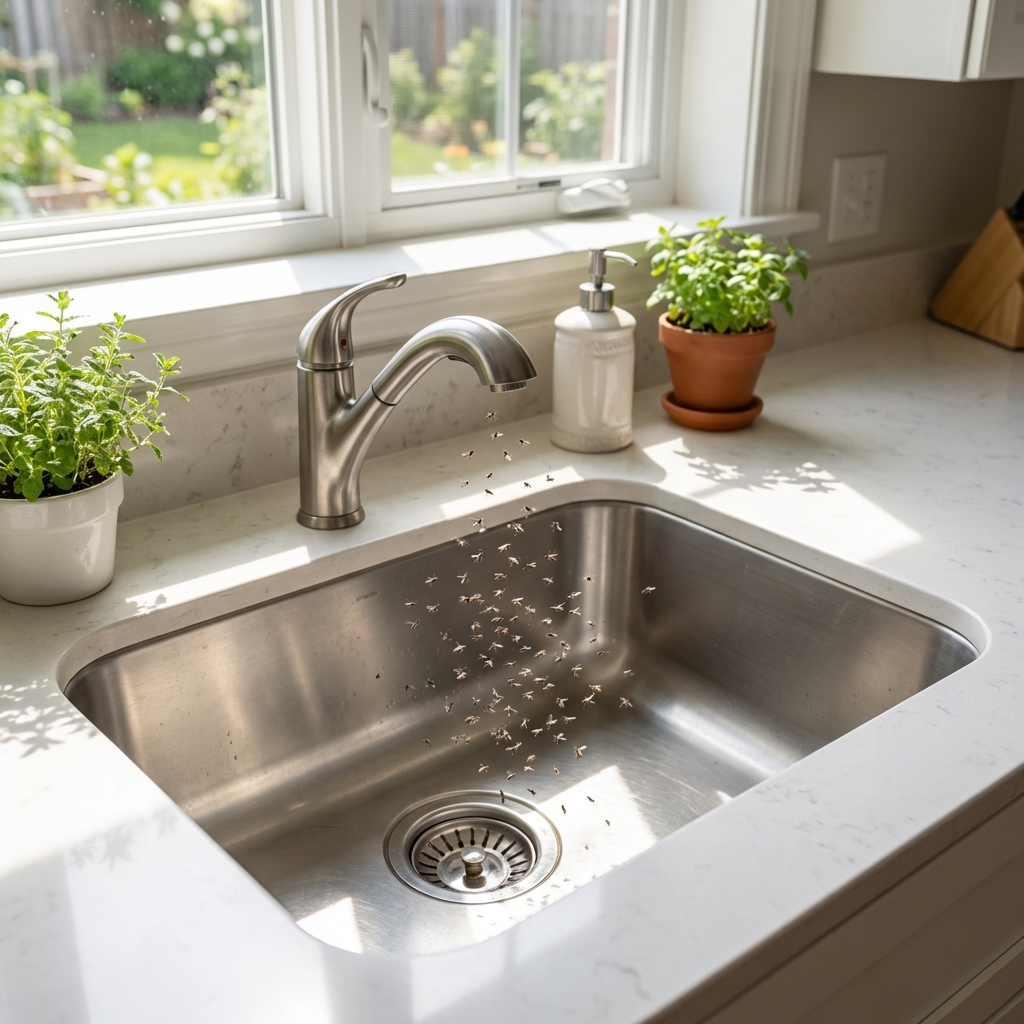
First, what people call “gnats” is usually one of these
Most indoor gnat problems fall into a few categories. Identification matters because the fix for fungus gnats is different from the fix for fruit flies.
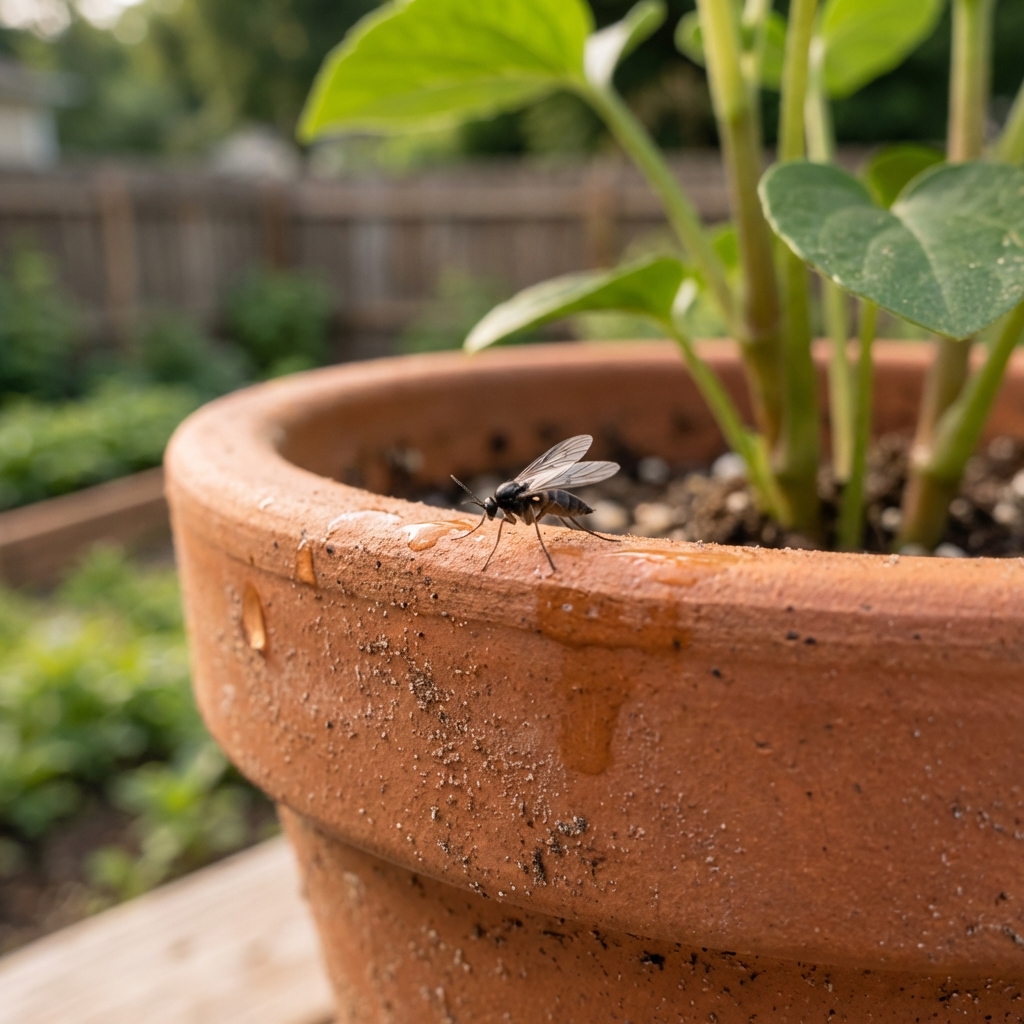
- Fungus gnats: tiny, dark, mosquito-like flyers with long legs. They hang around houseplants and soil. Larvae live in the top layer of moist potting mix.
- Fruit flies: tan to brown, often seen around fruit, trash, recycling, and anything fermenting. They breed in moist organic residue.
- Drain flies: fuzzy, moth-like little flies that rest on walls near sinks, tubs, and floor drains. They breed in a slimy coating inside pipes.
- Phorid flies: small hump-backed flies that often “run” in quick, jerky patterns on counters instead of hovering. They can come from decaying organic material, drains, trash, or occasionally deeper plumbing issues.
If you are not sure which you have, watch where they gather and how they behave. That is usually your biggest clue.
What causes gnats in your home
1) Overwatered houseplants and constantly damp soil
In many homes, this is the top driver of fungus gnats. They thrive when the top 1 to 2 inches of potting mix stays wet. The adults are annoying, but the larvae are the real engine of the problem. They feed on fungus and organic matter in the soil.
Common triggers:
- Watering on a schedule instead of checking soil moisture
- Pots with poor drainage or decorative pots that trap water
- Dense potting mix that stays soggy
- Water-catching saucers that never get emptied
- New plants or potting soil bringing them in (it happens)
2) Ripening fruit, onions, and forgotten produce
Fruit flies can breed in tiny amounts of fermenting juice. One bruised banana, a leaky bag of potatoes, or an onion starting to soften can keep them going.
Common triggers:
- Fruit left on the counter for days
- Recycling with sticky bottles and cans
- Compost pails without tight lids
- Spilled juice under appliances
3) Buildup in drains, disposals, and sink overflows
Drain flies and some fruit flies breed in the film that builds up inside drains. That film, also called biofilm, is a slimy coating that holds food particles and bacteria. If you see gnats mostly near the sink, especially early morning or evening, check the drains.
Common triggers:
- Slow drains and mild sewer smell
- Garbage disposal not cleaned under the rubber splash guard
- Overflow holes in bathroom sinks holding grime
- Floor drains that dry out, then get used and stay damp
4) Trash, recycling, and hidden organic mess
Even “clean” trash cans can have residue under the liner or in the bottom seam. Recycling is a big one because sweet liquids cling to cans and bottles.
5) Moisture problems: leaks, wet mops, and damp areas
Many indoor small flies do best where moisture and organic matter collect. A small leak under a sink, a wet sponge left in the dark, or a mop head that never dries can be enough to support breeding.
Natural solutions that work (by type)
Fungus gnats: fix the soil first
If gnats are hovering around plants, focus on drying the top layer and interrupting the life cycle. Adults can fly in from elsewhere, but they will not stick around without wet soil.
- Let the top 2 inches of soil dry: Water only when the pot feels lighter and the top is dry to the touch. Most houseplants tolerate this better than constant wet feet.
- Bottom-water for a few weeks: Put the pot in a shallow tray, let it soak from below, then drain. This keeps the surface drier where larvae live.
- Yellow sticky traps: Place them at soil level to catch adults. This does not solve the cause alone, but it reduces the swarm quickly.
- Top-dress with sand or fine gravel: A thin layer can discourage egg-laying by keeping the surface drier. Do not overdo it if it prevents airflow and stays wet.
- Use BTI (Mosquito Bits or dunks) in watering: BTI is a naturally derived bacteria that targets larvae (not adult gnats). Steep bits in water and use that water for plants for a few cycles.
Skip: pouring straight vinegar into soil, heavy hydrogen peroxide routines, or constant neem drenches. They can stress roots and do not always hit the larvae reliably.

Fruit flies: remove the source, then trap the leftovers
Fruit flies are fast breeders. Traps help, but the real win is removing what they are breeding in.
- Do a quick kitchen sweep: Toss overripe produce, wipe sticky spots, and check under the fruit bowl, under the toaster, and around the trash can.
- Rinse recycling: Especially cans, beer bottles, kombucha bottles, and anything sugary.
- Clean the trash can: Wash with hot soapy water, then dry fully.
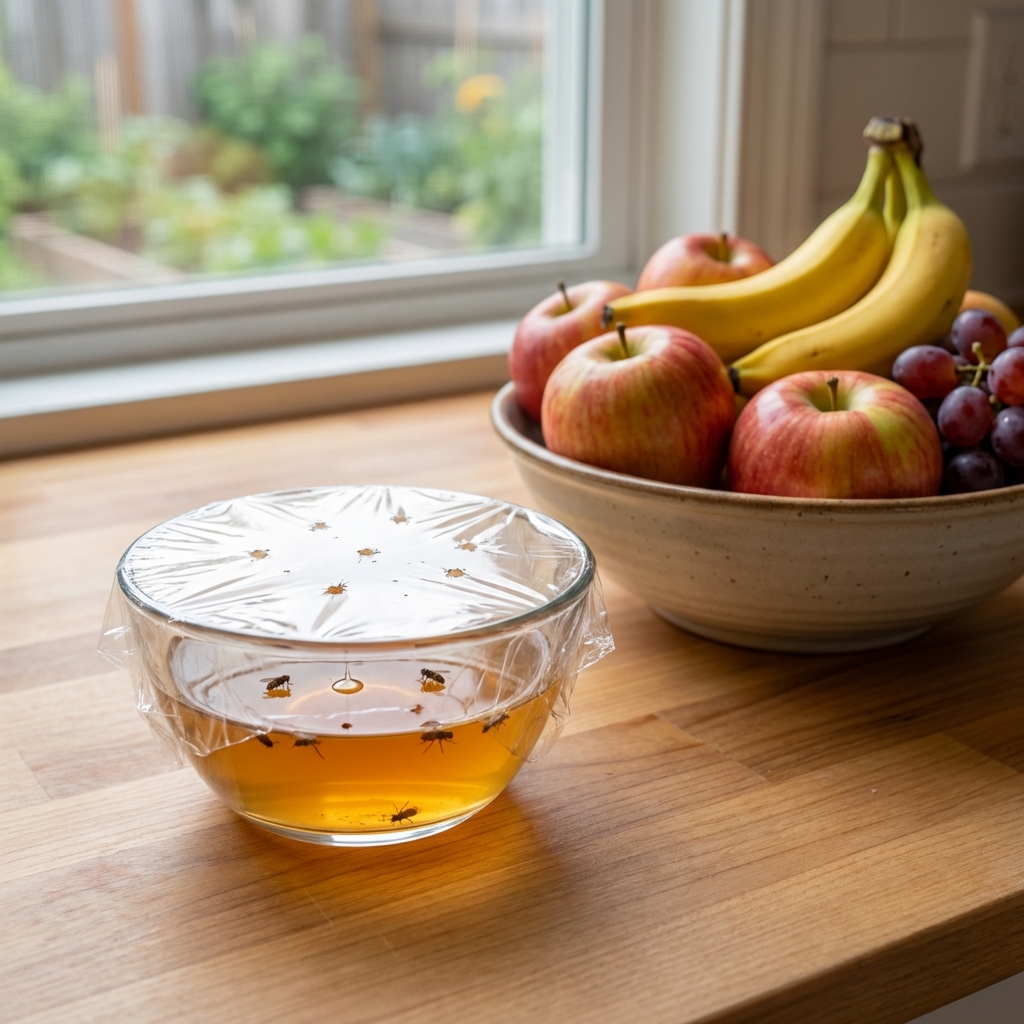
- Set a simple vinegar trap: In a small cup, add apple cider vinegar plus a drop of dish soap. Cover with plastic wrap and poke a few small holes if needed.
If you removed the breeding source, you will often see improvement within 24 to 72 hours. Full control can take 1 to 2 weeks if new adults are still emerging from a missed spot.
Drain flies: scrub the slime, do not just deodorize
For drain flies, you have to remove the biofilm inside the pipe. Hot water helps, but it is usually not sufficient on its own because it does not scrub.
- Brush the drain: Use a drain brush to scrub inside the pipe as far as you can reach.
- Clean the garbage disposal: Lift the rubber splash guard and scrub underneath. This is a common hidden breeding zone.
- Flush with hot water: After scrubbing, run hot water for a minute. Use caution with boiling water if you have PVC plumbing.
- Baking soda and vinegar can help: Use it after scrubbing, not instead of scrubbing. Let it foam, then flush with hot water. Do not mix vinegar with bleach.
- Keep seldom-used drains wet: If you have a floor drain, pour a little water in weekly so the trap does not dry out.
If drain flies persist after thorough cleaning for a week, you may have a deeper plumbing issue or a leak holding organic material. That is when it is worth calling a pro.
Phorid flies: treat like a sanitation and plumbing clue
Phorid flies can overlap with drain issues, but they are more likely to point to something hidden: a leak, broken seal, rotting organic material in a wall void, or a problem further down the line. If you see the classic “running” behavior, take a slightly wider approach.
- Start with the basics: Do the same drain and disposal scrub steps above, plus a full trash and recycling cleanout.
- Hunt for a hidden source: Check under appliances, under sink cabinets, pet food areas, mop buckets, and any damp cardboard or rags.
- Check for moisture: Look for soft cabinet bottoms, dampness around toilet bases, and any ongoing leak smell.
- When to call help: If they persist after a week of sanitation and drain cleaning, or you notice sewer odor or recurring backups, a plumber may need to inspect for a leak or sewer line issue.
Simple plan to get rid of gnats fast
Day 1: Identify and remove the source
- See gnats around plants? Stop watering and check saucers.
- See gnats around fruit and trash? Remove ripening produce and clean trash and recycling.
- See gnats near sinks? Scrub drains and the disposal splash guard.
- See gnats running on counters? Add a hidden-source check (under appliances, leaks, damp areas).
Days 2 to 7: Add targeted control
- Plants: sticky traps plus BTI water cycle
- Kitchens: vinegar trap plus daily wipe-downs
- Drains: nightly scrub and flush for a few days
Week 2: Prevention habits
- Water houseplants only when they need it, not by the calendar
- Quarantine new plants for a week and monitor the soil surface
- Store ripe fruit in the fridge during warm months
- Rinse recycling, especially sweet or fermented containers
- Once a week, flush and rinse problem drains
Why gnats keep coming back
If you have repeated gnat flare-ups, one of these is usually happening:
- You are killing adults but not larvae: Traps catch flyers, but wet soil or drain biofilm keeps producing more.
- There is a hidden source: A potato bag in the pantry, a forgotten onion, a damp rag under the sink, or a leak.
- Potting soil stays wet: Some mixes hold water too long indoors, especially in low light or cool rooms.
- Multiple sources at once: Overwatered plants plus a dirty drain can keep the population going.
When to consider stronger help
Natural solutions are usually enough for common gnat issues. Consider professional help if:
- You see gnats coming from wall voids, vents, or around baseboards
- You have persistent drain flies with sewer odor or frequent backups
- You suspect a plumbing leak under floors or behind cabinets
In those cases, the source may be out of reach, and fixing the moisture problem is what ends the infestation.
Quick FAQ
Do gnats mean my house is dirty?
Not necessarily. Gnats can breed in very small amounts of moisture and organic residue. A clean home can still have a gnat issue if a plant is overwatered or a drain has buildup.
Will bleach kill drain gnats?
It can kill some insects on contact, but it often does not remove the biofilm they live in. Scrubbing the drain walls is the key step. Also, never mix bleach with vinegar or other acids.
How long does it take to get rid of fungus gnats?
If you dry the soil surface and treat larvae, you usually see a big drop in 1 to 2 weeks. Sticky traps help you notice progress faster.
Are gnats harmful?
They are mostly a nuisance. Fungus gnats can stress seedlings and very small plants if larvae populations get high, but adult gnats do not bite.

Jose Brito
I’m Jose Britto, the writer behind The Country Store Farm Website. I share practical, down-to-earth gardening advice for home growers—whether you’re starting your first raised bed, troubleshooting pests, improving soil, or figuring out what to plant next. My focus is simple: clear tips you can actually use, realistic expectations, and methods that work in real backyards (not just in perfect conditions). If you like straightforward guidance and learning as you go, you’re in the right place.