If you have a handful of tiny, red, intensely itchy bumps that seemed to show up after being in tall grass, woods, or a weedy garden bed, chiggers are high on the suspect list. The tricky part is you almost never see the bug. What you notice is the rash pattern and the itch that ramps up fast.
This guide walks you through what chigger bites typically look like, where they show up, how they differ from other common bites, and what actually helps at home. It also covers yard and garden steps that reduce chigger hangouts without turning your outdoor space into a chemical zone.
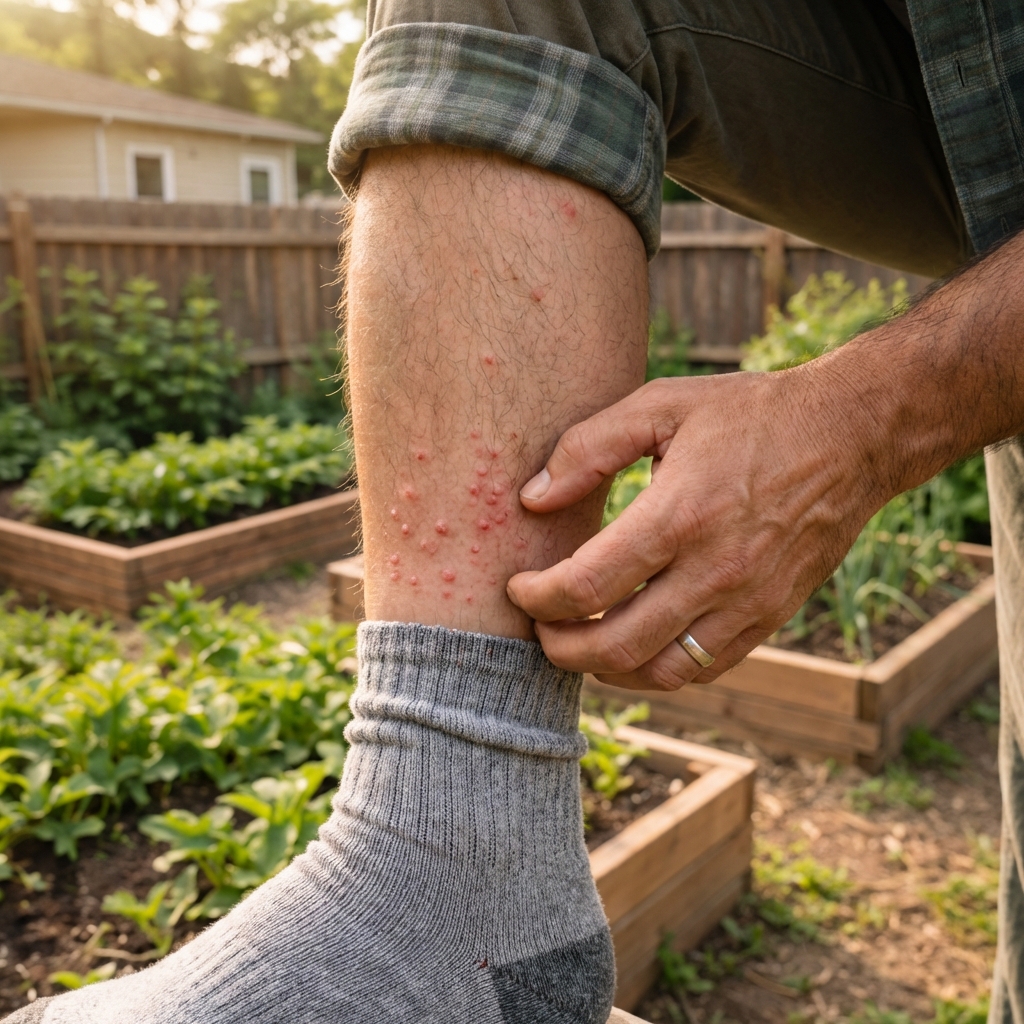
What chigger bites usually look like
Chigger bites tend to look like small red bumps that show up in clusters or a tight patch, often with a little redness around them. A few details that are common:
- Size: usually pinhead to a few millimeters across, sometimes swelling larger if you scratch.
- Color: red or pink bumps. On some skin tones they may look more purple, brown, or darker red.
- Texture: slightly raised bumps, sometimes like tiny pimples or welts.
- Pattern: many people get several bites close together rather than one isolated bump.
- Center dot: you may see a tiny dot in the middle, but not always.
The biggest giveaway is not just the look. It is the itch intensity.
How chigger bites feel
Most people describe chigger bites as intensely itchy, often worse than mosquitoes. The itch can ramp up hours after exposure and can keep flaring for days.
- Timing: itching often starts within a few hours, sometimes later the same day.
- Duration: mild cases improve in a few days, but itching can linger 1 to 2 weeks, especially if the skin is irritated from scratching.
- Scratching effect: scratching can make the bumps swell and can lead to scabs, redness, and even infection.
Important note: chiggers do not burrow into your skin and live there. The bite reaction is from the way they feed and how your skin responds, not from them staying attached long-term.
Where chigger bites show up
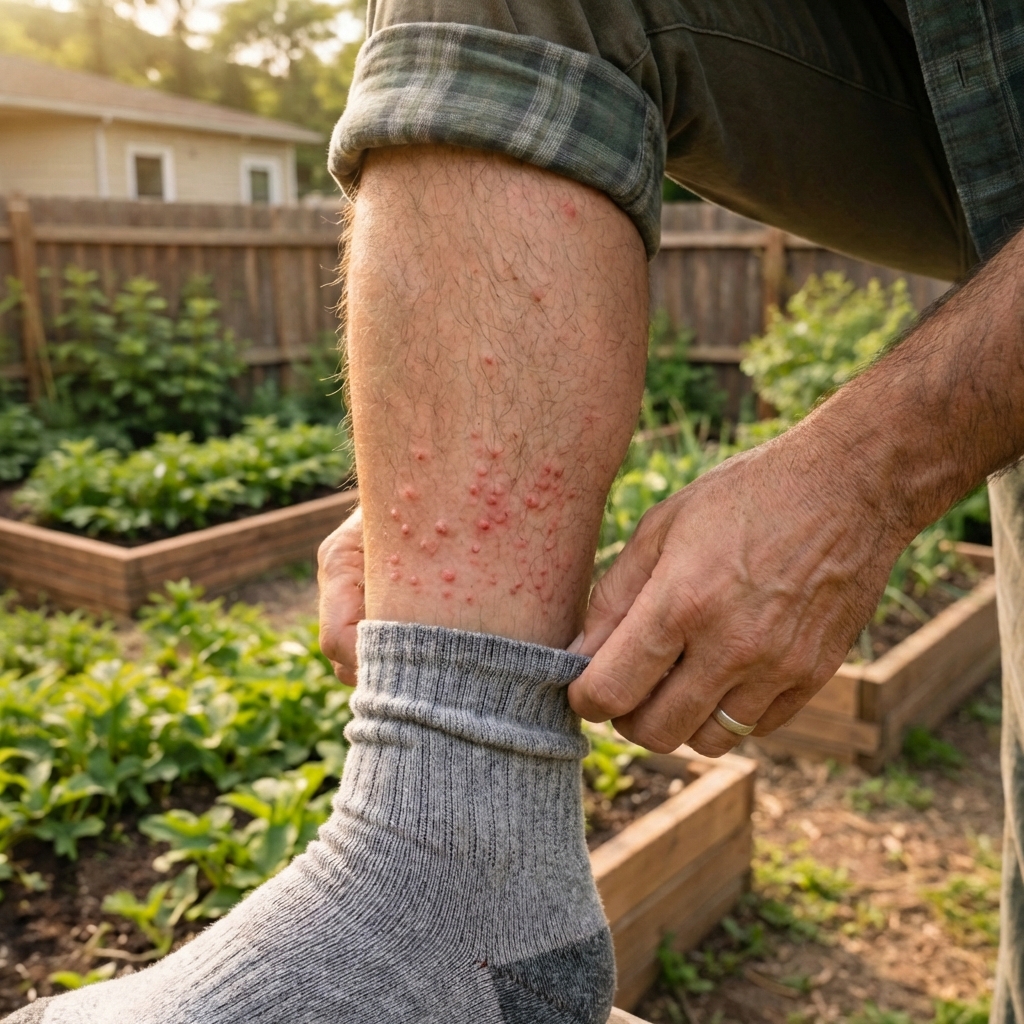
Chiggers love spots where clothing fits snugly or where skin is thin and warm. That is why the bite pattern often lines up with what you were wearing outside.
Most common locations
- Around sock lines and ankles
- Behind knees
- Waistband area and lower belly
- Groin area
- Under bra lines or tight straps
- Armpits
If you came in from the yard and later notice a ring or band of itchy bumps right where your socks end or where your waistband sits, that is classic.
Typical timeline
Everyone reacts a little differently, but this is a common progression:
- First 0 to 6 hours: you may not notice anything, or you may feel mild tingling.
- 6 to 24 hours: bumps appear, itching gets stronger.
- Days 2 to 4: peak itch for many people. Bumps may look more inflamed from scratching.
- Days 5 to 14: bumps flatten, itch slowly fades. Scabs can linger if you scratched a lot.
How to tell similar bites apart
Because the bites are tiny, it is easy to confuse them with mosquitoes, fleas, bed bugs, or even plant irritation. Here are some practical clues.
Chigger vs mosquito
- Mosquito: often a single or a few larger, puffy welts that show up quickly.
- Chigger: smaller bumps in clusters, often around tight clothing lines, itch can be more relentless.
Chigger vs flea
- Flea: often on ankles and lower legs, but commonly in small groups of 2 to 3, sometimes with a puncture point.
- Chigger: can be similar on legs, but the waistband and behind-knee areas are more typical, especially after walking through tall grass.
Chigger vs bed bug
- Bed bug: bites often appear after sleeping, frequently on exposed skin like arms, neck, and shoulders, sometimes in a line.
- Chigger: strongly tied to outdoor exposure and tight clothing areas.
Chigger vs poison ivy
- Poison ivy or oak: often forms streaks or patches, can blister and ooze, usually from direct plant contact.
- Chigger: bumpier, more dot-like, typically no blistering unless severely irritated.
Quick reality check: there is no perfect at-home test. Most people figure it out based on recent outdoor exposure plus a classic pattern. If you are unsure and the rash is spreading quickly, blistering heavily, or you have swelling in the face or trouble breathing, treat it as urgent and get medical help.
What to do right away
If you were out in tall grass, brush, wooded edges, or weedy garden areas, do this as soon as you can:
- Shower soon with soap and water. It may help rinse off any mites still on your skin and can reduce additional bites or irritation, even if it will not erase bites that already formed.
- Launder clothes promptly. Warm or hot water (if fabric allows) plus a hot dryer cycle helps remove and kill hitchhikers.
- Avoid scratching as best you can. Scratching is what turns a manageable bite into a week-long mess.

How to treat chigger bites
There is no magic cure that makes the bites vanish overnight, but you can reduce itch and inflammation a lot. Focus on calming the skin and keeping it clean.
Itch relief that helps
- Cold compress: 10 minutes on, off, repeat as needed.
- Over-the-counter hydrocortisone cream (1%): apply a thin layer as directed on the label.
- Calamine lotion can help dry and calm itchy spots.
- Oral antihistamine: an OTC option may help with itching, especially at night. Follow label directions and use caution with drowsy formulas.
- Oatmeal bath or gentle fragrance-free moisturizer if skin is irritated.
What not to do
- Do not dig at the center trying to remove a bug. Chiggers are not sitting in the bump.
- Avoid harsh solvents or home chemicals on skin. They irritate and can make it worse.
- Do not keep reapplying strong products more often than directed.
Watch for infection
See a clinician if you notice any of these:
- Increasing redness spreading outward
- Warmth, swelling, or worsening pain
- Pus or yellow crusting
- Fever
When to see a doctor
Most chigger bites can be handled at home, but it is worth getting checked if:
- The itching is severe and not improving after a few days of OTC care
- You have widespread swelling or hives
- You develop signs of skin infection
- You have a weakened immune system or significant medical conditions and the rash is extensive
Location matters, too. In the U.S., chiggers are not known for commonly spreading disease, but in some parts of the world chigger bites can transmit infections (for example, scrub typhus). If you are traveling or live outside the U.S. and develop fever, headache, or a worsening illness after bites, get medical advice.
Where chiggers live
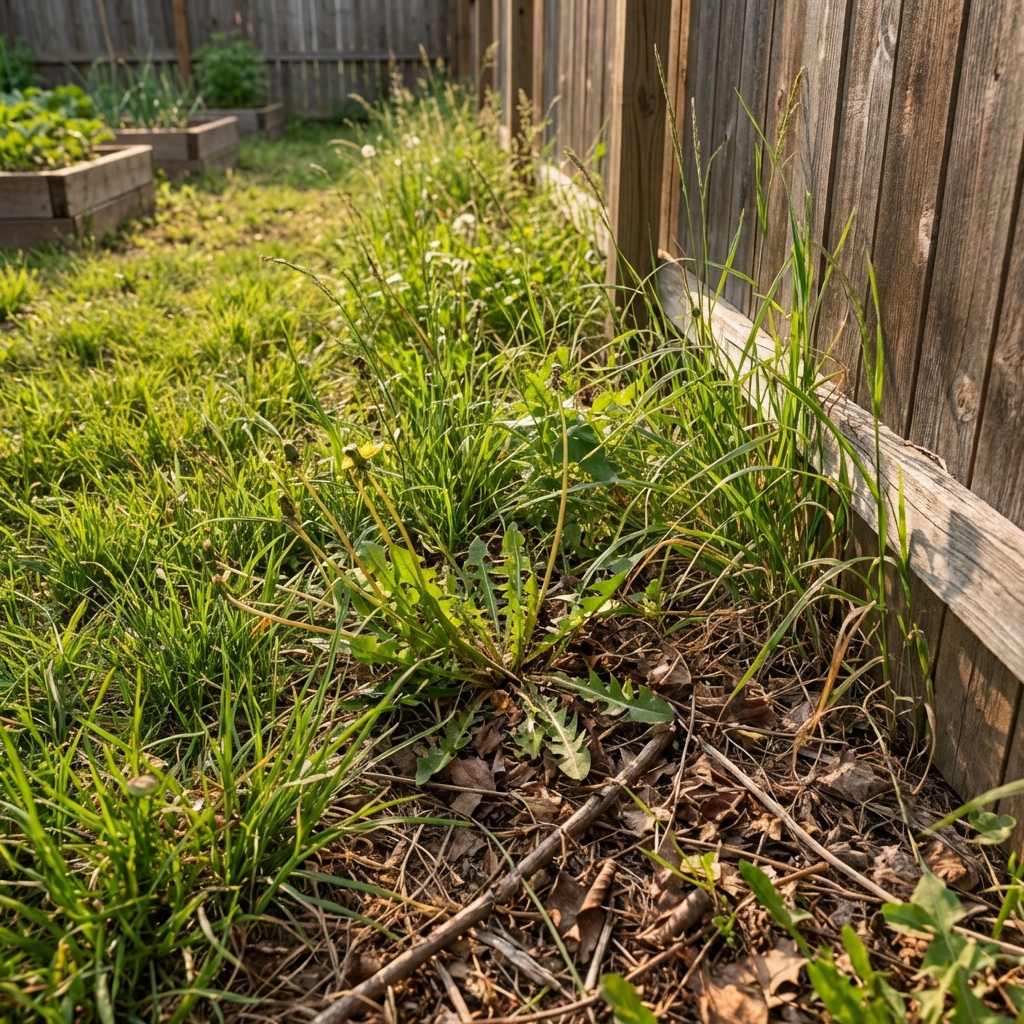
Chiggers are tiny mite larvae that thrive in humid, overgrown areas. In real backyards, their favorite spots tend to be:
- Tall grass and unmowed edges
- Weedy fence lines
- Brushy borders and wood lines
- Leaf litter and dense groundcover
- Moist shaded spots that stay damp
They are generally less common in the middle of a short, sunny lawn. The transition zones are what get you, like stepping off a mower path into taller growth to pull weeds.
How to prevent chigger bites
Prevention comes down to two things: reduce contact with the areas they like, and block them when you have to go in.
Clothing and personal protection
- Wear long pants and closed-toe shoes in tall grass or brush.
- Tuck pants into socks if you are working in weedy areas. It looks goofy but it works.
- Choose light colors so you can spot ticks and other hitchhikers more easily.
- Use a repellent labeled for chiggers and follow the label. Many people use products with DEET or picaridin on skin. Permethrin-treated clothing can be helpful for pants and socks (permethrin is for clothing, not skin). Keep permethrin away from cats while it is wet, and always use it as directed.
Yard and garden habits
- Mow and edge regularly, especially along fences, sheds, and tree lines.
- Clear weeds and brush in the spots you walk through.
- Rake up heavy leaf litter in high-traffic areas.
- Create a simple buffer path with mulch, gravel, or a mowed strip between woods edges and play or seating areas.
- Avoid sitting directly on the ground in suspect areas. Use a chair or a thick blanket.
If you are considering pesticide treatments for the yard, start with cleanup first. In many backyards, trimming the wild edges and changing where you walk solves most of the problem.
Quick self-check
- You were in tall grass, weeds, or brush, then bumps appeared later
- Bites are clustered, not just one or two
- They are worst around sock lines, waistbands, behind knees, or tight straps
- The itch is intense and keeps flaring for days
If all four are true, chiggers are a very reasonable guess.
FAQ
Can you see chiggers on your skin?
Usually no. They are extremely small. Most people never see them and only notice the bites later.
Do chigger bites spread?
The bites themselves do not spread person-to-person. What can spread is the irritation from scratching or a larger skin reaction if you had many exposures across different areas.
How long do chigger bites last?
Many people feel better within a week, but itching can last up to 2 weeks. Keeping the bites clean and limiting scratching makes a big difference in how long they linger.
Do chiggers live in beds or homes?
Chiggers generally come from outdoor areas. They are not typically an indoor infestation pest like bed bugs.
Bottom line
Chigger bites are usually small, clustered red bumps with an itch that feels out of proportion to how tiny the bumps look. The location matters: sock lines, waistbands, and behind knees are classic. Calm the itch early, avoid scratching, wash clothes promptly, and tighten up the overgrown edges of your yard to cut down on repeat bites.

Jose Brito
I’m Jose Britto, the writer behind The Country Store Farm Website. I share practical, down-to-earth gardening advice for home growers—whether you’re starting your first raised bed, troubleshooting pests, improving soil, or figuring out what to plant next. My focus is simple: clear tips you can actually use, realistic expectations, and methods that work in real backyards (not just in perfect conditions). If you like straightforward guidance and learning as you go, you’re in the right place.