Bed bug bites are tricky because they can look like a lot of other bites, and some people do not react at all. Also, bites alone are not a diagnosis. The good news is you can usually narrow it down quickly by looking at pattern, timing, and where the marks show up, then backing it up with a simple room check. Once you confirm, the most effective organic approach is not a single spray. It is a short list of repeatable steps that rely on heat, steam, cleaning, sealing, and desiccating dusts.
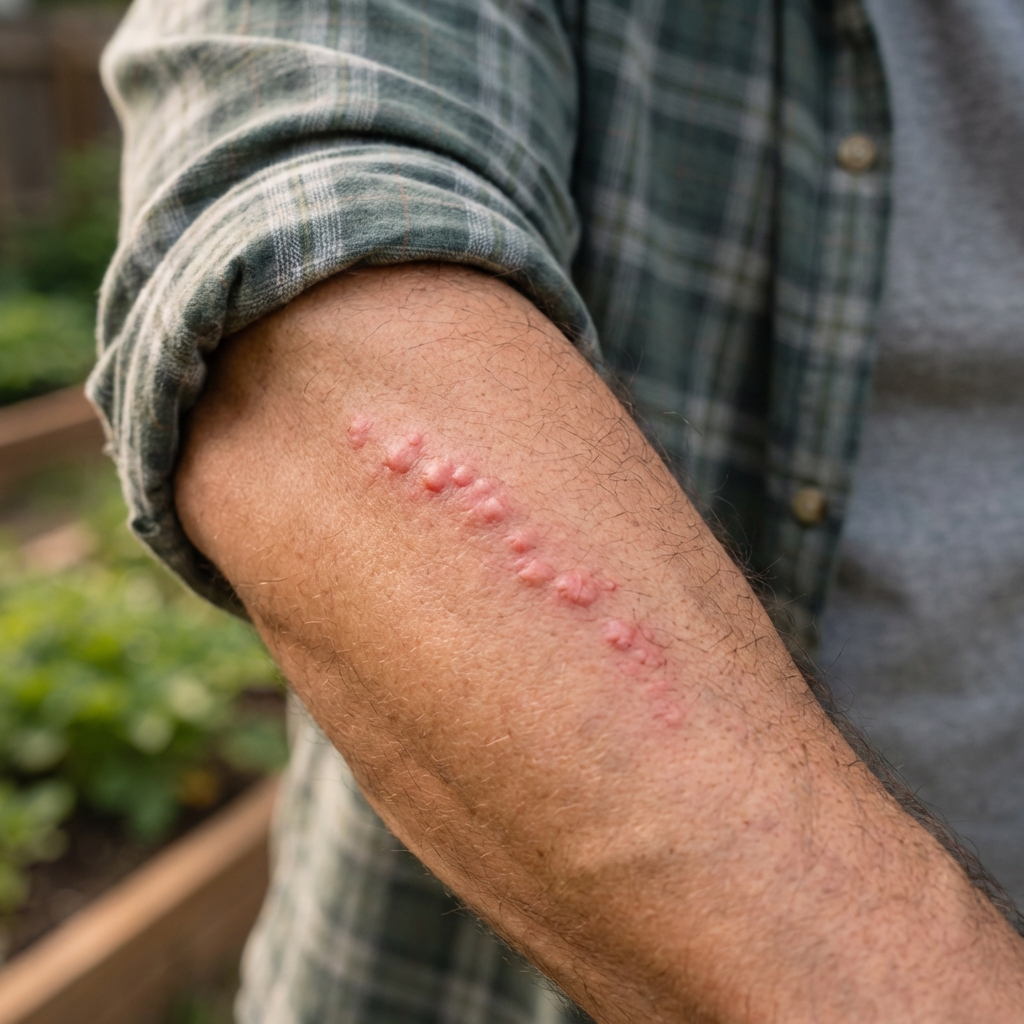
What bed bug bites usually look like
Most bed bug bites show up as small, itchy red bumps or welts. They can be flat or raised. On some people they look like hives. On others they look like tiny pimples with a darker center. On some people, there are no visible marks at all.
Common bite patterns
- Clusters: several bites in a small area.
- Lines or zigzags: 3 to 5 bites that follow a short trail, often called “breakfast, lunch, dinner.”
- Scattered but concentrated: random-looking bites, but mostly on exposed skin.
Common locations on the body
Bed bugs feed at night and usually bite skin that is easy to reach.
- Arms and shoulders
- Neck and upper back
- Face and hairline (less common, but it happens)
- Lower legs and feet (also common, especially if your feet are outside the blanket)
How long it takes for bites to show up
This part throws people off. Some bites appear within hours. Others show up 1 to 3 days later, and occasionally longer. That delay makes it easy to blame the wrong place or the wrong pest.
Bed bug bites vs other bites
You cannot confirm bed bugs by bites alone, but this comparison helps you decide what to check for next.
Mosquito bites
- Often single or a few random bites
- More common after being outside or near open windows
- Usually larger puffy bumps that come on quickly
Flea bites
- Often on ankles and lower legs
- Small red bumps with a distinct center
- Common if you have pets or wildlife under the house
Chigger bites
- Typically after yard work or walking through tall grass
- Often around sock lines, waistbands, and tight clothing areas
- Intensely itchy, can last a long time
Contact dermatitis or allergic rash
- More likely to be patchy and spread
- Often matches a fabric line, detergent change, or skin product
- May not have distinct “bites”
Reality check: If two people sleep in the same bed and only one has marks, bed bugs are still possible. Reactions vary a lot. Also, if you find bed bugs but you have no marks, that is still normal.
How to confirm bed bugs (fast, no gimmicks)
If you suspect bed bugs, confirm with signs in your sleeping area. Do this in bright light with a flashlight.
Where to look first
- Mattress seams and piping
- Box spring edges and underside
- Bed frame joints, screw holes, and cracks
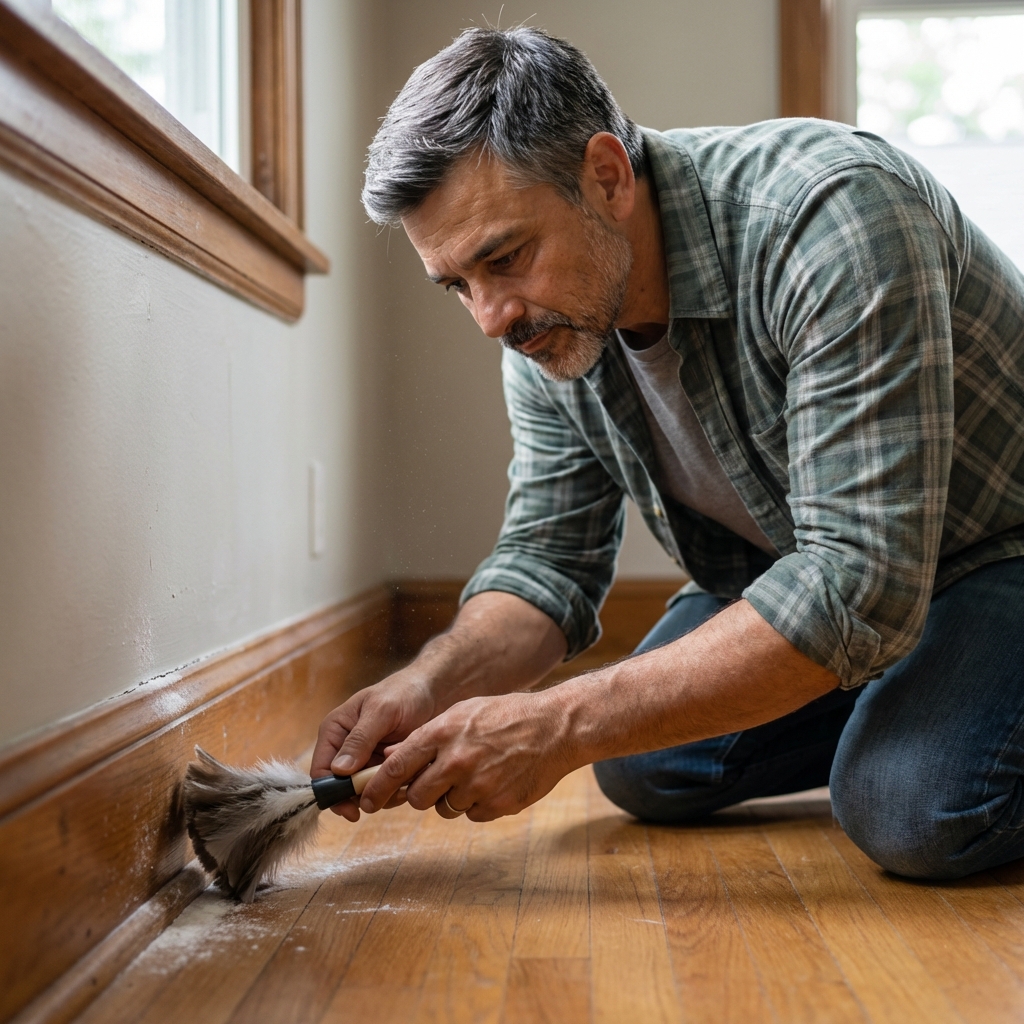
- Behind the headboard and along baseboards
- Couch seams and chair seams (if you nap there or spend a lot of time there)
What you are looking for
- Live bugs: flat, oval, reddish-brown adults about the size of an apple seed
- Shed skins: pale, papery shells
- Dark spots: pepper-like fecal stains on fabric or wood
- Tiny white eggs: in creases and protected corners
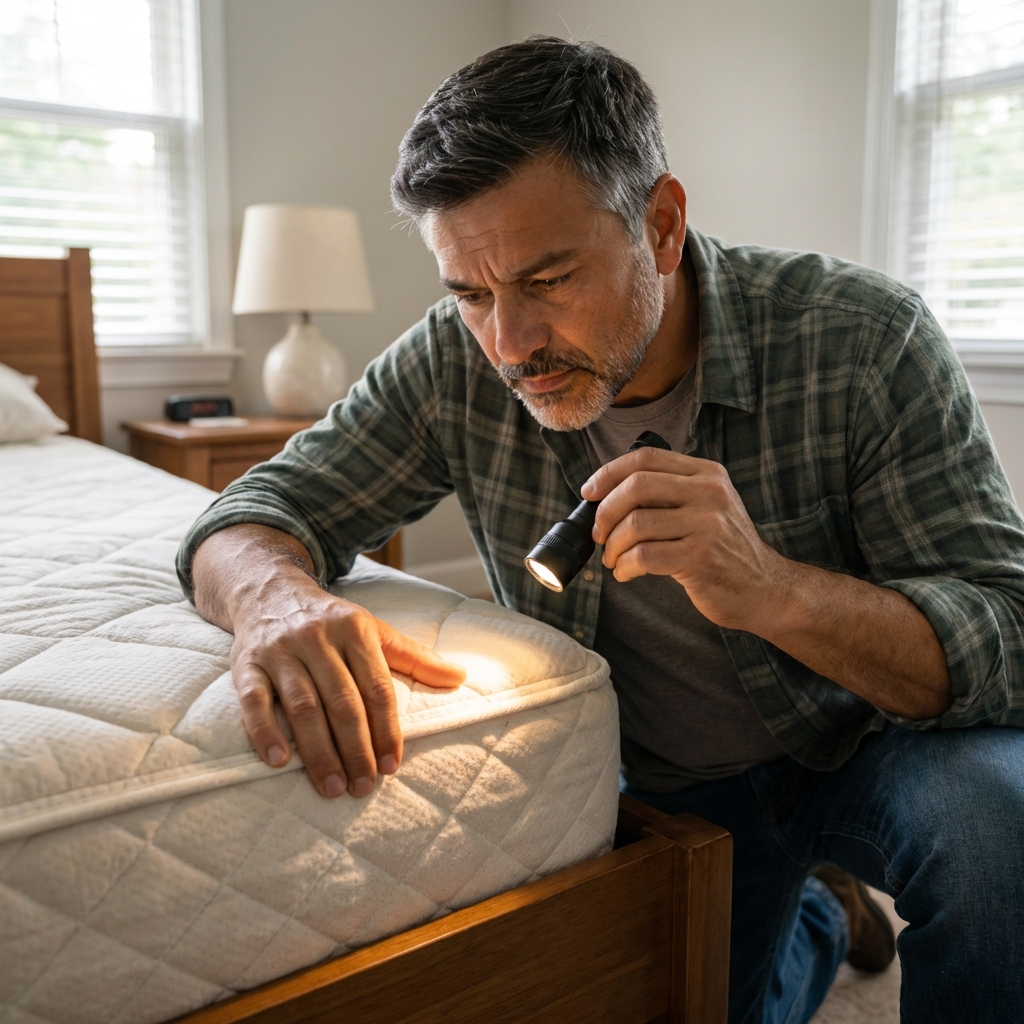
If you find any of these signs, you have enough evidence to act. Waiting usually makes the job harder.
Organic solutions that actually reduce bites
Organic bed bug control works best as a stack. One tactic helps, but multiple tactics together are what breaks the cycle.
1) Heat and laundry (your quickest win)
Heat is one of the most reliable non-chemical tools.
- Bag bedding, pajamas, and nearby clothes.
- Dry on the hottest safe setting for the item, typically 30 to 60 minutes on high heat. The goal is the fabric reaching lethal heat, so thicker items may need more time.
- Follow garment care labels. Drying matters more than washing.
- After drying, store clean items in sealed bags or bins until the room is under control.
If something cannot be dried, seal it and set it aside for later treatment. Time can help, but heat is faster.
2) Steam treatment (best for mattresses and sofas)
A steamer is the go-to organic tool for items you cannot put in a dryer. Done correctly, steam can kill live bugs and eggs on contact.
- Use a steamer that produces continuous steam. Avoid small “spot steamers” that do not hold heat long enough.
- Move slowly along mattress seams, tufts, bed frame joints, couch seams, and baseboard edges.
- Do not blast steam into electrical outlets or electronics.
- Let surfaces dry fully to prevent moisture problems.
If you are trying to treat a sofa organically, steam is what makes it realistic.
3) Vacuum thoroughly (then dispose safely)
Vacuuming removes live bugs and can remove some eggs from seams and cracks. It will not solve the problem alone, but it makes every other step work better.
- Use a crevice tool along mattress seams, bed frame joints, and baseboards.
- Vacuum the perimeter of the room and any upholstered furniture near the bed.
- Immediately empty the canister into a bag, seal it, and take it outside.
4) Mattress and box spring encasements
Use bed bug rated encasements to trap anything inside and remove hiding places on the outside.
- Install on mattress and box spring.
- Keep them on for at least 12 months, and longer if you are still seeing activity. Bed bugs can survive a long time without feeding, and timelines vary by conditions.
5) Interceptors under bed legs
These are small cups that go under each bed leg. They help in two ways: they can reduce bites by making it harder for bugs to reach you, and they prove activity by catching bugs.
Note: Interceptors work best with full bed isolation. If the bed touches the wall, or bedding touches the floor, bugs can bypass them. They also cannot stop bites if bugs are already in the mattress or bed frame, which is why encasements, steam, and vacuuming matter.
6) Seal and simplify (small fixes that matter)
Bed bugs love tight cracks. Your goal is fewer hiding places and easier inspections.
- Reduce clutter around the bed, especially piles of clothes, bags, and cardboard.
- Seal gaps along baseboards and trim with caulk.
- Repair peeling wallpaper and tighten loose outlet covers.
- Keep belongings in sealed bins while you treat.
7) Silica gel or diatomaceous earth (carefully)
Desiccant dusts work by drying out the insect. They are not a quick overnight fix, but they can be highly effective when used correctly.
- Buy a pesticide-registered product labeled for indoor bed bug use. Many people prefer amorphous silica gel (ASG) dust (for example, products like CimeXa) for performance.
- Avoid generic “food-grade silica” or unlabeled powders for this purpose. Use what is labeled for indoor pest control and follow the label.
- Apply a thin, barely visible layer in cracks and crevices, not thick piles.
- Keep dust out of the air. Avoid applying where kids and pets can contact it.
Important: “Natural” does not mean harmless to breathe. Wear a well-fitting mask during application and follow the label. Do not overapply.
Organic sprays: what helps and what to skip
Sprays can play a role, but they are usually a support tool, not the main plan.
Better options
- Soap-based contact sprays: can kill on contact if you hit the bug directly.
- Plant oil based products labeled for bed bugs: some can help with exposed bugs, but results vary.
What to be careful with
- Essential oils: they smell strong, can irritate skin and lungs, and rarely solve an infestation.
- Rubbing alcohol: flammable and not reliable enough to be worth the risk.
- Foggers or “bug bombs”: widely ineffective for bed bugs and may cause them to scatter into new hiding spots.
Stop getting bitten while you treat
This is the part most people need immediately. You want fewer bites tonight, not just a cleaner room next week.
- Pull the bed away from the wall and keep bedding from touching the floor.
- Use interceptors under bed legs.
- Keep the bed “isolated”. Do not store items under it.
- Sleep in the bed if you can. Moving to the couch often spreads bed bugs to a new area.
Prevent reintroduction
Even a good cleanup can fail if bed bugs keep getting reintroduced.
- Be careful with used mattresses, bed frames, couches, and nightstands. Inspect seams, joints, and screw holes before bringing anything inside.
- After travel, unpack in a hard-floor area, dry travel clothes on high heat, and inspect luggage seams and pockets.
- If you live in a multi-unit building, talk to management early. Bed bugs can move between units through walls and hallways.
Simple weekly routine (15 to 30 minutes)
Consistency beats intensity here. Do a short routine weekly for at least 6 to 8 weeks, longer if interceptors still catch bugs.
- Strip bedding and run a hot dry cycle on the hottest safe setting.
- Steam and vacuum mattress seams, bed frame, sofa seams, and baseboards.
- Check interceptors and record what you find.
- Reapply desiccant dust only if it got wet, cleaned away, or covered up.
When to call a professional
If bites continue and you are seeing live bugs weekly, it is time to consider a pro, especially if you live in a multi-unit building where bugs can travel between apartments.
- Ask about heat treatment or an IPM plan (integrated pest management).
- Make sure they provide preparation steps and follow-up visits.
Health notes and bite care
Most bed bug bites are a skin irritation issue, but scratching can lead to infection.
- Wash with mild soap and water.
- Use a cold compress for itching.
- Consider an over-the-counter anti-itch option if needed.
Seek medical advice right away if you have signs of a severe allergic reaction, spreading redness, pus, fever, or significant swelling.
Quick checklist
- Bites often show up in clusters or lines on exposed skin, but some people do not react.
- Confirm with mattress seams, dark spots, shed skins, eggs, and interceptors.
- Best organic combo: high heat drying + steam + vacuuming + encasements + interceptors + ASG silica dust.
- Interceptors help most when the bed is fully isolated.
- Avoid risky shortcuts like alcohol sprays and foggers.

Jose Brito
I’m Jose Britto, the writer behind The Country Store Farm Website. I share practical, down-to-earth gardening advice for home growers—whether you’re starting your first raised bed, troubleshooting pests, improving soil, or figuring out what to plant next. My focus is simple: clear tips you can actually use, realistic expectations, and methods that work in real backyards (not just in perfect conditions). If you like straightforward guidance and learning as you go, you’re in the right place.