Crows are classic opportunists. In the wild they eat whatever is easiest to find that day, and in neighborhoods they quickly learn where the reliable snacks are. If you have ever watched one soak a crust of bread in water or stash food for later, you already know they are not just “birds” in the background. They are problem-solvers.
This guide breaks down what crows like to eat, how their diet changes through the year, and how to feed them responsibly if you choose to.
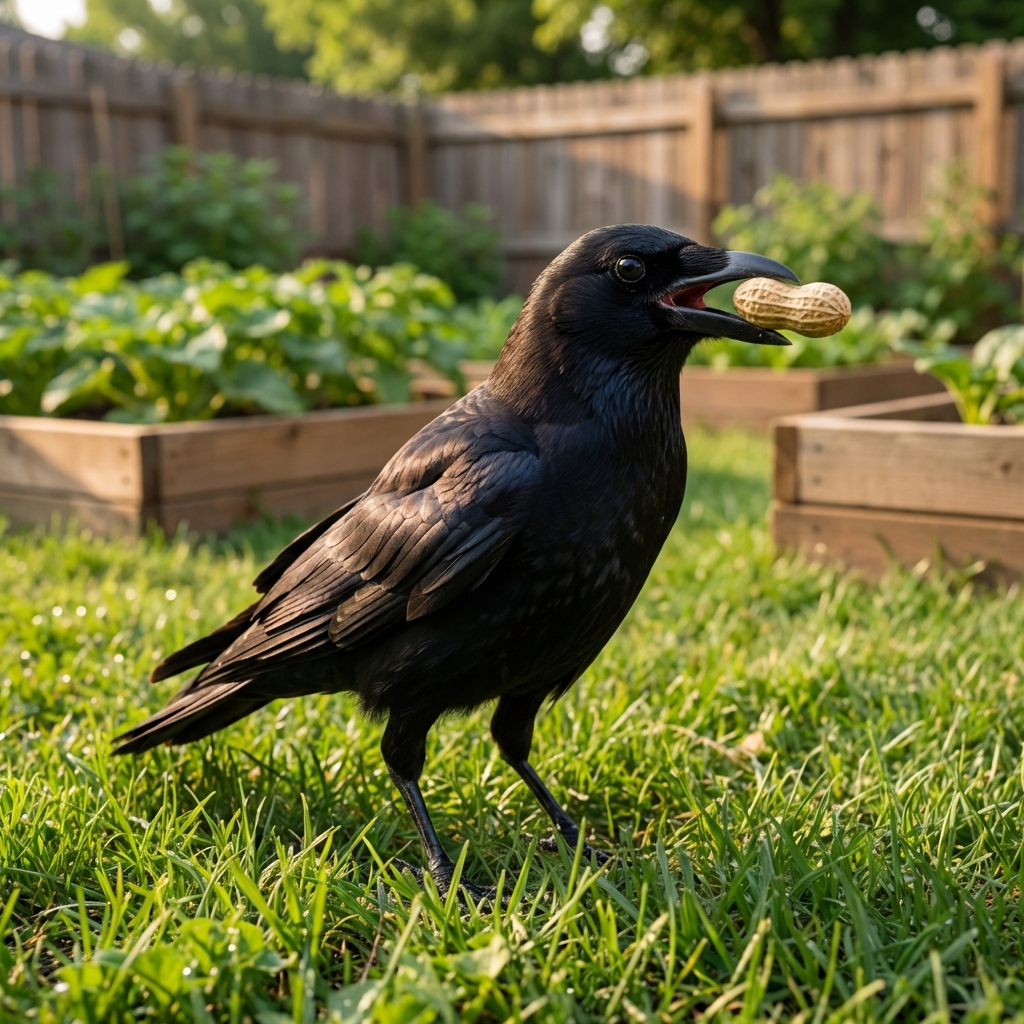
Quick answer: crow favorites
If you want the short list, crows tend to go for high-calorie, easy-to-carry foods. In most backyards, these are the top favorites:
- Unsalted peanuts (in the shell or shelled)
- Other unsalted nuts like walnuts or almonds
- High-quality dry kibble (plain dog or cat food)
- Eggs (hard-boiled or plain scrambled)
- Plain meat scraps and suet in small amounts
- Fruit like grapes, berries, and apple pieces
- Insects and grubs they find while foraging
They will also eat plenty of things they find on their own, including seeds, small animals, and carrion (more on that below).
What crows eat in the wild
A crow’s natural diet is best described as “whatever works.” That includes plant foods, animal protein, and scavenged meals. Their flexibility is a big reason they do well in cities, suburbs, farms, and woodland edges.
Plant foods
- Grains and seeds (corn, wheat, sunflower, millet)
- Nuts (acorns, walnuts, pecans where available)
- Fruit (berries, wild cherries, fallen orchard fruit)
- Vegetable matter (sprouts, tender shoots, garden leftovers)
Animal foods
- Insects (beetles, caterpillars, grasshoppers, larvae)
- Worms and other soil critters exposed after rain or digging
- Small animals (sometimes mice, small reptiles, frogs)
- Eggs and nestlings of other birds (especially when protein needs are high)
- Carrion (roadkill and other dead animals)
That last one is not pretty, but it matters. Crows are part of the cleanup crew in many ecosystems.
Seasonal diet: why it changes
What you see crows eating depends a lot on the season and what is easiest to get. This is also why they may suddenly show up in numbers, then disappear for weeks.
Spring
Spring is nesting season, and protein is a priority. Crows focus more on insects, grubs, worms, and animal foods. They also cache extra food if it is plentiful.
Summer
Insects stay important, but fruit becomes a big deal. If you have mulberries, cherries, blueberries, or grapes, you may see crows sampling them. They will also pick up spilled birdseed.
Fall
Fall is prime time for nuts and grains. Acorns and walnuts are common, and you will often see crows carrying nuts to a quiet spot to stash them.
Winter
Winter is survival mode. Crows lean heavily on calories from nuts, scavenged food, suet, and anything available around people. This is when backyard feeding is most likely to attract them consistently.
Best foods to offer crows
If you decide to feed crows, the goal is simple: offer foods that match what they already eat, keep it clean, and do not create a rodent buffet. The list below is similar to the “quick answer,” but this time the focus is on how to serve it so it is safer and less messy.
1) Unsalted peanuts
Peanuts are easy, inexpensive, and crow-approved. Choose unsalted peanuts that look fresh and smell normal. Skip anything that looks dusty, damp, or moldy. In-shell peanuts give crows something to work on, and you may see them fly off and stash a few.
Tip: During nesting season, shelled peanuts or smaller pieces can be easier for adults to carry off quickly. If you feed whole peanuts, keep portions small.
2) Other unsalted nuts
Walnuts, pecans, and almonds are great too. If you want to reduce scattering, offer fewer, larger pieces. If you want more birds to have a chance, chop nuts into smaller chunks.
3) Dry dog or cat kibble
High-quality dry kibble is a staple for many people who feed crows. It is protein-rich, affordable, and easy to store.
- Choose plain, non-salty kibble without strong flavor coatings if possible
- Offer small handfuls so nothing sits out for hours
- If it is very hard, you can soak it in water for a minute or two first, especially for young birds in spring and summer
4) Eggs for protein
Hard-boiled eggs cut into halves or chunks are a clean option. Scrambled eggs work too as long as they are plain. The big thing to avoid is salt and seasoning. Use little to no added fat.
5) Plain meat scraps or suet
Unseasoned cooked meat bits are fine in small amounts. Suet cakes also work, especially in cold weather. Keep portions small so leftovers do not sit around and attract pests.
6) Fruit pieces
Grapes (halved), berries, apple chunks, and melon pieces can all be taken. Fruit spoils quickly in heat, so offer only what will be eaten that day and remove anything uneaten.
What not to feed crows
Crows will try a lot of things, but that does not mean those foods are good for them or good for your yard. Here are the common problem foods to skip.
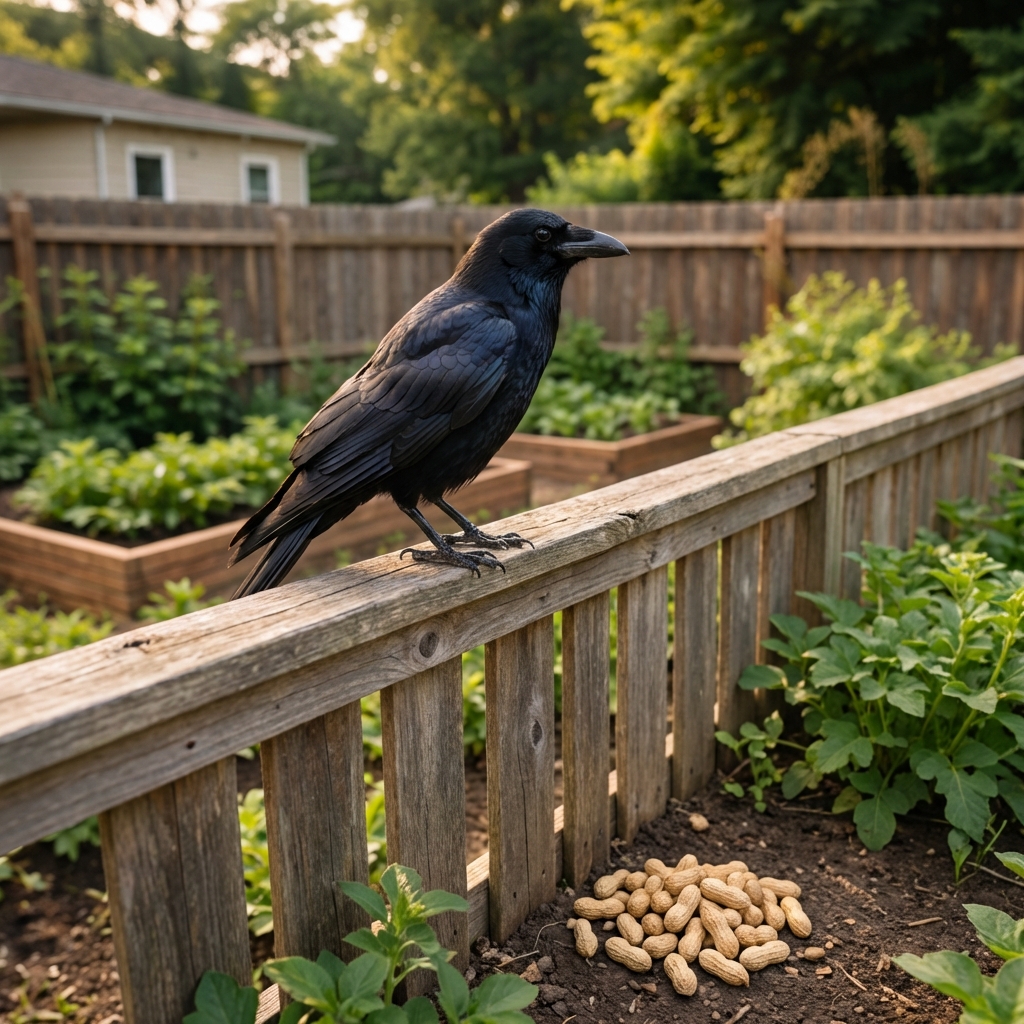
- Salted foods like salted peanuts, chips, crackers, and processed snacks
- Moldy or spoiled food (can make wildlife sick fast)
- Anything sweetened with xylitol (highly toxic to dogs and potentially dangerous to wildlife)
- Chocolate, caffeine, alcohol (avoid completely)
- Greasy or heavily seasoned leftovers (can upset digestion and attracts pests)
- Large amounts of bread (not nutritious, goes stale and moldy, draws rodents)
One more practical note: even “safe” foods can become a problem if you leave piles out daily. It can habituate birds to predictable handouts and it can concentrate them in ways that increase mess and disease risk.
How to feed crows cleanly
If you want to keep things simple and avoid complaints, use a routine that limits leftovers and keeps crows from scattering food everywhere.
Choose a feeding spot
Pick one spot that is easy to clean. A flat area of gravel, a patio corner, or a cleared patch of ground works better than garden beds.
Offer small portions
Put out what they can finish within 30 to 60 minutes. If food remains after that, remove it. This one habit does more to prevent rats than any “magic” food choice.
Feed early
Crows learn schedules. Morning is easiest since nighttime leftovers are what attract rats and raccoons.
Keep it clean
- Rinse off feeding surfaces as needed
- Do not leave raw meat out in warm weather
- Remove shells and scraps that build up
- Store food in a sealed container so you do not feed pests by accident
Hygiene and sick birds
If you notice a bird that looks obviously ill (fluffed up, lethargic, discharge around the eyes, trouble standing), stop feeding for a while and clean the area. Crow gatherings can spread illness when birds are concentrated in one spot.
Provide water
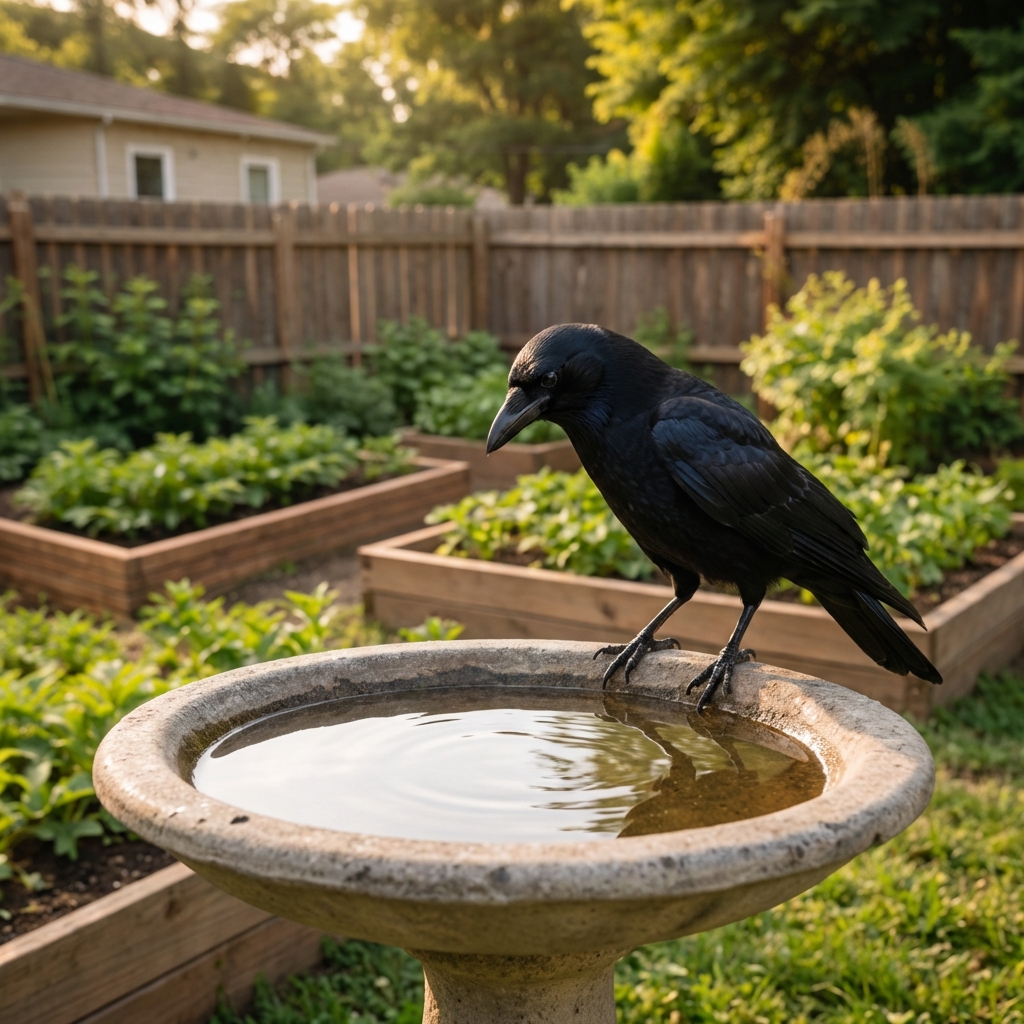
A shallow birdbath or a low pan of fresh water can be just as attractive as food. Change it regularly.
Do crows help the garden?
In real backyards, the answer is usually “both,” and it depends on what you are growing and what time of year it is.
Ways crows can help
- Pest control: they eat grubs, beetles, caterpillars, and other insects
- Cleanup: they pick at fallen fruit and organic scraps
Ways crows can cause trouble
- Seed and seedling damage: especially corn, peas, and newly planted rows
- Fruit sampling: berries and soft fruit can get pecked
- Digging and pulling: they may tug mulch or poke around for grubs
If crows are bothering a specific bed, lightweight bird netting over hoops is usually the most reliable fix. For seedlings, row cover fabric can also help until plants are established.
FAQ
Will crows eat from a bird feeder?
Yes, especially platform feeders or tray feeders. Many standard tube feeders are too small for them, but they will happily clean up spillage below.
Do crows eat mice and rats?
Crows can eat small rodents, but they are not dependable rodent control. If your yard has easy food sources (pet food outside, open compost, spilled birdseed), you will still need to address those directly.
Is it legal to feed crows?
Rules vary by city and county. In the US, crows are protected under the Migratory Bird Treaty Act, and local nuisance or wildlife-feeding ordinances may apply. If you are unsure, check local regulations before making it a routine.
What is the safest “go-to” crow food?
Unsalted peanuts, plain hard-boiled egg pieces, and small amounts of soaked dry kibble are three of the easiest, cleanest options for most backyards.
Takeaway
Crows like a wide range of foods, but they tend to prefer calorie-dense options like unsalted nuts, eggs, plain kibble, and small meat scraps, plus whatever insects and fruit they can forage. If you feed them, keep portions small, keep the area clean, and skip salty or processed foods. You will get the fun of watching clever birds up close without turning your yard into a mess.

Jose Brito
I’m Jose Britto, the writer behind The Country Store Farm Website. I share practical, down-to-earth gardening advice for home growers—whether you’re starting your first raised bed, troubleshooting pests, improving soil, or figuring out what to plant next. My focus is simple: clear tips you can actually use, realistic expectations, and methods that work in real backyards (not just in perfect conditions). If you like straightforward guidance and learning as you go, you’re in the right place.