Foxes are opportunistic. In a garden setting, they eat what is easiest to find, safest to grab, and a high reward for the effort. That can mean rodents in the compost area one night and fallen fruit under your tree the next.
The good news is that fox behavior is usually pretty consistent. Once you know what attracts them, a few targeted changes can often cut down visits quickly, without turning your backyard into a prison yard. Results can vary during denning season, in food-scarce periods, or where foxes have become habituated.
Quick note: This guide focuses on the most common patterns seen with red foxes and similar species around homes. Diet and behavior can vary by region and species (for example, urban vs rural areas).
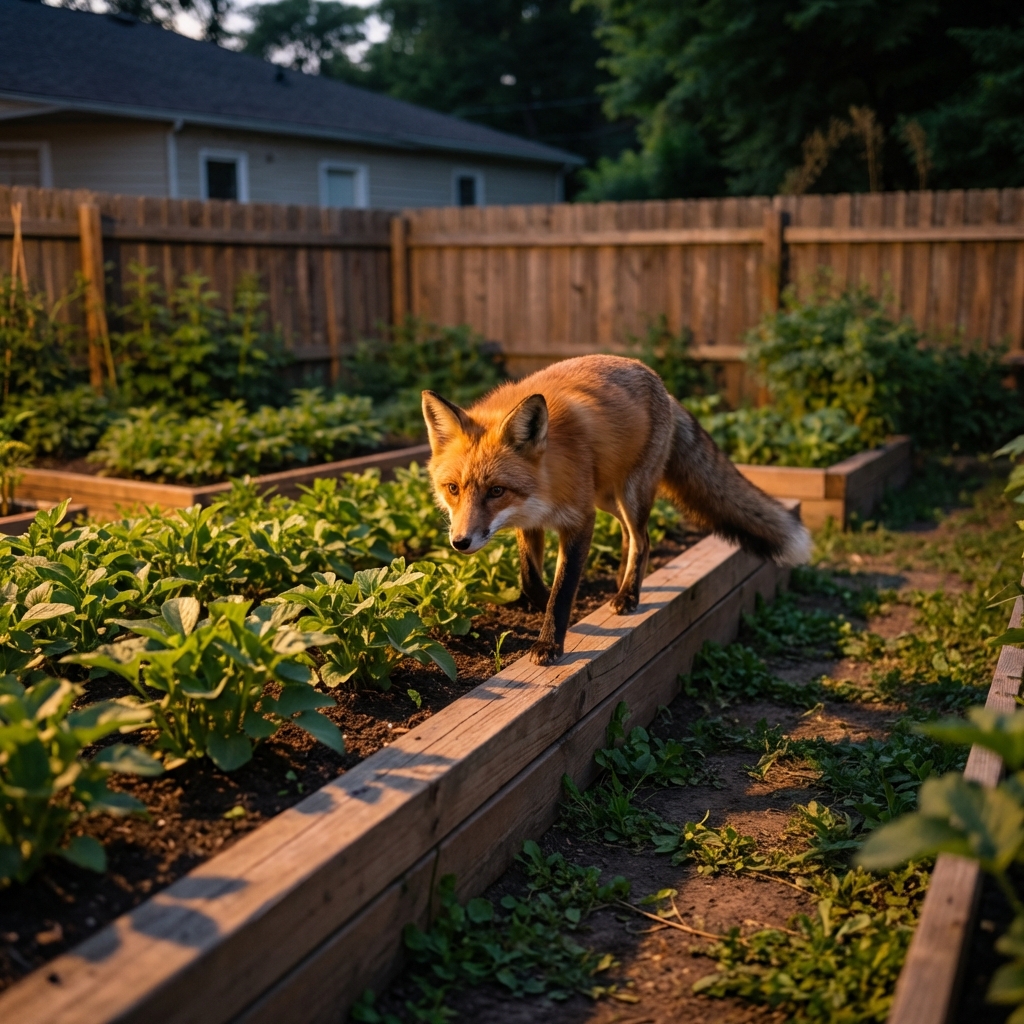
Quick answer: what foxes like to eat
Foxes are omnivores. In and around home gardens, their diet commonly includes:
- Small mammals like mice, rats, voles, and rabbits
- Birds and eggs, especially ground-nesting birds and backyard poultry if accessible
- Insects and worms such as beetles, grubs, crickets, and earthworms
- Fruit like berries, fallen apples, pears, plums, grapes, and melons
- Human-related food like pet food, spilled birdseed, compost scraps, and unsecured trash
- Occasional scavenged meat like carrion or leftovers
If you only remember one thing, remember this: foxes follow easy food. Remove the easy food and most fox problems calm down.
How foxes decide what to eat
Foxes hunt with their ears and nose, and they are excellent at noticing patterns. If they find food in the same spot twice, they will check that spot again. In a garden, that usually means they establish a regular route or patrol.
What makes a yard fox-friendly
- Reliable calories: chicken feed, compost scraps, fallen fruit, outdoor pet food
- Cover: shrubs, woodpiles, tall grass, dense hedges, under-deck gaps
- Low disturbance: quiet nights, little lighting, few barriers
Foxes do not usually want a fight. They want a quick meal and an easy exit.
Common fox foods in gardens
1) Rodents (mice, rats, voles)
This is a big one. Many foxes show up because your yard has a rodent problem, not because they want your vegetables.
Foxes hunt along fence lines, compost areas, sheds, and anywhere there is spilled seed or thick groundcover.
- Where it happens: under bird feeders, around compost piles, near sheds, under raised beds with voids
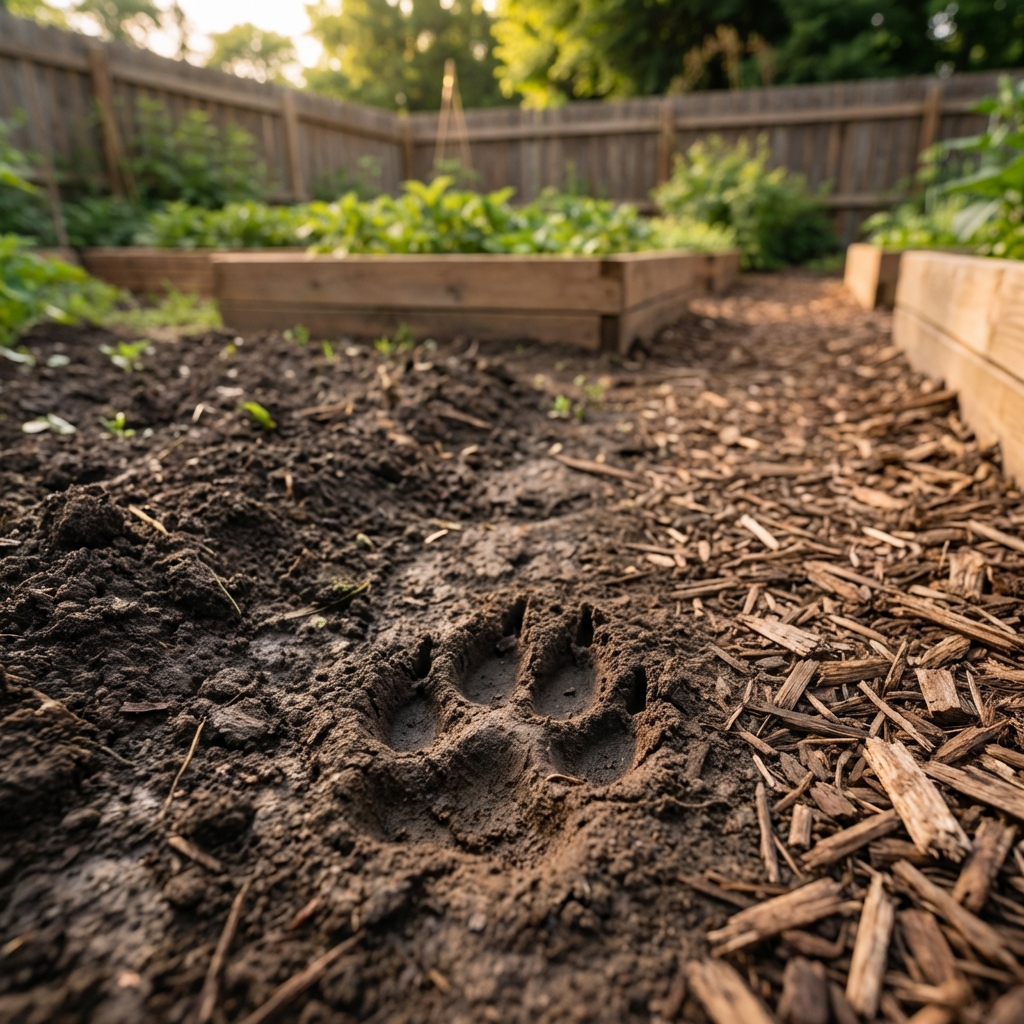
- What you may notice: small dug spots, disturbed mulch, fox tracks in soft soil
2) Insects, grubs, and earthworms
After rain or irrigation, worms come up and grubs are easier to reach. Foxes will dig shallow holes in lawns and beds to get at them.
- Where it happens: irrigated lawns, new garden beds, mulched paths
- What you may notice: scattered small holes, rolled turf edges, disturbed mulch (these signs can overlap with skunks and raccoons, too)
3) Fallen fruit and berries
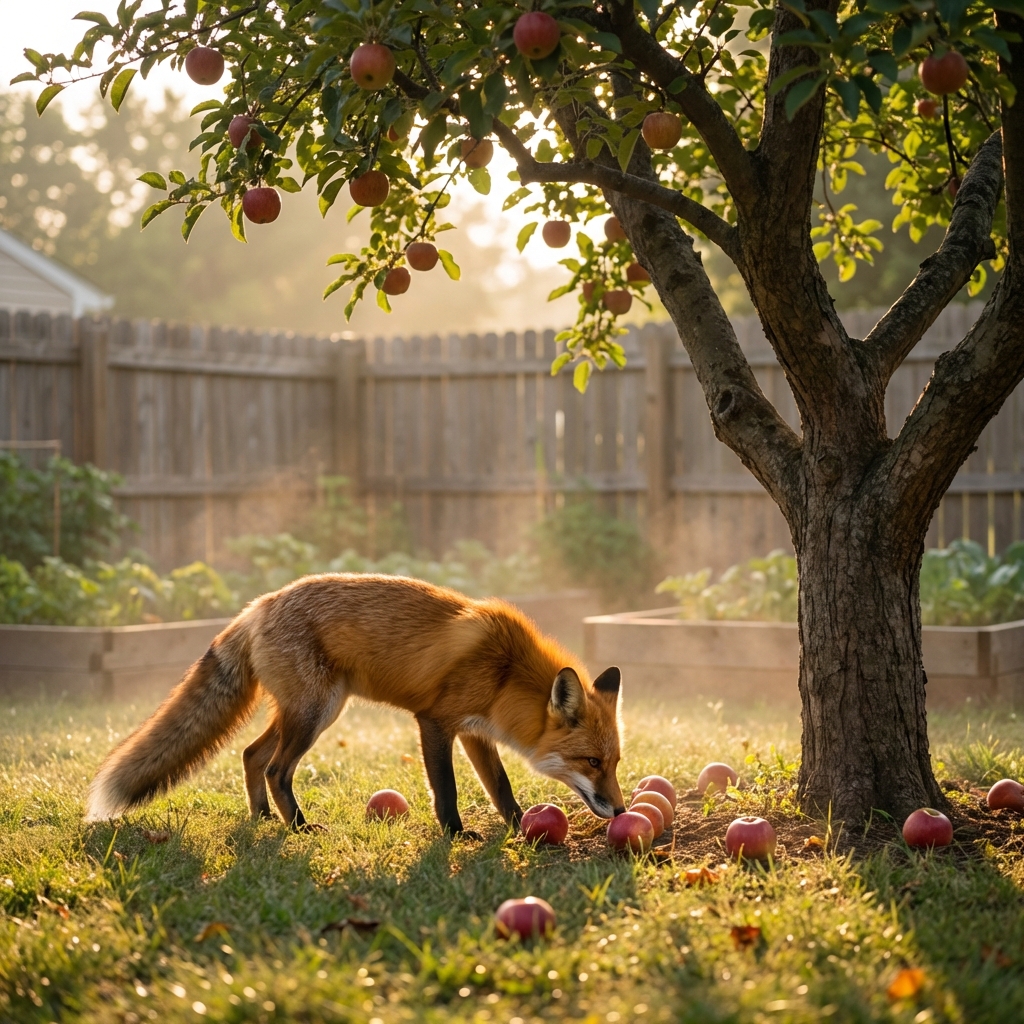
Foxes will eat sweet fruit, especially when it is already on the ground. Windfall fruit is basically a free buffet.
- Where it happens: under apple, pear, or plum trees, around berry patches, near compost where fruit scraps are tossed
- What you may notice: missing fallen fruit overnight, small droppings with seeds
4) Backyard poultry, eggs, and feed
If you keep chickens, ducks, or quail, foxes are more than a curiosity. They can be persistent once they learn there is food behind a fence.
- What attracts them: the animals, eggs, spilled grain, rodents drawn to the feed
- When risk is highest: dawn and dusk, and during spring when adults are feeding young
5) Pet food and garbage
Outdoor pet bowls, torn trash bags, and greasy food containers are strong scent cues. Foxes are excellent scavengers.
- Where it happens: patios, decks, open garages, bins without tight lids
- What you may notice: knocked-over bins, dragged wrappers, paw prints around containers
6) Birdseed and what birdseed brings
Foxes do not live on birdseed, but they will absolutely show up for the rodents and birds that bird feeders attract. Spilled seed is a rodent magnet, and rodents are a fox magnet.
- Where it happens: under feeders, around seed storage areas
- Easy fix: seed catch trays, cleaner feeding habits, and rodent-proof storage
Do foxes eat vegetables?
Sometimes, but it is usually not the main draw. Foxes may nibble soft produce like:
- Strawberries
- Tomatoes (especially fallen or overripe)
- Melons
- Sweet corn (less common than raccoons, but possible)
If you are seeing heavy damage to leafy greens or neat bites on beans, that is more often rabbits, groundhogs, or deer. Fox damage in beds tends to look like digging or scattered disturbance while hunting insects or rodents.
Signs a fox is feeding in your garden
- Tracks: narrow, oval paw prints in mud or soft soil (often in a straight line)
- Droppings: twisted, tapered ends, sometimes with berries, seeds, fur, or feathers
- Shallow digging: small holes in lawn or beds looking for grubs and worms
- Regular routes: repeated movement along the same fence line or hedge
- Missing fruit: windfalls disappearing overnight
Garden how-to: reduce fox visits
You do not need to do everything on this list. Start with the steps that remove the easiest food sources. That is where you get the biggest payoff.
Step 1: Clean up easy calories
- Pick up fallen fruit daily during peak drop.
- Bring pet food indoors, especially at night.
- Secure trash with tight lids or inside a shed or garage.
- Stop tossing meat, fish, grease, or dairy into open compost.
Step 2: Fix the compost
Compost itself is not always the target. What it attracts is. Rodents move in for scraps, and foxes follow.
- Use a lidded bin or enclosed system.
- Keep scraps buried in the center of the pile, not on top.
- Add browns (leaves, straw, shredded cardboard) to reduce smell.
- Consider hardware cloth under the bin if rodents are tunneling up.
Step 3: Make bird feeding less messy
- Use seed catchers or switch to no-mess seed if rodents are an issue.
- Move feeders away from dense cover where foxes can approach unseen.
- Store seed in a metal container with a tight lid.
Step 4: Protect poultry
If you have chickens, focus on denying entry rather than trying to scare foxes off.
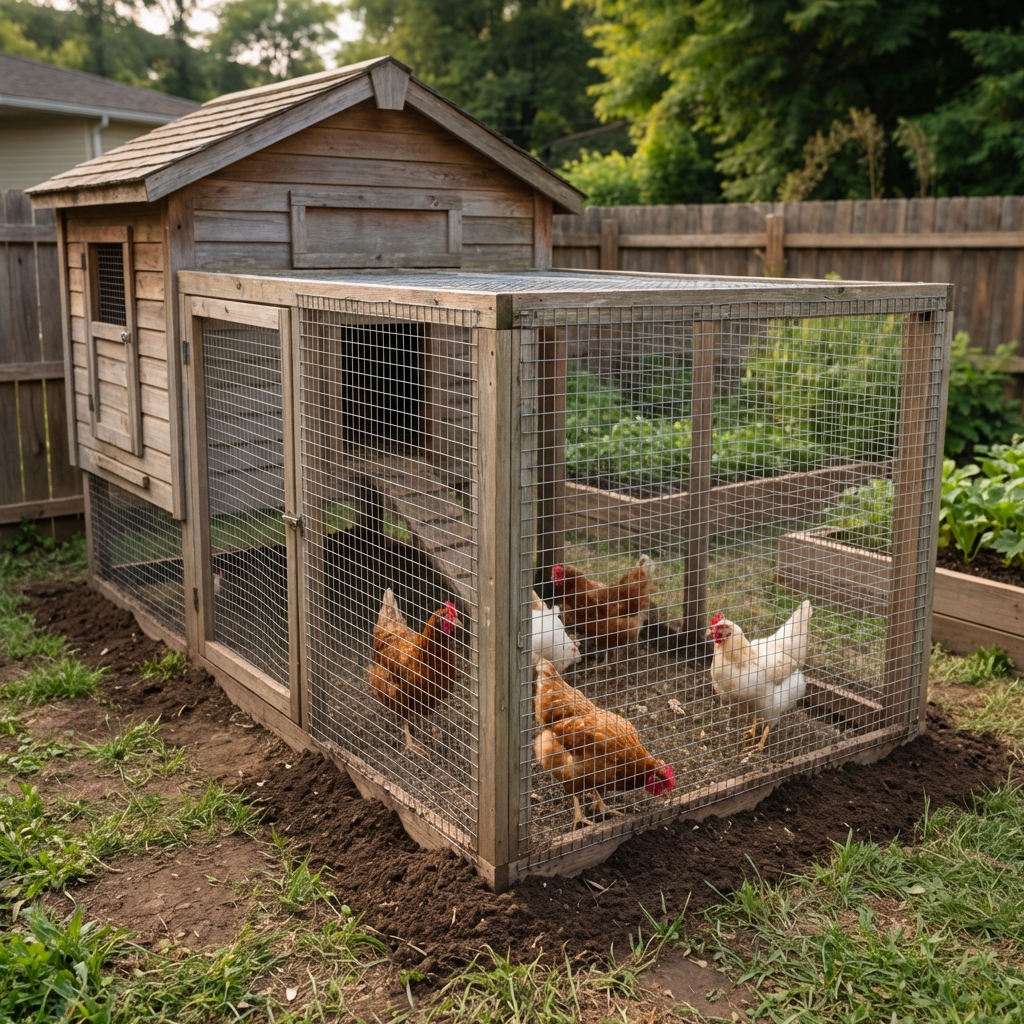
- Use 1/2-inch hardware cloth, not chicken wire, for predator protection.
- Cover vents and gaps and secure latches. Foxes will test weak doors.
- Prevent digging with a hardware cloth apron (12 to 18 inches outward) or bury fencing about 12 inches down.
- Lock birds up before dusk. Dawn and dusk are high activity periods.
Step 5: Reduce hiding spots near beds
- Trim dense shrubs along fences.
- Raise woodpiles off the ground or relocate them.
- Keep grass and weeds cut back along edges.
- Block access under decks and sheds with hardware cloth.
Step 6: Use fencing where it matters
Foxes can scramble over some fences and squeeze through surprisingly small gaps, so a short, decorative garden fence is usually not the fix. Use barriers around the high-value target.
- For poultry: strong, enclosed run with a top.
- For small areas: sturdy fencing paired with a secure gate and no gaps at the bottom.
Step 7: Keep small pets safe
If you have small pets outdoors (rabbits, guinea pigs) or small dogs and cats that go outside, supervise them at dawn and dusk and avoid leaving them out overnight. Bring pet food in after meals.
What not to do
- Do not leave food out for foxes. It trains them to visit and can increase bold behavior.
- Do not rely on smells alone (like random repellents) as your only strategy. They may work briefly, then the fox adjusts.
- Do not assume daytime foxes are automatically sick. In many areas, foxes move during the day too, especially while feeding pups. If an animal appears disoriented, excessively aggressive, or unable to walk normally, contact local animal control. Mange is also fairly common in foxes and can look alarming, but it is not the same thing as rabies.
- Do not trap or relocate without checking the rules. Laws and best practices vary widely. In many places, relocation is illegal or ineffective. If you are considering trapping, check local regulations or call a licensed wildlife professional.
If you want foxes around
Some gardeners like having foxes nearby because they can help reduce rodent pressure. The trick is keeping the relationship at pass through instead of move in.
- Keep food sources locked down so they do not become dependent.
- Maintain clear boundaries around poultry and pets.
- Let them do their hunting on the edges, not at your feeder station or compost.
FAQ
Will foxes eat rats in my garden?
Yes. Rats and mice are common prey. If foxes are visiting, it can be a sign rodents are available, often due to spilled birdseed, easy compost access, or unsecured feed.
Do foxes dig up garden beds?
They can. Most digging is shallow and related to hunting grubs, worms, or small mammals. Deep, destructive digging is more often raccoons, skunks, dogs, or groundhogs, depending on your area.
What time do foxes come around?
Often dawn and dusk, but they can be active at night or during the day depending on food, season, and local disturbance.
What is the fastest way to stop fox visits?
Remove easy food: bring in pet food, secure trash, clean up fallen fruit, tidy bird feeding, and tighten compost. If you keep poultry, upgrade the run with hardware cloth and anti-dig protection.
Takeaway
Foxes like to eat what your yard makes easy: rodents, insects, fallen fruit, and any unsecured feed or scraps. Focus on the simple stuff first, especially cleanup and containment. Once the free meals disappear, foxes usually move on to an easier route.
Publish check: The image src fields above are currently blank and should be populated before publishing.

Jose Brito
I’m Jose Britto, the writer behind The Country Store Farm Website. I share practical, down-to-earth gardening advice for home growers—whether you’re starting your first raised bed, troubleshooting pests, improving soil, or figuring out what to plant next. My focus is simple: clear tips you can actually use, realistic expectations, and methods that work in real backyards (not just in perfect conditions). If you like straightforward guidance and learning as you go, you’re in the right place.