Rats are not picky guests. If your garden offers food, water, and safe cover, they can settle in fast, and they rarely come alone.
The good news is they tend to avoid gardens that feel exposed, inconvenient, and higher-risk to forage in. This page walks you through what rats generally avoid and how to use that in a real backyard, not a perfect lab setup.
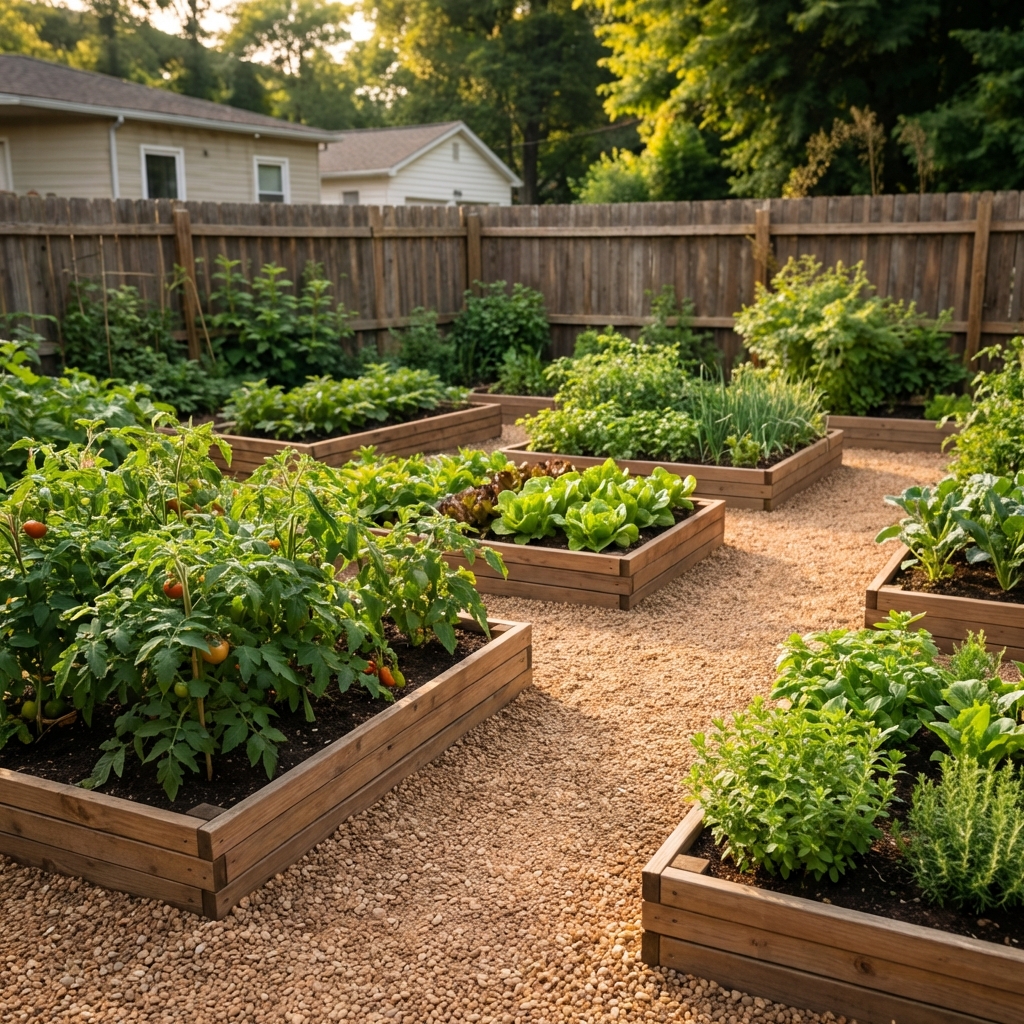
First, make sure it is rats
Before you spend money or start blocking holes, confirm what you are dealing with. Mice, squirrels, and rats have different habits, and the fix is not always the same.
- Droppings: rat droppings are larger than mouse droppings. Mouse droppings look like small grains of rice; rat droppings are longer and thicker.
- Burrow holes: rats often make open holes near edges, under sheds, along fences, or under dense plants. You may also see smooth “runs” through grass or mulch.
- Gnawing: rats leave heavier gnaw marks and can damage thicker plastic, wood, and even soft metals.
- Timing: lots of activity at night is common. Regular daytime activity can signal a larger, established problem.
If you are unsure, treat it like a rodent issue broadly: remove food, reduce cover, and block access. Those steps help either way.
What rats avoid most (the short list)
If you only do a few things, focus here. These are the big levers that decide whether rats stick around.
- No easy food: spilled seed, fallen fruit, accessible compost, and uncovered trash.
- Less safe cover: tall weeds, dense groundcovers, messy shed corners, woodpiles, and clutter.
- Fewer protected routes: rats prefer running along fences, walls, stacked items, and thick hedges.
- Harder burrowing: loose mulch piled against edges, soft soil under sheds, and gaps under slabs.
- Regular disturbance: changing up the space can discourage them because it increases perceived risk. It is not a magic fix, but it can help when paired with cleanup and exclusion.
Scents rats dislike (use them smartly)
Scent deterrents can help as a support tool, not the whole plan. If the buffet is still open, rats often tolerate unpleasant smells. Evidence in real outdoor settings is mixed, so think of these as short-term pressure, not a reliable barrier.
Peppermint oil
Peppermint is one of the most common recommendations. Some people see a brief improvement in small, targeted areas, while others see little change. Outdoors, it fades quickly, especially with rain and irrigation.
- Soak cotton balls and place them in a ventilated container (like a jar with holes) to slow evaporation.
- Refresh every few days, and after rain or heavy watering.
- Do not pour concentrated oil into soil or onto plant foliage.
Predator scent (cat, fox, coyote products)
Predator urine and scent granules can make a route feel riskier, but results are inconsistent in field conditions and usually short-lived. Some products can also attract curiosity from other animals in the yard.
- Use along fence lines and near known runs, not scattered randomly.
- Reapply after rain.
- Avoid placing near areas where pets and kids play.
Strong, irritating smells (ammonia, mothballs): skip these
Ammonia and mothballs get mentioned a lot online. They are not good garden solutions. They can be unsafe around people, pets, and beneficial wildlife, and they are not reliable long-term deterrents outdoors.
Plants rats may avoid (realistic expectations)
Some gardeners report fewer issues around strongly scented herbs, but plants alone will not solve a rat problem. Consider them a helpful edge, not a shield.
- Mint (in pots): strong smell, but mint spreads aggressively in beds. Keep it contained.
- Rosemary: woody, fragrant, and low mess.
- Lavender: strong scent and a drier growth habit.
- Sage and thyme: aromatic ground plants that do not create juicy cover.
Important: dense borders can still create hidden “tunnels.” Keep edges trimmed and airy.
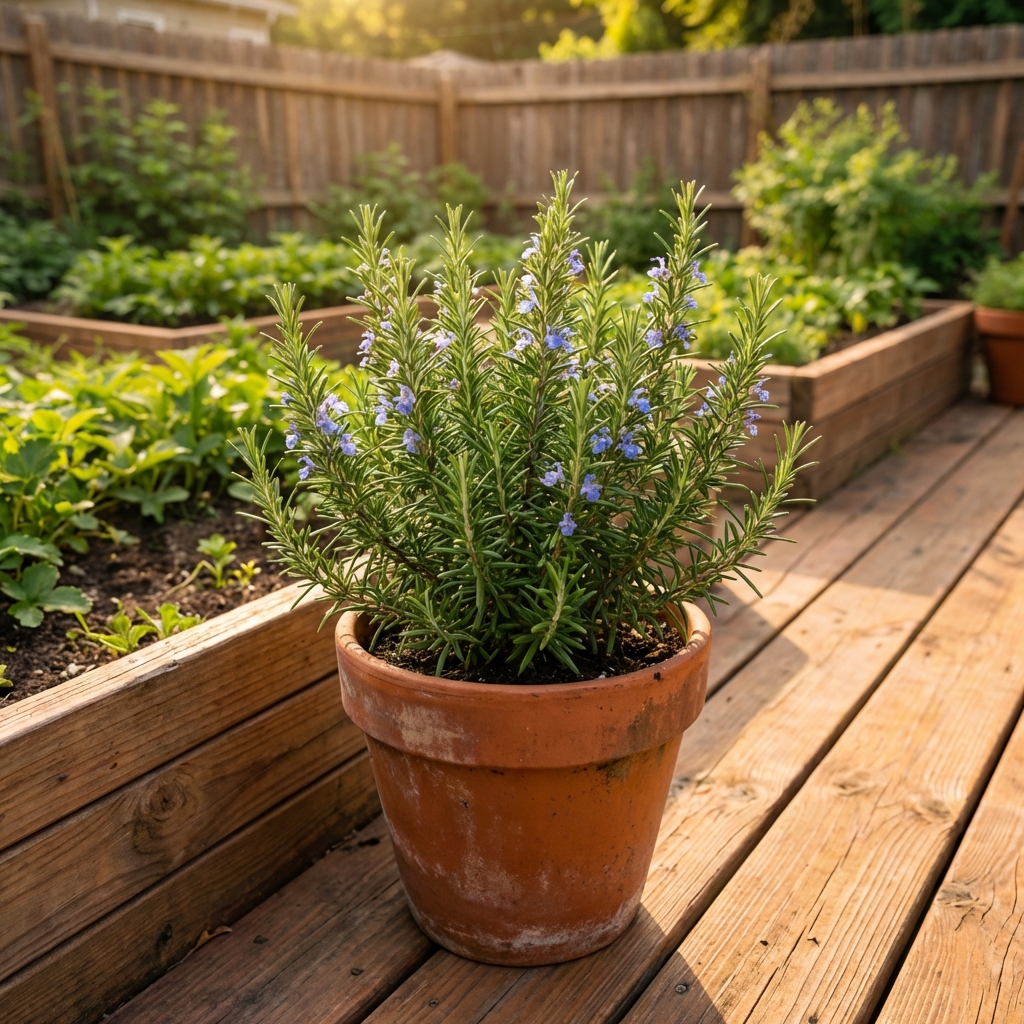
Open, tidy spaces work in your favor
Rats are edge runners. They feel safer when they can move beside cover or under it. A tidy garden makes them feel exposed and easier to spot.
Trim and lift
- Keep grass and weeds short, especially along fences and shed lines.
- Prune shrubs so the bottom 6 to 12 inches are open and airy.
- Thin dense groundcovers near beds so they cannot hide underneath.
Remove hiding clutter
- Store pots, bags of soil, and tools off the ground when possible.
- Keep woodpiles elevated (at least 18 inches off the ground) and away from the house.
- Clean out the dead zone behind the shed where everything gets tossed.
Food control is the fastest win
If you want one practical truth: rats stay where calories are easy. Remove the easy calories and everything else suddenly works better.
Common garden food sources
- Fallen fruit: citrus, stone fruit, apples, figs, and avocado drops.
- Bird seed: spilled under feeders or tossed for chickens.
- Compost: especially food scraps or open piles.
- Pet food: bowls left outside overnight.
- Vegetables on the ground: melons, squash, strawberries, and split tomatoes.
- Trash and grills: loose lids, greasy drip trays, and scraps in outdoor bins.
Quick fixes that matter
- Pick up fallen fruit daily during peak drop.
- Switch bird feeders to catch trays and clean the ground under them, or take feeders down temporarily during an active problem.
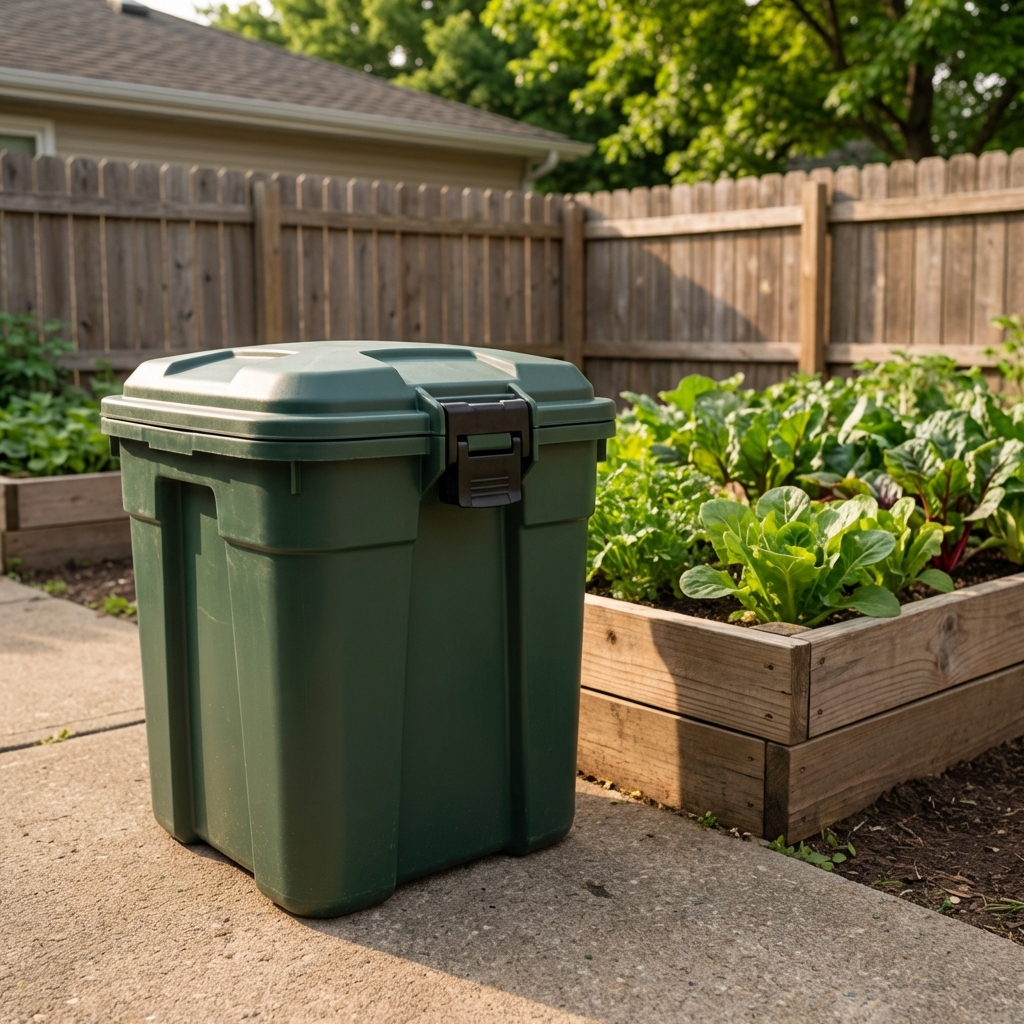
- Use a rodent-resistant compost bin or keep food scraps out of compost until rats are under control.
- Feed pets indoors when possible, and do not leave bowls out overnight.
- Use sturdy trash cans with tight lids (metal is a plus) and keep the area around them clean.
- Harvest ripe produce on schedule and remove damaged produce fast.
Barriers and blocking (what holds up)
Cleanup removes the reward. Exclusion removes the access. Scent fades, but barriers keep working.
Keep rats out of raised beds
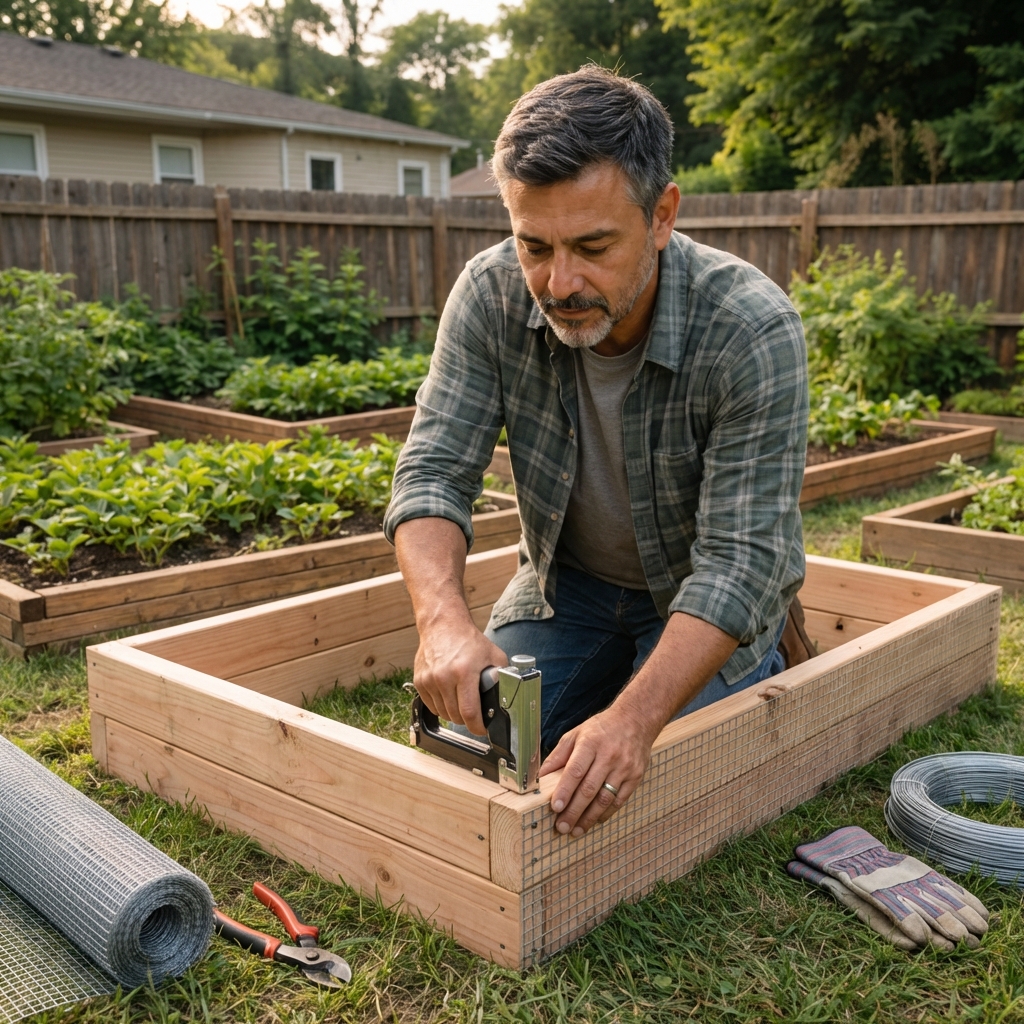
- Attach 1/4-inch hardware cloth to the underside of raised beds before filling. It is more rodent-proof than wider mesh.
- If burrowing is an issue around edges, extend hardware cloth outward like an apron 8 to 12 inches under soil or mulch.
Protect fruit trees and climbing plants
- Use smooth tree guards or sheet metal collars on trunks where rats climb.
- Reduce bridges like stacked pots, boards, or nearby shrubs that let them hop into the canopy.
Close the gaps
Walk your yard at dusk with a flashlight and look for routes. Rats can squeeze through surprisingly small openings, often around the size of a half-dollar (about 1/2 inch) in the right spot.
- Patch holes with hardware cloth and proper fasteners.
- Seal shed gaps and door bottoms.
- Keep compost bins, trash cans, and feed storage tight-lidded and sturdy.
Water and timing (reduce the night buffet)
Rats are most active at night. If your garden is wet and full of fresh scraps overnight, it is basically a restaurant with the lights off.
- Water in the morning when possible so soil surfaces dry a bit by night.
- Fix dripping spigots and leaky irrigation that creates a steady water source.
- Do a quick evening reset during outbreaks: pick fallen fruit, pull damaged veggies, and secure compost access.
Burrows: what to do
If you find burrow holes, treat them as active until proven otherwise.
- Do not just collapse holes and hope for the best: they often reopen, and you can drive rats into a new spot.
- Remove nearby cover and food first: that is what keeps the burrow worth using.
- Confirm activity: lightly cover the hole with loose soil or leaves and check the next day. Reopened means active.
- Then block and harden: once you are actively trapping or after activity drops, fill and reinforce with compacted soil and hardware cloth where practical.
If burrows are near foundations, under slabs, or you are seeing repeated reinfestation, it is often worth calling a professional.
Do ultrasonic devices and noise tricks work?
Sometimes you get a short-term pause, but in many backyards the pattern is the same: rats adapt. If food and cover remain, they push through the annoyance.
- Ultrasonic plug-ins usually do not reach well outdoors.
- Motion sprinklers can help in a small zone if placed correctly, but they are not a whole-yard solution.
- Rotating decoys and novelty deterrents tend to fail once the rats learn they are harmless.
If rats are established: a simple plan
If you are seeing droppings, gnawing, or daytime activity, treat it like an active problem, not a “maybe.” Here is a practical order of operations.
- Remove food sources first: fallen fruit, seed spills, open compost, outdoor pet food, messy trash areas.
- Cut cover and clutter: clear fence lines, shed corners, and thick groundcover near beds.
- Block access points: hardware cloth on holes and gaps, secure lids, protect bed bottoms.
- Trap where legal and safe: place traps along walls and runs, not in the middle of open space.
- Support with scent deterrents: peppermint or predator scents in targeted areas, refreshed often, with realistic expectations.
Trapping basics (quick and practical)
- Use the right tools: quality snap traps are commonly recommended for effectiveness. For safety around kids, pets, and wildlife, use enclosed bait stations or trap boxes designed for snap traps.
- Placement matters: set traps along walls, fences, and known runs where rats travel.
- Use enough traps: one trap rarely fixes an established issue. A small cluster in the problem zone usually works better than a single trap far away.
- Check often: check at least daily and follow local rules for disposal.
Safety note: If you use any trap or bait product, follow local regulations and label directions. Avoid exposed poisons in gardens because of risks to pets, owls, hawks, and other wildlife through secondary poisoning.
Cleaning and hygiene
Rats can spread disease through droppings and urine. Keep it simple and cautious when cleaning.
- Wear gloves. Consider a mask if you are cleaning a dusty, enclosed area.
- Do not dry sweep droppings. Mist with disinfectant and wipe up with paper towels.
- Wash hands and tools afterward.
When to escalate
DIY steps work best early. Bring in pest control or local public health guidance if any of the following are true:
- You see rats regularly during the day.
- Burrows are near foundations, under slabs, or inside structures.
- You keep removing food and blocking gaps, but the problem returns quickly.
- You have pets, small children, or wildlife exposure that makes trapping and exclusion more complicated.
FAQ
Do rats hate vinegar?
Vinegar can smell unpleasant to them, but outdoors it dissipates quickly. It is not a dependable stand-alone deterrent. If you use it, use it for cleaning hard surfaces and pair it with food and cover control.
Do rats hate mothballs?
Mothballs are not a garden solution. They can be harmful and are not meant for open outdoor use.
What smell do rats hate the most?
People often list peppermint and predator scents, but results vary. The most effective “smell” tactic is still removing the smells rats love: ripe fruit, fermenting compost, greasy trash, and spilled seed.
Will keeping a cat in the yard solve it?
A good mouser can help, but it is unpredictable and does not replace cleanup and exclusion. Also consider wildlife impacts if cats roam.
Bottom line
Rats avoid gardens that are boring to eat in and risky to move through. Start with food and cover cleanup, then add barriers and gap sealing. Use scents as a helper, not a crutch. That combination is what makes your yard feel like hard work, and encourages rats to look for easier living elsewhere.

Jose Brito
I’m Jose Britto, the writer behind The Country Store Farm Website. I share practical, down-to-earth gardening advice for home growers—whether you’re starting your first raised bed, troubleshooting pests, improving soil, or figuring out what to plant next. My focus is simple: clear tips you can actually use, realistic expectations, and methods that work in real backyards (not just in perfect conditions). If you like straightforward guidance and learning as you go, you’re in the right place.