When people ask, “What do rats hate the most?” they usually want a quick smell or gadget that makes rats disappear. I get it. But what discourages rats most is simpler and more useful: denying access. No easy food. No cozy shelter. No safe travel routes. No entry holes.
Some scents and disturbances can help in small ways, but they rarely fix a real rat problem on their own. If you want a safe approach that actually works, focus on prevention first, then removal, then long-term maintenance.
What rats “hate” most (the facts)
Rats are cautious survivors. They avoid situations that increase risk. The best solutions use that instinct.
1) Losing easy food access
If rats can eat without being exposed, they stick around. Cutting off easy food reduces pressure and helps prevent reinfestation.
- Secure trash with tight lids and no overflow.
- Remove pet food from porches and garages overnight.
- Use metal or thick plastic bins for bird seed, chicken feed, and compost inputs.
- Clean fallen fruit under trees and pick garden produce promptly.
2) Losing harborage (safe hiding places)
Rats love clutter, stacked wood, dense groundcover, and anything that creates a protected runway.
- Keep vegetation trimmed, especially along foundations and fences.
- Store firewood 12 inches off the ground and away from the house when possible.
- Remove brush piles and clean up clutter in sheds and garages.
3) Being exposed in open areas
Rats prefer to travel along walls, fences, and thick cover. They dislike open spaces where predators can spot them.
- Create a clear strip between plants and your home foundation, such as gravel or a plant-free gap.
- Thin dense groundcover and keep paths clear near structures.
4) Losing entry points and travel routes
This is the big one. Rats can squeeze through surprisingly small gaps. A common rule of thumb is as small as about 1/2 inch for rats (mice can be closer to 1/4 inch). When in doubt, treat any gap you can fit a fingertip into as worth sealing.
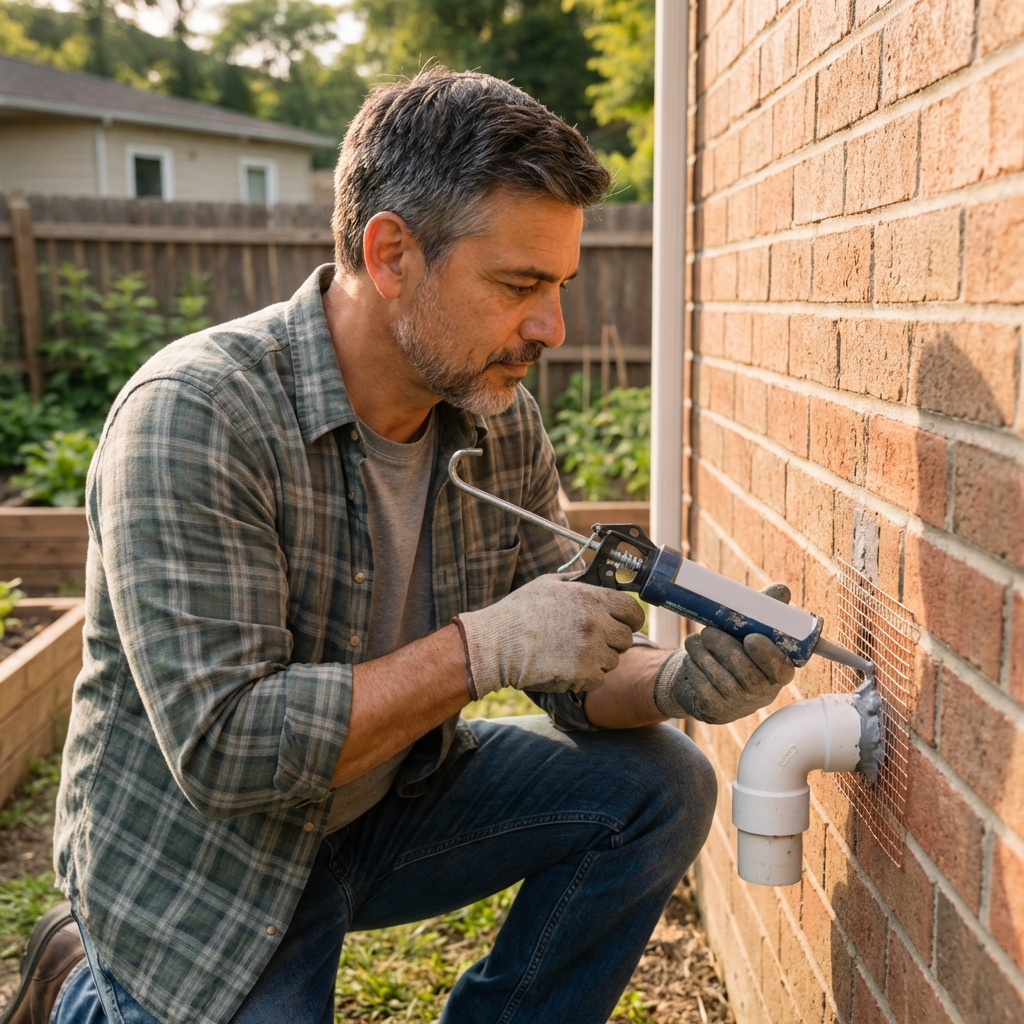
- Seal gaps around pipes, siding, and vents.
- Repair broken door sweeps and warped garage door edges.
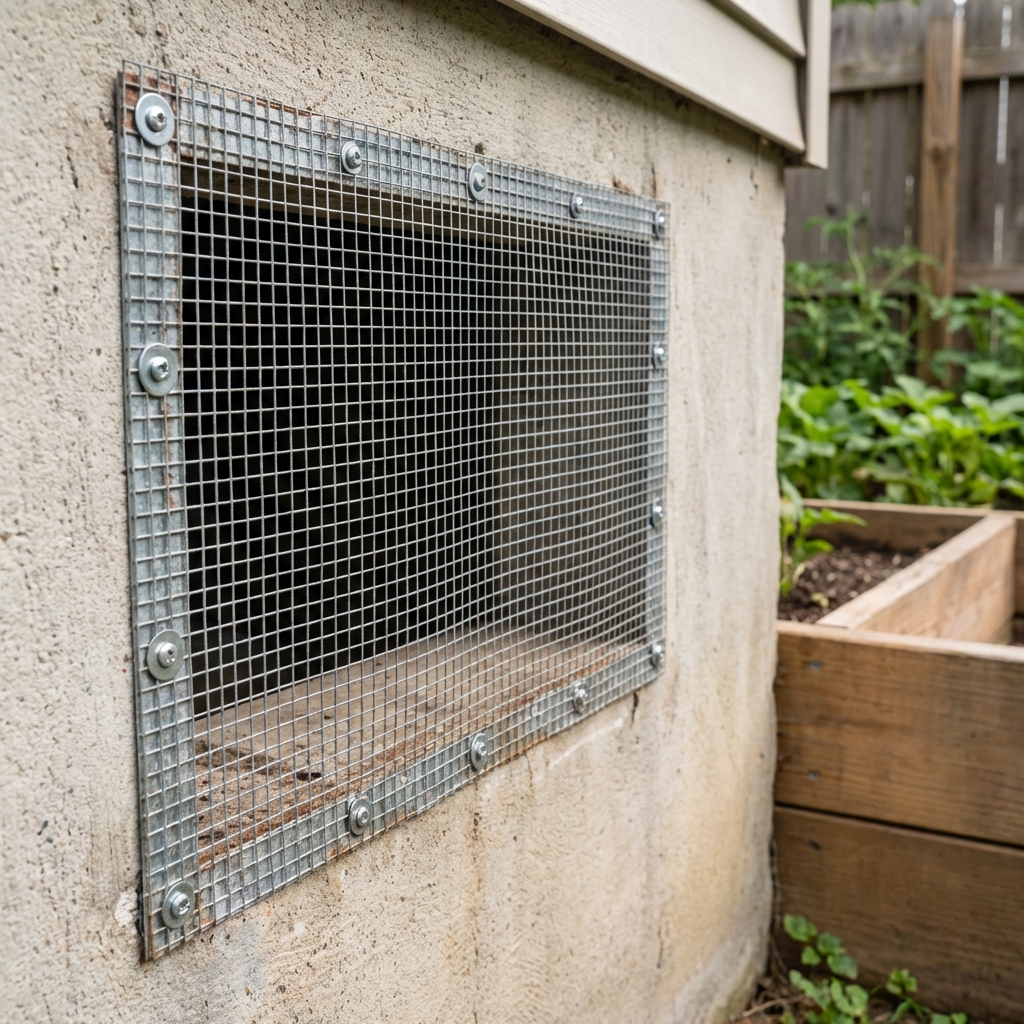
- Close crawlspace openings and cover vents properly.
Do peppermint, ammonia, mothballs, and sonic devices work?
This is where many people lose time and money. Here is the realistic breakdown.
Peppermint oil
Can help in tiny, short-term situations. It may discourage light exploration, but rats commonly ignore it once food and shelter are available. Outdoors, it fades fast. Indoors, they can simply route around it.
Ammonia
Not a great idea. It can irritate lungs and eyes for people and pets, and it is not a reliable long-term deterrent. If you can smell it, you are being exposed too.
Mothballs
Avoid using mothballs for rodent control. Mothballs contain pesticides and the fumes can be harmful, especially in living spaces, gardens, and areas accessible to children or pets. They also do not reliably solve an infestation.
Ultrasonic or sonic repellers
Mixed evidence, inconsistent results. In real homes and garages, sound gets blocked by walls, clutter, and stored items. Many people still end up trapping after spending money on these.
What this means in plain terms
If you want the safest, most dependable approach, treat scents and gadgets as optional extras at best. Put your energy into exclusion (sealing), sanitation (removing attractants), and targeted trapping.
The safest solutions that work
Think of it as a simple order of operations: identify, remove food and shelter, start trapping, then seal to keep new rats from moving in.
Step 1: Confirm you have rats, not mice
- Droppings: Rat droppings are larger than mouse droppings. Mice leave rice-sized droppings (often 1/8 to 1/4 inch). Rats are typically closer to 1/2 to 3/4 inch. Shape can vary by species (some are blunt, some more pointed), so size is the most reliable quick clue.
- Noises: Rats often sound heavier in walls or ceilings.
- Burrows: Outdoor rat burrow openings are often around 2 to 4 inches wide, commonly near slabs, sheds, compost, or thick plants (size varies by species and soil conditions).
If you are unsure, take a clear photo of droppings or damage and compare with trusted extension resources. Correct ID matters because placement and bait size differ.
Step 2: Remove attractants (food and water)
- Feed pets indoors and store food in sealed containers.
- Clean grills and outdoor eating areas.
- Fix dripping spigots, hoses, and irrigation leaks.
- Use compost bins with secure lids and avoid adding meat, grease, or oily foods.
Step 3: Seal entry points (exclusion)
Rats are strong chewers, so use materials they cannot easily gnaw through.
- Steel wool plus sealant for small gaps (temporary to medium-term).
- Copper mesh for stuffing gaps before sealing.
- Hardware cloth (metal mesh) for vents and larger openings. For home vents and general exclusion, 1/4-inch mesh is a safe standard because it also blocks mice.
- Metal flashing to protect vulnerable edges.
- Door sweeps and threshold repairs for exterior doors and garage doors.
Tip: Start trapping first, then seal in stages. If you seal everything and leave rats inside, you can make the situation worse.
Step 4: Use snap traps correctly
For many homeowners, well-placed snap traps are the most effective and least complicated tool.
- Place traps along walls where rats travel, not in the middle of a room.
- Set the trigger end close to the wall.
- Use enough traps. One or two is rarely enough if activity is steady.
- Common spacing is about every 5 to 10 feet along runways, with extra traps at obvious hotspots (behind appliances, along fences, near burrows).
- Rats can be cautious with new objects. If traps are being avoided, try pre-baiting for 1 to 2 nights (bait set but trap unset), then set them.
- Bait options: peanut butter, a small piece of dried fruit, or a bit of nut.
- Wearing gloves can help reduce human scent and keeps your hands cleaner. It is optional, but a good habit.
If you have kids or pets, use tamper-resistant trap boxes or place traps in secured areas they cannot access.
Step 5: Use bait stations only when appropriate
Rodenticides can create risks for pets, wildlife, and non-target animals. Primary and secondary poisoning risk depends on the active ingredient and how it is used. If you are considering bait, choose locked, tamper-resistant stations, follow the label, and follow local rules. In many home settings, trapping plus exclusion is safer and just as effective.
Step 6: Disposal and cleanup
- Do not dry-sweep or vacuum droppings. That can kick particles into the air.
- Wear gloves. Consider a mask if you are cleaning a heavily contaminated, enclosed space.
- Ventilate the area. Spray droppings and nesting material with disinfectant and let it soak, then wipe up.
- For dead rats: place in a plastic bag, seal it, then double-bag and dispose according to local guidance. Disinfect the trap before reusing.
Step 7: When to stop and how to monitor
- Keep trapping until you go at least 7 to 10 days with no signs (no fresh droppings, no new gnawing, no noises, no bait taken).
- After that, monitor. A simple option is non-toxic monitoring blocks or a little flour or talc along suspected runways to check for fresh tracks, then clean it up.
- Recheck exclusion points seasonally, especially around doors, pipes, and vents.
Garden rat control
Rats show up in gardens for the same reasons they show up anywhere: food, water, and shelter. The fix is usually a few small changes.
Make raised beds less inviting
- Keep bed edges clear of tall weeds and thick groundcover.
- Harvest ripe vegetables and clean up fallen produce.
- Do not leave piles of pots, boards, or bags sitting on soil for weeks.
Compost without feeding rats
- Use a bin with a secure lid.
- Bury fresh scraps in the center, not near the edges.
- Avoid meat, bones, grease, and dairy in backyard piles.
Chicken coops and feed storage
Coops are a common rat magnet.
- Store feed in metal containers with tight lids.
- Clean up spilled feed daily.
- For exclusion, 1/4-inch hardware cloth is the best all-around choice if you want to block mice too. 1/2-inch can work for adult rats in some coop areas and is easier to clean, but it will not reliably exclude mice.

Scents and plants people claim rats hate
You will see lists that include peppermint, eucalyptus, citronella, cayenne, cloves, garlic, onions, and even predator urine. Here is the honest expectation:
- They may avoid strong new smells briefly, especially in a small enclosed spot.
- They usually adapt if food and shelter remain available.
- Outdoors, rain and sun reduce effectiveness fast.
If you want to try a scent approach, treat it like a temporary helper while you do the real work: seal, clean, trap.
Signs you still have rats
- Fresh droppings appearing daily
- Grease rub marks along baseboards or fences
- Gnawing on stored items, wires, or corners
- Shredded nesting materials in hidden spots
- New burrow holes near slabs, sheds, or dense plants
If signs continue after you trap a few, assume there are more. Increase trap coverage, tighten exclusion, and keep removing attractants.
Safety notes
- Use enclosed trap stations where possible.
- Avoid loose poisons and avoid mothballs entirely for rodent control.
- Wear gloves when cleaning droppings and nesting materials.
- Ventilate spaces and disinfect carefully. Do not sweep droppings dry into the air.
If you have a large infestation, rats in walls, or repeated activity despite your efforts, calling a licensed pest professional can be the safest route.
Quick plan for this week
- Day 1: Identify hotspots. Look for droppings, rub marks, burrows, and gaps.
- Day 2: Remove attractants. Secure trash, feed, seed, and compost.
- Day 3: Set multiple snap traps along walls and known travel lines.
- Day 4 to 7: Check and reset traps daily, then begin sealing gaps with rodent-proof materials.
Rats are most discouraged when easy access disappears. Once you make your place inconvenient and risky, they move on and they are far less likely to come back.

Jose Brito
I’m Jose Britto, the writer behind The Country Store Farm Website. I share practical, down-to-earth gardening advice for home growers—whether you’re starting your first raised bed, troubleshooting pests, improving soil, or figuring out what to plant next. My focus is simple: clear tips you can actually use, realistic expectations, and methods that work in real backyards (not just in perfect conditions). If you like straightforward guidance and learning as you go, you’re in the right place.