Succulents are tough, but they are not “set it and forget it.” When people struggle with them, it is usually for one reason: treating them like regular houseplants. If you give succulents the basics they actually need, they grow steadily, stay firm, and keep their color.
This guide keeps it simple and practical, with quick checks you can use right now.
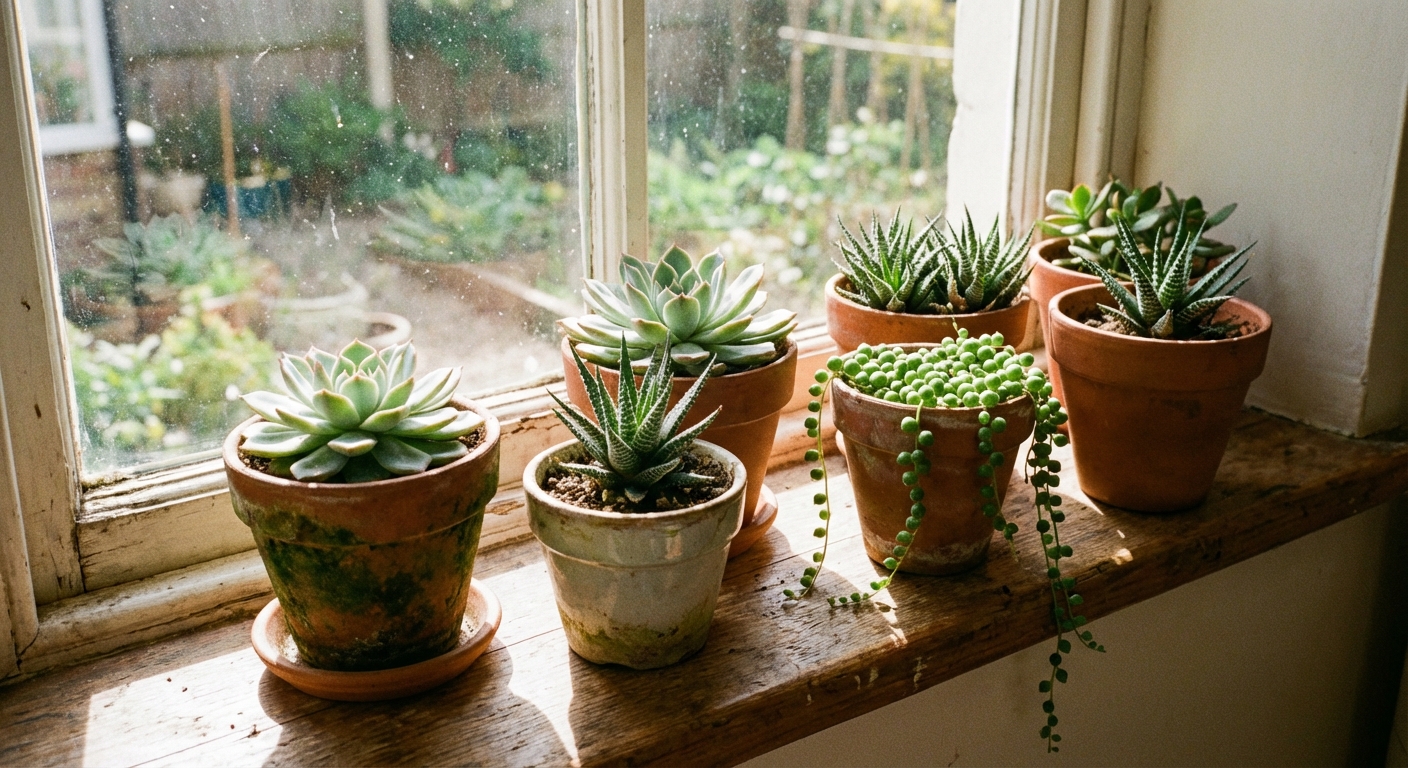
The 5 essentials succulents need
- Bright light (often more than you think)
- Soak-and-dry watering (not little sips)
- Fast-draining soil (gritty and airy)
- A pot with drainage (strongly recommended for most situations, especially for beginners)
- Breathing room (airflow, right temperature, and not too much humidity)
If you nail those, you are 90 percent of the way to success.
Light: the number one requirement
Most succulents want bright light for many hours a day. Indoors, that usually means the brightest window you have.
Quick definition of bright indoor light: a sunny south- or west-facing window (in the northern hemisphere), with the plant kept close to the glass. If you are a few feet back into the room, light drops fast. If your space is dim, a basic grow light can cover the gap.
Outdoors, many do best with sun plus some afternoon protection, depending on your climate.
Quick light checks
- Stretching, leaning, or big gaps between leaves means not enough light.
- Pale color often means not enough light.
- Scorched patches can happen when you move a plant from low light straight into harsh sun.
Practical tips that work
- Rotate pots weekly so plants grow evenly instead of leaning.
- Acclimate to stronger sun over 7 to 14 days. Start with morning sun, then increase.
- When indoor light is weak, a simple grow light can make the difference, especially in winter.
One nuance: not all succulents want the same intensity. Sun-loving types like many echeverias and sedums can take more direct sun than “softer” succulents like haworthia, gasteria, and some aloes, which often prefer bright light with some protection.
Watering: soak, then wait
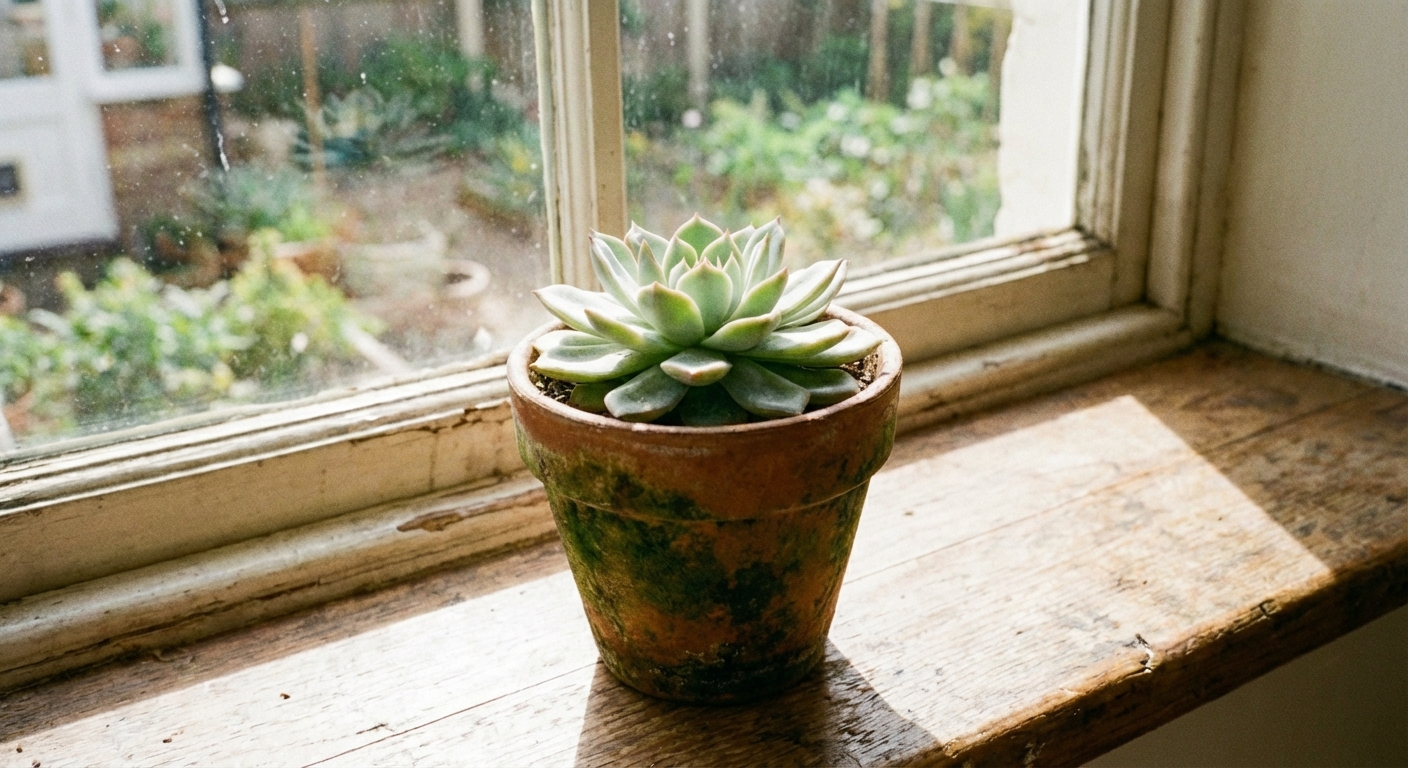
The biggest mistake is frequent small watering. Succulents store water in their leaves and stems. They do best when you water thoroughly, then let the soil dry out all the way before watering again.
How to water succulents correctly
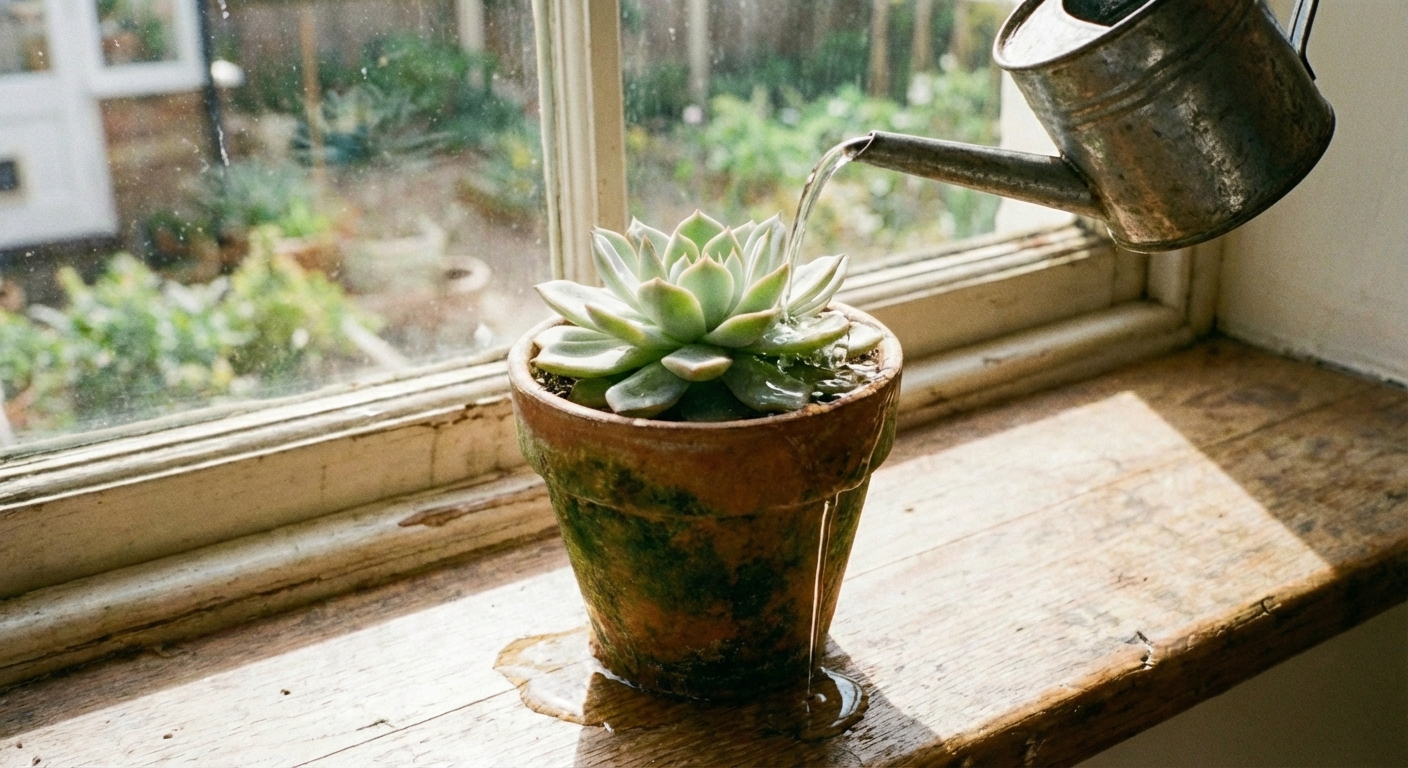
- Water until it runs out of the drainage holes.
- Empty the saucer so the pot is not sitting in water.
- Do not water again until the soil is dry to the bottom.
How often is “right”?
There is no perfect schedule. It depends on light, pot size, soil mix, temperature, and species. Use these as typical starting points, then adjust:
- Bright indoor light: every 2 to 4 weeks
- Outdoor summer growth: every 7 to 14 days
- Winter indoors: every 3 to 6 weeks
Use the plant and soil as your guide, not the calendar.
Easy ways to check if it is really dry
- Chopstick test: push a wooden chopstick or skewer into the soil. If it comes out cool, dark, or damp, wait.
- Pot weight: learn the feel of the pot when freshly watered versus fully dry.
- Moisture meters: can help, but treat them as a hint, not a rule. They are often unreliable in gritty mixes.
Simple signs you are overwatering
- Leaves feel mushy or look translucent
- Leaves drop easily with a gentle touch
- Soil stays wet for days
- Musty smell
- Fungus gnats (usually a sign the mix is staying damp and organic)
Simple signs you are underwatering
- Leaves look wrinkled and thinner than usual
- Lower leaves dry up slowly over time
- Plant looks less plump even though soil is bone dry
Soil: fast draining beats rich
Succulents do not need “rich” soil the way vegetables do. They need air pockets and quick drainage so roots can dry out between waterings.
What to look for in a succulent mix
- Gritty texture with pumice, perlite, or coarse sand
- Loose structure that does not stay soggy
- Low organic matter compared to standard potting soil
Easy DIY mix
If you only have regular potting soil, cut it with grit:
- 1 part potting soil
- 1 part perlite or pumice
In humid homes or low light, go even grittier, like 1 part soil to 2 parts grit.
A common drainage myth
Putting rocks at the bottom of a pot does not improve drainage the way people think. It can leave roots sitting in a wetter zone. Use a fast-draining mix and a pot with a drainage hole instead.
The right pot: drainage first, material second
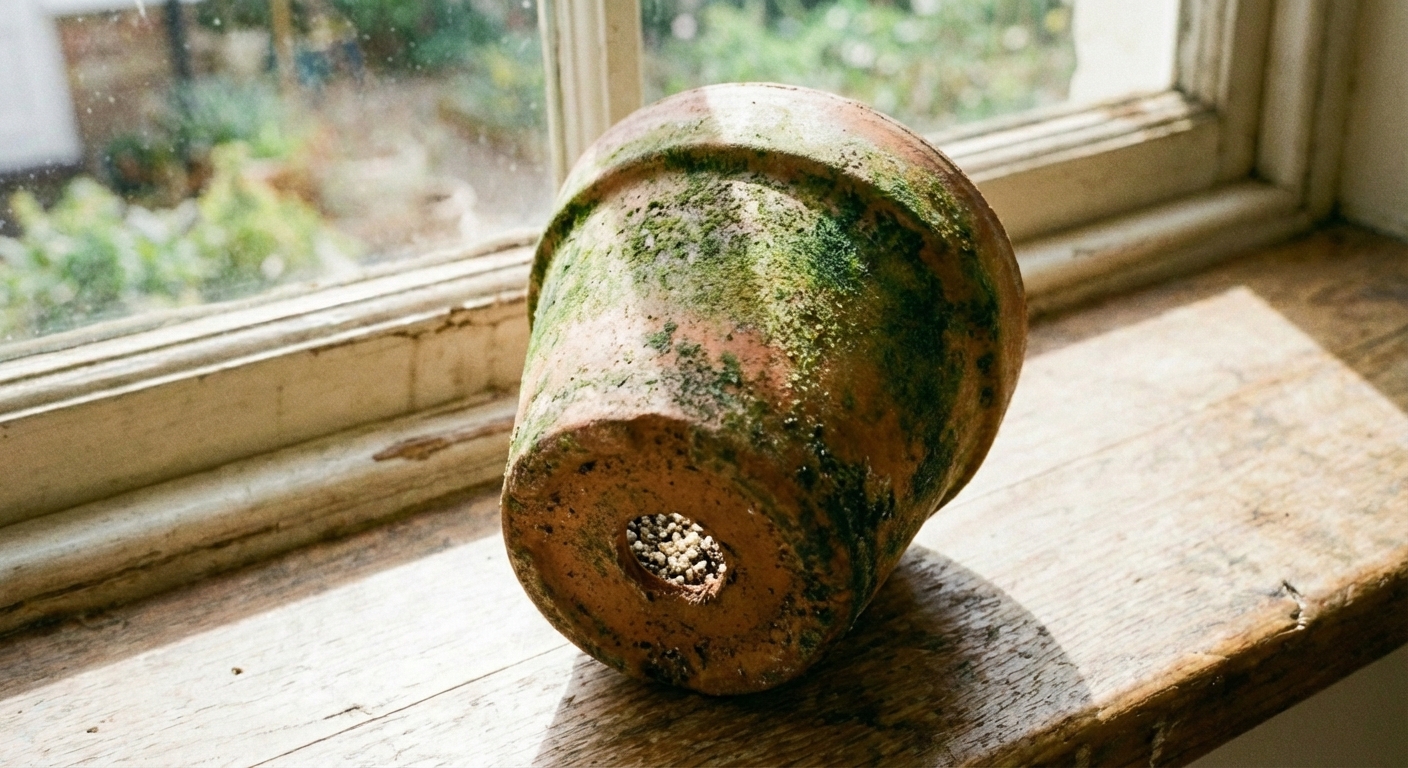
For most succulents, a pot with at least one drainage hole is the easiest path to success. Without drainage, the margin for error gets very small. It can be done, but it takes a very gritty mix and very careful watering.
Pot material basics
- Terracotta breathes and dries faster. Great for heavy waterers.
- Plastic or glazed ceramic holds moisture longer. Fine if your soil is gritty and your watering is careful.
Choose the right size
A pot that is too large holds extra wet soil. Go for a pot that is just a bit bigger than the root ball. For many common succulents, that is 1 to 2 inches wider than the plant.
Temperature, humidity, and airflow
Most common house succulents are happiest in typical indoor temperatures, with good airflow and moderate humidity.
- Ideal range for many: about 60 to 80°F
- Cold risk: many common tropical and subtropical succulents dislike temperatures below about 40°F and can be damaged by cold, especially if wet
- Humidity: high humidity plus low airflow raises rot risk
If your home runs humid, use a grittier mix, water less often, avoid crowding pots together, and keep plants drier when temperatures drop.
Feeding: less is more
Succulents are light feeders. Too much fertilizer can cause weak, fast growth and makes plants more likely to rot.
Simple approach
- Fertilize only during active growth, often spring and summer.
- Use a balanced fertilizer at quarter strength once every 4 to 8 weeks.
- Skip feeding in winter for most indoor succulents.
Repotting and root health
Repot when the plant is cramped, the soil is breaking down, or water no longer drains well. For many home growers, that is every 1 to 2 years, though slow growers can go longer.
Quick repot steps
- Use dry or barely damp soil when repotting.
- After repotting, wait 3 to 7 days before watering so any root damage can callus.
- Check for black, mushy roots and trim them before replanting.
Common problems and fast fixes
Succulent is stretching (leggy)
- Cause: not enough light
- Fix: move to brighter light and rotate weekly. If it is very stretched, take a cutting and re-root the top.
Leaves are soft and dropping
- Cause: overwatering or poor drainage
- Fix: stop watering, improve soil, and make sure the pot drains. If rot is present, take healthy cuttings.
Brown sunburn patches
- Cause: sudden exposure to strong sun
- Fix: provide bright shade, then acclimate slowly. Burned spots do not heal, but new growth should be healthy.
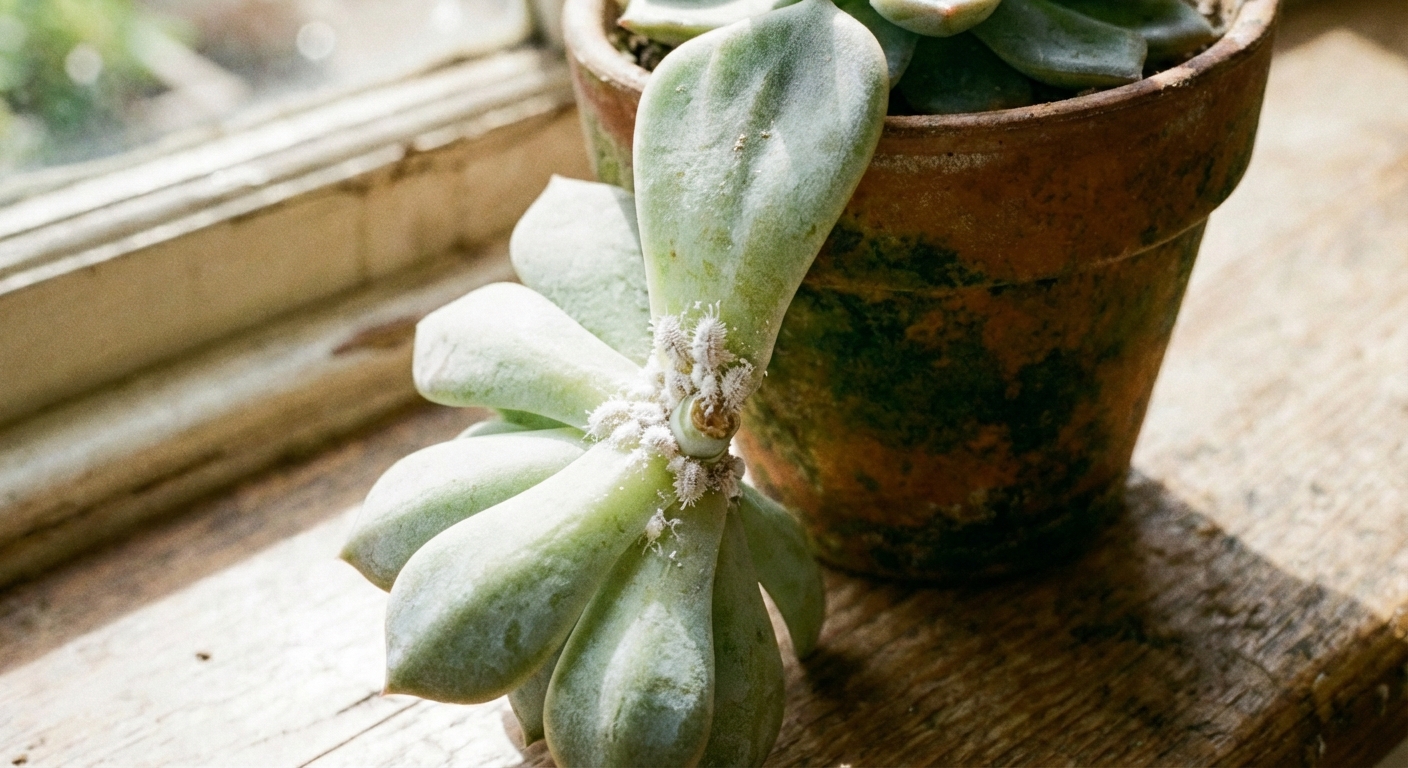
White cottony spots (mealybugs)
- Fix: isolate the plant and dab pests with 70% isopropyl alcohol on a cotton swab. Repeat weekly until gone.
Other common pests
- Scale: look for small bumps that scrape off. Isolate and treat like mealybugs.
- Spider mites: fine webbing and speckled leaves, often in hot, dry indoor air. Rinse the plant and treat with insecticidal soap as needed.
- Best habit: inspect new plants and quarantine them for a week or two before putting them with your collection.
Quick succulent care checklist
- Bright light, ideally several hours daily
- Water deeply, then let soil dry completely
- Gritty, fast-draining soil
- Pot with drainage holes (the simplest setup for most people)
- Do not fertilize heavily
- More airflow and less water in winter or low light
If you want one habit that prevents most issues, it is this: check the soil before you water. A dry top layer is not enough. You want it dry down where the roots live.

Jose Brito
I’m Jose Britto, the writer behind The Country Store Farm Website. I share practical, down-to-earth gardening advice for home growers—whether you’re starting your first raised bed, troubleshooting pests, improving soil, or figuring out what to plant next. My focus is simple: clear tips you can actually use, realistic expectations, and methods that work in real backyards (not just in perfect conditions). If you like straightforward guidance and learning as you go, you’re in the right place.