Ant bites usually look worse than they are, especially when they itch like crazy. Most of the time, you can handle them at home with basic first aid and a couple of over-the-counter options. The goal is simple: clean the skin, reduce swelling, stop the itch, and keep you from scratching a small bite into a bigger problem.
First things first: what to do right away
Do these steps as soon as you notice bites. It makes a big difference in how long the itching and swelling stick around.
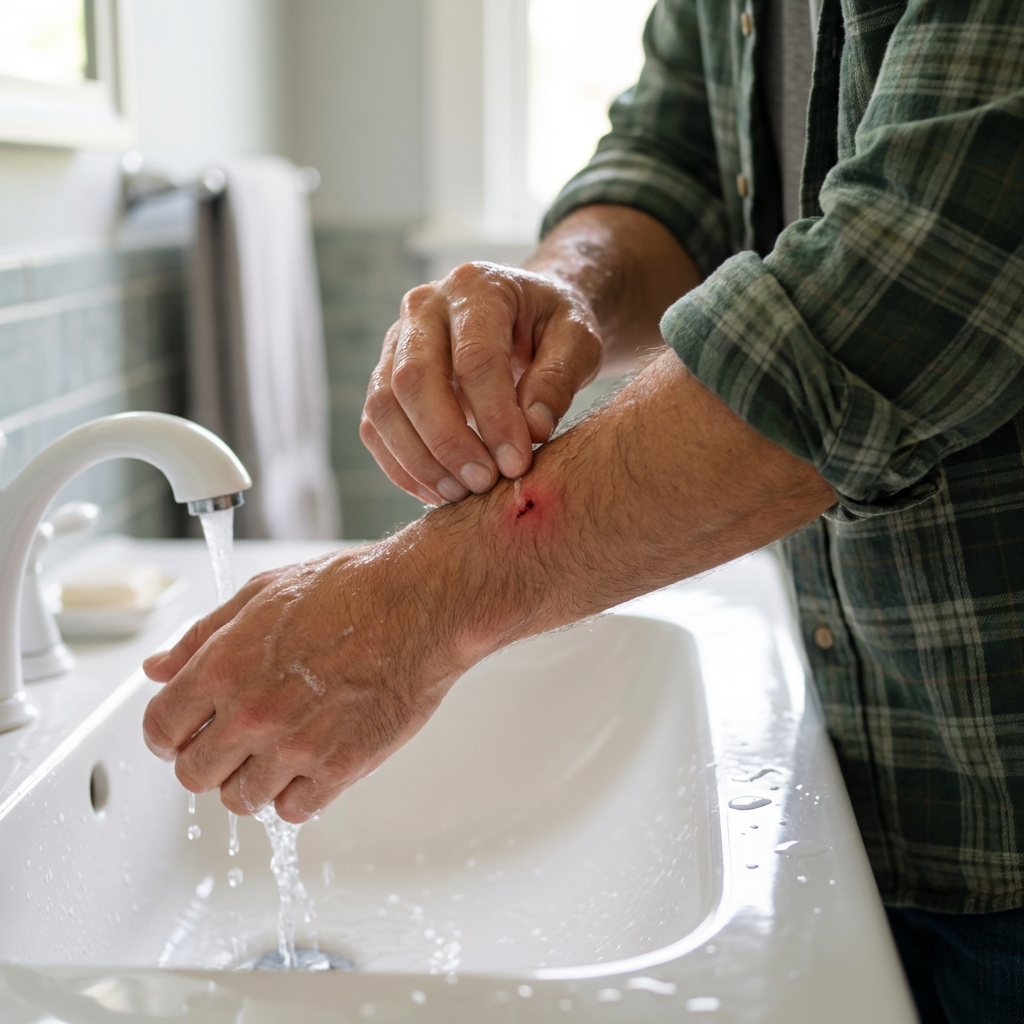
1) Wash with soap and water
Gently wash the area with mild soap and running water. This removes dirt, plant oils, and any irritants from the ant or your yard work.
2) Apply a cold compress
Use a cool, damp cloth or an ice pack wrapped in a towel for 10 to 15 minutes. Repeat as needed. Cold helps with both swelling and itch.
3) Brush off ants and change clothes if needed
If ants are still on you, brush them off right away. If you were in tall grass or working in the yard, changing clothes and washing exposed skin can help prevent more bites or stings.
4) Avoid scratching (yes, really)
Scratching breaks the skin, which is how a simple bite turns into an irritated rash or infection. If you have kids, trimming nails and covering the bites with a light bandage can help.
What is good for ant bites that itch
Itching is usually the most bothersome symptom. These are the most reliable options for relief.
Hydrocortisone cream (1%)
A thin layer 1 to 2 times daily can calm inflammation and itch. Avoid using it on broken skin, and follow label directions, especially for children.
Oral antihistamines
Ant bites trigger histamine release, which is why they itch and swell. An oral antihistamine can help if you have multiple bites or a strong reaction.
- Less-sedating options: cetirizine, loratadine, or fexofenadine (follow package directions). Even “non-drowsy” options can still cause sleepiness for some people.
- At night: diphenhydramine can help with sleep, but it can cause drowsiness and is not ideal for daytime chores.
Calamine or itch relief lotion
Calamine can dry and soothe the bite area, especially when the skin feels hot or irritated.
Baking soda paste
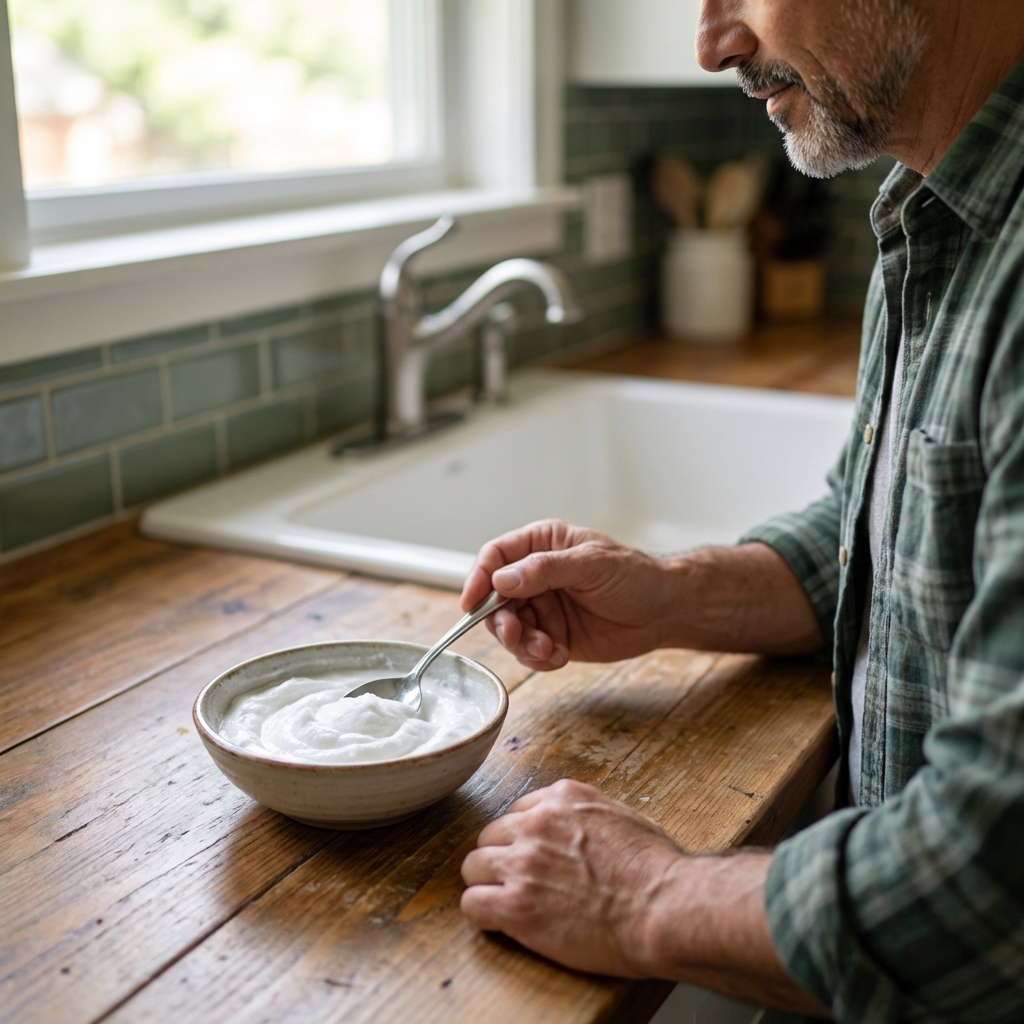
Mix a small amount of baking soda with water to make a paste, apply for 10 to 15 minutes, then rinse. It is a classic home remedy that can help take the edge off itching for some people.
A quick caution about mixing products
Try not to stack multiple medicated creams at once. More is not always better, and it can irritate skin. Also, topical antihistamines (like diphenhydramine cream) can trigger contact dermatitis in some people, so many clinicians prefer oral antihistamines instead.
What is good for ant bites that swell
Swelling is normal, especially around thin skin like ankles and wrists. Use these steps if the bite area puffs up.
Elevate the area
If bites are on your hand, foot, or ankle, elevate for 20 to 30 minutes. It helps fluid move out of the area.
Repeat cold compresses
Swelling often responds best to repeated cold applications throughout the day.
NSAIDs for soreness
If bites are tender, an over-the-counter anti-inflammatory like ibuprofen can help. Follow label directions. Avoid NSAIDs if you have been told not to take them (for example, due to stomach ulcers, kidney disease, blood thinners, or pregnancy) and ask a clinician if you are unsure.
Large local reactions
Some people get a bigger, spreading patch of swelling that can feel warm and tight and last several days. That can still be a normal immune reaction, not an infection, as long as it slowly improves and you do not have fever, worsening pain, or red streaking. Monitor it closely.
Fire ant stings: a special case
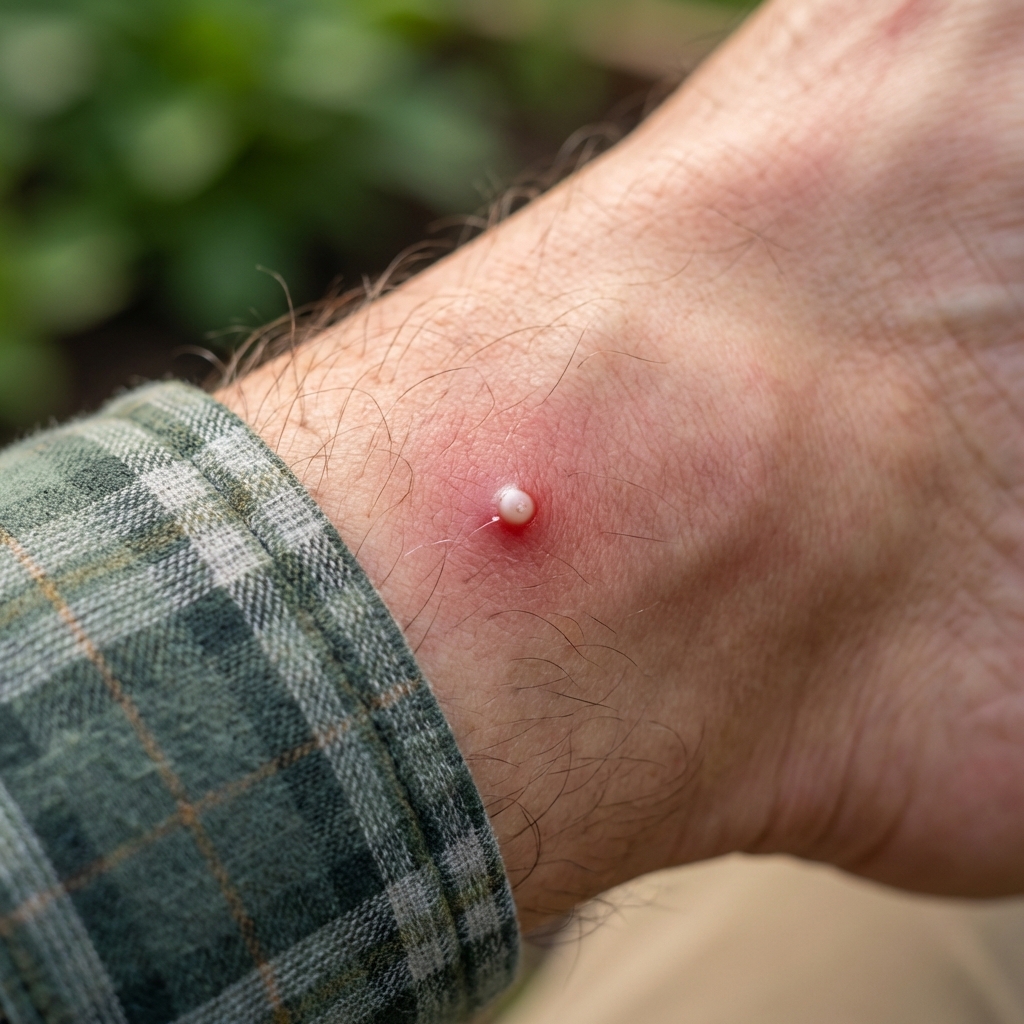
Fire ants often bite to hold on and then sting, sometimes multiple times. The sting can form a small white pustule within about 24 hours. It can look alarming, but it is commonly a sterile reaction rather than an infection. That said, pustules can become infected if they are opened or scratched.
Best tips for fire ant pustules
- Do not pop it. Popping increases infection risk and can scar.
- Keep it clean. Wash gently daily and pat dry.
- Use itch control. Hydrocortisone and antihistamines can help.
- Cover if needed. If it is rubbing on socks or gloves, use a small bandage.
What to avoid (common mistakes)
A few habits make ant bites linger longer than they need to.
- Scratching and picking: the fastest path to infection and lingering marks.
- Putting strong chemicals on bites: bleach, ammonia, or harsh cleaners can burn skin.
- Essential oils directly on irritated skin: they can cause contact dermatitis and worsen redness.
- Heat early on: hot showers and heating pads can make itching worse for some people.
- Routine topical antibiotics “just in case”: they are not always needed and can cause skin irritation or allergy in some people. If a bite looks infected, it is better to get advice than to layer on multiple products.
How long ant bites take to heal
Most mild bites start improving within 1 to 3 days, with redness and itch fading gradually. Fire ant pustules often last longer, commonly 3 to 7 days, and sometimes up to 10 or more, especially if they get irritated by shoes or scratching. Larger local reactions can also take several days to settle.
If the bite area is still getting worse after about 48 hours instead of slowly calming down, it is time to take a closer look for infection or an allergic reaction.
When to get medical help
Most ant bites are a home care situation. But some reactions should be treated as urgent.
Call emergency services right away if you have
- Trouble breathing, wheezing, or throat tightness
- Swelling of the lips, tongue, or face
- Widespread hives or a rapidly spreading rash
- Dizziness, fainting, or confusion
Contact a clinician soon if you notice
- Increasing pain, warmth, redness, or swelling after the first day
- Pus, yellow crusting, or red streaks moving away from the bite
- Fever or feeling generally unwell
- Bites near the eye, or swelling that affects vision
- Many stings at once, especially in children or older adults
If you have a known severe insect allergy
If you have been prescribed epinephrine, carry it and use it as directed for severe symptoms. Even if you feel better after using epinephrine, you still need urgent medical evaluation.
Quick prevention for gardeners
If you got bitten while planting, mulching, or turning compost, prevention is mostly about noticing nests before your hands and ankles do.
- Wear gloves and closed shoes: especially when moving pots, stepping stones, or mulch.
- Shake out garden gear: gloves, knee pads, and boots can hide ants.
- Scout before you kneel: look for ant trails along bed edges, pavers, and under boards.
- Treat the area safely: if fire ants are common where you live, consider targeted bait products and follow label directions closely.

At a glance: best remedies by symptom
- Itching: hydrocortisone 1%, oral antihistamine, calamine, baking soda paste
- Swelling: cold compress, elevation, antihistamine
- Pain or soreness: cold compress, ibuprofen if appropriate
- Fire ant pustules: keep clean, do not pop, cover if rubbing
If you want the simplest plan, start with soap and water plus a cold compress, then add hydrocortisone or an antihistamine if the itch will not quit. That combination solves most ant bite problems without much fuss.

Jose Brito
I’m Jose Britto, the writer behind The Country Store Farm Website. I share practical, down-to-earth gardening advice for home growers—whether you’re starting your first raised bed, troubleshooting pests, improving soil, or figuring out what to plant next. My focus is simple: clear tips you can actually use, realistic expectations, and methods that work in real backyards (not just in perfect conditions). If you like straightforward guidance and learning as you go, you’re in the right place.