Mice are small, fast, and opportunistic. If your garden offers three things, they stick around: food, cover, and safe access. The good news is you do not need a perfect yard to discourage them. You just need to tighten up a few habits and protect the spots mice love most.
This guide focuses on long-term control, not day-or-two fixes.

First, know what you are dealing with
Most garden mouse issues come from house mice and deer mice (a common wild “field mouse” in many regions). The term “field mouse” is used loosely, and in some places people use it to describe voles too, so it is worth taking a minute to confirm what you have. True mice will eat seeds, nibble seedlings, tunnel in mulch, and set up nests in sheds, compost areas, and thick groundcover.
Signs mice are active
- Small droppings that look like dark grains of rice near beds, pots, or in a shed
- Chewed seeds and missing newly planted rows
- Small burrows in mulch or along bed edges
- Shredded nesting material like dry grass, leaves, or insulation in outbuildings
- Runways which are narrow paths through grass or groundcover
Quick “mouse or vole?” clues
- Voles often leave very visible surface runways in grass and chew plant stems at the base. They also damage roots and tubers more than mice do.
- Mice are more likely to target seeds, seedlings, stored supplies, and sheltered nesting spots in sheds and clutter.
If you are seeing larger holes, heavy root damage, or gnawing on bark at the base of shrubs and young trees, you might be dealing with voles or rats instead. The solutions overlap, but trapping and barriers may need to be heavier-duty.
The most effective strategy: remove the reasons mice stay
Repellents can help in specific situations, but the biggest wins come from habitat and food control. Think of this like making your garden less convenient.
1) Cut off easy food
- Clean up fallen fruit and veggies every few days during peak season. Overripe tomatoes on the ground are basically an invitation.
- Store birdseed and chicken feed in sealed metal containers, not bags. Spilled feed is a major mouse magnet.
- Do not leave pet food outside overnight, even on a porch.
- Harvest regularly so produce does not sit and soften on the plant or ground.
- Use seed-starting protection if mice dig up newly planted areas. A light row cover or mesh over the seed row for the first week can prevent a lot of “where did my seeds go?” moments.
2) Reduce cover and nesting spots
- Keep grass and weeds trimmed around beds, fences, and sheds. Mice love traveling under cover.
- Pull mulch back 6 to 12 inches from the base of sheds and house foundations. Thick mulch against a wall is prime nesting territory.
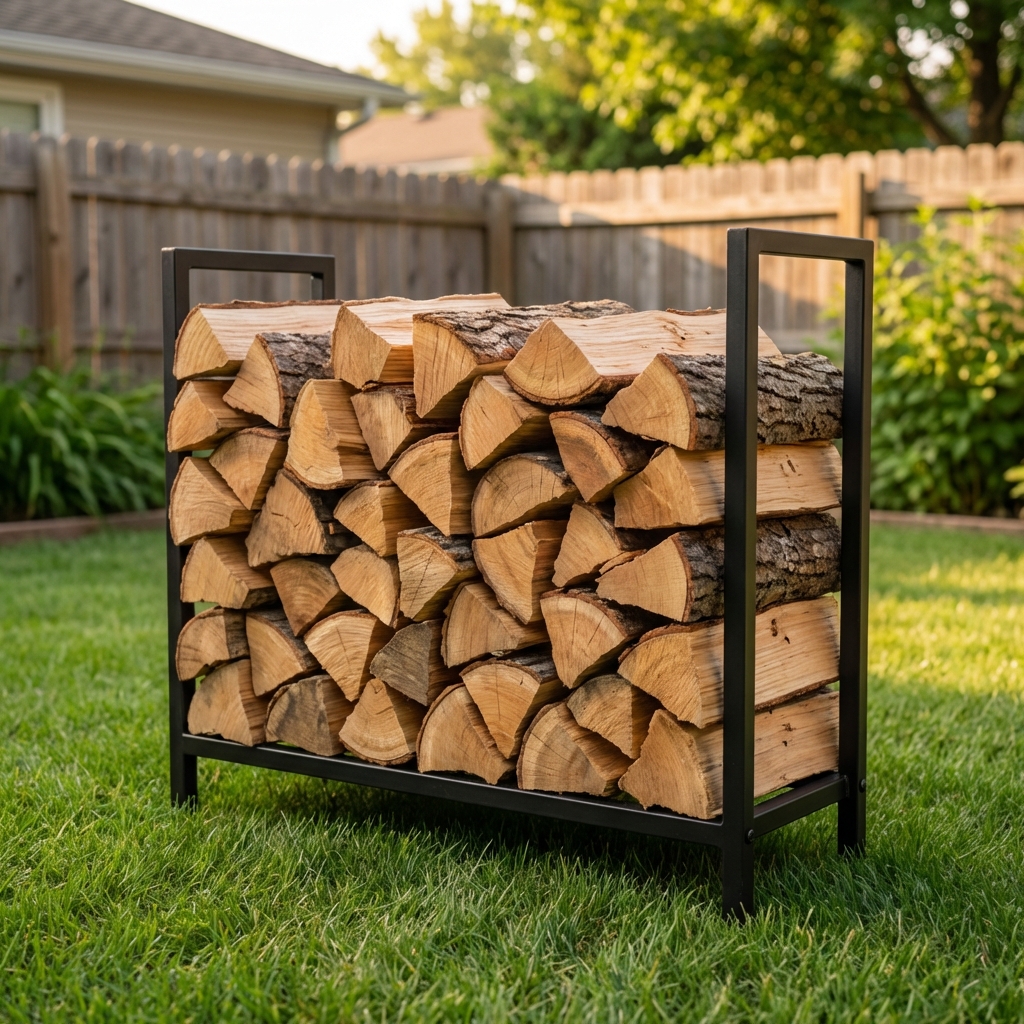
- Stack firewood and lumber neatly and keep it off the ground if possible.
- Declutter tarps, unused pots, and piled boards. If it creates a dark protected pocket, a mouse can use it.
3) Block access with exclusion
Exclusion is the closest thing to a permanent fix. Mice can squeeze through openings as small as 1/4 inch (about pencil-width), so small gaps matter.
- Seal gaps in sheds and garages using hardware cloth, metal flashing, or steel wool plus a durable sealant. Expanding foam alone is easy for mice to chew through.
- Add door sweeps to sheds and side doors where daylight shows under the door.
- Cover vents with 1/4-inch hardware cloth (metal mesh). Make sure the cover is securely attached and does not reduce airflow or conflict with local codes.
- Seal around pipes and utility entries where they pass through siding, foundations, or shed walls.
- Repair damaged screens on windows, vents, and crawlspace openings.
- Protect raised beds with hardware cloth under the soil if burrowing is a repeated issue, especially for beds near compost or tall grass.
Natural deterrents: what helps and what is overhyped
“Natural” deterrents can be useful, but they work best as backup after you have reduced food and cover. If the buffet is open, mice will tolerate a lot of smells.
Strong-smell repellents
- Peppermint oil: Evidence is mixed, but it may help briefly in enclosed spaces like sheds or storage areas. Refresh often because it fades quickly outdoors.
- Garlic sprays: Evidence is limited. Some gardeners report short-term relief in a specific area, especially when reapplied.
- Vinegar: Helpful for cleaning and odor control, but not a reliable outdoor repellent.
Reality check: Outdoors, wind, rain, and sun break scents down fast. Use these for high-value zones, not the whole yard.
Plants people say repel mice
Mint, alliums, and strongly scented herbs get mentioned a lot. They are great garden plants, but do not expect them to mouse-proof an area on their own. Plant them because you will use them, not as your only line of defense.
Predators that help
- Owls and hawks: Excellent natural control if your area supports them. An owl box can help in rural or edge-of-town settings, but it is not instant.
- Snakes: Often beneficial. If they are non-venomous and you are comfortable, they are part of a healthy pest balance.
- Cats: Some cats hunt well, some do not. Also consider local wildlife impacts if you allow free roaming.
Protect the areas mice love most
Compost piles
Compost is warm, sheltered, and full of food scraps. If you want compost without attracting mice:
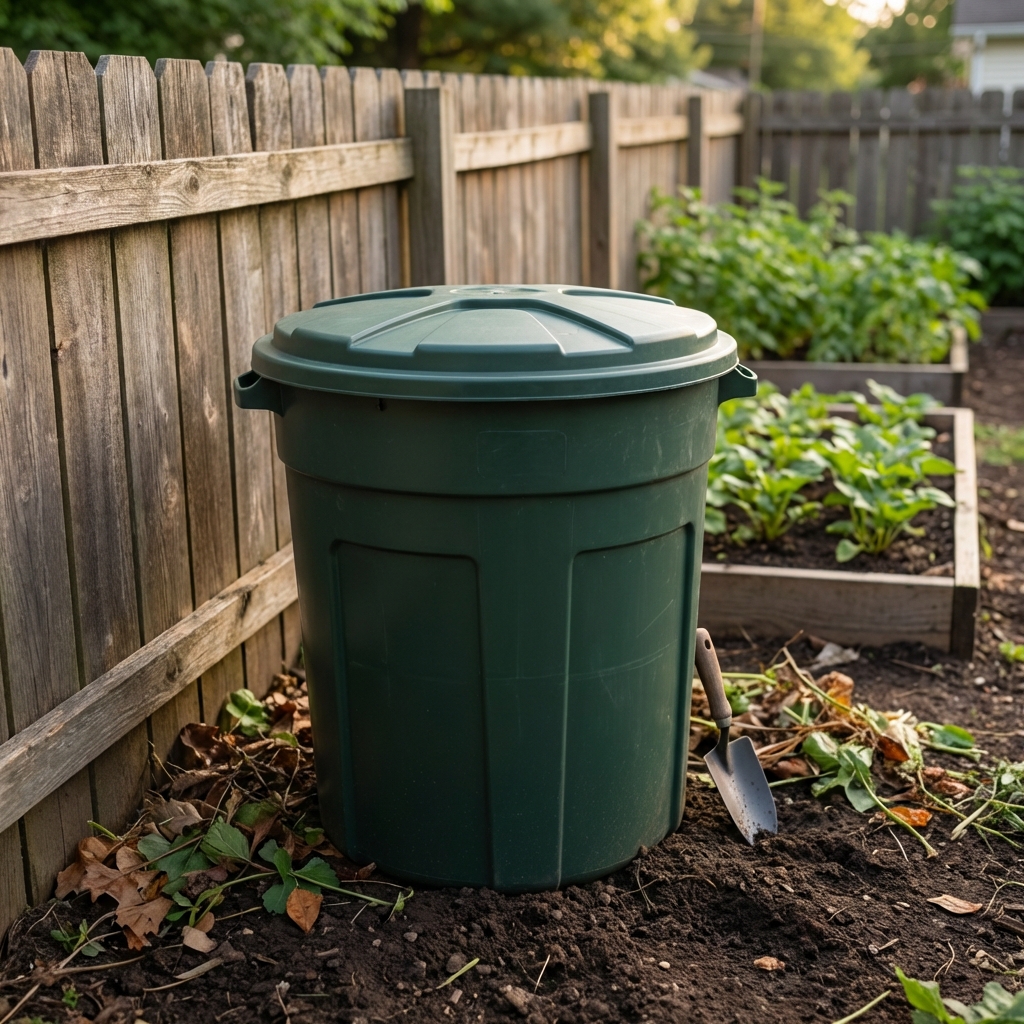
- Use a closed bin with a secure lid instead of an open pile.
- Line the bottom with 1/4-inch hardware cloth if burrowing is common in your yard.
- Bury food scraps in the center of the pile and cover with browns like leaves or shredded cardboard.
- Avoid adding greasy foods, meat, or large amounts of grains and bread.
Raised beds and seed rows
- Start vulnerable crops in cells and transplant when they are sturdier, especially peas, beans, and sunflowers in mouse-heavy areas.
- Use row cover or light mesh over freshly seeded rows until germination is well underway.
- Keep bed edges tidy. Tall weeds around bed frames create protected runways.
Sheds, garages, and stored supplies
- Store seeds, bulbs, and soil amendments in sealed bins with tight lids.
- Do a seasonal gap check: corners, pipe entries, and the area where siding meets the foundation are common entry points.
- Keep cardboard to a minimum. Mice love nesting in it and chewing it.
Traps and bait: when prevention is not enough
If you already have active mice, you may need to knock the population down while you fix the attractants.
Trapping basics
- Snap traps are fast and effective when placed correctly.
- Place traps along walls and edges where mice travel, not out in the open.
- Use small amounts of bait like peanut butter, oats, or a bit of dried fruit so they have to commit to the trap.
- Use multiple traps if activity is high. One trap for a serious problem is usually not enough.
If you have kids, pets, or curious wildlife in the yard, use tamper-resistant trap stations and place traps where non-target animals cannot reach them.
Handling and cleanup
Wear gloves when handling traps or cleaning droppings and nesting material. Avoid sweeping or vacuuming dry droppings. Instead, lightly mist with a disinfectant or soapy water, wipe up with paper towels, and bag the waste before disposing. Wash hands well afterward.
A note on rodenticides
Poison baits can harm pets and wildlife through secondary poisoning (a predator eats a poisoned rodent). In most home garden situations, focus on exclusion + sanitation + trapping first, and consult a licensed pro if the problem is severe.
Quick checklist: what works fast
- Pick up fallen produce and reduce spilled feed
- Trim tall weeds and pull back mulch from buildings
- Seal shed gaps with metal mesh and add door sweeps
- Use closed compost bins and bury scraps deep
- Protect seed rows with mesh or row cover for the first week
- Trap along edges while you remove attractants
Common questions
Will mothballs keep mice away?
Mothballs are not a good garden solution. They are pesticides and can be harmful to people, pets, and wildlife. They also do not reliably solve a mouse problem outdoors.
Does peppermint oil keep mice away outside?
Sometimes, briefly, and usually only in small, contained spaces. Outdoors it fades fast. If you use it, treat it like a temporary tool while you fix food and shelter issues.
Are mice bad for the garden?
They can be. Mice eat seeds, damage seedlings, chew irrigation lines, and contaminate sheds and stored supplies. They also attract predators, which can be a mixed blessing depending on your setup.
How do I keep mice out of raised beds permanently?
The most reliable method is hardware cloth under the bed (before filling) plus a tidy perimeter and fewer hiding places nearby. If you cannot rebuild the bed, focus on trimming cover, pulling mulch back, and protecting seed rows during the vulnerable stage.
My simple approach: make your yard inconvenient
If you take one idea from this page, let it be this: mice stay where life is easy. Make food harder to find, cover harder to use, and entry points harder to sneak through. Do that, and you will usually see activity drop within a few weeks and keep improving from there.

Jose Brito
I’m Jose Britto, the writer behind The Country Store Farm Website. I share practical, down-to-earth gardening advice for home growers—whether you’re starting your first raised bed, troubleshooting pests, improving soil, or figuring out what to plant next. My focus is simple: clear tips you can actually use, realistic expectations, and methods that work in real backyards (not just in perfect conditions). If you like straightforward guidance and learning as you go, you’re in the right place.