Let’s get one thing straight: most snakes are not “hunting you.” They are hunting cool, shaded hiding spots and easy meals like mice, frogs, and lizards. If your garden is basically a buffet with free housing, snakes will pass through. Some may also be moving through to warm up, cool down, or look for mates.
The good news is you can make your yard a lot less inviting with a few realistic changes. Below is what actually works in real backyards, plus what to skip.
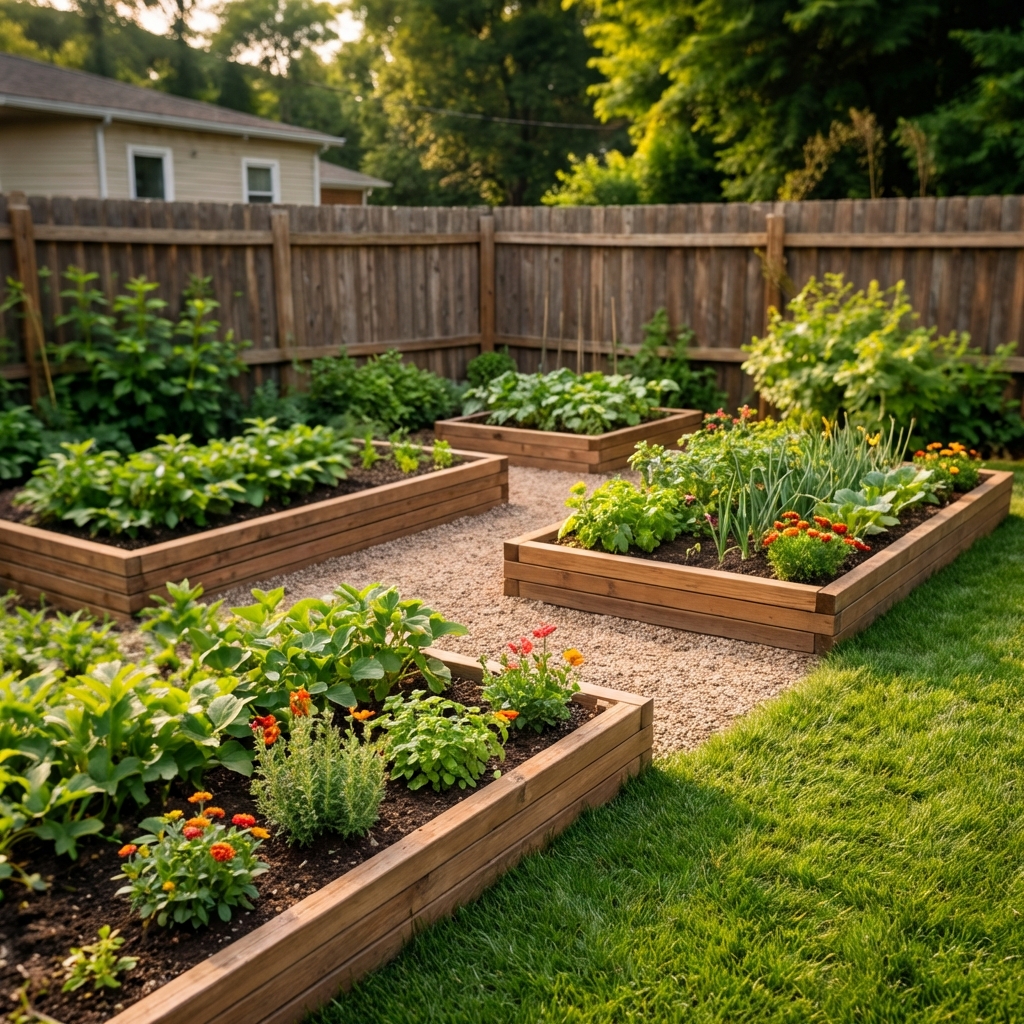
Why snakes come into gardens
In most cases, snakes show up for one or more of these reasons:
- Cover: tall grass, groundcover, wood piles, boards, rock borders, thick mulch, brush, or clutter.
- Food: rodents, birdseed spills, compost that attracts mice, frogs near water features, or lots of lizards.
- Water: leaky spigots, pet bowls left out overnight, standing water, or damp shady corners.
- Easy entry: gaps under doors, torn crawlspace screens, open vents, or loose siding.
If you address those, you often do not need to “repel” snakes. You just stop supporting them.
The 4 things that keep snakes away (the stuff that works)
1) Remove hiding spots
This is the fastest win. Snakes are cautious. When they cannot move from cover to cover, they are more exposed to predators, so they are less likely to stick around.
- Mow and edge regularly, especially along fences, sheds, and the house foundation.
- Trim low branches and dense shrubs so sunlight hits the ground.
- Clean up clutter: stacked pots, spare boards, tarps, old edging, and unused garden supplies.
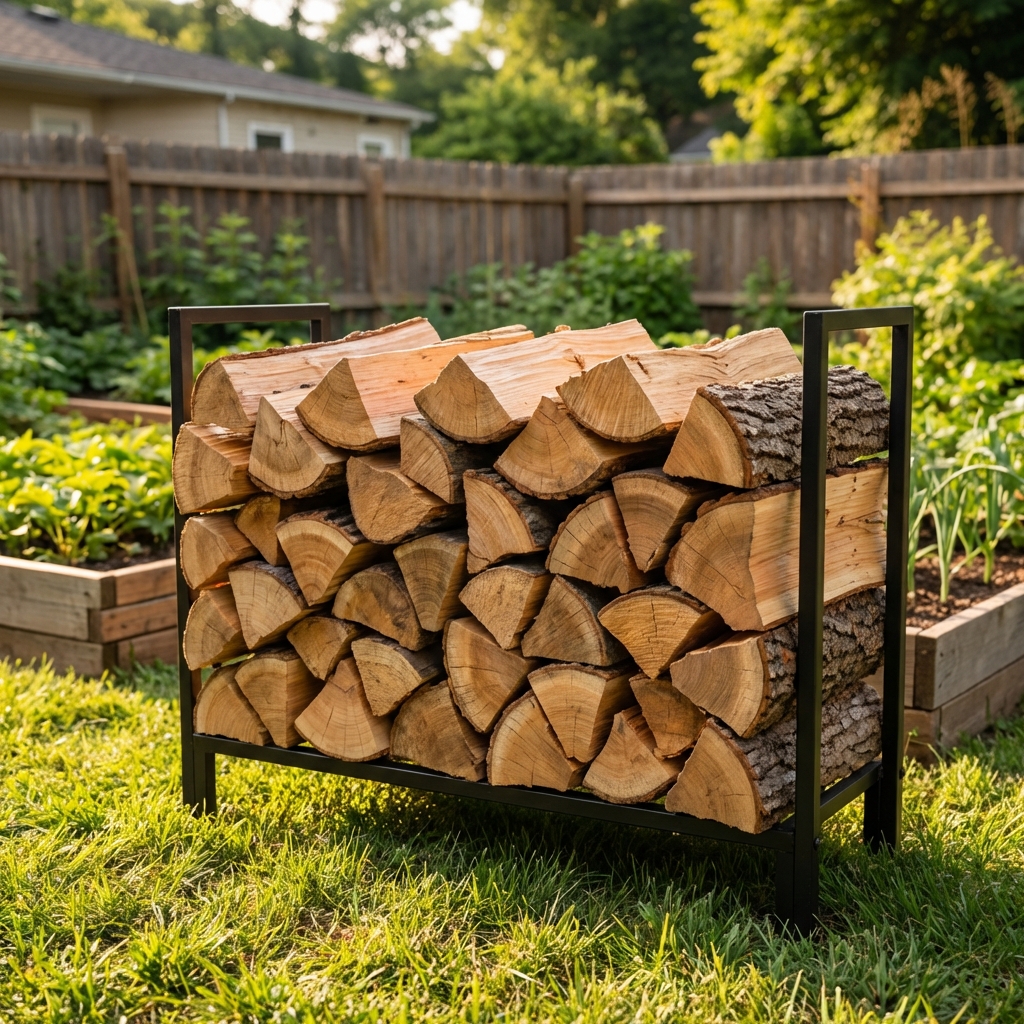
- Move wood piles at least 20 to 30 feet from the house and elevate them on a rack if possible.
- Go easy on deep mulch right next to the foundation. A thinner layer in beds is fine, but thick mulch is prime hiding space.
2) Cut off the food source (rodents are the big one)
If you have mice or rats, you are basically running a snake magnet. Focus on rodents first and snake sightings often drop.
- Store birdseed and pet food in sealed containers with tight lids.
- Sweep up spills under bird feeders and move feeders away from the house if possible.
- Clean up fallen fruit and nuts (citrus, figs, acorns, etc.). Rodents love it.
- Use compost correctly: avoid tossing in lots of greasy food scraps, and keep it in a bin with a rodent-resistant base if rodents are common in your area.
- Fix dripping spigots and avoid leaving pet water bowls out overnight if snakes are a concern.
- Consider snap traps in protected boxes if rodents are active. (If you have pets or kids, use enclosed stations designed for safety, or hire a pro.)
3) Block entry points around the home
Keeping snakes out of the garden is great, but keeping them out of crawlspaces, garages, and sheds is the real peace of mind.
- Seal gaps around pipes, AC lines, and hose bibs with appropriate materials (hardware cloth, steel wool plus sealant, or mortar depending on the gap).
- Repair crawlspace vents and screens. Even small tears matter.
- Add door sweeps to exterior doors and make sure garage door seals meet the ground.
- Keep weatherstripping in good shape, especially on older sheds.
Tip: If a pencil can fit through a gap, many small snakes can too.
4) Install snake fencing where it counts
If you live in an area with frequent snake activity or you have a specific zone you want protected (kids play area, dog run, veggie garden), snake fencing is one of the most reliable options when done correctly. The details matter, and recommendations can vary by species, terrain, and soil.
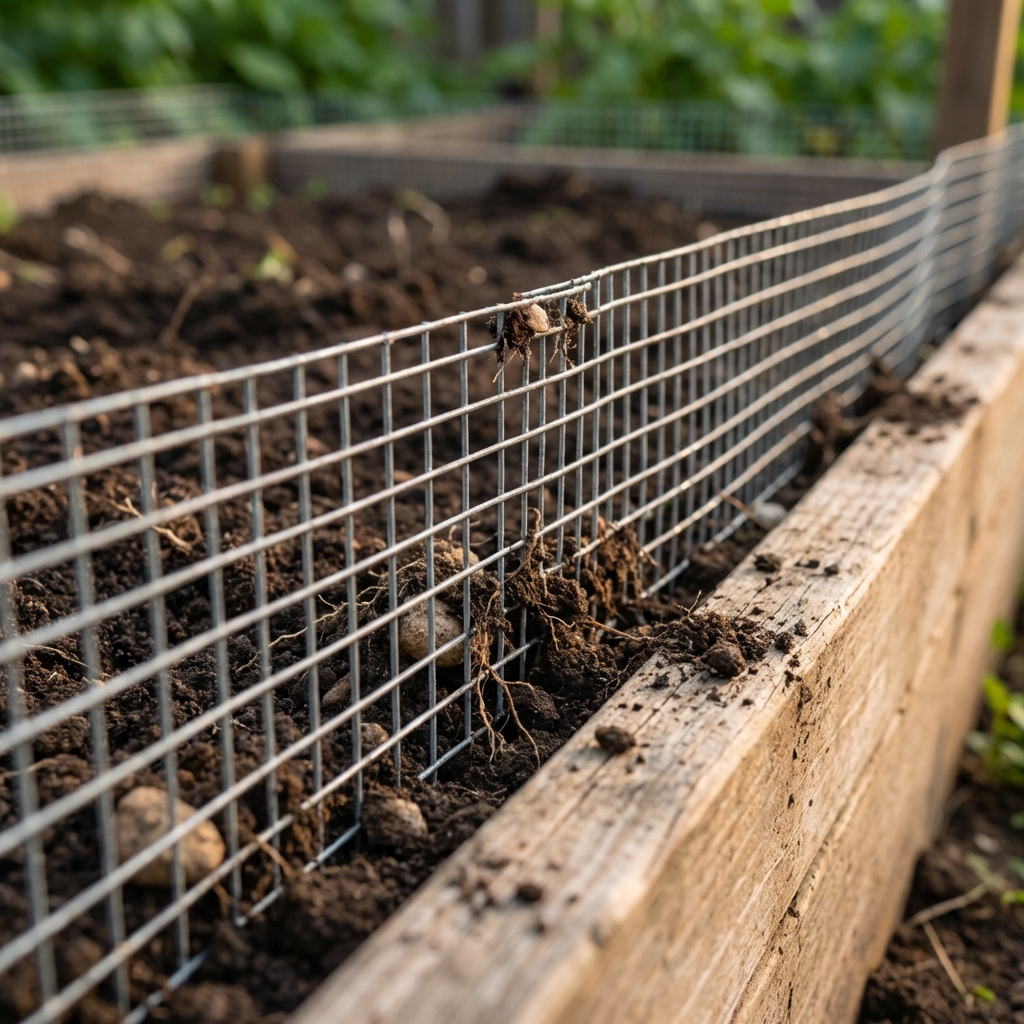
- Use 1/4-inch hardware cloth or tight metal mesh. Chicken wire is too large.
- Fence should be at least 30 to 36 inches tall for many common yard-invading species. Taller may be needed in some areas.
- Bury the bottom 4 to 6 inches or bend it outward in an L shape underground to prevent pushing under.
- Angle the fence outward about 20 to 30 degrees if you can, which makes climbing harder.
- Keep vegetation trimmed along the fence line so snakes cannot use it like a ladder.
- Watch the weak spots: gates, slopes, erosion, and drainage gaps are where most fences fail.
Do common “snake repellents” work?
Most store-bought snake repellents get mixed results at best. Here’s the practical breakdown.
Mothballs
Skip them. Mothballs are toxic and are not approved for outdoor snake control. Using them this way is a misuse and may be illegal where you live. They can harm pets, kids, and beneficial wildlife, and they do not solve the real problem (cover and food).
Sulfur, ammonia, strong scents
Strong odors may cause a snake to avoid a very small area temporarily, but outdoor air movement and rain reduce any effect fast. These also risk harming plants or soil life depending on how they are used.
Essential oils (peppermint, clove, cinnamon)
People swear by these, but in an open yard they are usually short-lived and need frequent reapplication. If you want to try them, treat them as a minor add-on, not your main defense.
Ultrasonic repellents
Generally unreliable outdoors, and research support is weak. Put your money toward cleanup, sealing, or fencing instead.
Garden layout choices that make a difference
You do not have to turn your yard into a parking lot. Small layout tweaks can reduce cover without killing your garden vibe.
- Create a clear border between wild areas and managed areas using gravel, mulch kept thin, or mowed lawn.
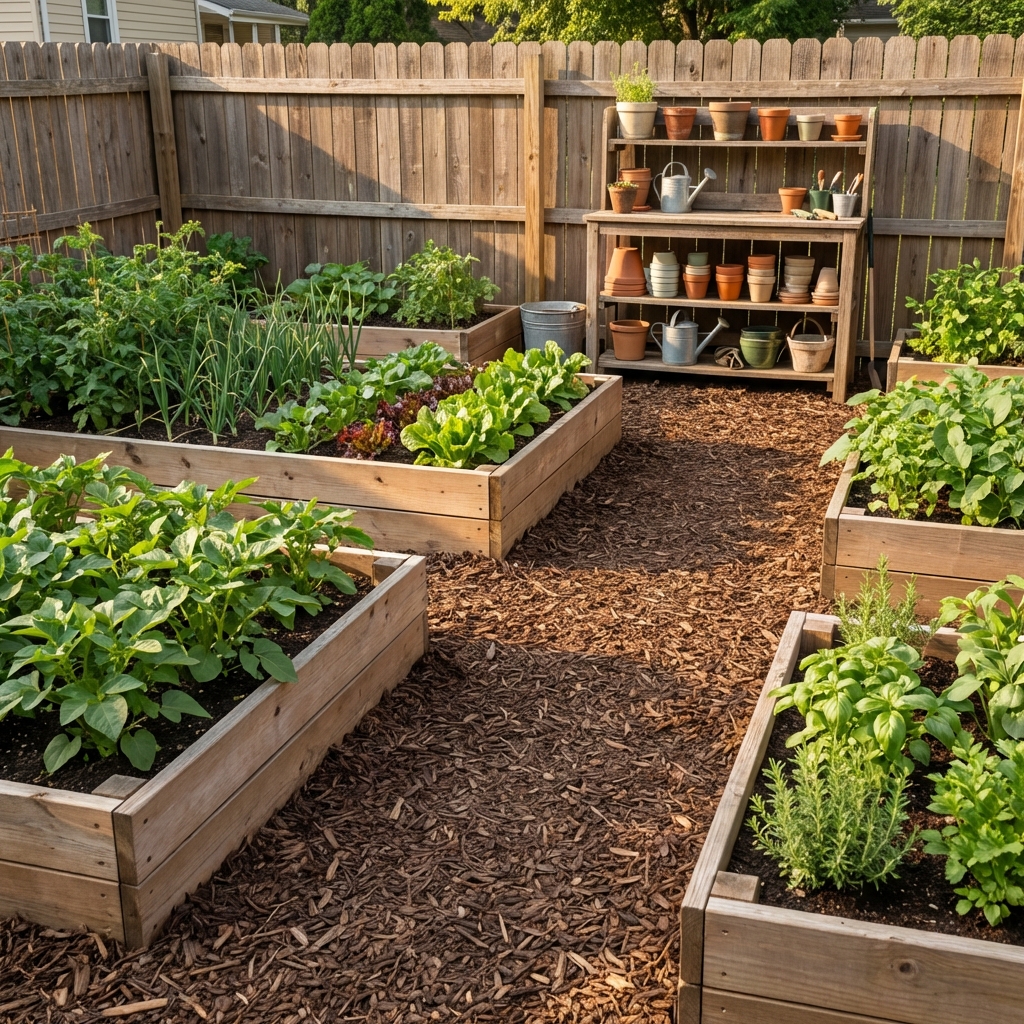
- Use raised beds with tidy paths. Clear walkways reduce hiding places and make it easier to spot movement.
- Keep groundcovers in check near doors, patios, and hose areas.
- Store materials neatly and off the ground when possible.
Note: What works best can vary by region and species. If your area has venomous snakes, check local extension or wildlife agency guidance for extra-specific tips.
If you see a snake: what to do (and what not to do)
First rule: give it space. Many bites happen when people try to kill, capture, or handle a snake.
- Do not try to grab it, even with a shovel.
- Keep kids and pets inside until the snake moves on. In brushy areas, keep dogs leashed and supervise kids closely, especially during warm months.
- Watch from a distance and note where it went so you can clean up that area later.
- If it is inside a building or you suspect it may be venomous, call local animal control or a licensed wildlife removal pro.
If you are not experienced identifying snakes, treat unknown snakes as potentially venomous. It is not worth the gamble.
If someone is bitten, seek immediate medical care and call emergency services. Do not cut the wound, try to suck out venom, apply ice, or use a tourniquet.
A simple weekend plan
- Day 1 (yard): Mow, edge, trim. Remove boards, rocks, and random cover. Move the woodpile.
- Day 1 (house): Walk the house perimeter and seal obvious gaps. Repair screens. Add a door sweep if needed.
- Day 2 (food and water): Secure feed, sweep spills under feeders, pick up fallen fruit, tighten compost practices, fix leaks.
- Day 2 (barriers): Decide if you need targeted fencing for one zone (garden, play area, dog run), and plan around gate and drainage weak spots.
Do those four things and you will usually see a noticeable improvement within a couple of weeks, especially once rodent activity drops.
When it’s time to call a pro
Get help if:
- You have repeated sightings of a venomous species in your area.
- A snake is in your home, garage, crawlspace, or wall void.
- You have a rodent problem you cannot control.
- You need snake fencing installed around a large property line and want it done right.
A good wildlife professional will focus on exclusion and habitat changes, not just removal.
Bottom line
What keeps snakes away is not a magic powder. It is less cover, less food, fewer entry points, and smart barriers where you need them. Make your garden a place snakes have to cross in the open, and most will choose an easier route.

Jose Brito
I’m Jose Britto, the writer behind The Country Store Farm Website. I share practical, down-to-earth gardening advice for home growers—whether you’re starting your first raised bed, troubleshooting pests, improving soil, or figuring out what to plant next. My focus is simple: clear tips you can actually use, realistic expectations, and methods that work in real backyards (not just in perfect conditions). If you like straightforward guidance and learning as you go, you’re in the right place.