Dust mites are one of those tiny problems that can make a big mess of your sleep. They do not bite, but their waste and shed skins are common indoor allergens. The good news is you do not need harsh chemicals to knock them back. If you focus on heat, dry air, and smart cleaning, you can reduce mite numbers and the allergens they leave behind.
This guide breaks down what kills dust mites naturally, then shows you a season-by-season routine so it actually sticks. One quick reality check: you probably will not eliminate dust mites completely. The goal is to lower exposure and keep symptoms calmer.
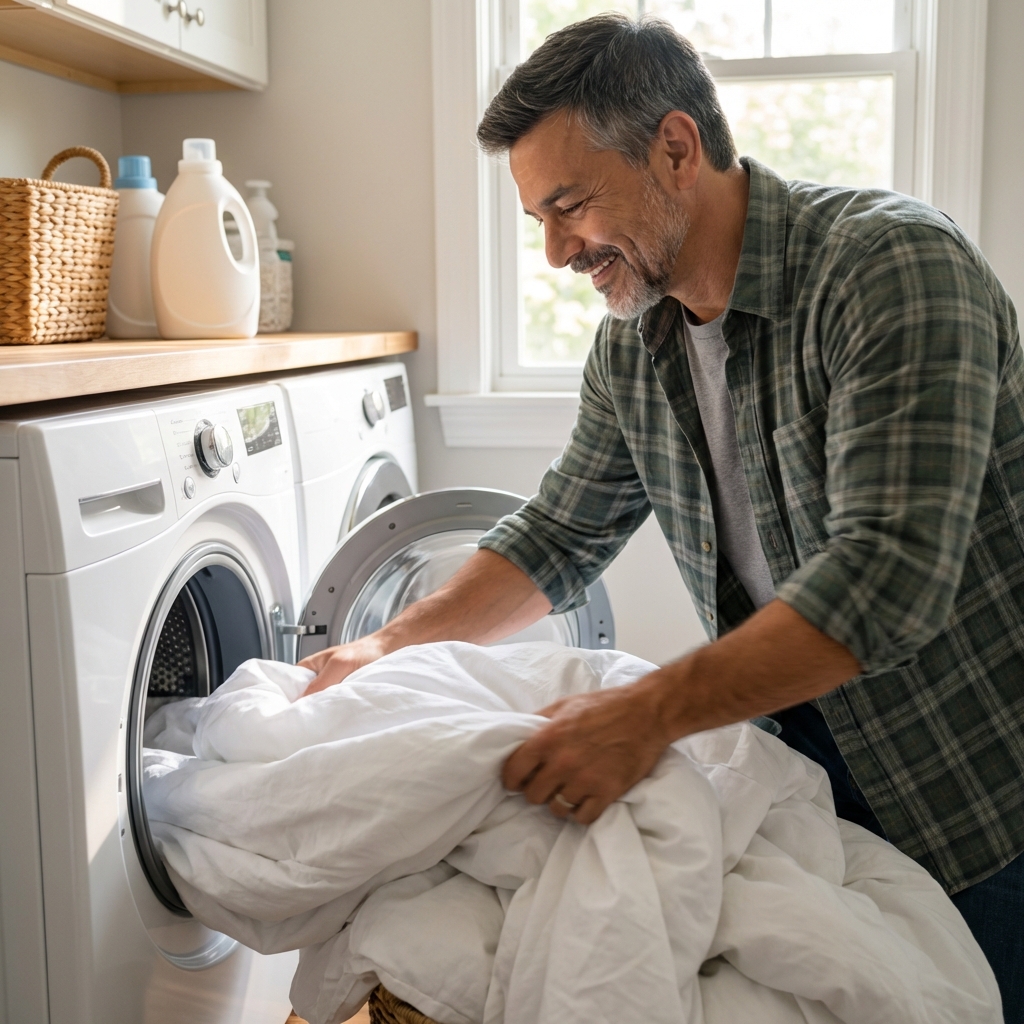
First, what actually kills dust mites
Dust mites thrive in warm, humid places with lots of fabric and skin flakes to eat. Think mattresses, pillows, carpeting, upholstered furniture, and stuffed toys. Natural control works best when you combine a true kill method with prevention, and then remove the allergen debris (waste and shed skins) so it is not left behind.
1) Heat (the fastest reliable killer)
Heat is one of the most dependable natural methods because it physically damages mites. Use it in two main ways:
- Wash bedding hot when the fabric allows: Many allergy guides often recommend washing at around 130°F (54°C) or hotter to kill mites. If that is not practical for your fabrics or machine, use the hottest safe setting and pair it with a thorough hot dry.
- High heat drying: A hot dryer cycle helps, especially when hot washing is not possible. Dry thoroughly, not just until “mostly dry.”
2) Freezing (for items you cannot wash)
Freezing can help kill or reduce mites in items like delicate pillows, stuffed animals, or small throws. Place the item in a sealed bag and freeze for 24 to 48 hours, ideally in a freezer that stays around 0°F (-18°C). After thawing, shake outdoors or vacuum to remove allergen particles. If the item is washable, wash it after freezing to remove debris.
3) Dry air (slows survival and reproduction)
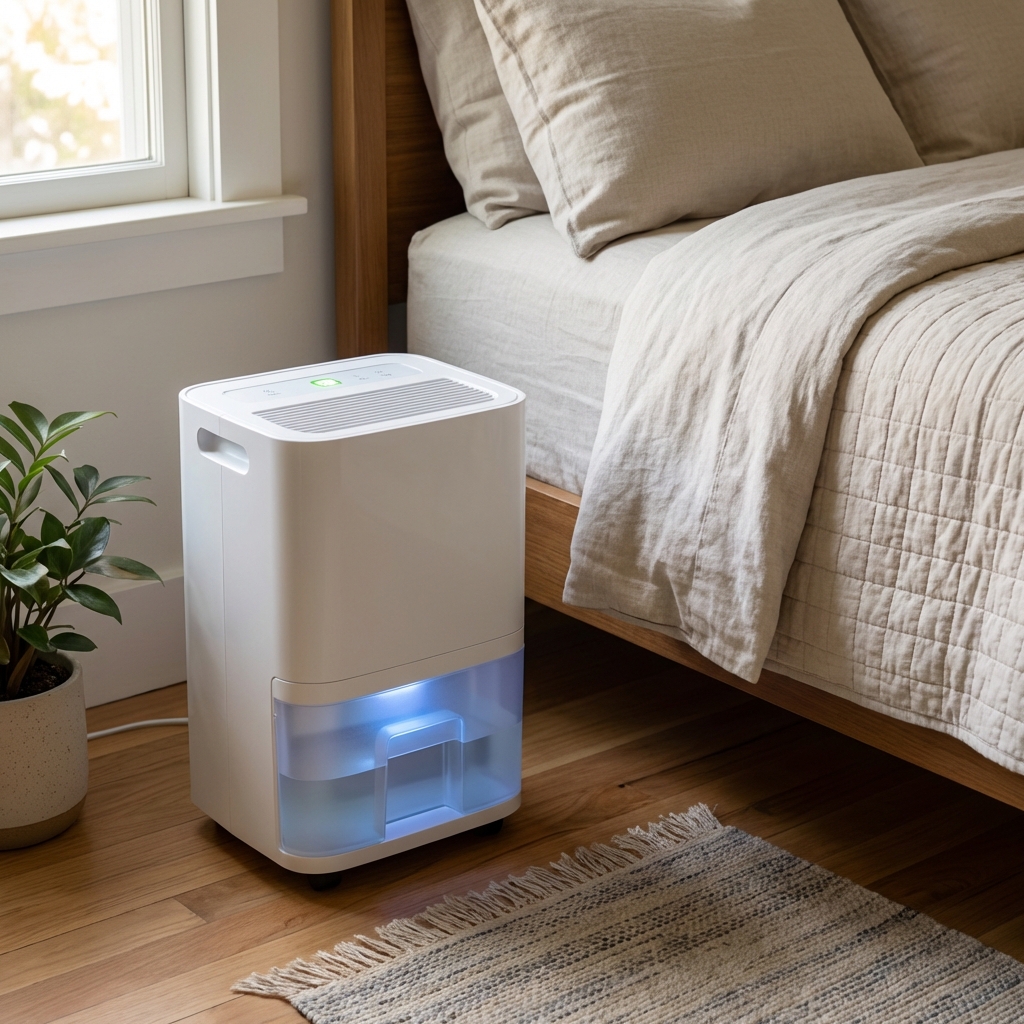
Mites love humidity. Keeping indoor relative humidity below 50% makes your home less mite-friendly. Many homes do well around 35% to 45%, as long as it stays comfortable and does not create other issues (like overly dry air). Dehumidifiers and consistent ventilation are your biggest helpers, especially in summer.
4) Physical removal (vacuuming and wiping)
You cannot “kill” your way out of dust mites if allergens stay in place. Remove mite debris with:
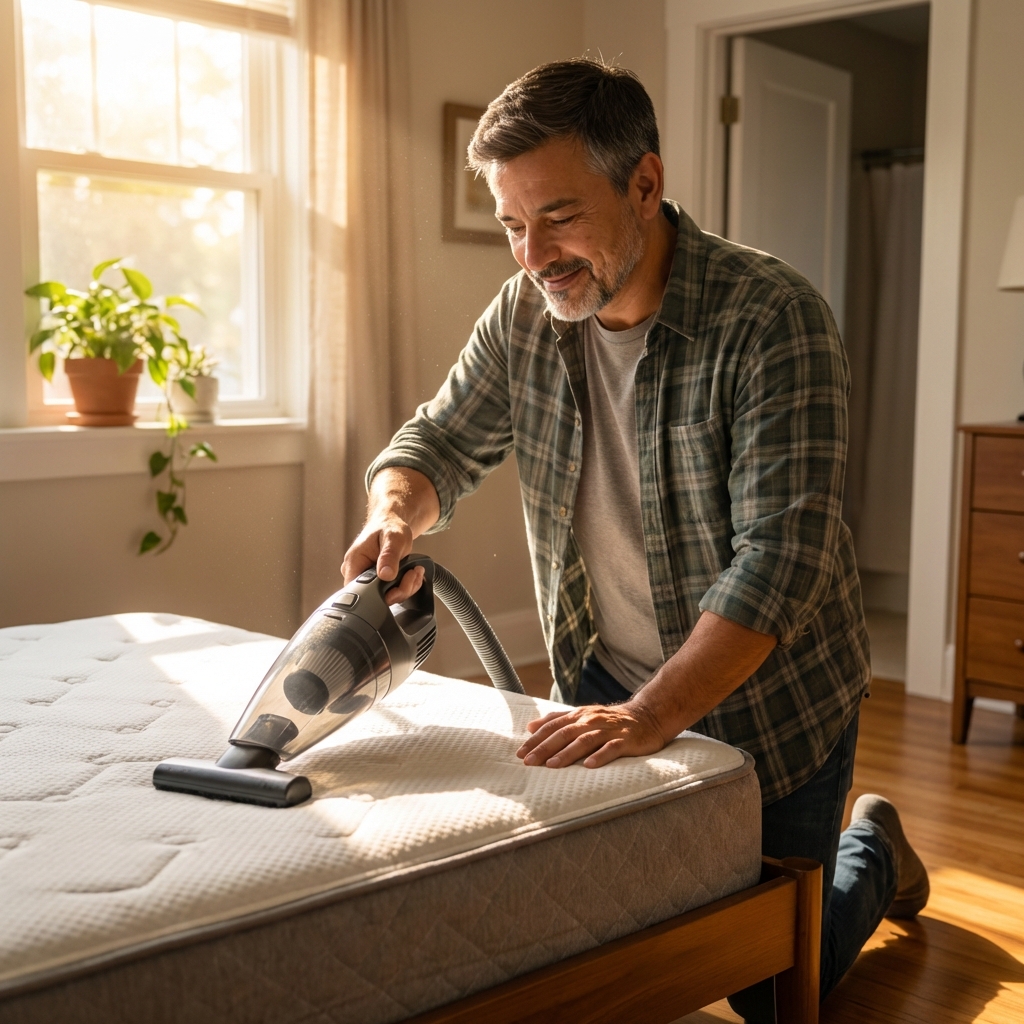
- HEPA vacuuming on carpets, rugs, and upholstered furniture. For best results, use a vacuum with a sealed system (not just a HEPA filter), and vacuum slowly with overlapping passes.
- Damp dusting (dry dusting tends to redistribute allergens).
- Washable protectors on pillows (and on top of encasements if you use them) to make routine washing easier.
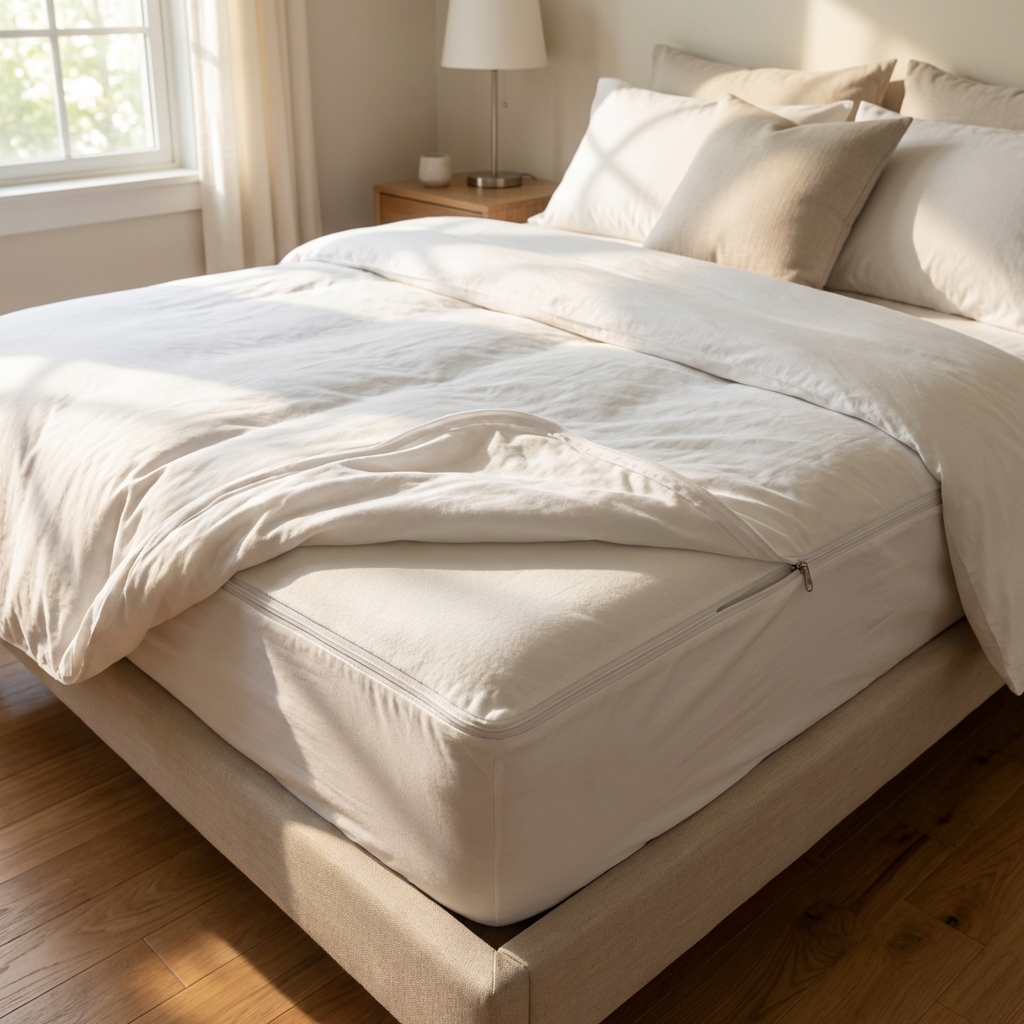
5) Mattress and pillow encasements (low effort, big impact)
Look for allergen-proof encasements with tight weave fabric and a zipper. They do not kill mites by themselves, but they trap allergens and reduce the habitat where mites thrive. Most people leave encasements on and wash the sheets and outer protectors instead. Pair encasements with weekly laundering of sheets for best results.
Cleaning note for sensitive households: Vacuuming and bed-making can kick allergens into the air. If allergies or asthma are severe, consider wearing a mask, ventilating the room, and letting the air settle afterward. If you can, have the most sensitive person avoid the room during cleaning.
Natural home remedies to use or skip
A lot of dust mite advice online gets messy fast. Here is the practical take.
Helpful options
- Hot washing and hot drying: Still the gold standard for bedding.
- Baking soda for deodorizing carpets: Lightly sprinkle, let sit 15 to 30 minutes, then vacuum with a HEPA sealed vacuum. This does not reliably kill mites, but it can help with freshness and makes vacuuming more effective.
- Steam cleaning (with caution): Steam can kill mites on contact, but it can also add moisture. Only use steam if you can dry the area quickly afterward. Improper steaming can worsen humidity and raise mold risk.
Use caution
- Essential oils: Some oils show mite impact in lab settings, but in real homes they can trigger asthma, headaches, and pet sensitivity. If you use them, do a small test and keep ventilation strong. Never apply oils directly to bedding where you breathe all night.
- Vinegar sprays: Vinegar is a decent general cleaner, but it is not a proven dust mite killer in typical household use. It is fine for wiping surfaces, not a primary mite strategy.
Skip these for safety
- Bleach on fabrics: It can damage materials and irritate lungs without offering a better result than heat washing.
- Over-wetting carpets or mattresses: Moisture feeds the problem if drying is slow.
Spring: reset season
Spring is a good time to treat dust mites like a soft reset. You are transitioning out of winter routines and often opening windows again.
Spring checklist
- Wash everything that touches your face: sheets, pillowcases, duvet cover, and throw blankets.
- Freeze or wash stuffed toys and small decorative pillows.
- Vacuum the mattress surface and bed frame, then put clean encasements back on.
- Clean curtains or wipe blinds. Fabric window treatments collect dust and allergens.
- Air out rooms on low-pollen days if seasonal allergies are an issue.
Summer: humidity control
Summer is prime time for dust mites because warmth plus humidity creates ideal conditions. If you do one thing in summer, do this: keep humidity down.
Summer checklist
- Run a dehumidifier in damp bedrooms or basements. Aim for below 50% relative humidity (many homes do well around 35% to 45%).
- Use AC consistently if you have it. Stop-start cooling can allow humidity spikes.
- Wash bedding weekly and dry fully.
- Swap heavy bedding for lighter, washable options you can clean more often.
- Vacuum rugs and upholstery at least weekly with a HEPA sealed vacuum, especially if kids or pets spend time on couches.
Quick win: If your bathroom stays steamy for hours, that moisture drifts. Use the exhaust fan for 20 to 30 minutes after showers.
Fall: prep before closed windows
When temperatures drop, many homes shift back to closed windows and more time indoors. Fall is when you want to reduce reservoirs before winter.
Fall checklist
- Deep clean the bedroom: vacuum baseboards, under the bed, and along mattress edges.
- Wash comforters and duvets before you put them into heavy rotation.
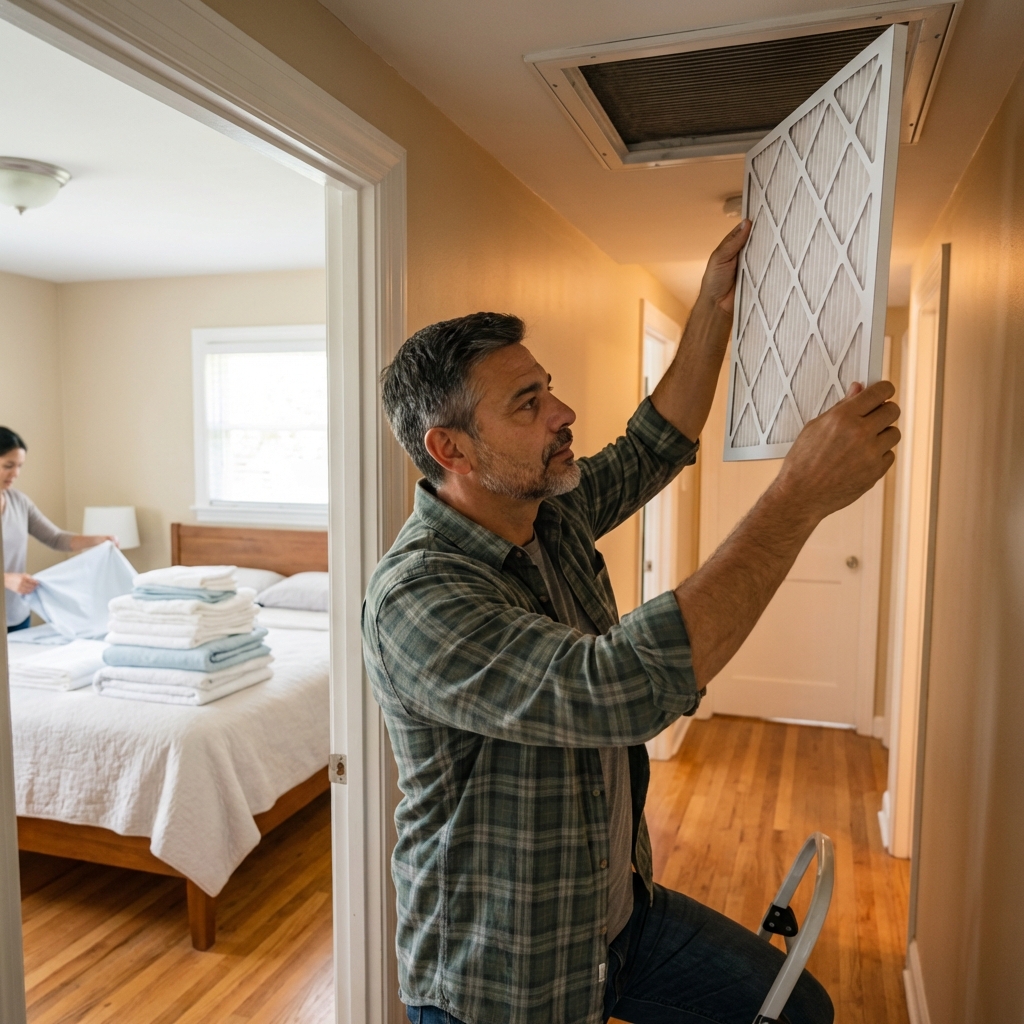
- Clean or replace HVAC filters. Use a higher quality filter if your system supports it.
- Reduce clutter near the bed: piles of clothes, extra pillows, and stacked blankets collect dust.
Winter: keep routines steady
Winter often means more time in bed, thicker blankets, and less ventilation. Indoor humidity can go either way: some homes get very dry with heating, others stay damp in bedrooms and basements. Your goal is consistency.
Winter checklist
- Keep washing weekly even when it is cold. Dust mites do not take the season off indoors.
- Dry blankets thoroughly. Thick comforters can feel dry on the outside while staying damp inside.
- Keep humidity in a safe zone: Try to stay below 50%. If your house gets extremely dry, do not overcorrect with a humidifier. Too much humidity helps mites.
- Vacuum upholstered furniture where people nap, lounge, or watch TV.
Where dust mites hide most
If you are short on time, hit these in order. This is where you get the most return.
- Mattress and pillows
- Sheets, pillowcases, and blankets
- Upholstered furniture
- Carpets and rugs
- Curtains, stuffed items, and fabric clutter
If allergies are severe, consider reducing wall-to-wall carpet in bedrooms over time. In real homes, that one change often makes cleaning easier and results more noticeable. Other high-impact swaps include washable rugs, blinds instead of heavy curtains, and minimizing upholstered headboards.
Pillow tip: Choose washable pillows when possible, wash pillow protectors regularly, and consider replacing very old pillows that no longer clean well.
A simple weekly routine
- Wash sheets and pillowcases hot when possible.
- Dry on high heat until fully dry.
- HEPA vacuum around the bed and any nearby rugs (slow passes).
- Damp wipe nightstands and headboard.
If you can add one monthly task, make it vacuuming the mattress surface and washing the duvet cover, blanket, or quilt.
FAQ
Does sunlight kill dust mites?
Sunlight can help by warming and drying items, and UV may have some effect, but results are inconsistent in real homes. Use sun as a bonus, and focus on reliable steps like hot washing, thorough drying, and humidity control.
What temperature kills dust mites in the wash?
Many allergy resources often recommend hot water around 130°F (54°C) or higher to kill mites. If your washer does not reach that, use the hottest safe setting for the fabric and rely on a hot dryer cycle, plus encasements and regular cleaning to reduce allergens.
Can I get rid of dust mites without chemicals?
Yes. Heat, freezing, humidity control, encasements, and HEPA cleaning can dramatically reduce mites and allergens without chemical sprays.
How long does it take to notice a difference?
Many people report improvement after 1 to 2 weeks of weekly laundering and better humidity control, but results vary. Bigger changes like encasements and a full bedroom reset often feel more noticeable within a month. If symptoms persist, consider talking with a clinician or allergist, especially if asthma is involved.
Bottom line
To kill dust mites naturally, lean on the methods that actually move the needle: hot wash and thorough hot dry, freeze what you cannot wash, keep indoor humidity below 50%, and remove allergens with HEPA sealed vacuuming and damp wiping. Then use seasonal routines to stay ahead of the problem instead of reacting when symptoms flare.
If you want the simplest place to start, start with your bed. That is where the highest concentration of dust mite allergens usually lives, and it is where you spend the most uninterrupted hours breathing.

Jose Brito
I’m Jose Britto, the writer behind The Country Store Farm Website. I share practical, down-to-earth gardening advice for home growers—whether you’re starting your first raised bed, troubleshooting pests, improving soil, or figuring out what to plant next. My focus is simple: clear tips you can actually use, realistic expectations, and methods that work in real backyards (not just in perfect conditions). If you like straightforward guidance and learning as you go, you’re in the right place.