Fleas are tiny, fast, and stubborn because you are not fighting just the bugs you can see. You are fighting a whole life cycle. Adults bite, but most of the problem is hiding as eggs, larvae, and pupae in carpets, pet bedding, cracks in floors, upholstery, and shady spots outside.
The fastest results come from doing three things at once:
- Kill adult fleas on pets and in the home.
- Stop eggs and larvae from becoming new adults (this is where most flea plans fail).
- Clean and repeat on a schedule long enough to break the cycle.
This guide walks you through what kills fleas quickly, with straightforward options for pets, indoors, and outdoors.
Quick reality check: Why fleas keep coming back
Fleas have four stages: egg, larva, pupa, and adult. Adult fleas on your pet are the tip of the iceberg. Eggs fall off into the environment. Larvae hide deep in fibers and debris. Pupae can sit protected and then hatch when they sense vibration and carbon dioxide.
That is why one bath or one spray can seem to work for a day, then you are right back where you started. The goal is fast knockdown plus follow-through.
What kills fleas fast on pets
If your pet is the main host, you will not win the home battle without treating the animal. For the fastest kill, use vet-recommended products that work systemically or with a long-lasting topical.
Fastest options (generally most effective)
- Oral flea medications (prescription): Many start killing within hours and continue working for weeks. Ask your vet which is appropriate for your pet’s age, weight, and health.
- Topical monthly treatments: Applied to the skin, they kill adults and often disrupt the life cycle. Make sure the product is labeled for your exact species and weight range.
- Flea collars (long-acting): Some modern collars work well, but avoid cheap, heavily scented collars that do not list active ingredients clearly.
For immediate relief today
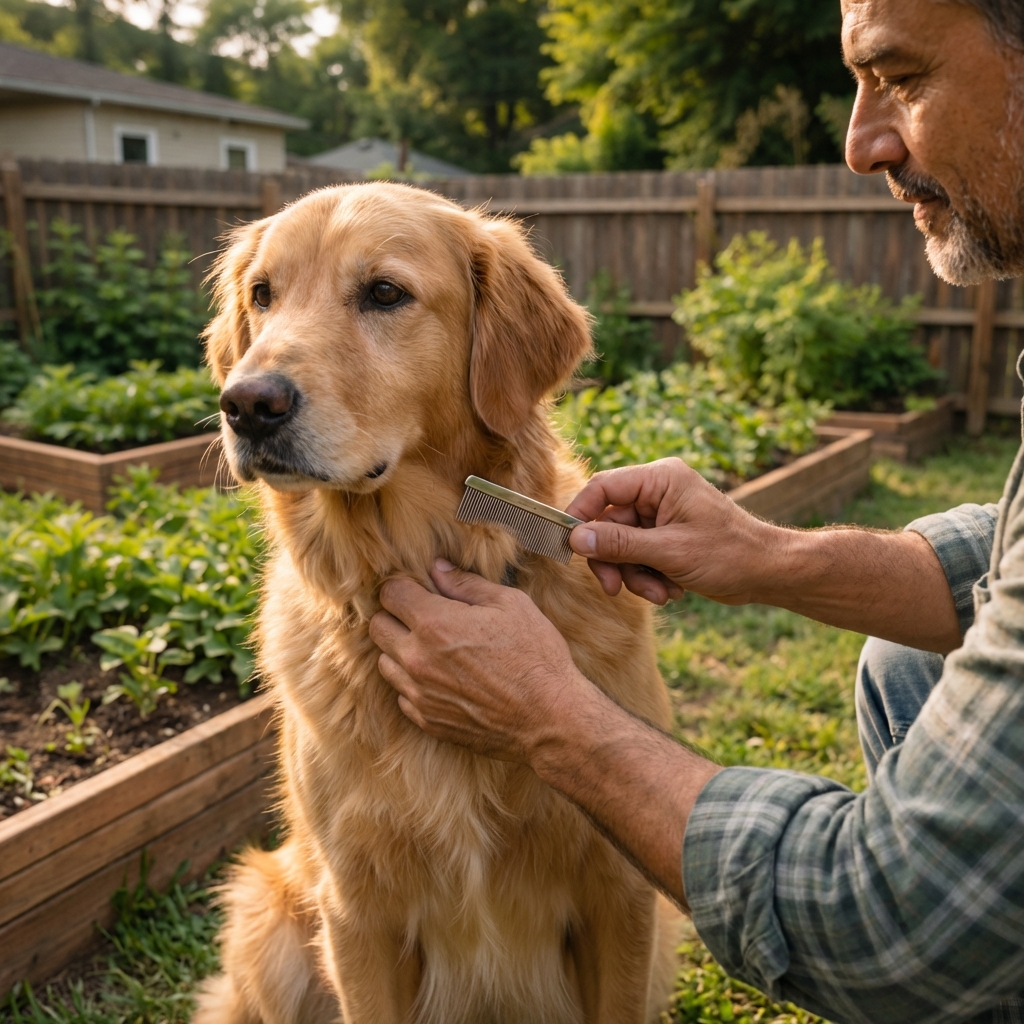
- Flea comb + soapy water: Comb slowly, especially around the neck and base of the tail. Dunk the comb in a cup of warm water with dish soap to kill captured fleas.
- Flea bath or pet-safe shampoo: This can kill adults on contact, but it does not protect against reinfestation unless you pair it with a longer-lasting treatment.
Important safety notes
- Never use dog flea products on cats. Some dog treatments contain permethrin, which can be dangerous to cats.
- Do not stack multiple flea pesticides without vet guidance. More is not better.
- Young, small, pregnant, or medically fragile pets need extra caution. When in doubt, call your vet.
- Treat every pet in the household on the same schedule. If one animal is untreated, fleas have a safe place to keep reproducing.
What kills fleas fast in the house
Indoors, speed comes from combining mechanical removal (vacuuming and washing) with targeted treatment where fleas develop.
Step 1: Vacuum like you mean it
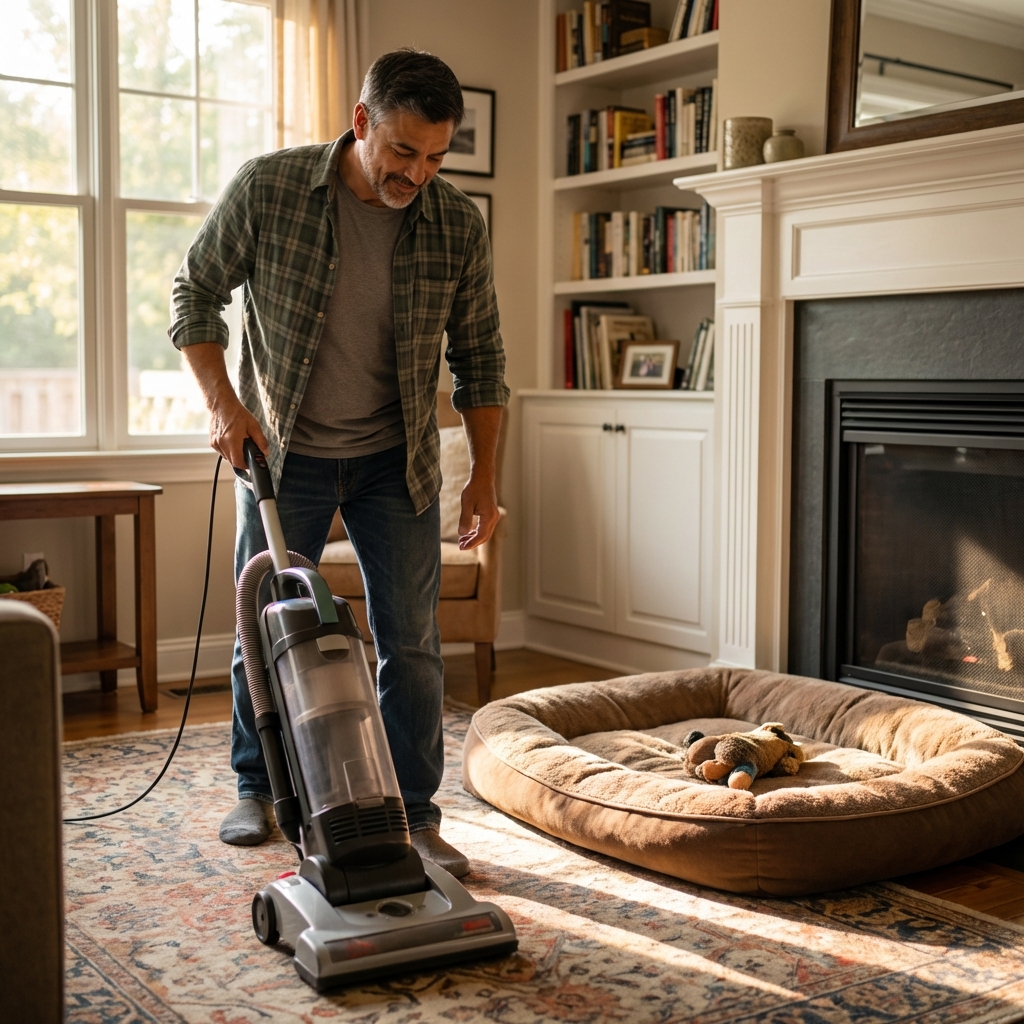
Vacuuming is one of the quickest ways to reduce adults, eggs, and larvae. It can also stimulate pupae to hatch, which sounds bad until you realize it can make them easier to remove and more likely to contact treated areas over time.
- Vacuum carpets, rugs, baseboards, under furniture, and pet nap zones.
- Use a crevice tool along edges and cracks.
- Do not forget soft furniture, pet carriers, and even car upholstery if your pet rides with you.
- Empty the canister outside immediately, or seal the bag in a trash bag and take it out.
Step 2: Wash and heat-dry fabrics
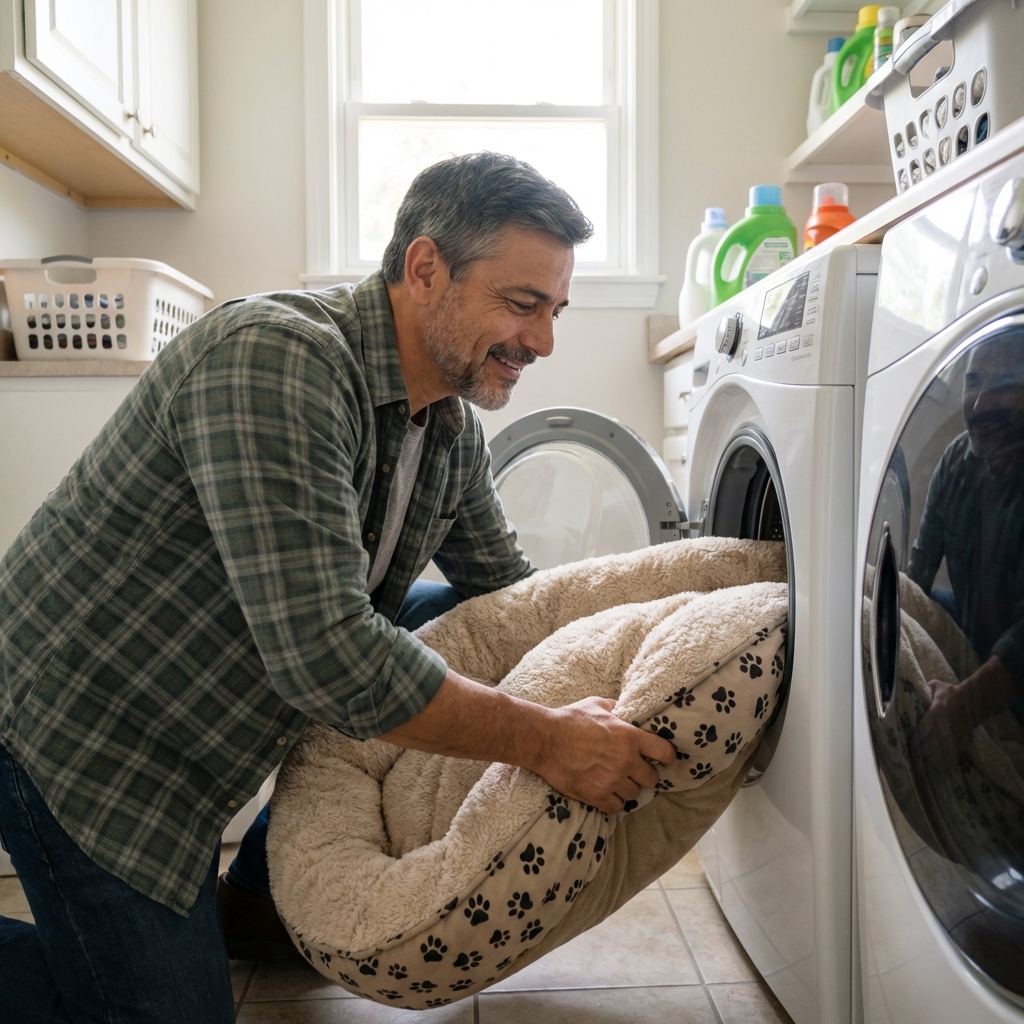
Heat is a flea killer. Wash pet bedding, throws, cushion covers, and any fabric your pet uses.
- Use the hottest water safe for the fabric.
- Dry on high heat for at least 30 minutes, or as long as the fabric safely allows.
Step 3: Use an IGR indoors (the key missing piece)
If you want “quick” results that actually last, use a product that includes an insect growth regulator (IGR) like methoprene or pyriproxyfen. IGRs do not always kill adults on contact, but they stop eggs and larvae from maturing. That is how you break the cycle.
Look for indoor sprays labeled for carpets and upholstery that combine:
- Adulticide (kills adult fleas), and
- IGR (stops development).
Quick indoor spray safety checklist
- Remove pets and people from the room during application.
- Cover or remove aquariums and turn off air pumps during use (follow the label).
- Ventilate well and follow label directions for re-entry time.
- Ensure surfaces are completely dry before pets re-enter the room.
Foggers are rarely the best first move
Bug bombs can miss the real hiding spots (deep carpet, under furniture) and add unnecessary pesticide exposure. If you use one, read the label closely and still plan to vacuum and treat the areas where fleas develop.
What kills fleas fast in the yard
If your pet spends time outside, the yard can keep reinfecting the house. Fleas love shade, moisture, and organic debris. Sunny, dry areas are naturally less flea-friendly.
Quick yard cleanups that make a real difference
- Mow and bag if the lawn is overgrown.
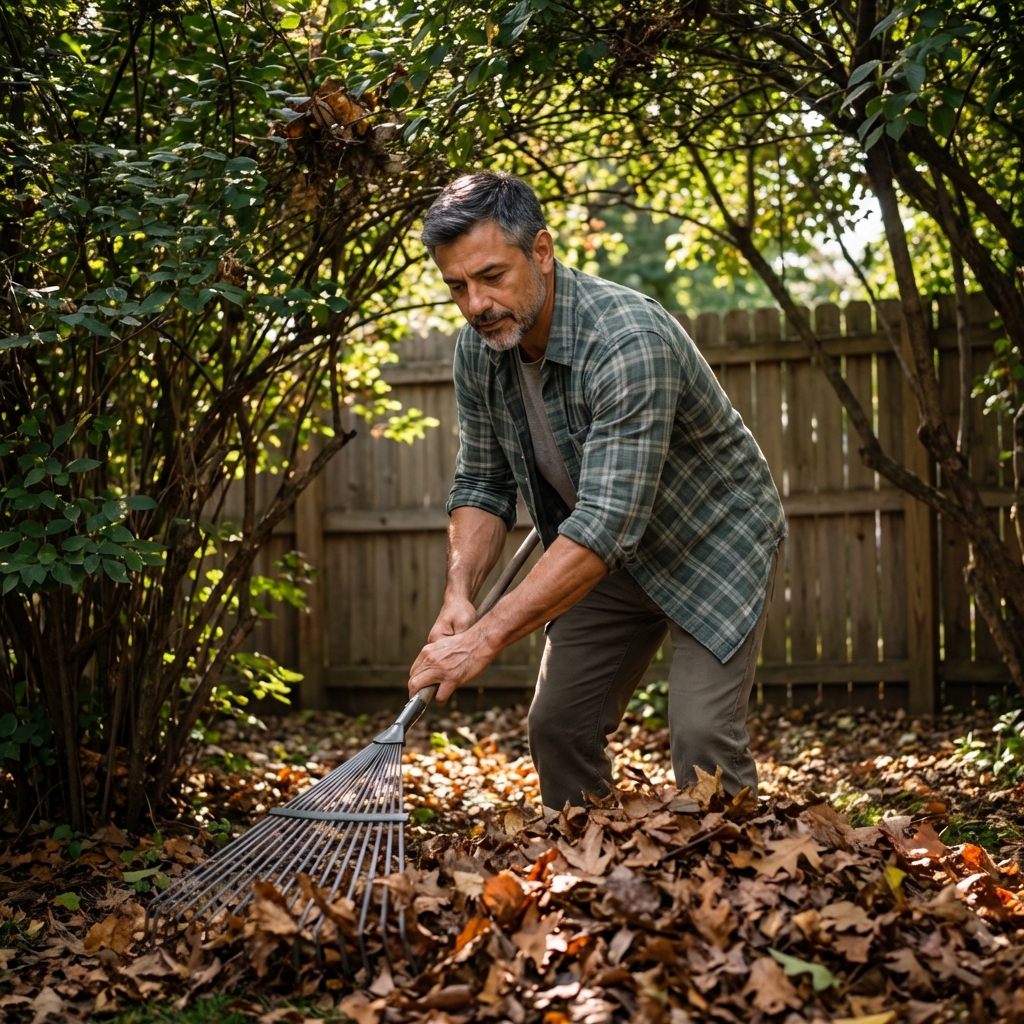
- Rake up leaf litter and remove piles where larvae can hide.
- Trim back dense groundcover and open up airflow.
- Focus on pet zones: under decks, along fences, around dog runs, and under shrubs.
Targeted outdoor treatments
Outdoor sprays or granules can help, but they work best as part of a bigger plan. Choose products labeled for fleas and follow directions exactly, especially around edible gardens, ponds, and pollinator plants.
- Beneficial nematodes (Steinernema spp.): Species like Steinernema carpocapsae or Steinernema feltiae can reduce flea larvae in soil. Results vary based on moisture, temperature, and sunlight. Apply when the soil is moist, water in well, and avoid applying in the heat of midday sun.
- Yard insecticides: Use only where needed (shady hotspots), not the whole yard by default. More coverage is not always more control.
A simple 7 to 21 day flea knockout plan
Here is a realistic schedule that works in real homes.
Day 1
- Treat all pets with a vet-approved flea control product.
- Vacuum thoroughly.
- Wash and heat-dry pet bedding and frequently used fabrics.
- Apply an indoor spray with an IGR to carpets and pet areas (follow label and ventilation instructions). Ensure surfaces are completely dry before pets re-enter the room.
Days 2 to 7
- Vacuum daily if possible, or at least every other day.
- Keep pets on their treatment schedule.
- Rewash bedding midweek if the infestation was heavy.
Weeks 2 to 3
- Continue vacuuming 2 to 3 times per week.
- Spot-treat any remaining hotspots as allowed by product labels.
- Do yard cleanup and treat shaded pet zones if needed.
If you do this consistently, most homes see a big drop fast, then steady improvement as the last pupae hatch and get eliminated. Seeing the occasional flea during this window is normal and does not automatically mean the plan failed.
DIY options: What helps, what does not
Helpful (when used correctly)
- Dish soap trap: A shallow dish of warm water plus a few drops of dish soap placed near a night light can catch some adult fleas. It will not solve an infestation, but it can confirm fleas are present.
- Steam cleaning carpets: Heat can kill fleas in fibers. Use care with delicate flooring and do not skip vacuuming.
Be cautious
- Diatomaceous earth (food-grade): It can help in dry cracks and crevices, but it is messy and the dust is irritating to lungs. Keep pets and kids away during application and avoid using it where it will puff into the air.
- Essential oils: Many are unsafe for pets, especially cats, and homemade mixes are inconsistent. Skip these as a primary strategy.
Usually not worth it
- Garlic, brewer’s yeast, “natural” oral remedies: Not reliable and some can be harmful.
- Vinegar sprays: They may repel a little, but they do not reliably kill fleas or stop reproduction.
When to call a pro
Consider professional pest control if:
- You have repeated reinfestations despite treating pets and cleaning.
- Multiple rooms are heavily affected.
- You have health constraints that make DIY pesticide use risky.
A good pro will explain their plan, use an IGR, and tell you exactly what prep and follow-up is needed.
FAQ
What kills fleas instantly?
On contact, a flea bath, some sprays, and some fast-acting oral medications can kill quickly. But “instantly” is not the same as “solved.” You still need an IGR and repeat cleaning to stop eggs and larvae.
How long does it take to get rid of fleas completely?
With a solid plan, you often see major relief in 2 to 3 weeks. But because pupae can stay protected and emerge over time, completely eliminating every last emerging flea can take 6 to 8 weeks and sometimes a few months, especially in heavy infestations or carpeted homes.
Do I have to treat the yard?
Not always. If your pet mainly stays indoors, you may not need yard treatment. If your pet spends time outside and keeps bringing fleas in, yard cleanup and targeted treatment in shady pet areas can be a game changer.
Bottom line
The quickest way to kill fleas is a combo: treat the pet, vacuum and launder aggressively, and use an IGR indoors. Do it on a schedule long enough to outlast the life cycle. That is how you get fast relief and lasting results.

Jose Brito
I’m Jose Britto, the writer behind The Country Store Farm Website. I share practical, down-to-earth gardening advice for home growers—whether you’re starting your first raised bed, troubleshooting pests, improving soil, or figuring out what to plant next. My focus is simple: clear tips you can actually use, realistic expectations, and methods that work in real backyards (not just in perfect conditions). If you like straightforward guidance and learning as you go, you’re in the right place.