Fleas are one of those problems that can feel like they come out of nowhere. One day your cat is fine, the next day you are seeing constant scratching, little black specks in the fur, and maybe even bites on your ankles when you walk through the house.
Those black specks are often flea dirt (digested blood). A quick check: put a few specks on a damp white paper towel. If they smear reddish-brown, that is a strong clue you are dealing with fleas.
Here is the honest truth: the best answer to what kills fleas on cats is not just one product. It is a simple one-two punch.
- Kill the fleas on the cat with a cat-safe treatment that actually works.
- Break the flea life cycle in the home and yard so the next generation does not hatch and jump right back on.
Also important: if you have more than one pet, plan to treat every pet in the household (with species-appropriate products). Otherwise fleas just hop between hosts and you end up stuck in a loop.
Fast answers: what kills fleas on cats
When people say “kills fleas,” they usually mean adult fleas that are biting right now. These options are the most reliable, with the least guesswork.
1) Vet-approved topical or oral flea meds
These are the workhorses. Many start killing adult fleas within hours. How long they last depends on the product, and can range from short-acting fast relief to longer-lasting monthly or longer prevention.
- Topical spot-ons applied to the skin at the back of the neck.
- Oral treatments (pills) that kill fleas after the fleas feed.
Because brand availability and what is safe can depend on your cat’s age, weight, and health, your veterinarian is the best source for picking the right one. If your cat is a kitten, elderly, pregnant, nursing, or has a history of seizures, do not guess. Never use a product that is not labeled for your cat’s current age and weight.
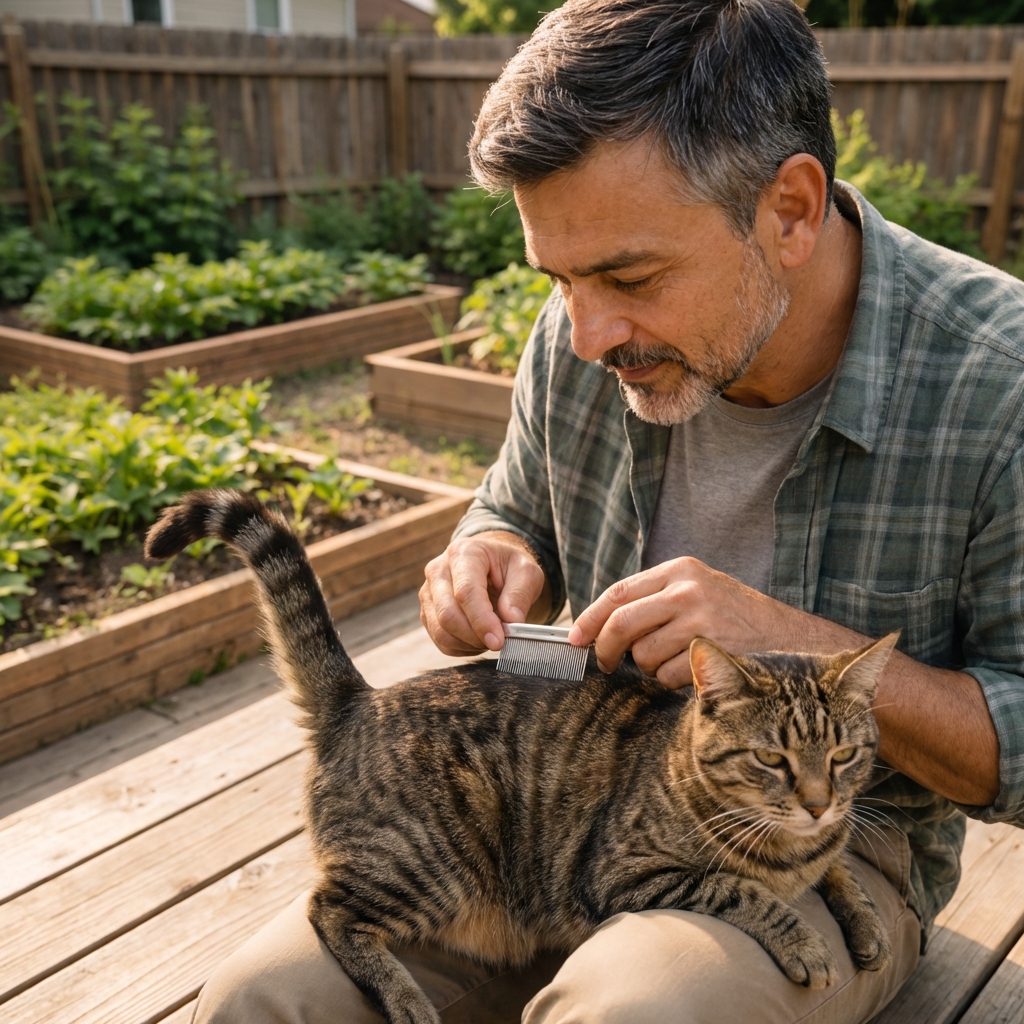
2) A flea comb plus soapy water
This is not glamorous, but it is effective, immediate, and cheap. Comb slowly, especially around the neck and base of the tail. Dip the comb into a bowl of warm water with a few drops of dish soap to drown any fleas you catch.
It will not solve a heavy infestation by itself, but it is a great add-on while you are waiting for medication to kick in.
3) Cat-safe flea shampoo (sometimes)
Some flea shampoos can kill adult fleas on contact. The catch is that many do not last long. If you shampoo but do not follow up with a longer-lasting treatment and environmental cleanup, fleas often return quickly.
Only use shampoos labeled specifically for cats, and follow directions exactly. Be cautious with products containing pyrethrins or similar ingredients, and do not mix products unless your vet says it is safe. Also note: bathing too soon before or after some topical treatments can reduce effectiveness, so check the label or ask your vet.
4) Flea collars (a quick reality check)
Some modern flea collars can be effective, especially for prevention. Others are weak, poorly tolerated, or simply do not perform well. If you are considering a collar, ask your vet which options are worth using, and avoid bargain collars with vague labeling.

The mistake that keeps fleas coming back
Adult fleas are only part of the problem. A large portion of the flea population is usually eggs, larvae, and pupae in your environment, not on your cat.
- Eggs fall off into bedding, carpets, and cracks in flooring.
- Larvae hide in dark, protected places and feed on organic debris.
- Pupae can wait and then emerge when they sense vibration and heat.
That is why you can treat your cat and still see fleas for a while. You are not failing. You are seeing newly emerged fleas that were already developing in the house or yard.
What to do at home
Vacuum hard for at least 2 weeks
Vacuuming physically removes eggs and larvae and also triggers pupae to hatch so they can be killed by ongoing treatment. For many homes, 2 weeks of consistent vacuuming makes a big difference. For stubborn infestations, plan on 3 to 6 weeks.
Focus on:
- Rugs and carpet edges
- Under furniture
- Pet sleeping areas
- Cracks along baseboards
Empty the vacuum canister outside right away, or seal the bag and remove it.
Wash bedding on hot
Wash your cat’s bedding, your bedding, and throw blankets in hot water when possible, then dry on high heat.
Consider an IGR (and sometimes a combo product)
An insect growth regulator (IGR) stops flea development. It does not “kill on contact” like an adulticide, but it is excellent for breaking the cycle when used correctly.
For severe infestations, a product that combines an adulticide + IGR can be useful, especially when paired with pet treatment. Follow label directions carefully and keep pets away until treated areas are fully dry.
When to bring in a pro
If fleas keep coming back despite treating all pets and doing steady cleaning, or if you are dealing with a heavy multi-pet infestation, professional pest control can help. Ask about an approach that targets flea hot spots and includes an IGR, and always follow re-entry instructions for pets.
Yard steps that help
If your cat goes outdoors, or if pets track fleas in from the yard, your garden can become a steady reinfestation source. The goal is to make your yard less friendly to flea larvae, which prefer shady, humid, protected spots.
Target the flea zones
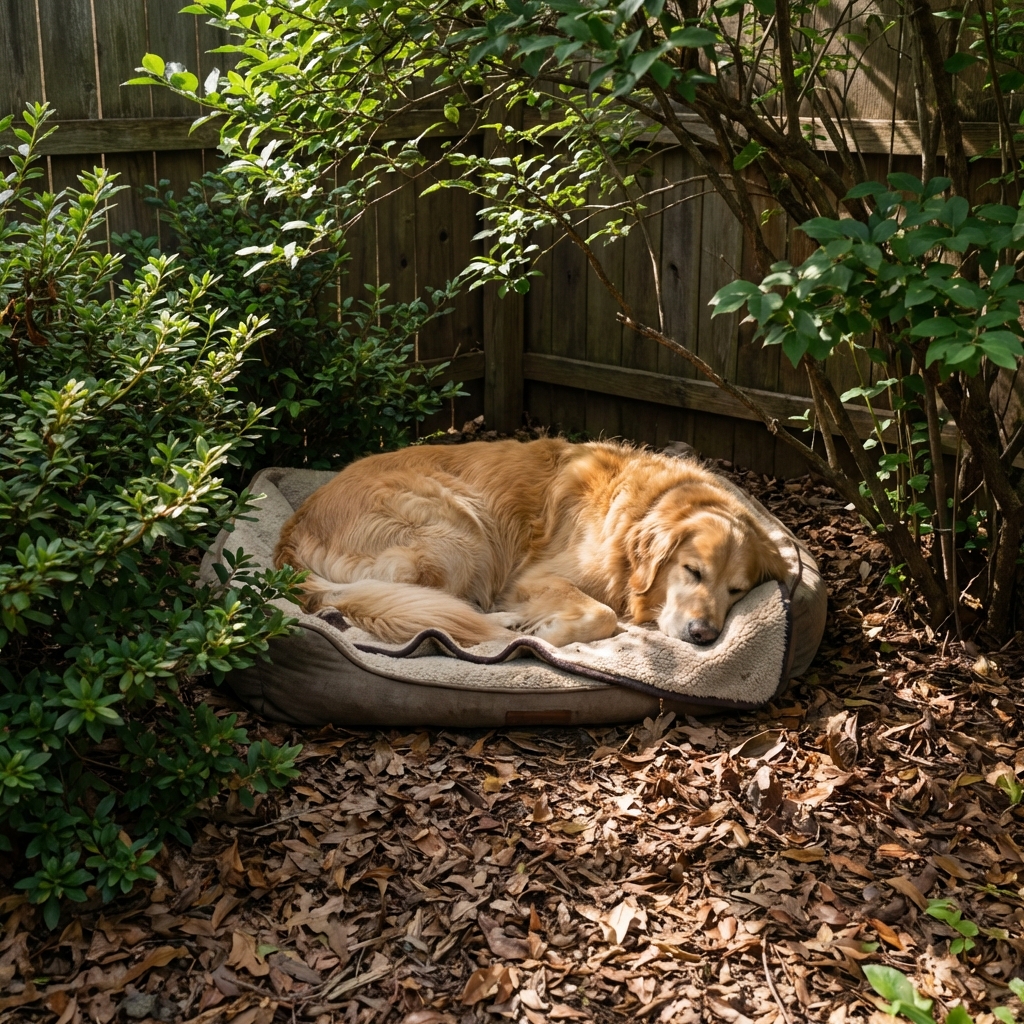
Walk your property and look for areas that stay cool and damp:
- Under decks and porches
- Under shrubs where pets nap
- Along fences and woodpiles
- Thick groundcovers and tall grass edges
Prune, rake, and dry things out
This is where gardening habits really help. Flea larvae do poorly in hot, sunny, dry areas.
- Prune lower branches to improve airflow.
- Rake leaf litter and decomposing debris from shaded corners.
- Mow regularly and trim edges where grass stays tall.
- Limit overwatering in areas where pets hang out.
Use beneficial nematodes carefully
If you want a garden-friendly option for the yard, beneficial nematodes (often sold as Steinernema species, product-dependent) can reduce flea larvae in soil. Results can be variable, so treat them as a helpful tool, not a guarantee.
They work best when:
- Applied to moist soil in shady areas where fleas develop
- Used when temperatures are suitable per the package directions
- Kept out of direct sun during application (early morning or evening)
Think twice before spraying everything
Broadcast spraying insecticides can harm beneficial insects and does not always solve the root issue if wildlife or neighborhood pets keep reintroducing fleas. If you do choose a yard product, treat hot spots instead of the entire lawn, and follow the label exactly.
What not to use on cats
Because this topic gets risky fast, these warnings are worth being blunt about.
- Never use dog flea medication on cats. Some dog products contain permethrin and can be toxic to cats.
- Avoid essential oils on cats (including tea tree oil). Cats metabolize many compounds differently and can get very sick.
- Skip DIY mixes like garlic, vinegar, or concentrated “natural” sprays on fur. They are unreliable at best and harmful at worst.
If your cat seems wobbly, drooling, vomiting, unusually tired, or is having tremors after any product use, contact a veterinarian or pet poison hotline immediately.
How long until fleas are gone?
With effective treatment on your cat plus consistent cleanup, many households see major improvement in 1 to 3 weeks. Some situations take longer because pupae can keep emerging.
A practical benchmark:
- 24 to 48 hours: adult fleas on the cat often drop quickly with a proven medication, but the exact speed depends on the product.
- 7 to 14 days: fewer new fleas if you are vacuuming and washing bedding.
- 3 to 6 weeks: stubborn infestations usually resolve when the life cycle is fully interrupted.
A simple plan
- Day 1: Treat every pet in the home with a species-appropriate, vet-approved product.
- Days 1 to 14: Vacuum frequently and wash bedding weekly.
- Week 1: Tackle yard hot spots: prune, rake, reduce damp shade, and consider beneficial nematodes.
- Ongoing: Keep your cat on consistent prevention during flea season in your area.
If you keep treating the cat but skip the environment, fleas tend to boomerang. If you do both, you usually win.

When to call the vet
Get veterinary help if:
- Your cat is a kitten, elderly, pregnant, nursing, or has health issues
- You see signs of flea allergy dermatitis (intense itching, scabs, hair loss)
- Your cat has pale gums, weakness, or fatigue (possible anemia, especially in kittens)
- Over-the-counter products are not working after you have done environmental cleanup

Jose Brito
I’m Jose Britto, the writer behind The Country Store Farm Website. I share practical, down-to-earth gardening advice for home growers—whether you’re starting your first raised bed, troubleshooting pests, improving soil, or figuring out what to plant next. My focus is simple: clear tips you can actually use, realistic expectations, and methods that work in real backyards (not just in perfect conditions). If you like straightforward guidance and learning as you go, you’re in the right place.