Wasps can be helpful predators in the garden, but when they start nesting near doors, play areas, pets, or work zones, it becomes a safety problem. If you are searching for what kills wasps instantly and you want to keep things as low-toxicity and low-residue as possible, there are a few approaches that work fast without reaching straight for the harshest chemicals.
Important: If you have allergies to stings, a large nest, or wasps inside a wall void, do not DIY it. Call a licensed pro. “Eco-friendly” is not worth a trip to the ER.
Quick ID warning: Do not treat if you are not sure you are looking at wasps. Honey bees and many native bees are beneficial and are handled differently. If the insects are fuzzy, slow-moving, or visiting flowers heavily, pause and confirm identification first.
Info note: This guide is for general homeowner education. Follow local laws and label directions for any product you use, and consider HOA rules where applicable.
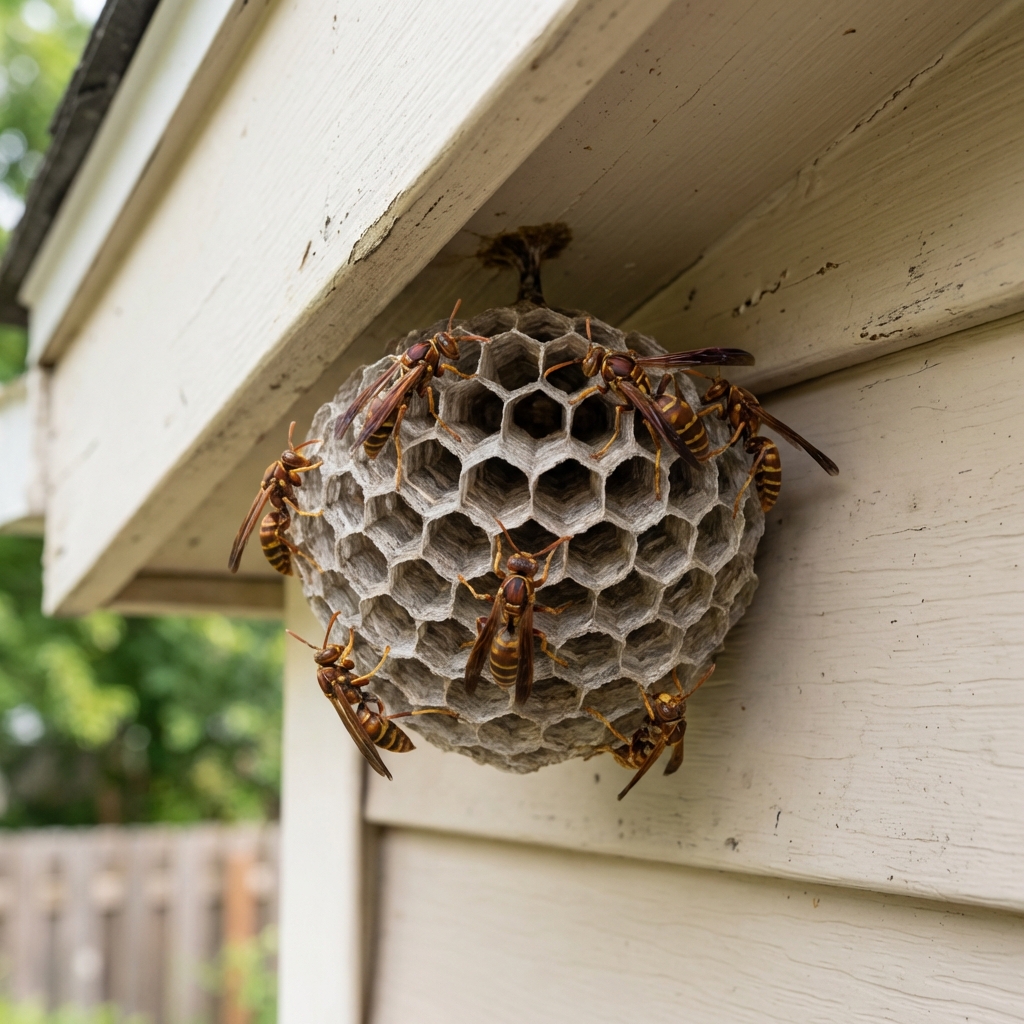
First, identify what you are dealing with
Different wasps act differently, and nest placement changes what is safe and effective.
- Paper wasps: Open, umbrella-shaped nests under eaves, railings, or mailbox lids. Generally easier to treat directly.
- Yellowjackets: Often nest in the ground or wall voids. More defensive and quick to swarm. They may have more than one entrance.
- Hornets (often mislabeled): Many people say “hornet” when they mean yellowjacket. True aerial nesters (like bald-faced hornets) often make large, enclosed paper nests in trees or under structures. Give them extra space.
If you are not sure, treat it as a defensive species and keep your distance.
What kills wasps instantly (lower-toxicity options)
Here are the fastest lower-toxicity methods that can work in real backyards. “Instantly” can mean seconds to a couple minutes, depending on contact, the size of the wasp, and whether you hit the nest or just a few individuals.
1) Soapy water spray (fast knockdown)
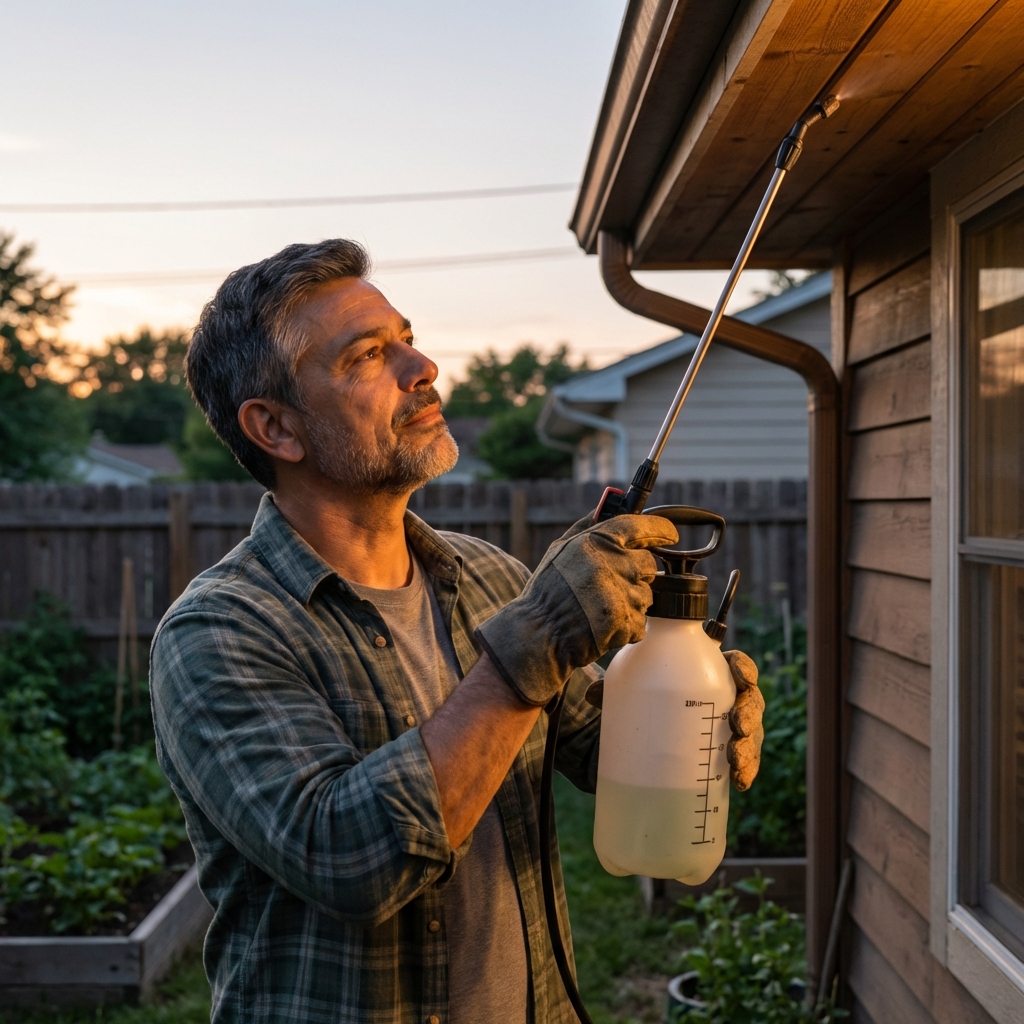
This is one of the best low-residue options for quick knockdown when you can safely get close. A strong soap solution can immobilize wasps quickly by disrupting their protective outer coating and interfering with normal breathing. The key is thorough contact. A light mist will not do much.
- Mix: 2 tablespoons liquid dish soap per quart (4 cups) of water. For a larger sprayer: 1/3 cup per gallon.
- Apply: Use a pump sprayer or a strong spray bottle. Aim to soak the wasp, not mist it.
- Best for: Individual wasps and small paper wasp nests.
Tip: Spray at dusk or very early morning when wasps are less active and most are on the nest.
2) Boiling water (can be fast for ground nests, high risk)
For some yellowjacket ground nests, boiling water can kill quickly and leaves no pesticide residue. The downside is the risk and the variability. Nests can be deep, branched, and may have multiple entrances, so a single pour might not reach the colony. It may take more than one attempt, and sometimes it simply is not effective enough.
- How: At dusk, pour a large pot of boiling water directly into the most active nest entrance.
- Best for: Ground entrances in open areas where you can retreat quickly.
- Avoid: Nests near foundations, landscape timbers, or any spot where boiling water could cause injury or damage plants you care about.
If you cannot pour and retreat safely, or if there is heavy traffic and more than one entrance, skip this method and call a pro.
3) Botanical contact sprays (pyrethrin-based)
If you need distance and immediate effect, some lower-persistence sprays use pyrethrins (derived from chrysanthemum flowers). They can kill fast on contact. Even though they come from a plant, they are still insecticides and can harm beneficial insects if misused.
- Best for: Situations where you cannot get close enough for soap, but you still want a product that tends to break down relatively quickly in sunlight.
- Important: Avoid spraying near blooms. Pyrethrins are toxic to bees.
- Do not confuse terms: Pyrethrins are botanical. Pyrethroids are synthetic and often persist longer. Read labels carefully so you buy what you intend.
How to do it safely
Most stings happen when people rush, spray mid-day, or block their own escape route. Use this simple safety checklist:
- Go at dusk or dawn: Wasps are slower and most are home.
- Wear protection: Long sleeves, long pants, closed shoes, gloves, and eye protection.
- Plan your exit: Always have a clear path to retreat. Do not stand on a ladder if you can avoid it.
- Keep lights low: Bright lights can agitate wasps at night. Use a flashlight with a red filter if needed.
- Do not seal entrances first: Especially for yellowjackets in walls. You can drive them indoors.
What to do after knockdown
Getting quick control is step one. Step two is making sure the problem does not immediately restart.
- Paper wasps (exposed nests): After activity stops, you can often knock down and bag a small nest. Do it at dusk or dawn. Wash the area with soapy water to reduce lingering scent cues.
- Yellowjackets (ground nests): Removing the underground nest is usually impractical. Focus on stopping activity and monitoring. If you still see steady traffic after treatment, assume there is more nest structure than you reached or another entrance.
- Wall void nests: Do not open walls or seal holes while the colony is active. Call a professional.
Prevention that actually reduces wasps
Once you handle the immediate problem, prevention keeps it from happening again in the same spot.
Remove attractants
- Keep trash lids tight and rinse sticky cans.
- Pick up fallen fruit under trees.
- Do not leave pet food outside.
Block nesting sites
- Seal small gaps around siding and soffits with caulk (do this in the off-season, not during an active nest).
- Repair screens and add door sweeps where needed.
- For ground nesters, fill old rodent holes and reduce open soil pockets near patios.
Early-season scouting
In spring, queens start small nests. Knocking down a tiny starter nest under an eave is much easier and safer than dealing with a full summer colony.
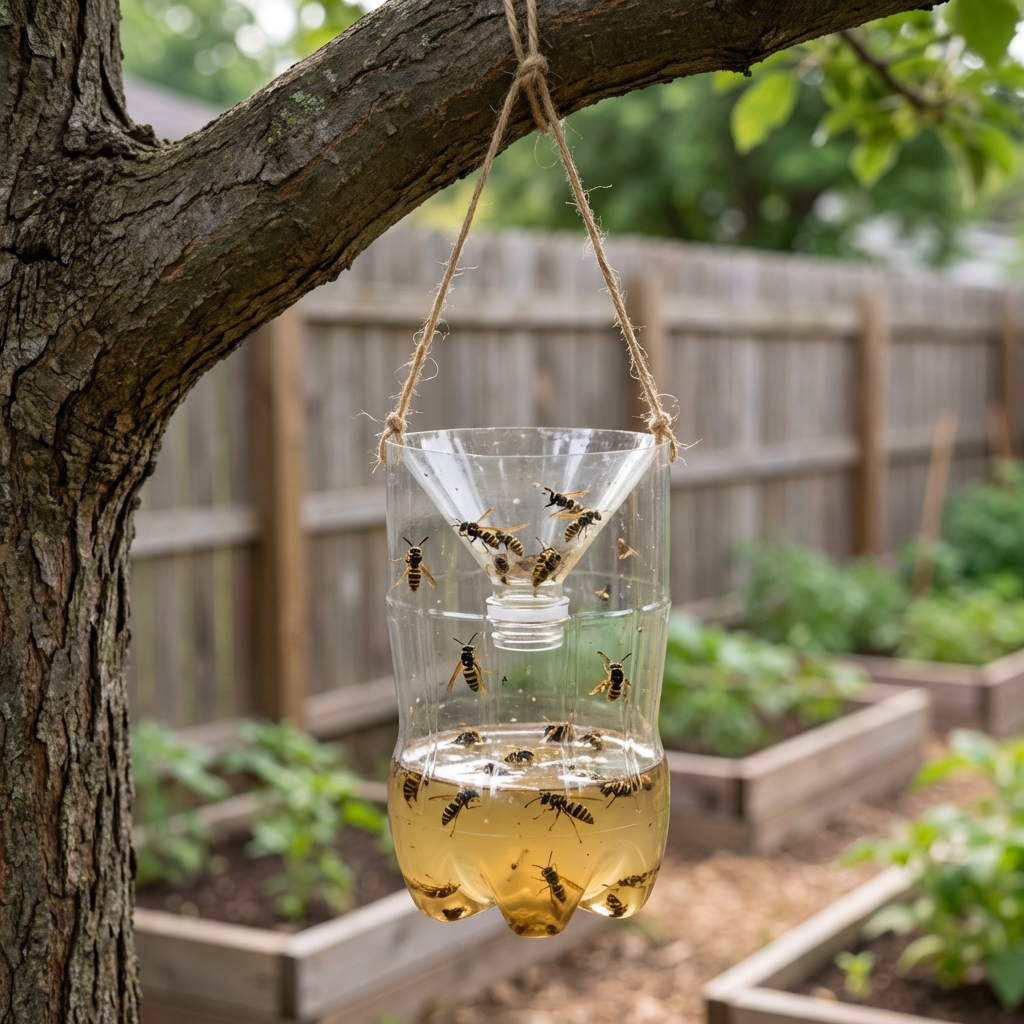
Do eco traps work?
Traps can help, but they are not a magic off switch.
- When traps help most: Away from your seating areas, placed at the edge of the yard to pull wasps outward.
- Bait choice: In early season, protein baits can attract yellowjackets. Later in summer, sweet baits work better.
- Big caution: Traps can increase wasp activity where you hang them. Keep them far from doors, decks, and play areas.
What not to do
- Do not burn nests: Fire spreads fast under eaves and in dry landscaping.
- Do not flood wall voids: Water damage and angry wasps inside your home is a bad combo.
- Do not swing at them: It ramps up stings and does not solve the nest.
- Do not spray broad insecticides on flowers: You will hit pollinators and beneficials.
When to call a professional
Call a pro if any of these are true:
- The nest is inside a wall, attic, soffit, or chimney.
- You see heavy traffic in and out of a small hole (common with yellowjackets, and there may be more than one entrance).
- The nest is large or high up where you would need a ladder.
- Anyone in the home has a history of allergic reactions to stings.
A good operator can often remove nests with targeted treatment and minimal impact on the rest of the yard.
Quick answer roundup
- Fastest low-residue DIY: A direct, soaking soapy water spray on individual wasps or small exposed nests.
- Fast option for some ground nests (with risk): Boiling water into the entrance at dusk, but results vary and it may take repeat attempts.
- Distance option that breaks down relatively quickly: Pyrethrin-based wasp sprays used carefully and away from blooms. Do not confuse with longer-lasting pyrethroids.
If you tell me what type of nest you have and where it is located, I can point you to the safest option for your exact situation.

Jose Brito
I’m Jose Britto, the writer behind The Country Store Farm Website. I share practical, down-to-earth gardening advice for home growers—whether you’re starting your first raised bed, troubleshooting pests, improving soil, or figuring out what to plant next. My focus is simple: clear tips you can actually use, realistic expectations, and methods that work in real backyards (not just in perfect conditions). If you like straightforward guidance and learning as you go, you’re in the right place.