Mosquito control gets a lot easier when you stop thinking about “repelling” as one magic plant or candle. In real backyards, the best results come from a simple stack of steps: remove breeding water, make your yard less comfortable for adult mosquitoes, then use proven repellents in the spots you spend time.
This guide walks you through what actually works, what mostly doesn’t, and how to set up a mosquito-repelling garden you can maintain without turning it into a full-time job.

Start here: what attracts mosquitoes
Knowing what pulls mosquitoes in helps you repel them effectively. Most backyard species are attracted by:
- Standing water where they lay eggs
- Still, shady, humid areas where adults rest during the day
- Carbon dioxide from breathing and body heat
- Scent from sweat and skin bacteria
You cannot change your breathing, but you can absolutely change the yard conditions that let mosquitoes multiply and hang around.
Step 1: Remove breeding water (biggest win)
If you do only one thing, do this. Mosquitoes can breed in very small amounts of water, even shallow puddles in containers you’d never think twice about. In warm weather, many species can go from egg to flying adult in as little as 7 to 10 days, and often within 1 to 2 weeks depending on species and temperature.
Quick backyard checklist (10 minutes)
- Dump water from saucers under pots, buckets, wheelbarrows, toys, and overturned lids
- Check tarps and covers for dips that hold water, then drain or tighten them
- Change birdbath water at least weekly, more often in heat
- Clean clogged gutters so water does not sit
- Fix leaky spigots and irrigation that creates puddles
- Fill low spots with soil or regrade so water drains
- Store containers upside down
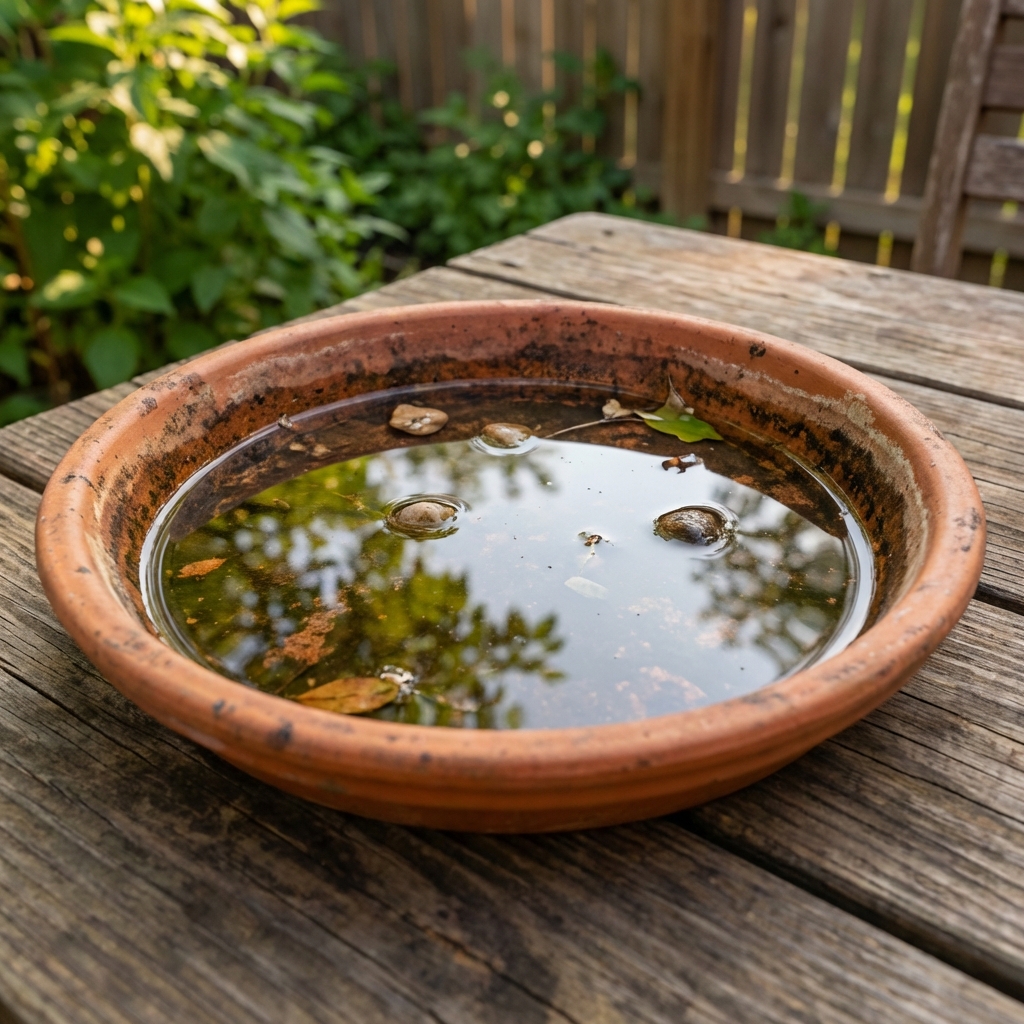
If you have water you cannot dump
For ponds, rain barrels, and other water features, use targeted methods that stop larvae.
- BTI dunks or bits (Bacillus thuringiensis israelensis): A biological larvicide that targets mosquito larvae when used as directed. It works when larvae eat it, so it is best for water that stays put long enough for larvae to develop. Reapply on the schedule listed on the label.
- Keep water moving: A small pump or fountain can make a pond or feature less suitable for egg-laying and larval development for many mosquitoes.
- Add mosquito-eating fish only where legal and appropriate: In some regions, native mosquito fish or other approved fish can help in ornamental ponds. Always follow local guidance so you do not create an invasive species problem.
- Use a tight screen on rain barrels: Keep adults from getting inside to lay eggs.
Skip: adding bleach, dish soap, or oils to water features. You can harm beneficial insects, amphibians, pets, and plants.
Step 2: Make the garden less mosquito friendly
Adult mosquitoes spend the day resting in shaded, windless, damp spots. If your yard has lots of thick groundcover, tall weeds, and crowded shrubbery, you are basically offering free housing.
Open up airflow
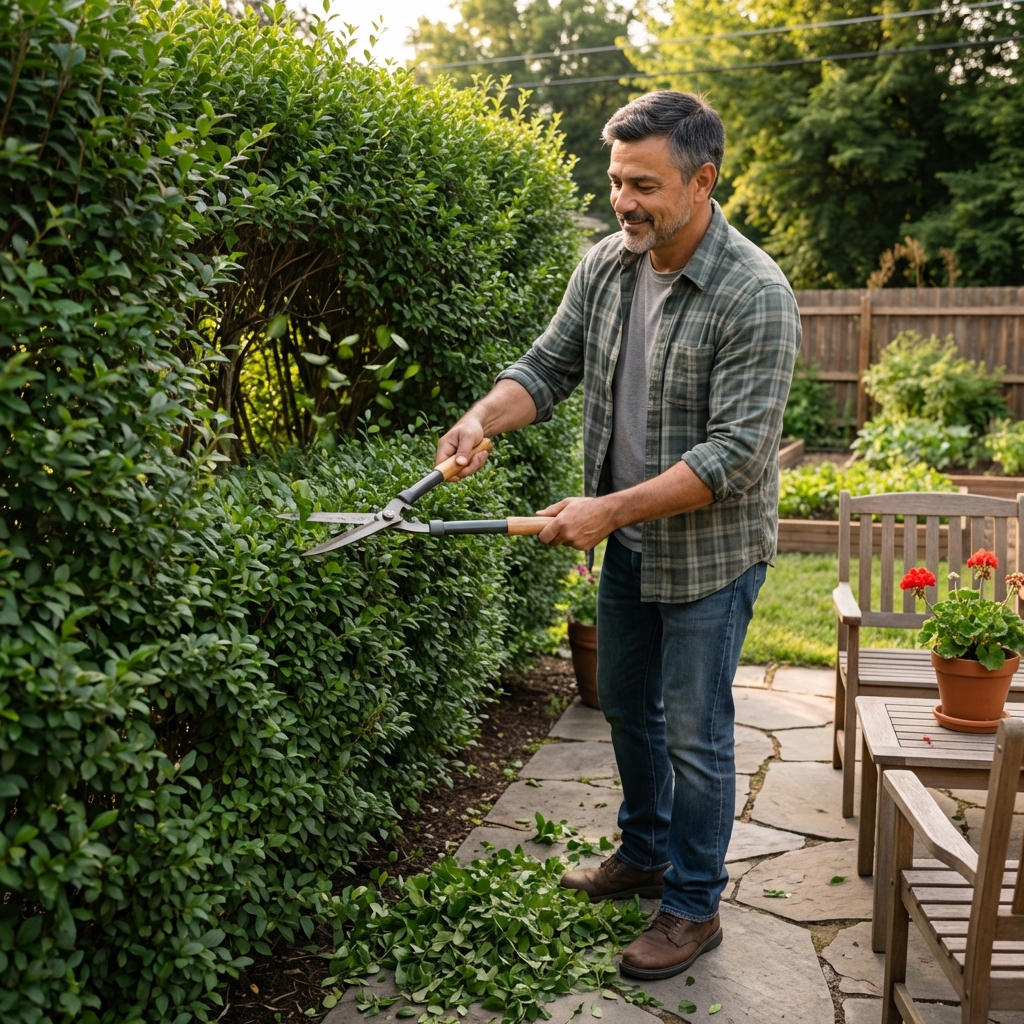
- Trim shrubs so air can move through, especially around seating areas
- Thin dense plantings that never dry out after watering
- Keep grass and weeds cut, particularly along fences and under decks
Water smarter
- Water in the morning so foliage dries quickly
- Use drip irrigation or soaker hoses instead of frequent overhead watering
- Avoid creating soggy pockets under pots and in corners
Step 3: Use wind and fans where you sit
Mosquitoes are weak fliers. A steady breeze makes it difficult for them to land and track you. Fans also help disperse the carbon dioxide and body odors mosquitoes use to find you. This is one of the fastest ways to reduce bites on patios and porches.
- Set an outdoor-rated fan near seating, aimed across legs and ankles (a favorite bite zone).
- If you entertain, use two fans to create cross-breeze.
- Place seating in naturally breezy spots if possible.
Fans do not kill mosquitoes, but they can dramatically reduce landings.
Step 4: Plant choices that help (realistically)
Let’s be honest: most “mosquito repellent plants” do not work like a force field just because they are in the yard. Any benefit usually comes from oils released when leaves are brushed or crushed, and even then the effect is modest and close-range.
That said, some plants are still worth growing because they smell great, they are useful in the kitchen, and they can add a small extra layer in high-traffic spots.
Best plants near seating and paths
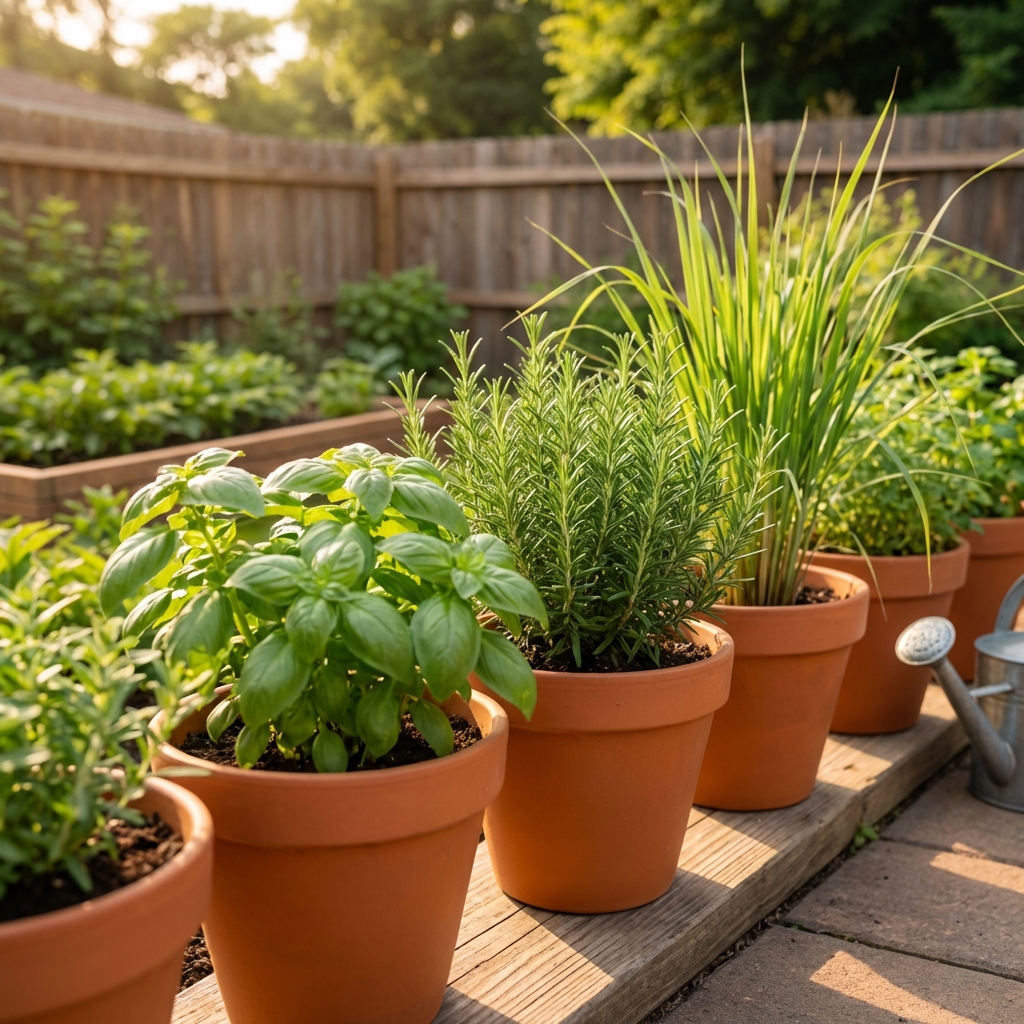
- Citronella grass (Cymbopogon nardus or winterianus): Related to lemongrass. Works best when you brush it and release oils.
- Lemongrass (Cymbopogon citratus): Great in pots, strong scent, useful for cooking.
- Basil: Especially strong-scented varieties. Bonus: it is an easy container plant right by the grill or kitchen door.
- Rosemary: Tough, drought-tolerant, great in pots, fragrant when handled.
- Mint: Strong scent, but keep it in containers or it can take over.
- Lavender: Likes sun and good drainage, pleasant fragrance.
- Catnip (Nepeta cataria): Nepetalactone shows repellent activity in lab and some study settings, but garden impact is still modest. Grow it if you can manage the cats that may show up.
- Marigolds: Great for color and companion planting, but evidence for mosquito repellency in real yards is limited and inconsistent.
Placement tips that matter
- Use containers to cluster herbs around chairs, tables, and doorways.
- Plant in sunny areas where leaves dry faster and mosquitoes are less comfortable.
- Put fragrant plants along paths so you brush them and release scent.
Good to know: Many essential oils used in repellents come from plants, but a plant in the ground rarely produces enough airborne concentration to match a topical repellent.
Step 5: Repellents for skin or clothing
If you are getting chewed up, use a repellent with solid evidence behind it, especially during peak mosquito times. Follow label directions carefully, and use extra caution with children.
Top options with good track records
- DEET: Highly effective and long-lasting when used properly.
- Picaridin: Effective and often preferred for feel and smell.
- Oil of lemon eucalyptus (OLE or PMD): Effective for many people, but not recommended for young children on many product labels. Read the label. Also note: OLE or PMD products are not the same thing as lemon eucalyptus essential oil.
- Permethrin (for clothing and gear only): Treat socks, shoes, and outdoor clothing. Do not apply to skin. Keep away from cats while wet.
Where to focus: ankles, behind knees, and lower legs. If you are sitting outside, that is where mosquitoes often sneak in.
Easy “wearable” upgrades
- Wear long sleeves and pants when mosquitoes are bad
- Choose light-colored, looser clothing (harder for mosquitoes to bite through)
- Skip strong fragrances outdoors if you notice they make you a target
Peak mosquito times (it depends)
Many mosquitoes are most active at dawn and dusk, but some common yard species (including day-biting Aedes) will bite in broad daylight, especially in shaded areas. If you are getting bites mid-day, treat it like peak time.
Step 6: Yard-level tools that can help
BTI in hidden water
If you have areas that hold water after rain or irrigation, BTI can reduce the next wave of adults. Just remember it only targets larvae in water. If the water dries quickly or mosquitoes are breeding elsewhere, you will still need source reduction.
Traps (use with realistic expectations)
CO2-style traps can reduce mosquito pressure over time in some situations, but performance varies by species, yard layout, and maintenance. Place traps away from where people sit, so you do not pull mosquitoes toward the patio.
Barrier sprays
Some homeowners use perimeter sprays on shrubs and shaded areas where mosquitoes rest. If you go this route, be careful: broad insecticides can harm pollinators and beneficial insects. Avoid spraying flowering plants, spray at times when pollinators are not active, and always follow the label. Many barrier products use pyrethroids, which can be highly toxic to aquatic life, so avoid drift and runoff near ponds, streams, and rain gardens.
What mostly doesn’t work
- Citronella candles: They can help a bit in still air at close range, but wind quickly dilutes the effect.
- Bug zappers: They kill lots of beneficial insects and typically do not target mosquitoes well.
- Ultrasonic devices: No reliable evidence of real-world control.
- One repellent plant in a corner: Nice to grow, but not enough to protect a whole yard.
A simple mosquito-repelling plan (weekend)
Day 1: Knock out breeding sites
- Do a full yard walk and dump standing water
- Screen rain barrels
- Add BTI to water you cannot dump
Day 2: Improve the hangout zones
- Trim shrubs and clear weeds, especially in shade
- Set an outdoor fan where you sit
- Cluster potted herbs near doors and seating
Ongoing: 10-minute weekly routine
- Dump and refresh water sources (birdbath, saucers)
- Check gutters and low spots after rain
- Replace BTI on schedule per label
- Do a quick trim where things get dense

FAQ
What smells repel mosquitoes the most?
In practical use, repellents with proven active ingredients (like DEET, picaridin, or OLE/PMD) are the most reliable. For garden scents, crushed leaves of lemongrass, basil, mint, and rosemary can help a little at close range, but they will not protect the whole yard by scent alone.
Do mosquito-repelling plants really work?
They can help in small ways when placed close to people and when their oils are released by touch, but they are not a standalone solution. Think of them as a supporting layer, not the main defense.
What is the safest way to treat standing water?
For many home gardens, BTI products used as directed are a go-to option because they target mosquito larvae in water. If you have a pond, combining BTI with water movement often improves results.
Why are mosquitoes worse some weeks?
Rain followed by warm weather is prime breeding time. A single hidden puddle, clogged gutter, or saucer can create a new batch quickly. After heavy rain, do a fast “dump and drain” walk.
What else helps around the house?
Make sure window and door screens fit well and patch any holes. If you have gaps around doors, add weather stripping or a door sweep so mosquitoes do not follow you inside.
Bottom line
The most effective mosquito repellent garden trick is not a plant, it is removing breeding water. Once you do that, you can make big improvements with airflow, smart planting near seating, and a repellent you trust for the times when mosquitoes are at their worst.

Jose Brito
I’m Jose Britto, the writer behind The Country Store Farm Website. I share practical, down-to-earth gardening advice for home growers—whether you’re starting your first raised bed, troubleshooting pests, improving soil, or figuring out what to plant next. My focus is simple: clear tips you can actually use, realistic expectations, and methods that work in real backyards (not just in perfect conditions). If you like straightforward guidance and learning as you go, you’re in the right place.