Mice have a strong sense of smell, and that is one of the easiest pressure points for a DIY approach. Strong scents can make an area feel less comfortable to a mouse, which may help discourage exploration and nesting. The catch is that scent repellents work best as part of a bigger plan: remove food, reduce hiding spots, and block entry points. Use smell as a helpful push, not the only solution.
Reality check: Evidence for most scent repellents is mixed. Many tips are based on homeowner reports, and even when a scent works, mice can get used to it over time. You will get the best results when scents are paired with exclusion and sanitation.
Quick list: smells that may deter mice
Different homes have different results, but these are the scents people most consistently report as mouse-deterring. Think of these as short-term discouragement, not a guaranteed repellency.
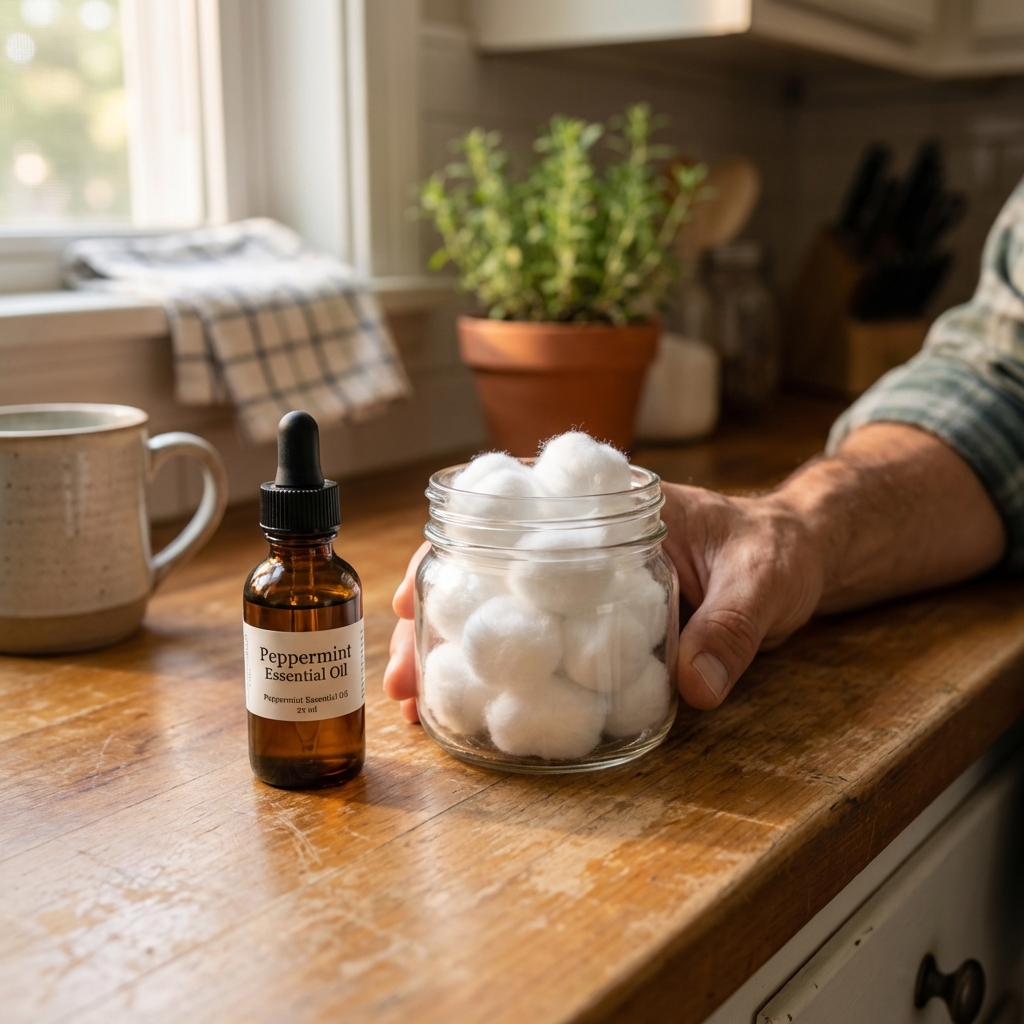
- Peppermint (menthol)
- Clove (and clove oil)
- Cinnamon
- Vinegar (more useful for cleaning and odor reduction than “repelling”)
- Ammonia-like odors (risky, and not recommended indoors or in poorly ventilated areas)
- Predator scents (commercial fox or coyote urine products are usually marketed for outdoor use, with mixed results)
If you only try one, start with peppermint because it is easy to source, easy to refresh, and generally safer than harsher chemicals.
Why smell helps (and why it often falls short)
What scent repellents can do
- Discourage mice from using a specific path or corner, especially at first.
- Make a nesting spot less appealing while you clean and seal.
- Buy you time while you block holes and improve storage.
What scent repellents cannot do
- They rarely solve an established infestation on their own.
- They do not replace sealing entry points.
- They fade quickly, especially in drafty garages and sheds.
- Mice may habituate if a scent is constant and food is still available.
Think of scent like this: if the pantry is open and the dog food is in a paper bag, mice will put up with a lot. Remove the reward and block the entry, then smell deterrents have something to work with.
DIY repellents you can make today
1) Peppermint cotton balls (simple and popular)
What you need: peppermint essential oil, cotton balls, small dishes or jar lids, optional gloves.
- Add 8 to 12 drops of peppermint oil to each cotton ball.
- Place cotton balls in jar lids or small dishes so oil does not touch wood or painted surfaces.
- Set them near suspected entry points and travel routes.
Refresh: every 2 to 4 days at first, then weekly once activity drops.
Best spots: behind the fridge, under the sink (dry area), along garage walls, near the door into the house, and in shed corners.
2) Clove oil or whole cloves (strong smell, can last longer)
Option A (oil): Put 5 to 8 drops of clove oil on cotton balls and place like peppermint.
Option B (whole cloves): Fill a breathable sachet or a small fabric bag with cloves and tuck it where mice travel.
Clove can hold up a bit longer than peppermint in a drafty space, but it still needs refreshing.
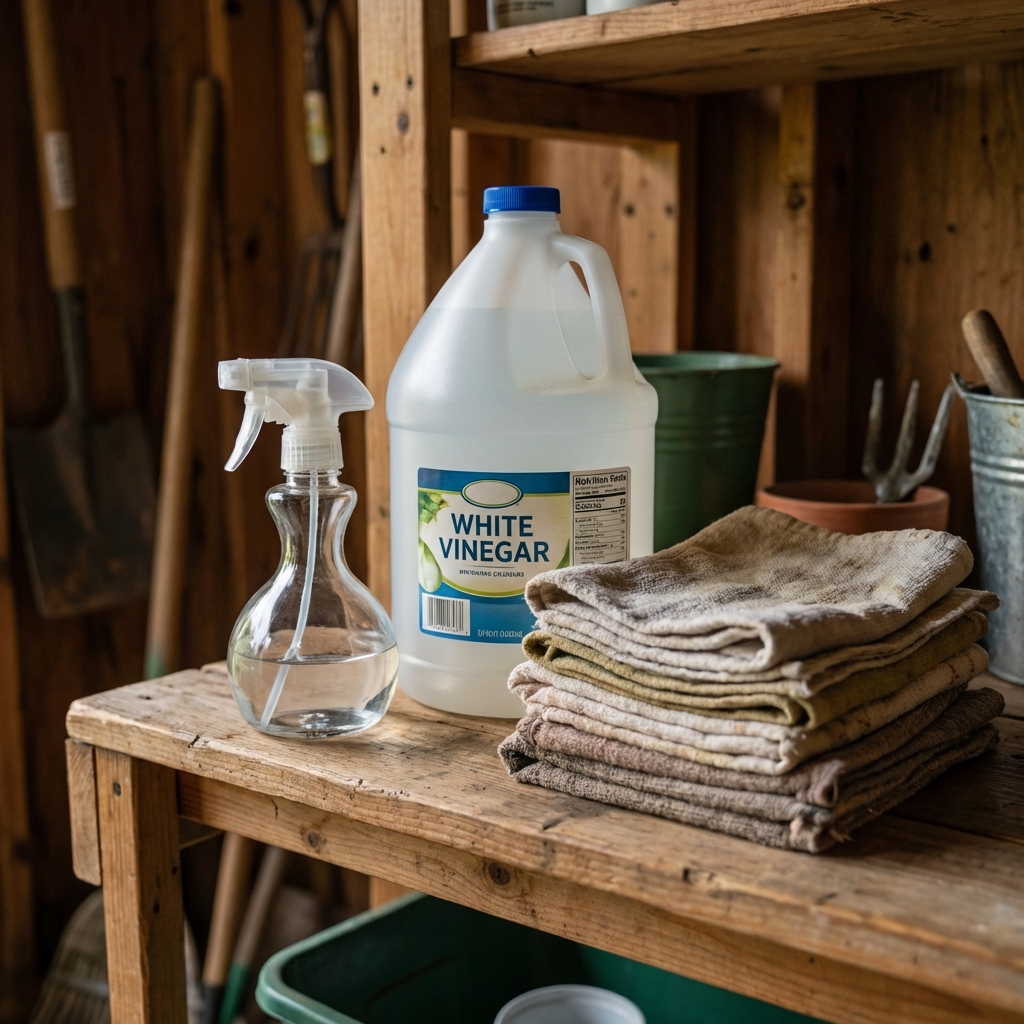
3) Vinegar wipe-down (good for cleanup and odor reduction)
What you need: white vinegar, water, spray bottle, paper towels or cloth.
- Mix 1:1 vinegar and water.
- Spray and wipe surfaces where you see droppings or smudge marks.
- Let it air-dry.
Vinegar is less of a “keep-out” smell and more of a reset for you. It helps clean and reduce lingering odors. It may make a travel route less attractive, but do not count on vinegar alone to change mouse behavior.
4) Cinnamon sticks in problem corners
Cinnamon is mild compared to oils, but it is easy to place.
- Put 2 to 4 cinnamon sticks in a small bowl near activity.
- Replace every few weeks.
This works best as a supporting scent, not a main one.
5) Garlic (works for some homes, but not my first pick)
Garlic can be effective in some situations, but it also creates a strong indoor odor for humans. It can also be dangerous if pets eat it.
- Place a few smashed cloves in a shallow dish.
- Replace every 2 to 3 days.
If you try garlic, keep it away from pets, kids, and places where it can mold unnoticed.
Where to place scents
Mice hug edges and prefer covered routes. You will get better results placing deterrents where they travel, not in the middle of a room.
- Along baseboards behind furniture and appliances.
- Near entry points like the gap under an exterior door, around pipe penetrations, and behind cabinets.
- Inside garages and sheds near stored seed, bird food, or potting mix.
- Under sinks only if the area stays dry and you can keep oils off finished surfaces.
Tip: Use more small placements instead of one big one. A mouse can simply route around a single strong-smelling spot.
Safety notes
Essential oils
- Keep oils and soaked cotton balls away from pets and children.
- Some essential oils can irritate pets and can be harmful if licked or ingested, especially for cats. If you have pets, use small amounts in protected dishes and place them where pets cannot access them.
- Do not drip oils directly onto painted wood, finished floors, or plastic surfaces that might stain.
- Use ventilation, especially in small bathrooms, closets, and pantries.
Ammonia
Ammonia is sometimes suggested because it smells urine-like, but the deterrent effect is inconsistent and the safety downside is real.
- Do not use ammonia indoors or anywhere with poor airflow.
- Never mix ammonia with bleach or other cleaners.
- If you want an ammonia-like approach, choose commercial repellents formulated for pest control and follow the label, rather than improvising.
Mothballs
Skip mothballs. They are toxic and not meant for open indoor use. They can also create a bigger problem than the mice.
Droppings cleanup
If you find droppings or nesting material, clean up carefully. In some regions, rodent droppings can pose health risks.
- Wear gloves. Consider a mask if the area is dusty or enclosed.
- Do not dry sweep or vacuum droppings.
- Ventilate the area, then spray droppings and surrounding surfaces with disinfectant and let it sit for the label contact time before wiping up.
- Wash hands after cleanup and launder any contaminated fabrics on hot.
Make smells work better: 3-step plan
Step 1: Remove the reward
- Store pet food, bird seed, and grass seed in sealed metal or thick plastic containers.
- Clean crumbs under the toaster, stove, and pantry shelves.
- Reduce clutter like cardboard stacks and fabric piles.
Step 2: Block entry points
Mice can squeeze through very small openings. A common rule of thumb is that a house mouse can fit through a hole around 1/4 inch (6 to 7 mm). Check for gaps around:
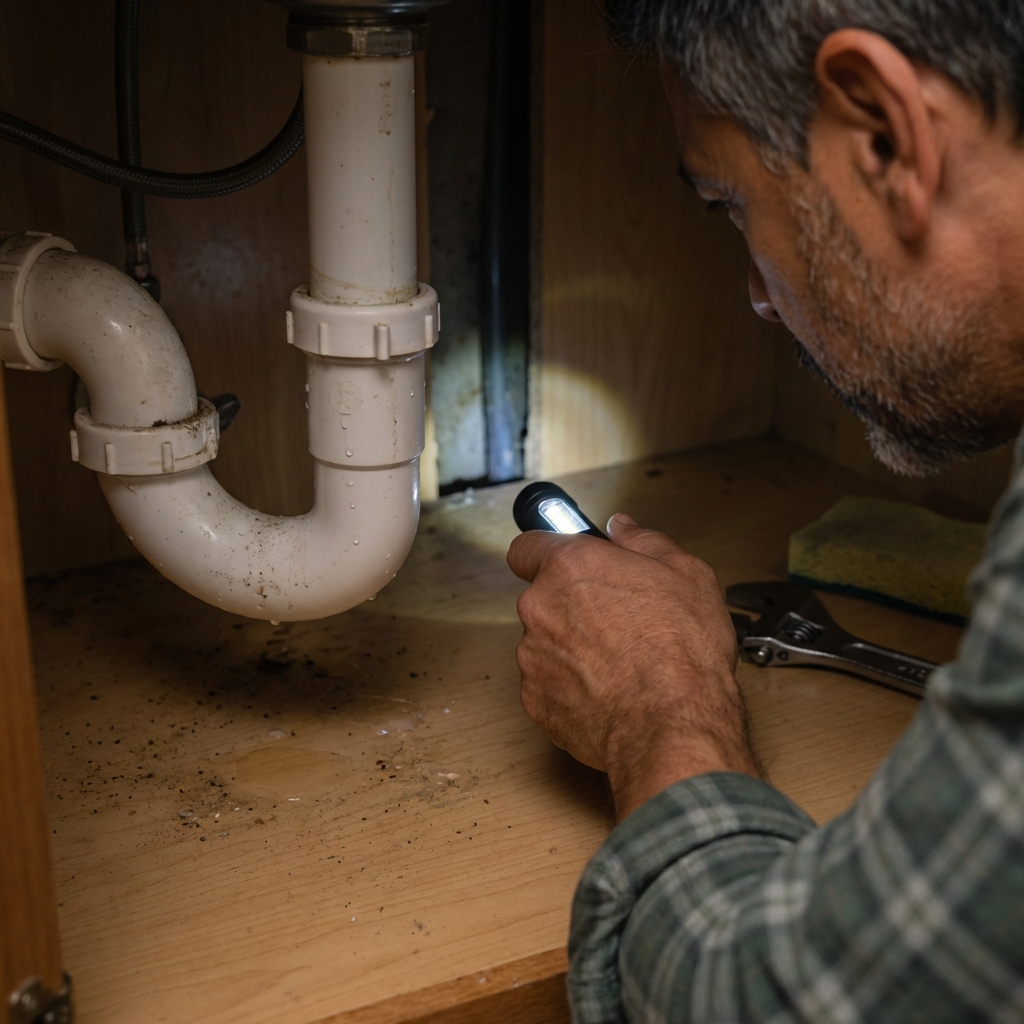
- Pipes under sinks
- Dryer vents
- Garage door corners
- Foundation cracks and siding gaps
For small gaps, many homeowners use steel wool paired with caulk or foam. For larger holes, use proper patch materials, not just foam.
Step 3: Add targeted deterrents and monitoring
- Place your scent deterrents where you see droppings or rub marks.
- Use a flashlight and look for fresh activity each morning for a week.
- If you still see new droppings after sealing and cleaning, add traps as the next step.
When to call a pro
DIY can work for light activity. Bring in a professional if you are seeing any of the following:
- Mice seen in daytime, or repeated sightings
- Heavy droppings, strong odor, or nesting in multiple areas
- Chewed wiring, insulation damage, or fire-risk signs
- You sealed and cleaned, but activity returns within 1 to 2 weeks
- You live in a multi-unit building where mice can move between units
FAQ
Do dryer sheets repel mice?
Sometimes they seem to help in very small, enclosed spots, but results are inconsistent. If you want a similar “strong scent” approach, peppermint or clove oil usually performs better.
Will mice leave if I use peppermint oil?
If the only issue is a mouse exploring, peppermint may discourage it for a while. If mice are nesting, you will usually need a combination of sanitation, exclusion, and trapping. Peppermint is best as a support tool.
How long do scent repellents last?
Indoors, essential oils often stay noticeable for a few days. In garages and sheds, drafts and temperature swings can shorten that to 1 or 2 days. Plan to refresh regularly.
Do predator scents work?
Predator urine products are popular for outdoor use, but results vary. They can also attract other animals or create nuisance smells. If you try them, follow the label and treat them as one small part of an exclusion plan.
What is the strongest smell to repel mice?
Peppermint and clove are top choices for most households, mainly because they are potent and easy to apply. Strong chemical odors can repel too, but they come with safety tradeoffs that usually are not worth it for DIY use.
My realistic takeaway
If you are dealing with mice, start with blocking access and removing food. Then use peppermint or clove as your “border patrol” in the spots mice actually travel. Refresh often, watch for fresh droppings, and do not be shy about moving on to traps if the signs keep showing up. The goal is not to make your house smell like a candy cane. The goal is to make it boring, sealed up, and not worth the risk.

Jose Brito
I’m Jose Britto, the writer behind The Country Store Farm Website. I share practical, down-to-earth gardening advice for home growers—whether you’re starting your first raised bed, troubleshooting pests, improving soil, or figuring out what to plant next. My focus is simple: clear tips you can actually use, realistic expectations, and methods that work in real backyards (not just in perfect conditions). If you like straightforward guidance and learning as you go, you’re in the right place.