Let’s get the big truth out of the way: there is no single smell that reliably “runs rats off” for good. Rats are cautious, yes. They dislike intense odors, yes. But if they have food, water, and shelter, most scents become background noise fast.
That said, some smells can be useful as a short-term deterrent while you do the real work: sealing entry points, removing food, and trapping. Below is what tends to be most practical for many homeowners and backyard growers who notice rat activity near compost, chicken feed, sheds, or the house.
Most common deterrent smell
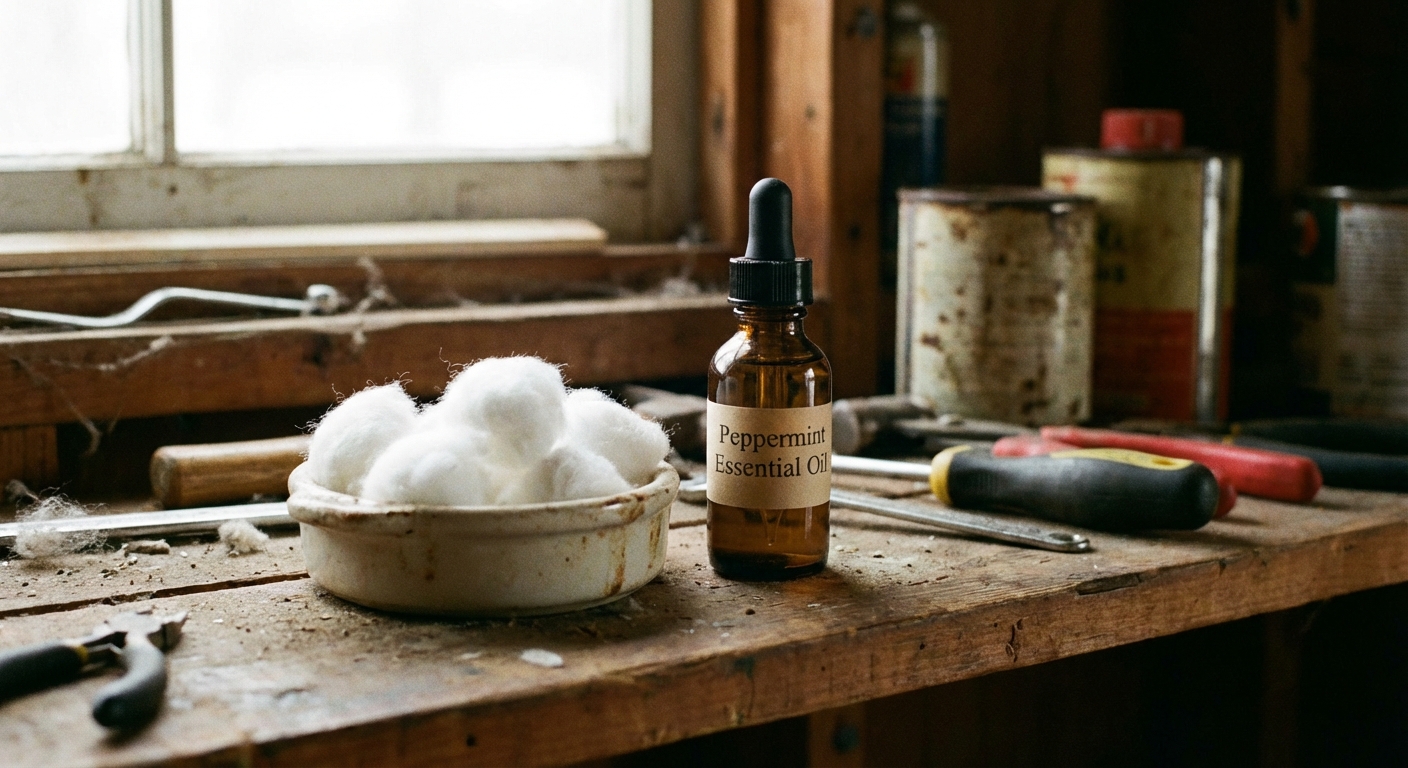
If I had to pick one smell that people report as sometimes making rats avoid a spot, it is strong mint odor from peppermint oil. Not mint plants in the ground, not a mild candle, but concentrated peppermint essential oil used correctly and refreshed often.
Why peppermint is the usual go-to:
- It is intense and can irritate sensitive noses in tighter spaces.
- It is easy to apply on cotton balls or in a spray.
- It is relatively low-risk compared with toxic fumigants and DIY chemical mixes.
Keep expectations realistic: peppermint oil is best for discouraging rats from exploring or reusing a route. It is not a reliable “eviction notice” once they are nesting in walls, attics, crawlspaces, or under slabs, especially when food is nearby.
Other smells rats may avoid
1) Sharp urine-like odors (ammonia)
Some people try ammonia because it has a harsh, urine-like smell. In practice, it can sometimes make an area less inviting, but it comes with real downsides.
- Pros: strong odor, may discourage brief visits in open areas
- Cons: harsh on lungs, unpleasant indoors, and not a long-term solution
If you use it at all, use it cautiously, with ventilation, and never mix it with other cleaners.
2) Vinegar (more cleanup than repellent)
White vinegar can help with general cleaning and deodorizing, which can reduce lingering odor cues. But it is more of a cleanup tool than a repellent, and it is not a substitute for a true disinfectant when you are dealing with droppings and urine. For sanitation, use an EPA-registered disinfectant or follow the product label directions for a bleach solution.
3) Strong spice odors (clove, cinnamon, cayenne)
These can irritate noses and may discourage sniffing around for a short time. Outdoors they fade quickly, and indoors they often fail once rats learn there is still food available.
4) Predator scent products
Commercial predator-urine or predator-scent granules are hit-or-miss, and evidence for consistent real-world results is limited. Some people notice a change, many do not. Outdoor airflow and rain reduce effectiveness quickly.
Popular options that disappoint
I see these recommended constantly, but they tend to underperform in real backyards.
- Mothballs: They are pesticides and can be harmful to people, pets, and wildlife. Using them off-label as a repellent is not recommended, and it may be illegal in some places. They can also create indoor air hazards.
- Ultrasonic “repellent” + scent combos: Rats can adapt, and sound does not fix access to food and shelter.
- Mint plants: A mint patch smells nice to us, but it is not concentrated enough to repel rats.
- Fabric softener sheets: You may notice a temporary change, but it is inconsistent and fades fast.
How to use peppermint oil
If you want to use a scent deterrent, peppermint oil is usually the most practical place to start. Here is a straightforward way to apply it, plus where to place it so it has the best chance of influencing behavior.
Cotton ball method (small sheltered areas)
- Soak cotton balls with 10 to 20 drops of peppermint oil.
- Place them in shallow dishes or on foil near suspected entry points (gaps, vents, pipe holes), along travel routes (behind appliances, along garage walls, shed edges), or at the perimeter of attractants (around feed storage or compost areas, not inside where animals can reach).
- Refresh every 2 to 3 days at first, then weekly if the area stays dry.
Spray method (perimeter and routes)
For a perimeter spray to act as an olfactory irritant, it generally needs to be stronger than most “DIY room spray” recipes.
- Mix 30 to 50 drops of peppermint oil per cup of water (about 1/2 to 1 teaspoon, depending on dropper size).
- Add a few drops of unscented dish soap to help it disperse.
- Shake before each use and reapply often, especially outdoors and after rain.
Safety notes: Essential oils can irritate pets and people. Keep oils away from cats in particular, avoid spraying where pets lick, and do not apply directly to bedding or surfaces a child crawls on. Avoid spraying into HVAC intakes or enclosed air returns, and store the bottle tightly closed and out of reach.

When to skip smells
Go straight to exclusion and trapping if you have signs of an established problem, such as:
- Confirmed nesting (shredded material, burrows, greasy rub marks, repeated activity in the same void)
- Daytime sightings
- Heavy droppings or strong urine odor
- Scratching in walls or ceilings at night
Smells do not replace real fixes
If rats are already active, odors are just a supporting actor. The main solution is a simple three-part plan:
1) Remove attractants
- Store birdseed, pet food, chicken feed, and grass seed in metal bins with tight lids.
- Clean up fallen fruit and nuts weekly.
- Keep compost balanced and covered. Avoid dumping lots of kitchen scraps on top without browns.
- Eliminate water sources like leaky spigots and standing trays.
2) Block entrances
Rats can squeeze through surprisingly small gaps, often about 1/2 inch (and sometimes slightly smaller if the edges are flexible). Focus on:
- Gaps under doors, garage corners, and shed thresholds
- Utility line penetrations (AC lines, plumbing, cable)
- Foundation vents and crawlspace openings
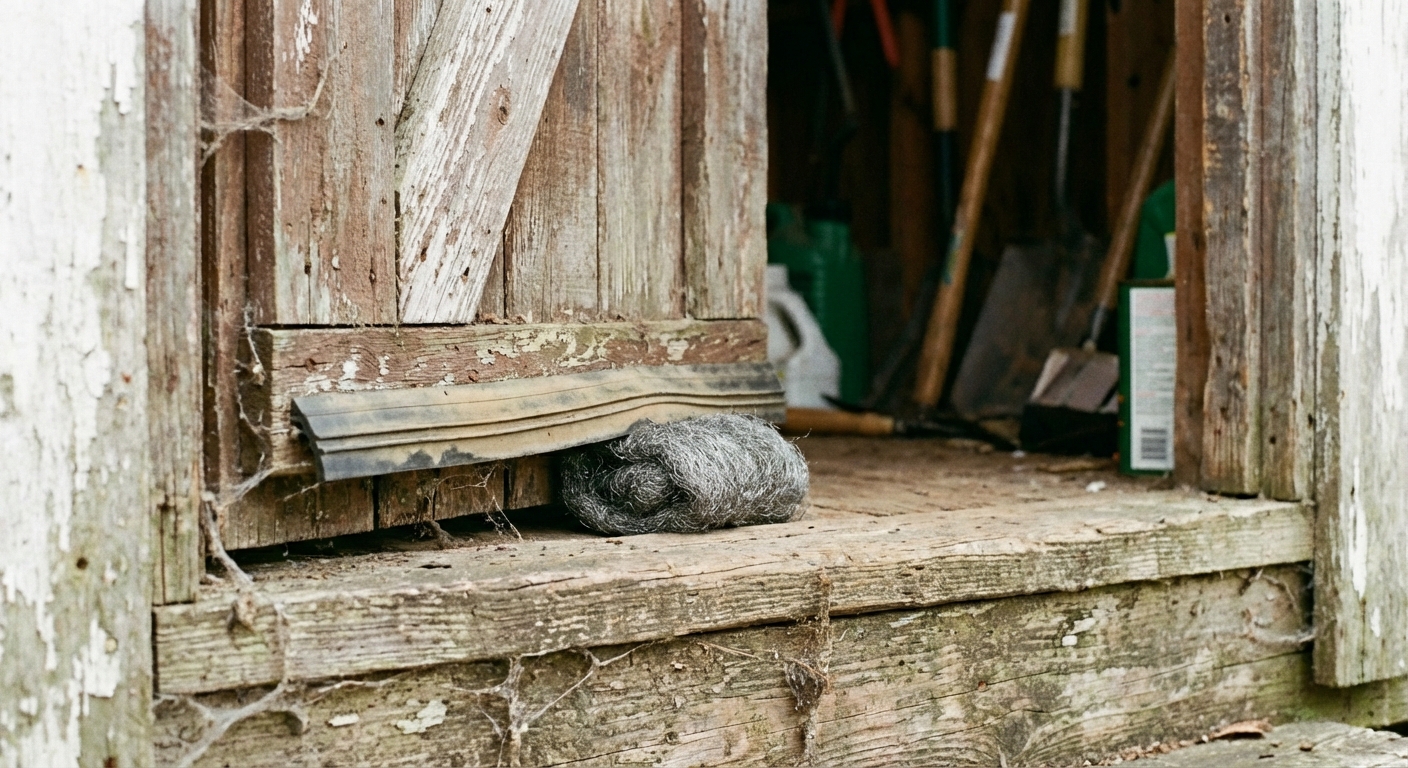
Use materials rats cannot chew easily: copper mesh or stainless-steel wool plus a durable sealant, metal flashing, and 1/4-inch hardware cloth for vents and openings.
3) Trap strategically
If you are seeing droppings, runways, gnaw marks, or nighttime activity, trapping is usually the fastest way to reduce the population.
- Place traps along walls where rats travel, not out in the open.
- Use multiple traps and check daily.
- Choose safer setups where kids or pets are present, such as enclosed snap traps or tamper-resistant trap boxes.
Notes: Glue boards are widely considered inhumane and can capture non-target animals. If rodenticides are used, do it carefully and follow local regulations because there is a real risk of secondary poisoning to pets and wildlife.
Roof rats vs Norway rats
Placement matters because behavior differs by species:
- Roof rats: often travel high (attics, rafters, vines, trees, fences). Focus traps and exclusion up high and along elevated runways.
- Norway rats: more likely to burrow and travel low (foundations, crawlspaces, compost edges). Focus on ground-level gaps, burrows, and wall lines.
If you are not sure which you have, look at where you are seeing activity most: above-ground routes often point to roof rats, and burrows and heavy ground activity often point to Norway rats.
Signs your smell is not working
If you notice any of the following after a few days, assume the rats are not impressed and move on to exclusion and trapping.
- New droppings appear in the same area
- Fresh gnaw marks or shredded nesting material
- You hear activity in walls or ceilings at night
- Bait disappears from traps without a catch, or food keeps getting raided
Cleaning and odor control
When you are dealing with rats, cleanup is about more than smell. Droppings and urine can carry pathogens. Take it seriously and follow public health guidance for your area.
- Ventilate the area.
- Wear gloves and consider a mask if dust is present.
- Do not dry sweep or vacuum droppings. That can aerosolize particles.
- Wet everything first: spray droppings and contaminated areas with an EPA-registered disinfectant (or bleach solution mixed and used per the label), let it sit, then wipe up with disposable towels.
- Bag waste and wash hands well.
FAQ
Will bleach scare rats away?
Bleach can sanitize and help with odor, but it is not a dependable repellent. Use it for cleaning (follow the label), not as your main strategy.
Do rats hate the smell of peppermint enough to leave?
Sometimes it discourages exploration, especially in small enclosed areas. But if rats are nesting nearby and have reliable food, peppermint alone usually does not make them leave.
What is the fastest way to get rid of rats?
Remove food sources, seal entry points, and set traps along walls. Use smells only as a temporary helper while you do those steps.
My bottom line
If you want the most practical “smell” answer, peppermint oil is a reasonable place to start. Just keep it in its proper role: a short-term deterrent and a tool to make certain spots less comfortable.
The long-term win is always the same: no easy meals, no easy access, and quick population reduction with trapping. Do those three things and you will see results you can actually count.

Jose Brito
I’m Jose Britto, the writer behind The Country Store Farm Website. I share practical, down-to-earth gardening advice for home growers—whether you’re starting your first raised bed, troubleshooting pests, improving soil, or figuring out what to plant next. My focus is simple: clear tips you can actually use, realistic expectations, and methods that work in real backyards (not just in perfect conditions). If you like straightforward guidance and learning as you go, you’re in the right place.