Mice have an incredible sense of smell. That is why certain strong, sharp scents can help make an area feel unsafe or uncomfortable for them. The key word is help. Smells alone rarely solve a mouse problem if food, water, and easy entry points are still available. And to be honest, research results are inconsistent. Some homes see a noticeable difference, others do not.
In this guide, I will walk you through seasonal home remedies that use scents mice tend to avoid, how to use them without wasting time, and where they work best around a typical home, garage, shed, or garden.
Quick reality check: what scents can and cannot do
Think of scent repellents as a pressure tool. They add discomfort so mice choose easier routes. They can encourage mice to travel elsewhere, avoid a cabinet, or stop using a corner as a travel path. They work best when you also:
- Remove food access (pet food, bird seed, pantry items, crumbs)
- Reduce nesting (paper piles, fabric, insulation gaps)
- Seal entry points (mice can squeeze through gaps around 1/4 inch, about pencil-width)
If you are seeing droppings daily or hearing activity in walls, pair scent methods with trapping and exclusion for faster results.
What smells do mice hate most?
Different sources list different “top” odors, but the most consistently reported mouse-deterrent scents tend to be strong and lingering, especially minty, spicy, acidic, or resinous smells.
Peppermint and other strong mints
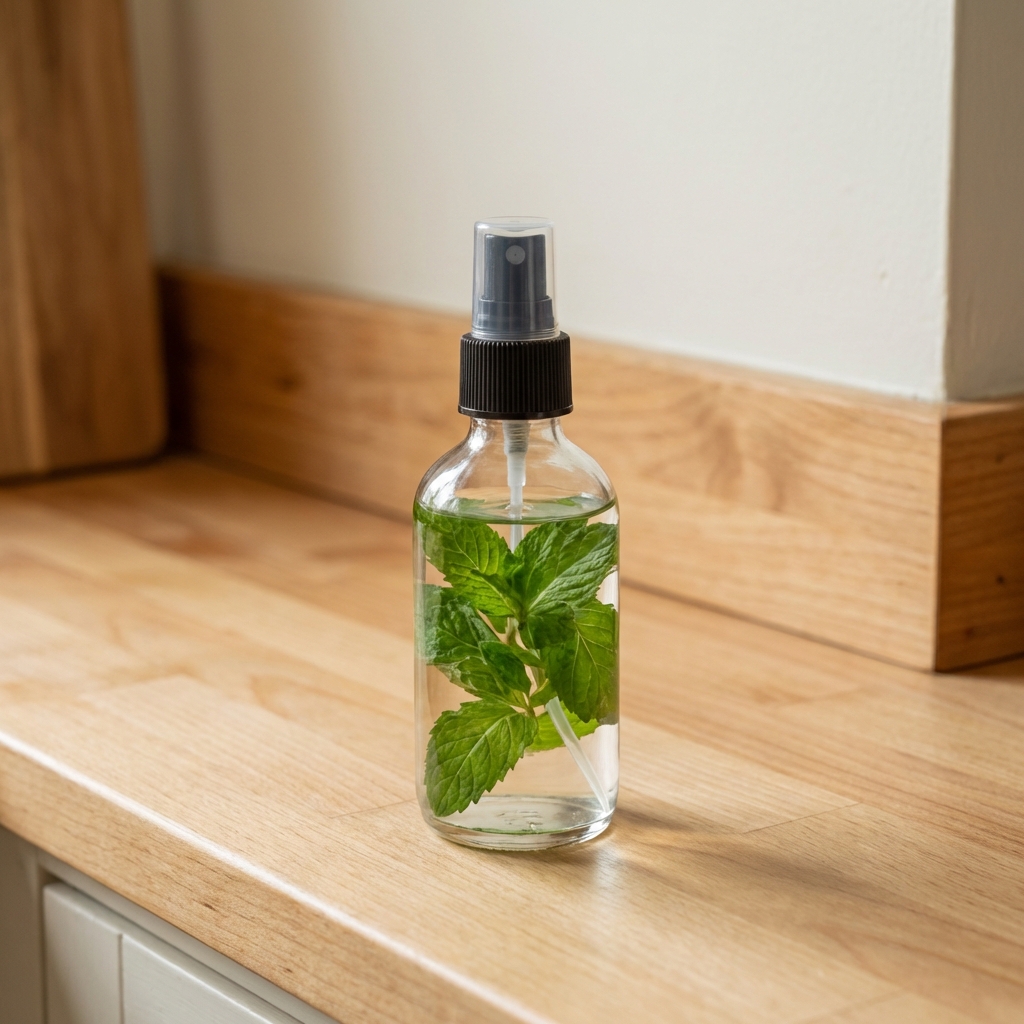
Peppermint oil is the classic. It is sharp, potent, and easy to apply. Spearmint can also work, but peppermint is usually stronger.
Clove and cinnamon (spicy, warm oils)
Clove oil is especially intense. Cinnamon can help, but it is often milder unless used as an essential oil rather than a kitchen sprinkle.
Vinegar (acetic acid)
White vinegar has a strong, sour odor and is widely available. Used as a cleaner, it may help reduce odor cues after you wipe down areas where mice have been traveling.
Cedar and pine (resinous woods)
Cedar oil and cedar chips are commonly used in closets and storage. Indoors, the scent can last longer. Just keep expectations realistic: cedar is best as a supplemental measure, not an answer to an active infestation.
Ammonia (use with caution)
Ammonia has a harsh smell some people use in garages or crawlspaces. It can irritate lungs and is not a good option around kids, pets, or poor ventilation. It is also not a reliable repellent, so in most homes it is better skipped entirely.
Strong herbs: rosemary, thyme, oregano
These can help in small enclosed spaces, especially when used as oils. As dried herbs, they are usually too mild to matter unless refreshed often.
Seasonal home remedies that make sense
Mouse activity changes with the seasons. Use that to your advantage. Here are scent-based home remedies that are practical for each time of year, plus where to place them. (Recipes are also listed in the “Simple recipes” section below.)
Spring: reset and block new nesting spots
Spring is a good time to clean up sheds, garages, and garden storage where mice overwintered.
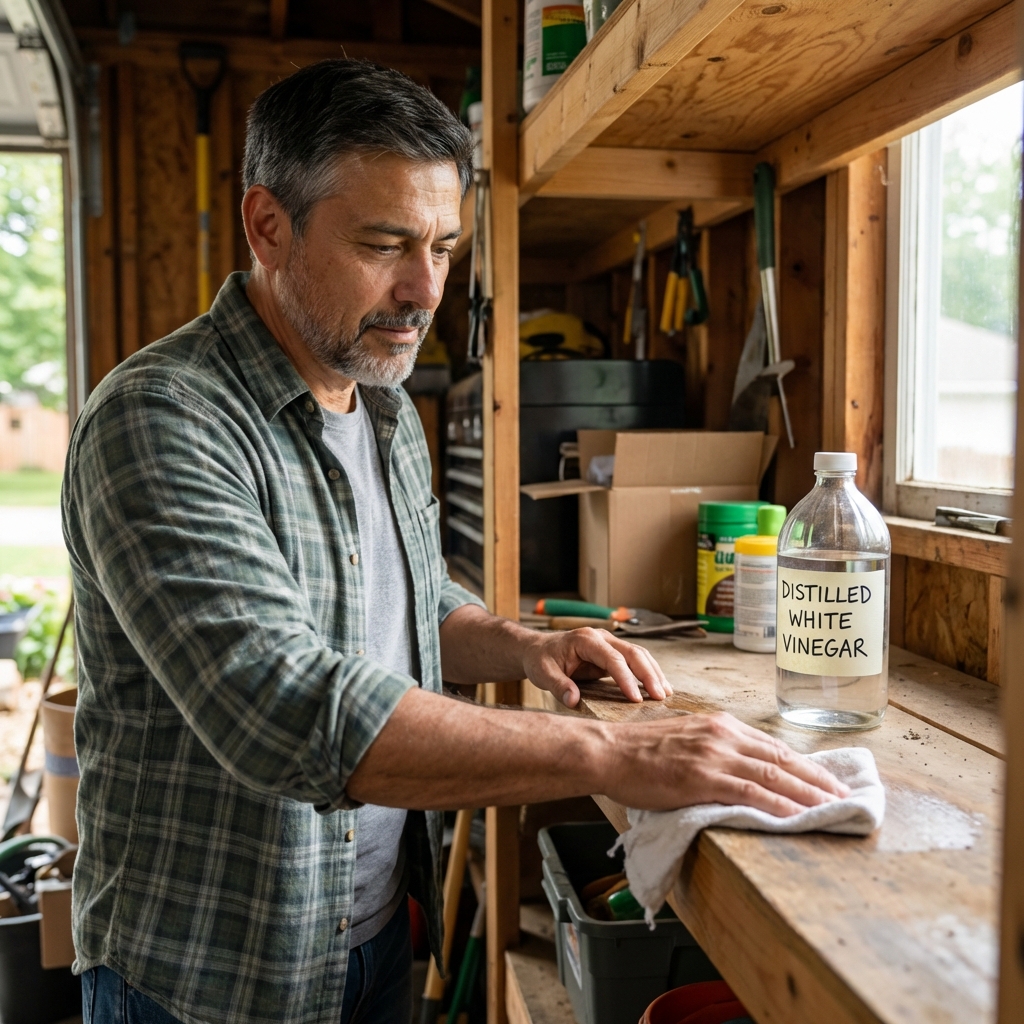
- Vinegar wipe-down: Mix 1:1 white vinegar and water. Wipe baseboards, the back of pantry shelves, and garage ledges after removing crumbs and dust.
- Peppermint cotton balls: Add 10 to 15 drops of peppermint oil to cotton balls and place them in small dishes near suspected routes (behind fridge, under sink, near garage door corners). Refresh every 5 to 7 days.
- Cedar chips in storage: Put cedar chips in breathable fabric bags and place them in totes, closets, or seed storage areas.
Summer: kitchens, grills, and outdoor storage
In summer, the bigger draw is usually food and water. Scent helps most when it is paired with tidy habits.
- Peppermint spray for hotspots: In a spray bottle, combine 1 cup water, 1 teaspoon mild dish soap, and 15 to 20 drops peppermint oil. Spray along baseboards, behind appliances, and around trash can storage. Do not soak wood or painted surfaces.
- Clove sachets for grills and sheds: Add whole cloves to small breathable bags and place them where mice explore (grill cabinet, shed corners). Replace when scent fades.
- Herb barriers in the garden: Rosemary and mint plantings can help slightly at the edges, but do not expect them to protect vegetables on their own. The better use is near doors and storage areas where you want extra scent.
Summer tip: If you keep bird seed, store it in a sealed metal can. No scent repellent beats cutting off the buffet.
Fall: the most important season
As nights cool, mice start shopping for winter housing. Fall is when scent plus sealing gaps pays off.
- Clove and peppermint combo: Use peppermint cotton balls for routes and clove sachets for “hangout” zones like drawers, tool benches, and storage shelves.
- Freshen cedar at entry areas: Place cedar blocks or chips near the garage interior wall, mudroom closet floor, or basement storage. Keep them dry and replace as needed.
- Vinegar cleaning before you store things: Wipe down holiday bins, camping gear, and seed starting supplies before storing them. It helps remove food smells and leftover grime that can attract pests.

Winter: keep it simple
Winter is when mice are most likely to be inside walls, basements, and pantries. Stronger scent placement in small, enclosed areas tends to be more effective than trying to scent a whole room.
- Peppermint stations: Use small lidded containers with holes (or shallow dishes out of reach of pets) and refresh weekly.
- Vinegar mop for floors: Especially near pet feeding areas. Keep pet food sealed and avoid leaving bowls full overnight.
- Avoid heavy ammonia use: If you use it at all, only in well-ventilated, unoccupied spaces and never mixed with bleach or other cleaners.
Where to put scent repellents
Placement matters more than most people realize. Mice run edges and prefer covered routes. Focus on the “mouse highways”:
- Along baseboards behind furniture
- Behind the stove and fridge
- Under the kitchen sink around plumbing holes
- Inside pantry corners and near trash storage
- Garage corners, especially near the door tracks
- Basement rim joist area and around utility penetrations
If you see droppings, place scent remedies just outside the area, not directly on top of droppings. Clean first, then add scent to discourage a return.
Simple recipes you can actually use
Peppermint spray (quick)
- 1 cup water
- 1 teaspoon mild dish soap (helps oil disperse)
- 15 to 20 drops peppermint essential oil
Shake well before each use. Lightly mist baseboards and entry corners. Reapply every few days or after cleaning.
Clove sachets (low mess)
- 2 to 4 tablespoons whole cloves
- Small breathable fabric bag or tied piece of cheesecloth
Place in drawers, bins, cabinets, and shed corners. Replace every 2 to 4 weeks depending on strength.
Vinegar wipe (good for cleanup)
- 1 cup white vinegar
- 1 cup warm water
Use a cloth to wipe surfaces where mice travel after you remove dust and crumbs. Let it air-dry. Avoid natural stone surfaces that do not do well with acids.
Safety notes for kids, pets, and indoor air
Natural does not automatically mean safe.
- Essential oils can be toxic to pets, especially cats. Peppermint and clove oils can be dangerous if ingested or absorbed. Keep oil-soaked cotton balls out of reach, avoid using heavy scent in small unventilated rooms, and do not apply oils where pets can lick.
- Do not mix ammonia with bleach or other cleaners. Harmful fumes can form.
- Use small amounts first. Strong scents can trigger headaches for people too.
- Be careful around food-prep zones. Do not spray essential oil mixtures on cutting boards, utensils, or surfaces where you prepare food.
Cleaning droppings safely
Mouse droppings are not just gross, they can carry germs. Do not dry sweep or vacuum droppings. That can kick particles into the air.
- Wear gloves, and consider a mask if the area is dusty or enclosed.
- Ventilate the space if you can.
- Spray droppings with disinfectant and let it sit per the label, then wipe up with paper towels.
- Seal waste in a bag before tossing.
- Wash hands well when you are done.
Make scent work better
If you do only three things alongside your chosen smell remedy, do these:
- Seal gaps with steel wool plus caulk, or hardware cloth for larger holes. Pay attention to pipes under sinks and garage corners.
- Store food sealed in glass or metal containers. This includes pet food, bird seed, and grass seed.
- Set traps where you see signs. Scents can discourage, but traps reduce the population that is already inside.

When to call a pro
DIY steps can go a long way, but it is time to get help if you have daily droppings for more than a few days, you hear regular wall or ceiling activity, you cannot find or reach entry points, or the problem keeps returning after trapping and sealing.
FAQ
Does peppermint oil really repel mice?
It can help in small areas, especially when refreshed often. Results vary, and it will not stop mice if there is easy food and shelter nearby.
Do dryer sheets work?
Some people have luck short-term because the smell is strong. In my experience, they fade quickly and are best used as a temporary add-on while you seal entry points and set traps.
What scent is best for a garage or shed?
Clove sachets and cedar can work well in storage spaces. Peppermint is useful near door corners and along walls, but you need to refresh it regularly.
Will planting mint keep mice away from my garden?
Mint is strong, but it is not a force field. It may help around entry areas, yet mice still go where the food is. If you plant mint, keep it contained in a pot because it spreads.
Bottom line
If you want a realistic plan: pick one strong scent method for the season, place it on mouse travel routes, refresh it on a schedule, and pair it with basic exclusion and cleanup. That combo is what turns “nice idea” into “noticeable difference” in a real home.

Jose Brito
I’m Jose Britto, the writer behind The Country Store Farm Website. I share practical, down-to-earth gardening advice for home growers—whether you’re starting your first raised bed, troubleshooting pests, improving soil, or figuring out what to plant next. My focus is simple: clear tips you can actually use, realistic expectations, and methods that work in real backyards (not just in perfect conditions). If you like straightforward guidance and learning as you go, you’re in the right place.