If you are dealing with rats, it is tempting to reach for a strong smell and hope they move on. Some scents can make an area less appealing, but here is the truth: smells alone rarely solve a rat problem. They work best as a short-term nudge while you remove food, block entry points, and set up a real control plan.
This guide walks you through identifying rat activity (including which kind of rat you may have), the smells rats tend to avoid, and exactly how to use them safely indoors, in garages, and around gardens.
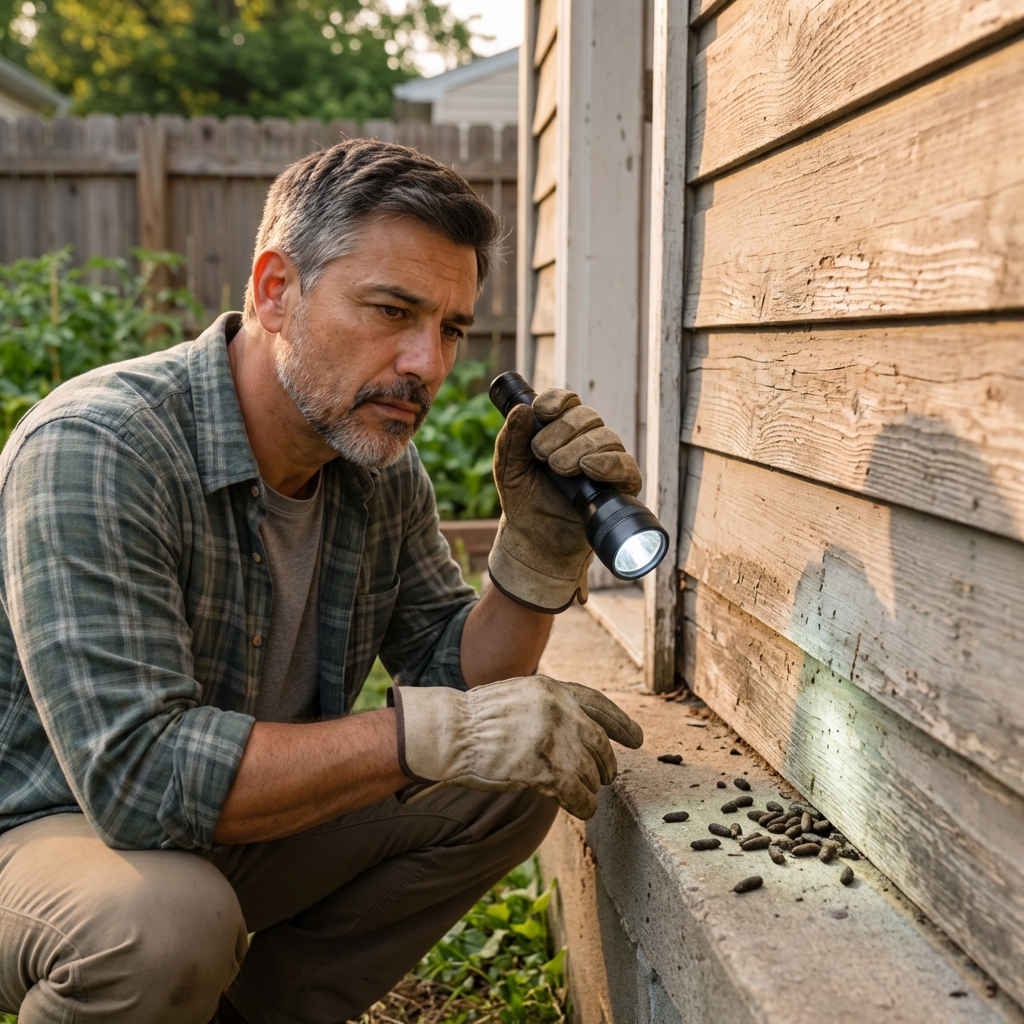
Step 1: Confirm it is rats (not mice)
Before you start placing strong scents, take five minutes to confirm what you are dealing with. Rats and mice behave differently, and the best control steps change depending on the pest.
Quick ID checklist
- Droppings: Rat droppings are generally larger (often around 1/2 inch, sometimes longer), while mouse droppings are smaller and more rice-sized. Shape can help too: rat droppings tend to be thicker and more blunt, mouse droppings tend to be smaller and more pointed.
- Gnaw marks and holes: Rats leave larger, rougher gnaw marks on wood, plastic, and wiring. Openings chewed or worn smooth around edges are often larger with rats.
- Rub marks: Greasy dark smears along baseboards, fence lines, shed walls, and pipes where rats travel.
- Tracks: In dusty areas, look for footprints and tail drag marks. Rats often leave wider tracks and more obvious tail lines than mice.
- Sounds: Heavier scurrying in walls or ceilings, often at night.
- Burrows: Outdoors, Norway rats may make roughly 2 to 4 inch-wide burrow openings along foundations, under sheds, or in dense groundcover.
Species note: Most home infestations are either Norway rats or roof rats. Norway rats are more likely to burrow and live low (yards, crawlspaces, under slabs). Roof rats are more likely to nest above ground (attics, upper levels, dense vines, trees). Where you focus exclusion and traps should match the likely species.
If you find fresh droppings, new gnawing, or active burrows, you likely have current activity. That matters because repellents work poorly when rats are already established with a nearby nest and reliable food.
Step 2: Understand what scents can and cannot do
Rats have an excellent sense of smell, so they can dislike certain odors. But there are two big limitations:
- Habituation: If a smell stays constant, rats often get used to it.
- Motivation: If there is food, warmth, and shelter, a “bad smell” may not matter much.
Use smell deterrents as a supporting tool while you do the things that actually end infestations: sanitation, exclusion (sealing), and population reduction (traps or professional baiting where legal and appropriate).
Step 3: Smells rats tend to dislike
These are common scents people use to make areas less inviting. Evidence and results are mixed, especially outdoors where wind, rain, and sun break odors down quickly. Think of this list as most commonly used by homeowners, not a guaranteed or scientific ranking.
Peppermint
Peppermint is one of the most popular options because it is strong and easy to apply.
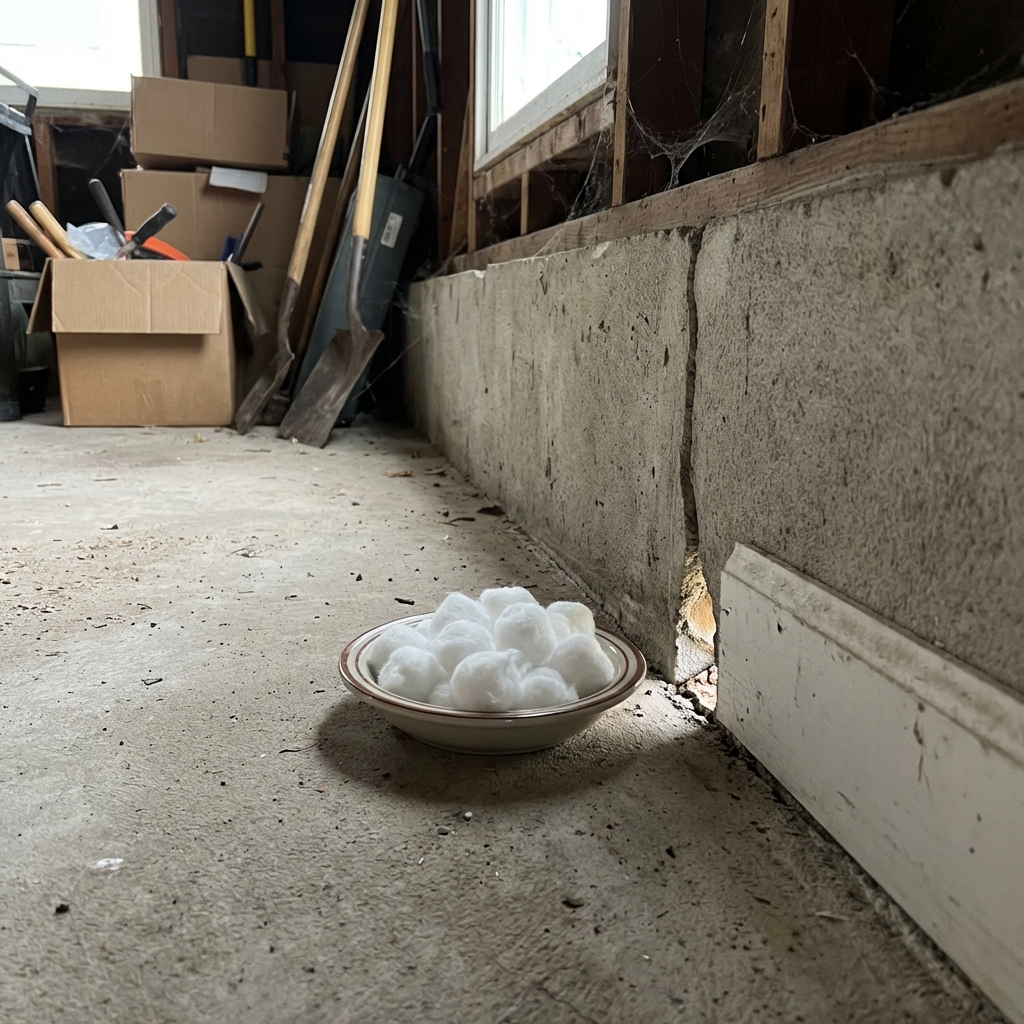
- How to use: Put peppermint essential oil on cotton balls and place them in protected, out-of-the-way corners, behind appliances, near suspected entry points, and along runways.
- Reapply: Every 2 to 3 days at first, then weekly if it seems helpful.
- Best for: Small indoor problem spots or as a temporary deterrent while sealing gaps.
Clove and other strong spice oils (clove, cinnamon)
Spice oils have a strong scent profile that can be irritating to rodents.
- How to use: Similar to peppermint. Cotton balls in protected areas. Do not drip oils onto painted surfaces or plastics that can stain.
- Best for: Indoor use in contained areas like closets, pantries (away from food), and storage rooms.
Ammonia smell (use caution)
Ammonia is sometimes suggested online because it is harsh and “predator-like.” In practice, it is also harsh on people and pets, and evidence for reliable repellency is weak.
- If used at all: Use only in well-ventilated, unoccupied areas and never mix with other cleaners.
- Reality check: This is not a safe, long-term household strategy.
Vinegar
Vinegar is useful mainly as a cleaner to reduce odor trails and food smells, not as a strong repellent.
- How to use: Clean greasy runways and droppings areas (with proper safety steps below), then focus on sealing and trapping.
- Best for: Kitchens, trash areas, and hard surfaces where you want to remove scent cues.
Mothballs (avoid)
Mothballs are frequently mentioned online. They are not a good choice. They are pesticides, can be toxic to people and pets, and using them outdoors or in open areas is often illegal or against label directions.
Step 4: Apply scent deterrents the right way
If you want scents to have any chance of helping, application matters. A quick spray in the air does almost nothing because it dissipates quickly.
Where to place scents
- Near entry points: Gaps under doors, around pipes, broken vents, garage corners.
- Along travel routes: Baseboards, behind stored items, along fence lines, next to shed walls.
- At harborage edges: The outside edge of a woodpile, the perimeter of a cluttered storage area, or near a burrow opening.
Essential oil safety (people and pets)
- Use cotton balls or a small absorbent pad. Do not pour oil directly onto surfaces that can stain.
- Keep oil-soaked cotton out of reach. Pets can chew it and get sick, and kids can pick it up.
- Keep away from food prep areas. Many essential oils are irritating or toxic when ingested.
- Extra caution with cats, infants, and sensitive pets: Some essential oils can be especially risky for cats and can irritate small children. If you have them in the home, skip oils or keep placement extremely limited and inaccessible.
- Do not rely on diffusers as a “whole house” solution. They dilute scent, and the rats still have food and entry points.
Outdoor reality check
Outside, smells fade fast. If rats are living under a shed or feeding on fallen fruit, you will get better results from cleanup and exclusion than from any scent. Also use outdoor scents sparingly since they can bother pets and wildlife and may wash into soil.
Step 5: Pair smells with what actually works
If you do only one thing from this page, do this: remove food, remove hiding spots, and block access. Then use traps to reduce the current population.
Sanitation: remove what is feeding them
- Use metal or thick plastic containers with tight lids for bird seed, pet food, and livestock feed.
- Clean up fallen fruit and nuts weekly during the season.
- Keep trash in sealed bins. Rinse recyclables.
- Do not leave pet food out overnight.
Habitat: make your yard less comfortable
- Trim groundcover and tall weeds near foundations.
- Store firewood at least 18 inches off the ground and, if possible, a few feet away from the house.
- Reduce clutter in garages and sheds so there are fewer nesting spots.
Exclusion: seal entry points
Rats can squeeze through surprisingly small gaps. As a rule, inspect carefully and seal anything about 1/2 inch (or larger), especially around utility lines and doors.
- Use steel wool plus caulk for small gaps.
- Use hardware cloth (1/4 inch mesh) for vents and openings.
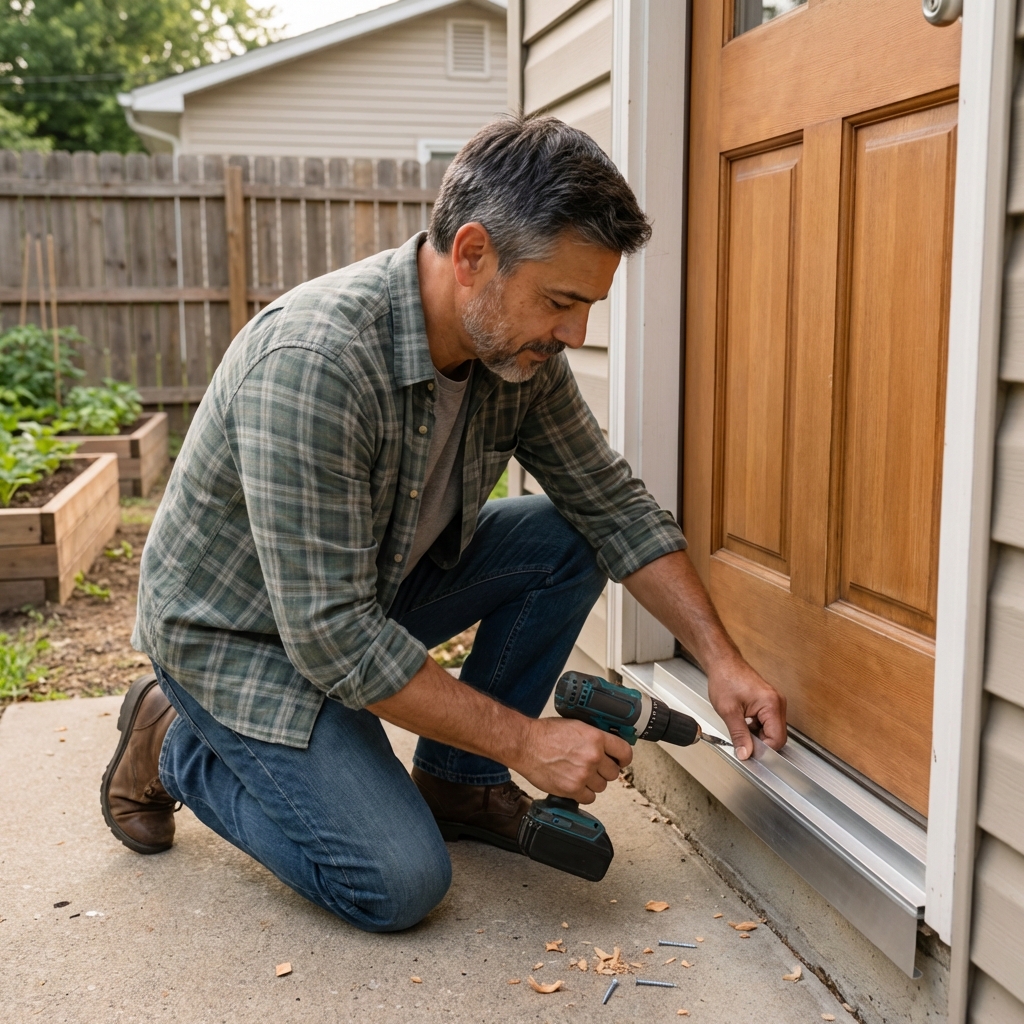
- Install door sweeps on exterior doors and garage doors.
- Repair broken crawlspace vents and screens.
Trapping: reduce the population quickly
Repellents work better after numbers are down. For many homeowners, snap traps are the most effective and affordable option.
- Place traps perpendicular to walls with the trigger side toward the wall.
- Use gloves and avoid moving traps around too often.
- Start with more traps than you think. A couple traps rarely makes a dent.
- Common baits: peanut butter (tiny amount), oats, dried fruit.
- Homes with kids or pets: Use covered traps or place snap traps inside a secure, tamper-resistant trap box.
- Check daily: Check traps at least once a day so you can reset quickly and remove catches promptly.
Step 6: Special situations
Kitchen
- Focus on food storage and crumbs first. A rat will tolerate a smell if dinner is easy.
- Use scent deterrents only in non-food zones, like behind the stove or under the sink, and keep them away from dishes.
- Fix leaks. Water is a big deal for rodents.
Garage and shed
- Declutter and elevate stored items so you can see droppings and runways.
- Seal around the slab edge, door corners, and utility penetrations.
- Peppermint or clove on cotton balls can help in corners while you work on exclusion.
Vegetable garden and compost
- Harvest produce promptly and remove fallen vegetables.
- Use rodent-resistant compost habits: bury fresh scraps, avoid meat and greasy foods, and consider a closed bin.
- Protect beds if needed with hardware cloth under new raised beds and around vulnerable areas.
Step 7: Clean up safely
Rodent droppings and nesting material can carry disease. Avoid sweeping or vacuuming dry droppings.
- Wear gloves. A mask is a smart idea in enclosed spaces.
- Ventilate the area.
- Spray droppings with a disinfectant or a bleach solution (follow label and safety directions) and let it sit before wiping.
- Use paper towels or disposable rags to pick up material.
- Bag waste and dispose of it properly (double-bag if practical). Wash hands well afterward.
When to call a pro
Get professional help if any of the following are true:
- You see rats in daylight repeatedly.
- You find multiple burrows, heavy droppings, or widespread gnaw damage.
- Rats are in walls or attic spaces and you cannot locate entry points.
- You have pets or children and want a safer, managed plan for traps and bait stations.
FAQ
What smell do rats hate the most?
There is no single smell that works on every rat in every situation. Strong scents like peppermint and clove are commonly used as deterrents, but they work best alongside sealing and cleanup.
Will peppermint oil get rid of rats completely?
Usually, no. Peppermint oil can make an area less comfortable, but rats often stay if there is easy food and shelter. Use it as a temporary helper while you trap and seal.
Do rats dislike bleach or ammonia?
Harsh chemical smells can be irritating, but they are not a safe or reliable control method. Use disinfectants for cleaning contaminated areas, not as a primary repellent strategy.
Do rats hate vinegar?
Vinegar is better at removing food odors and runway smells than forcing rats to leave. It is useful for cleanup, but do not expect it to solve an infestation.
Sources
- CDC: Guidance on cleaning up after rodents (droppings, nesting material, and ventilation)
- EPA: Pesticide product labeling and safe use (including mothball active ingredients and label directions)
- University extension resources: Integrated pest management guidance for rats (sanitation, exclusion, and trapping)
My simple takeaway
If you want a realistic plan, use smells as a short-term deterrent while you do the big three: take away food, block entry, and trap consistently. That combination is what ends rat problems in real backyards and real garages.

Jose Brito
I’m Jose Britto, the writer behind The Country Store Farm Website. I share practical, down-to-earth gardening advice for home growers—whether you’re starting your first raised bed, troubleshooting pests, improving soil, or figuring out what to plant next. My focus is simple: clear tips you can actually use, realistic expectations, and methods that work in real backyards (not just in perfect conditions). If you like straightforward guidance and learning as you go, you’re in the right place.